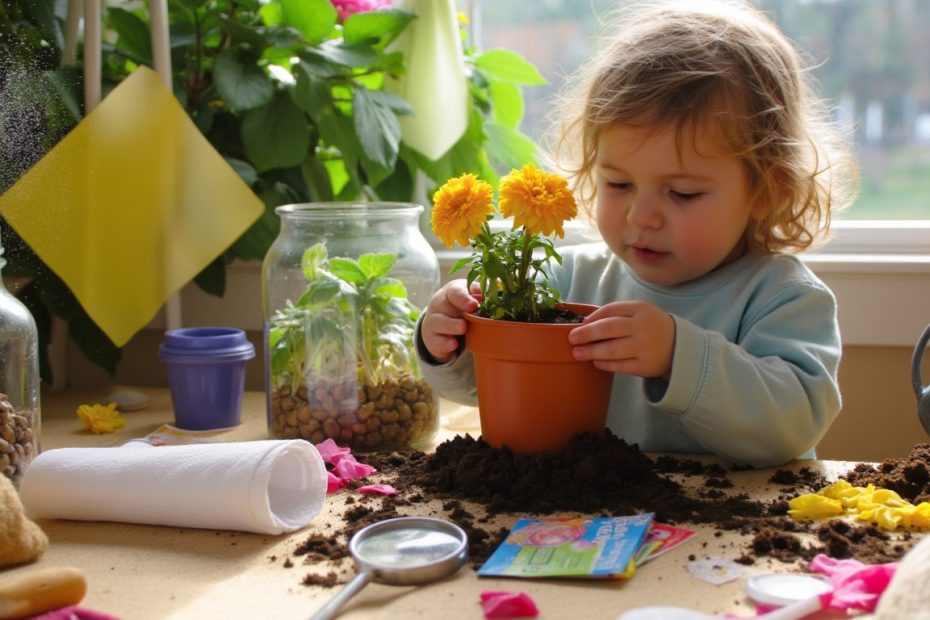
Is there anything more magical than a preschooler’s face when they see the first bright bloom after a rainy day? That mix of wonder and discovery is exactly what we’re chasing. But let’s be real—between the damp days and the wiggles, finding activities that actually hold their attention can feel like herding cats in rain boots. That’s why I’ve soaked up all the best ideas to turn that classic saying into a springboard for play, learning, and maybe just a little bit of managed mess. Get ready to make this spring unforgettable with these engaging, educational, and downright fun preschool activities.
1. Raindrop Counting & Math Puddles
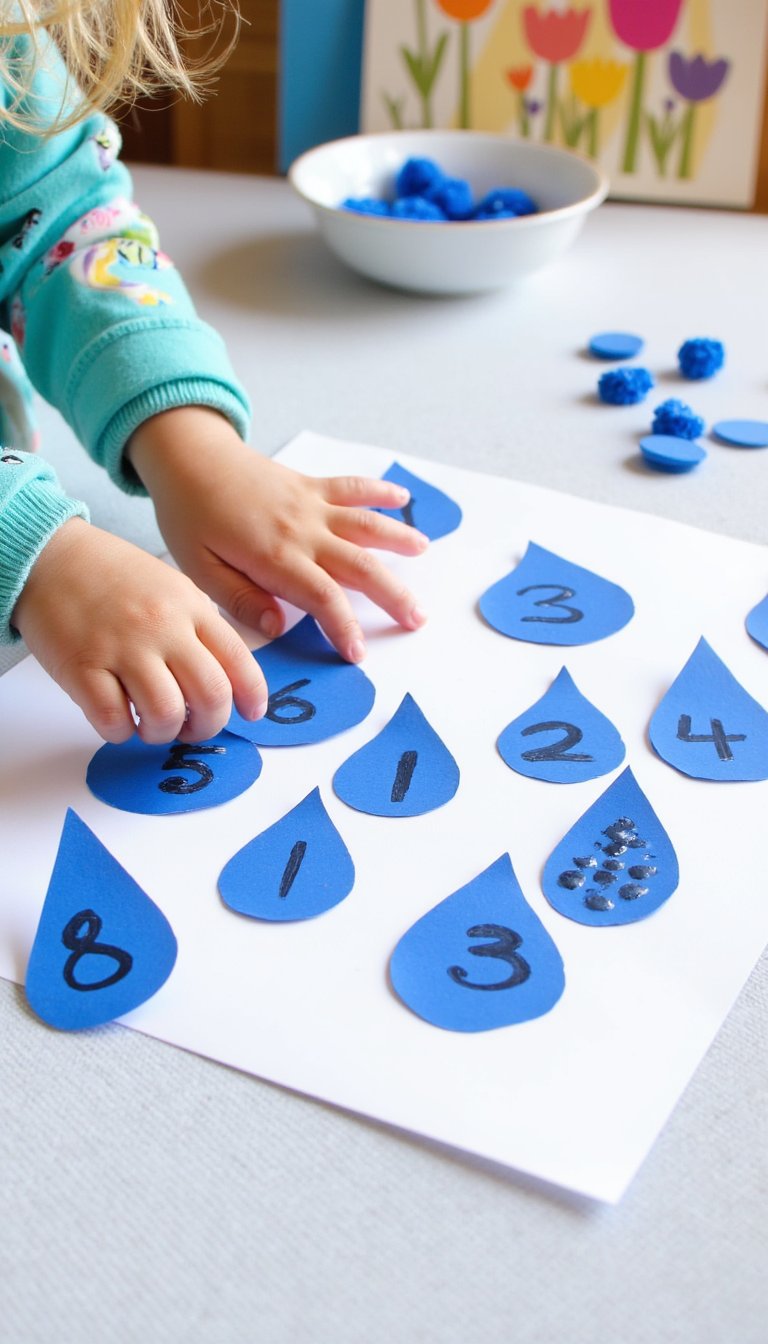
Who says math can’t be a splash? Cut out dozens of blue raindrop shapes from construction paper. On each one, write a number or a series of dots. Then, draw big “puddles” on poster paper with a target number inside each. Your little learner’s job is to match the correct number of raindrops to each puddle. It’s a fantastic hands-on way to build number recognition and counting skills. For an extra layer of fun, use blue pom-poms as 3D raindrops they can physically drop into bowls labeled with numbers. You’ll be building those early math muscles without them even realizing they’re working. Trust me, it beats flashcards any rainy day.
2. Umbrella Color Match & Sort
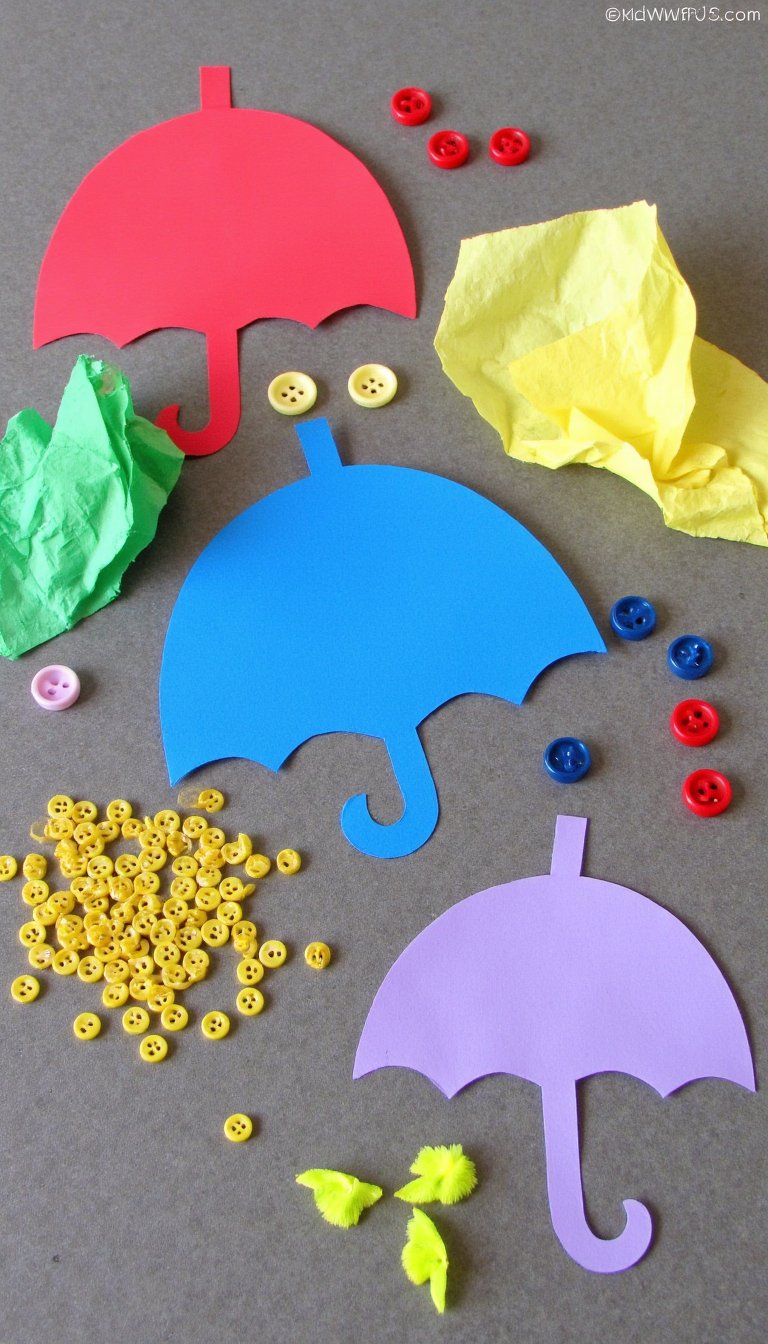
This activity is a color theory lesson disguised as a brilliant matching game. Draw or print out simple umbrella outlines on different colored paper. Then, scour your craft drawer for matching items: buttons, beads, tissue paper squares, or even colorful clothespins. The challenge is for your preschooler to decorate each umbrella with items that match its color. You’re hitting so many skills here—color recognition, fine motor control, and sorting. Want to up the difficulty? Introduce shades and talk about light blue vs. dark blue. It’s a simple setup that keeps them focused, and you get a vibrant spring display for your fridge afterward. Win-win.
3. Flower Seed Planting Station
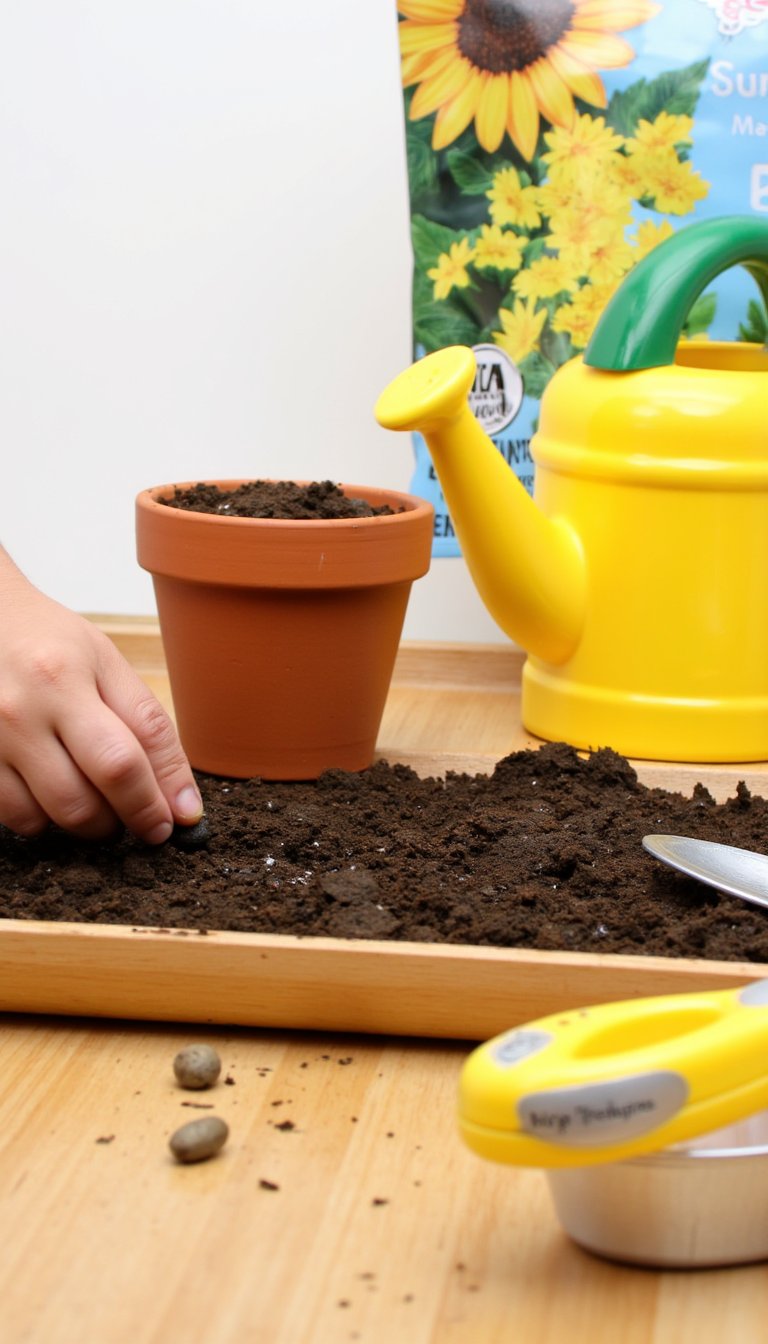
This is the quintessential “May flowers” activity, and for good reason. Get some fast-sprouting seeds like beans, sunflowers, or marigolds. Provide small cups, soil, and child-friendly tools. The magic isn’t just in the planting; it’s in the conversation. Talk about what seeds need to grow: soil, water (from those April showers!), and sun. Make it a science experiment by planting one seed in a cup without water and one without light. Your preschooler can be a little gardener and a detective, observing changes daily. The patience and wonder they learn as that first green shoot appears? Priceless. Just maybe keep the soil over a tray—I speak from experience.
4. Puddle Jumping Phonics
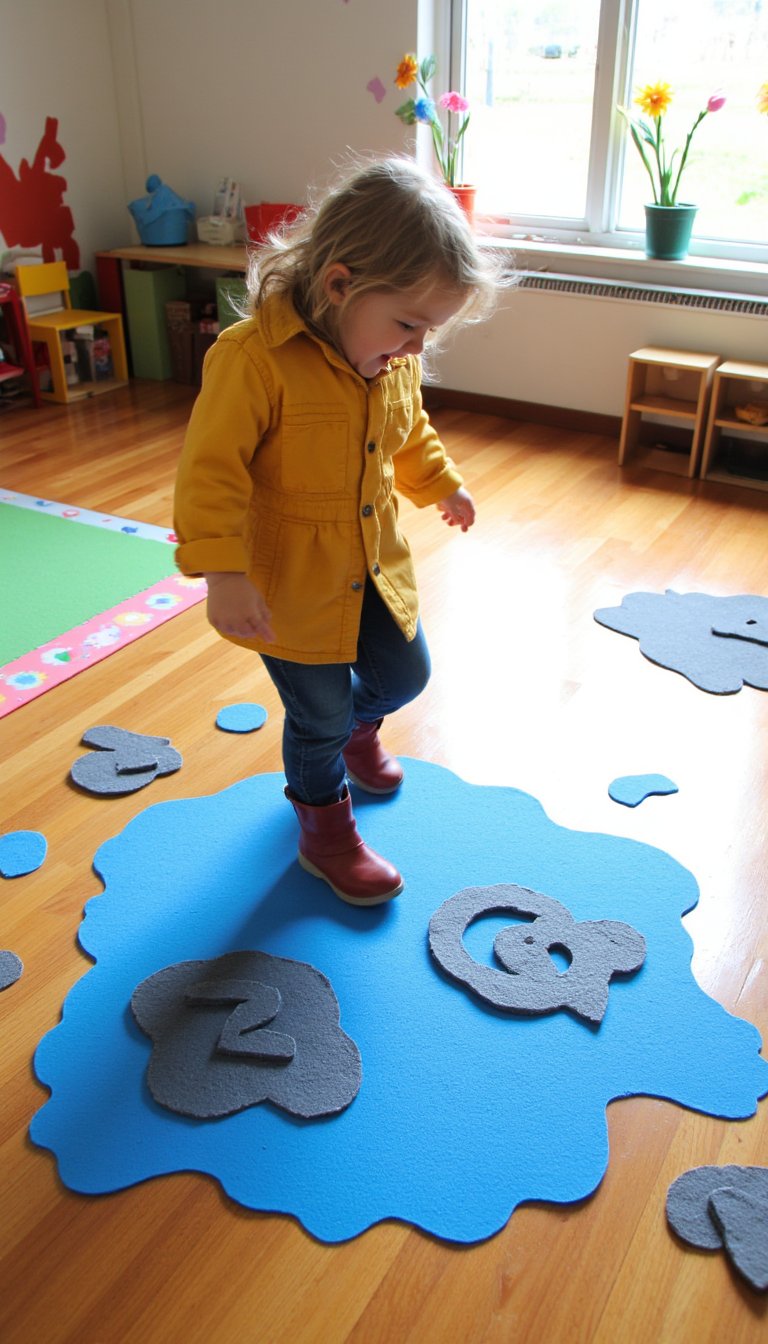
Time to get those whole bodies moving and learning! Cut out large puddle shapes from gray or blue felt and scatter them on the floor. On each puddle, place a letter card. Call out a letter sound or a simple CVC word like “cat.” Your child must jump to the puddle with the starting letter. You can also call out a word and have them jump from puddle to puddle to spell it. This kinetic approach to phonics is a game-changer for active learners. It burns energy and builds literacy skills simultaneously. Is it a bit chaotic? Sure. But isn’t that the point of a good spring day?
5. Cloud Dough Sensory Bin
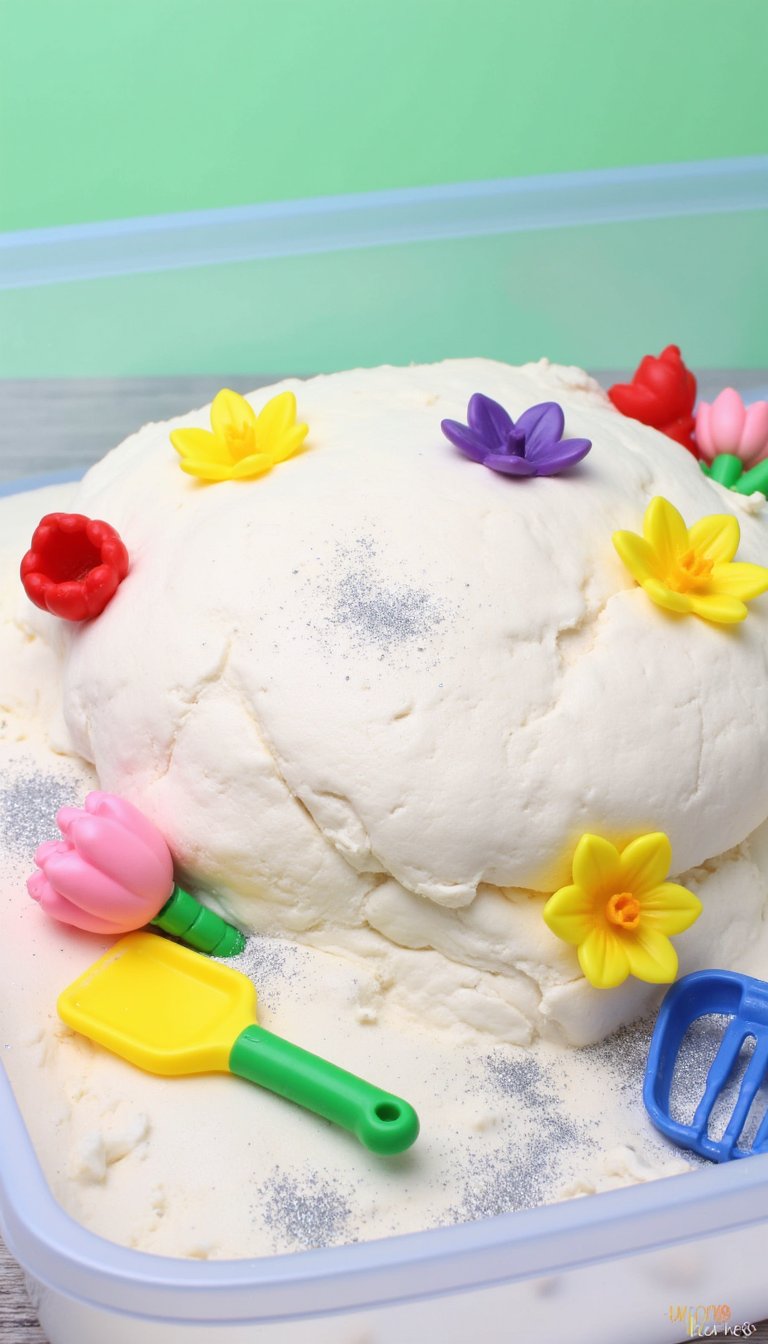
Sensory bins are the holy grail of preschool engagement, and this one fits our theme perfectly. To make cloud dough, mix 8 cups of flour with 1 cup of baby oil. It becomes moldable, soft, and wonderfully sensory. Pour it into a large bin and hide plastic flowers, small gardening tools, or letter magnets inside. Let them dig, scoop, and “plant.” Add in some silver glitter for a “rainy” effect. This activity promotes imaginative play, descriptive language, and fine motor skills. Yes, it will get everywhere. But the calm, focused play it inspires is worth the five-minute vacuum session afterward, I promise.
6. Rainbow Ribbon Dance & Gross Motor Play
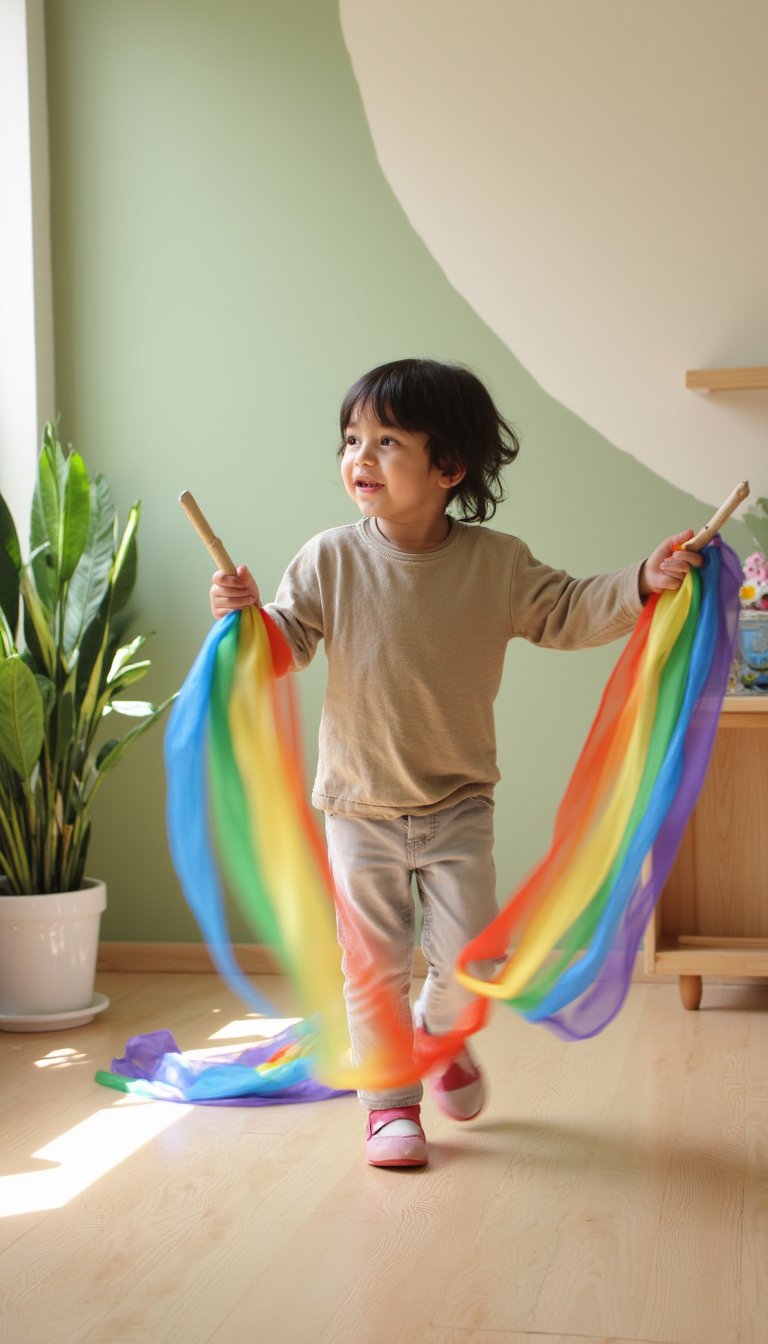
After the showers comes the sun, and often, a rainbow. Tap into that beauty with a music and movement session. Attach long, flowing ribbons in rainbow colors to dowels or even empty paper towel rolls. Put on some uplifting classical or world music and let your preschooler dance, twirl, and make the ribbons fly. Encourage them to make big movements like sweeping rainbows or swirling tornadoes. This isn’t just dancing; it’s gross motor development, color recognition, and emotional expression all in one. They’re interpreting the weather through their bodies. Plus, it’s a fantastic way to shake out those indoor sillies on a drizzly afternoon.
7. Weather Wheel Craft
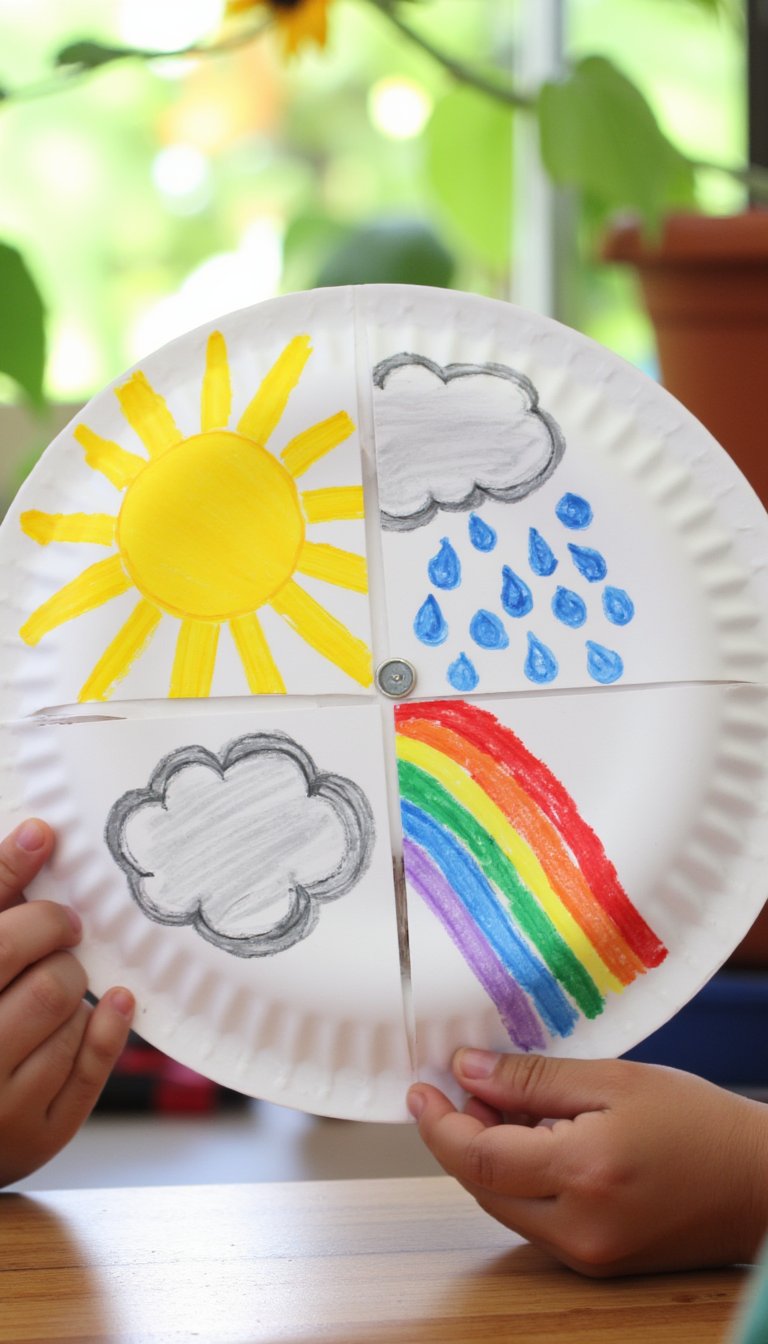
Give your preschooler the power to predict the weather (or at least document it). Create a simple weather wheel together. You’ll need two paper plates, a brad fastener, and some markers. Divide one plate into sections for sun, rain, clouds, and rainbow. Cut a wedge out of the second plate to act as a window. Attach them together and let your child decorate. Each morning, have them spin the wheel to match the day’s weather. This daily ritual builds routine, observation skills, and vocabulary. It also makes a tangible connection to the saying—they can see how rainy days (April showers) eventually lead to sunny, flowery ones (May flowers).
8. Shower Sound Storytime
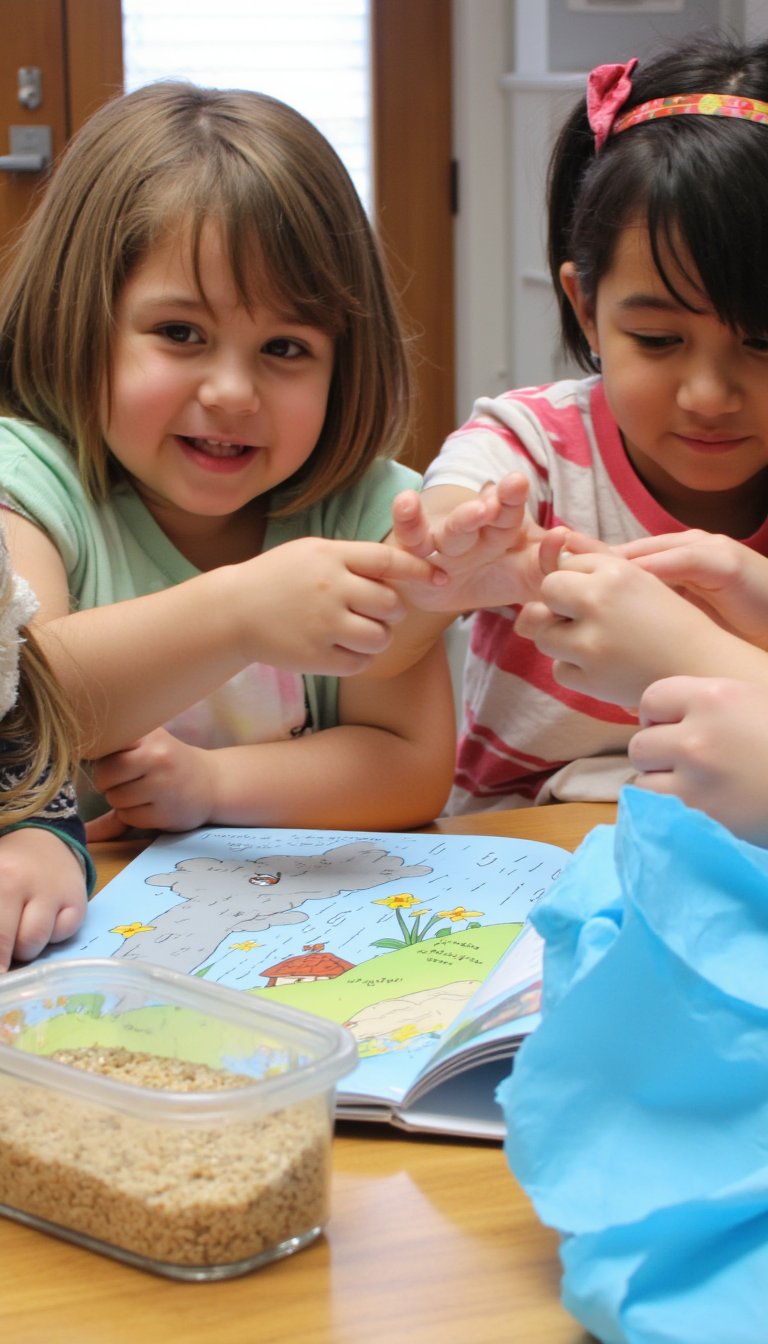
Transform story hour into an immersive sound experience. Choose a book about rain or spring, like “The Tiny Seed” by Eric Carle or “Rain” by Manya Stojic. As you read, involve your child in creating sound effects. Tap fingers gently on the table for light rain, slap hands on thighs for heavy downpours, rustle paper for wind, and shake a container of dry rice for thunder. This active listening and participation boosts auditory discrimination and narrative understanding. It makes the connection between the story and the real-world sounds they hear outside their window. And let’s be honest, it’s also just really fun to make a bunch of noise on purpose.
9. Recycled Bloom Collage
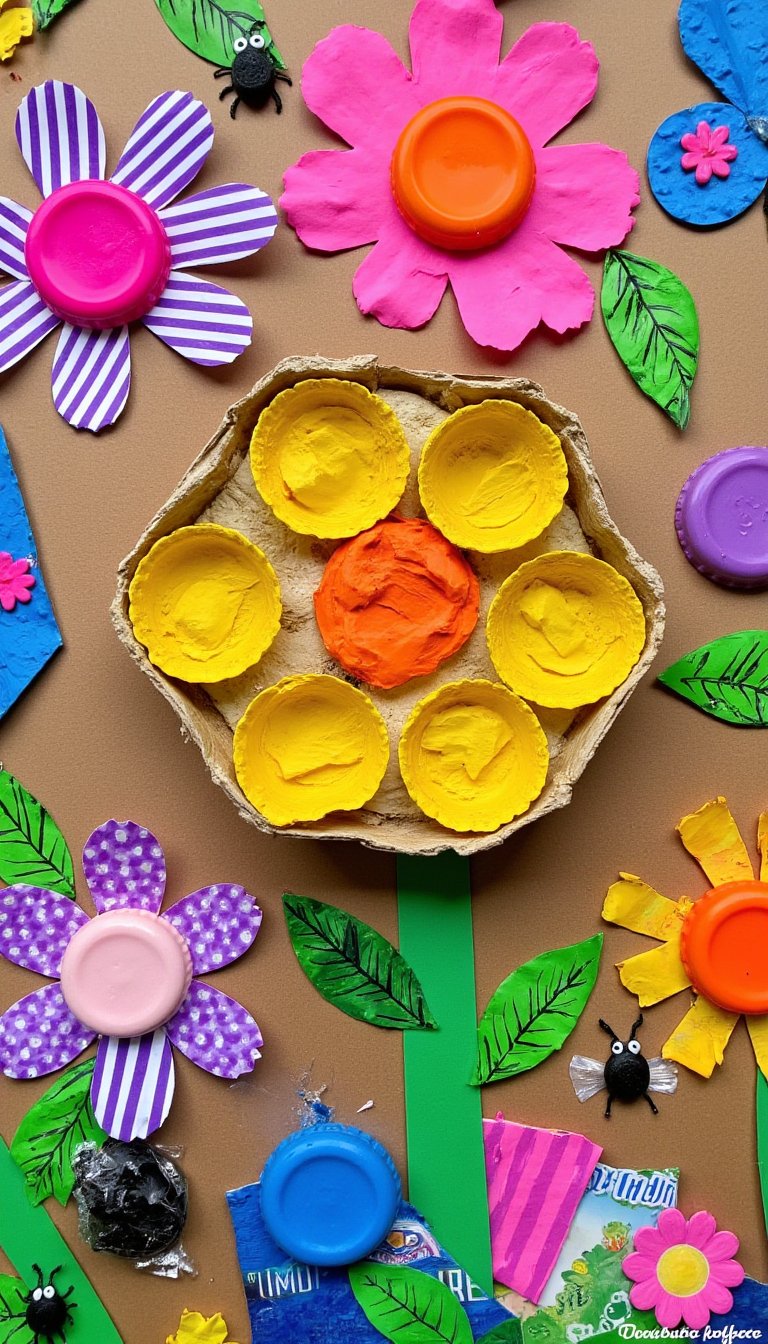
Celebrate the “flowers” part with an open-ended art project that uses what you already have. Gather recycled materials: egg cartons for flower centers, scrap paper for petals, old magazine pages for leaves, and bottle caps for bugs. Provide a canvas of glue and a large piece of cardboard. Then, step back. Let your preschooler engineer their own garden. There’s no wrong way to do this. This activity champions creativity, resourcefulness, and fine motor skills as they tear, cut, and glue. The conversation about reusing materials is a bonus Earth-friendly lesson. You’ll be amazed at the botanical masterpiece they create from “trash.”
10. DIY Rainstick Musical Instrument
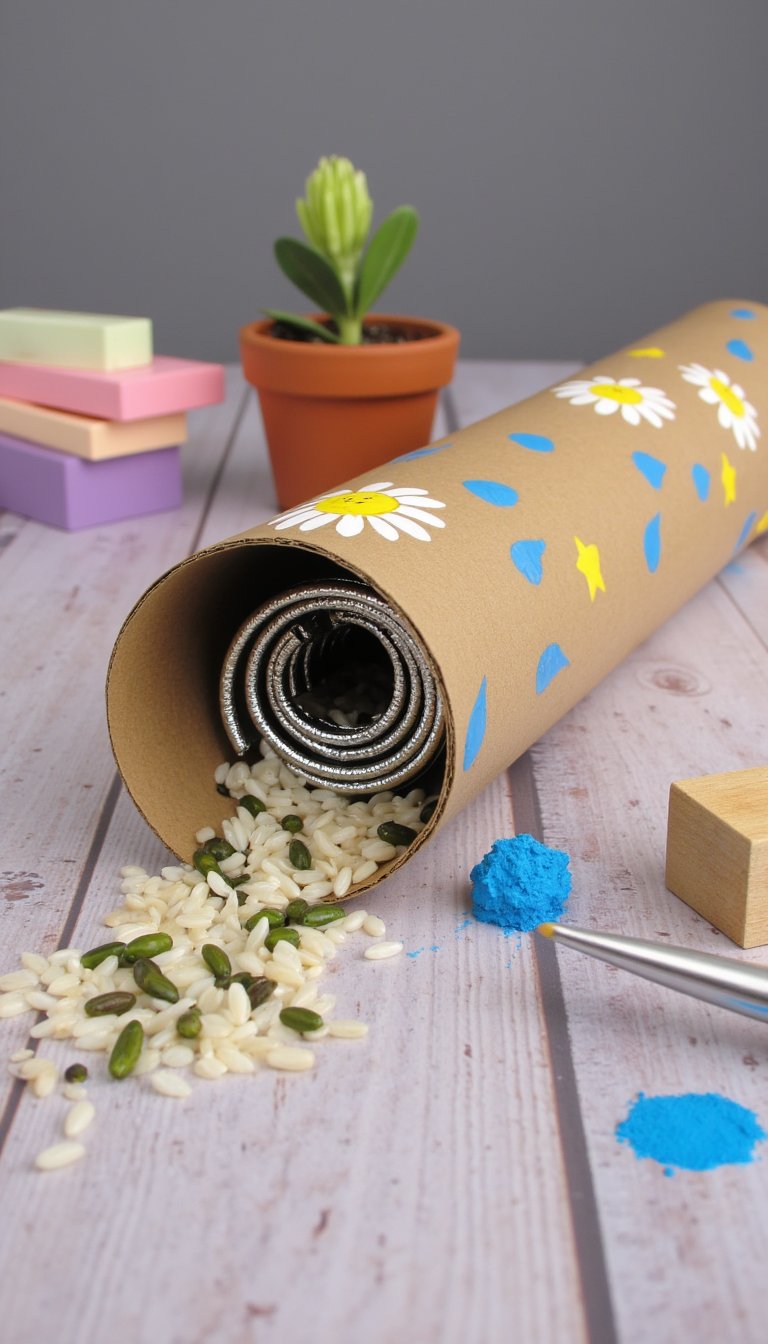
Bring the sound of the shower inside with this crafty instrument. You’ll need a long cardboard tube (from paper towels or wrapping paper), aluminum foil, dry rice or beans, and tape. Have your child coil a long piece of foil into a snake and spiral it inside the tube. This creates the barrier that makes the “rain” sound. After sealing one end, let them pour in a cup of rice. Seal the other end securely. Then, decorate the tube with stickers, paint, or markers. When they flip it over, they’ll hear the soothing sound of rain. It’s a STEM craft that teaches cause and effect, sound waves, and patience. Plus, it provides a perfect soundtrack for your other activities.
11. April Showers Science in a Jar
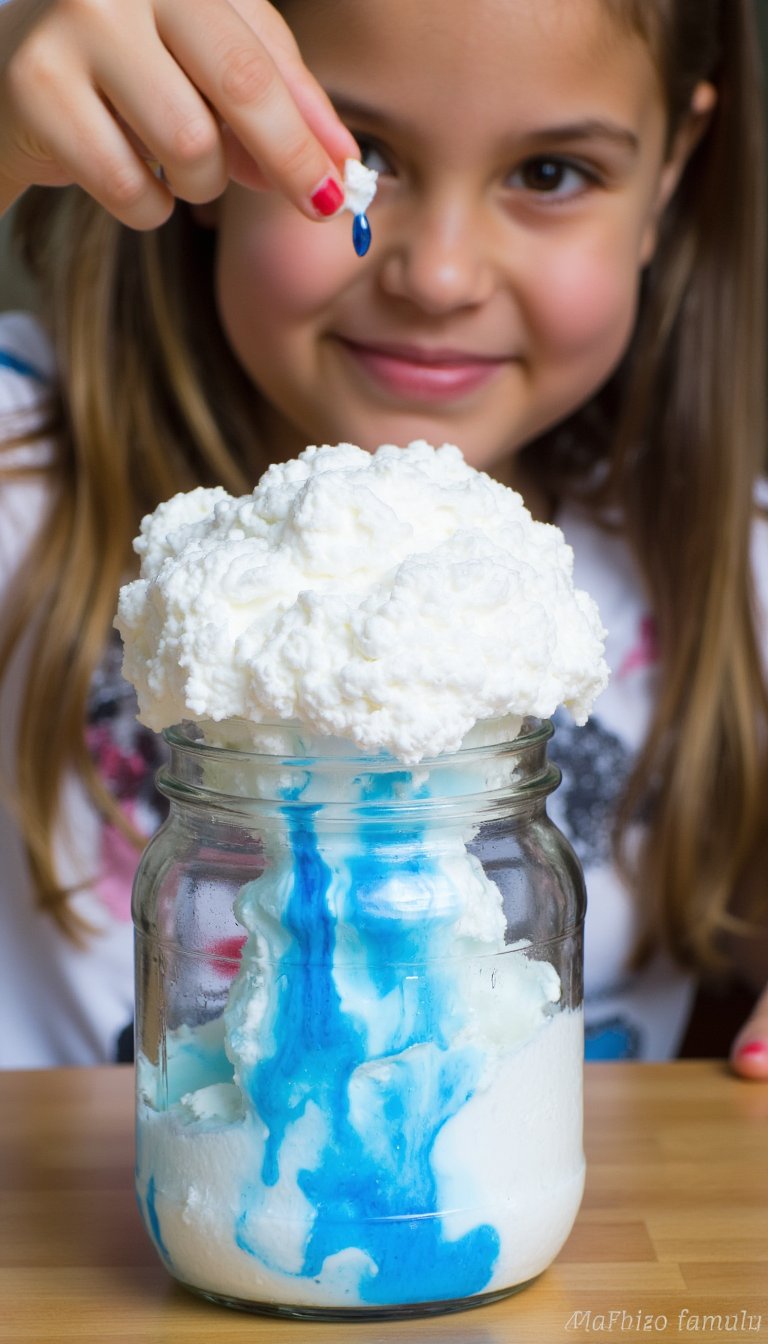
This simple visual demonstration explains the water cycle in a way preschoolers can grasp. Fill a clear jar about ¾ full with water. Top it with a generous layer of shaving cream to act as a cloud. Then, give your child a dropper and some blue food coloring mixed with water. As they squeeze drops of “rain” onto the shaving cream cloud, watch as the color saturates the cloud and eventually falls through into the water below like rain. Talk about how clouds hold water until they get too heavy. It’s a mesmerizing experiment that makes abstract science concrete. Their “oohs” and “aahs” will be the best review you could ask for.
12. Handprint May Flowers Keepsake
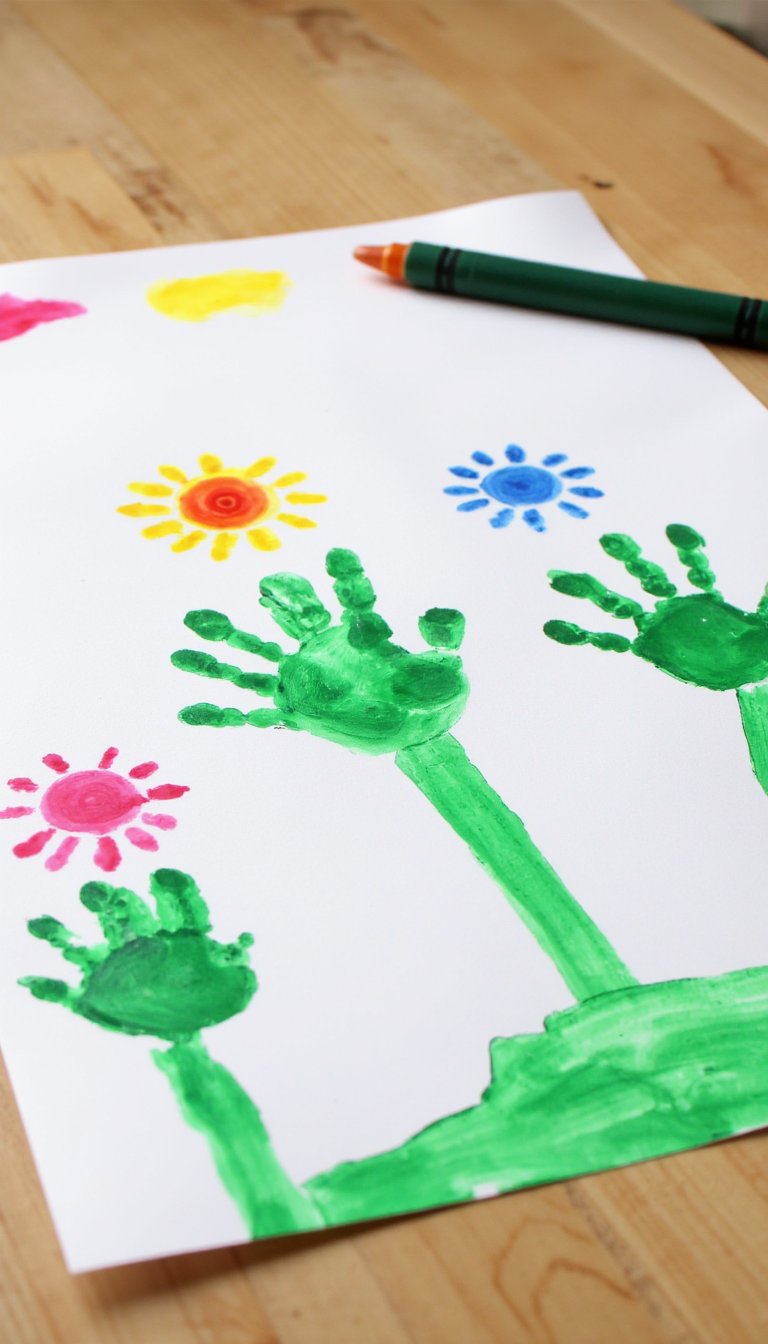
Create a sentimental piece of art you’ll cherish forever. Using non-toxic washable paints, help your preschooler make handprints on paper in green for stems and leaves. Once dry, use fingerprints in bright colors to create blooms at the top of each stem. You can add details with markers. Label it with their name and the year. This activity isn’t just about art; it’s about connection and growth. You can chat about how their own hands are growing, just like the flowers. It’s a tangible memory of this spring, and let’s face it, nothing beats how cute those tiny painted fingers are.
13. Spring Nature Walk Scavenger Hunt
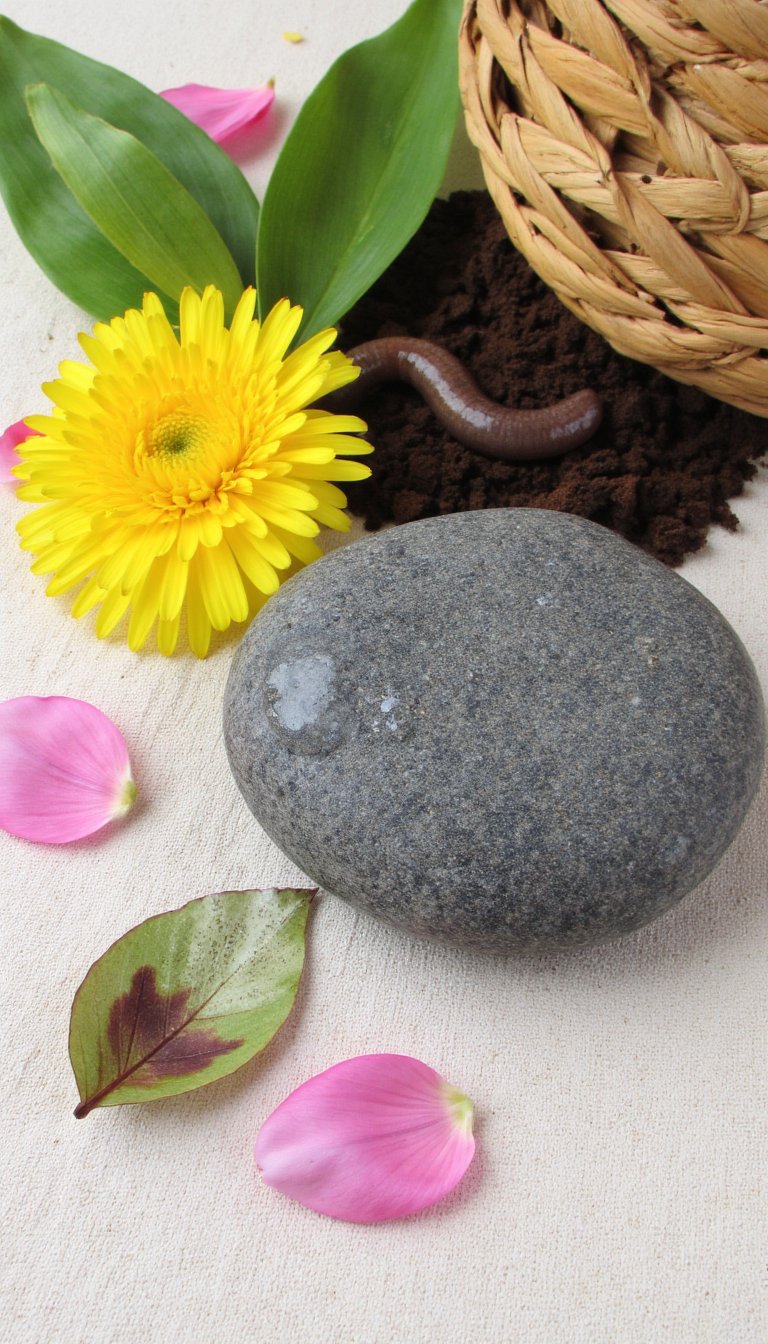
When the rain breaks, get outside! Arm your little explorer with a simple picture checklist. Include items like a puddle, a budding leaf, a flower (even a dandelion counts!), a worm, a bird, a smooth rock, and a cloud. Walk slowly and let them lead. This teaches observation, connects them to the natural world, and reinforces all the concepts you’ve been exploring indoors. The hunt makes them active participants in their environment. Plus, you can collect safe items like fallen petals or interesting leaves to use in your collage later. It’s the perfect culminating activity that proves learning isn’t confined to four walls.
So there you have it—13 activities that turn a weather-based proverb into a whole season of discovery. From math puddles and phonics jumps to science jars and sensory clouds, each idea takes the essence of “April showers bring May flowers” and makes it tangible for a preschooler. The key is to follow their lead, embrace the mess, and celebrate the questions. These activities aren’t about perfect outcomes; they’re about planting seeds of curiosity that will keep blooming long after May. Now, go on—pick one, get started, and watch their little minds (and maybe a real flower or two) grow.