
Spring is finally here, and if your house is anything like mine, the walls are starting to feel a little… close. The kids have that restless, post-winter energy, and you’re fresh out of ideas that don’t involve a screen. Sound familiar? You’re not alone. That’s why I’ve rounded up this list of spring crafts for kids at the elementary level—projects that are equal parts fun, doable, and guaranteed to sprinkle a little sunshine on your kitchen table. Let’s turn those rainy afternoons into creative adventures.
1. Whimsical Wind Socks from Upcycled Containers

Don’t toss that empty oatmeal container just yet! This craft teaches kids about upcycling and wind in the most colorful way. Let them go wild decorating the cylinder with paint, tissue paper, or stickers. Then, attach long, flowing streamers of crepe paper or ribbon to the bottom. Punch two holes at the top, thread some yarn through, and hang it from a porch or tree branch. The real magic happens when they see their creation dance in the spring breeze.
2. Coffee Filter Butterfly Bonanza

This is a classic for a reason: it’s cheap, easy, and the results are always stunning. All you need are white coffee filters, washable markers, a spray bottle of water, and clothespins. Have kids color the filters heavily with markers, then spritz them with water and watch the colors blend into beautiful, tie-dye patterns. Once dry, pinch the center to create wings and clip a clothespin in the middle. Add googly eyes and pipe cleaner antennae for the full effect. Instant spring gallery wall!
3. Egg Carton Caterpillar Crawl
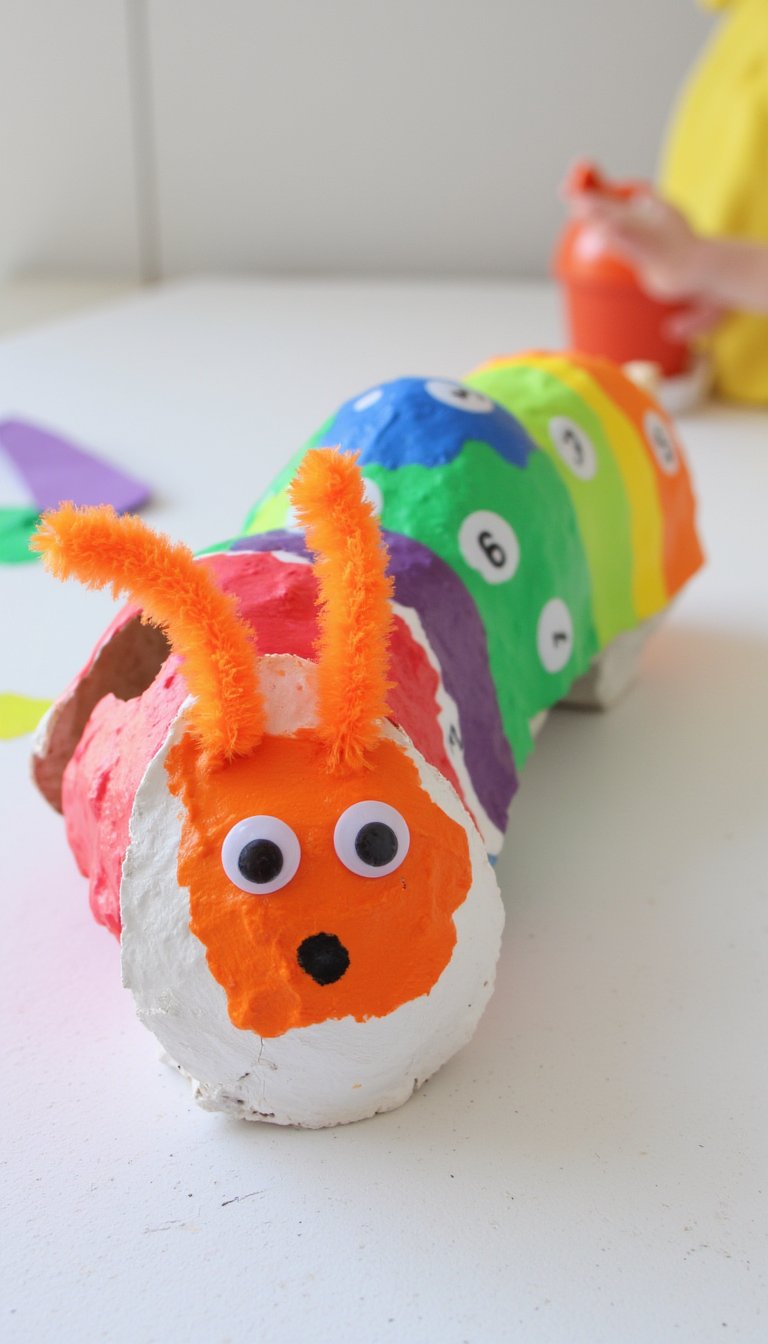
Transform a simple cardboard egg carton into a cute critter that teaches counting and patterns. Cut a strip of carton (about 5-6 cups long) and let your child paint it in vibrant colors. Pipe cleaners become antennae, and googly eyes bring the face to life. You can even use this as a learning tool—add numbered dots to each segment or use different colors to practice AB patterning. It’s a craft that engages both their artistic and logical brains.
4. “Stained Glass” Kite Art

Who says you need wind to fly a kite? This no-mess “stained glass” version is perfect for brightening any window. Cut a kite shape from black construction paper to create a bold frame. Then, tape a sheet of clear contact paper (sticky side up) to the back. Kids can tear or cut small pieces of colored tissue paper and press them onto the sticky surface, filling the kite with a radiant mosaic. The sunlight shining through is absolutely breathtaking.
5. Rockin’ Garden Markers

Get ready for gardening season with a craft that’s actually useful! Head outside to hunt for smooth, flat rocks. Wash and dry them, then let the kids paint them with acrylic paints or durable outdoor markers. They can paint pictures of vegetables (a red rock for tomatoes, an orange one for carrots) or simply write the plant names. Once sealed with a clear spray or Mod Podge, these charming markers will help everyone remember what’s planted where. Talk about a productive afternoon!
6. 3D Paper Rainbow Mobile

This craft tackles color theory and fine motor skills with a dose of cheer. Cut cloud shapes from white cardstock. Then, have kids cut or tear strips of colored paper in ROYGBIV order. Show them how to loop and glue the ends of each strip to the cloud, creating a cascading 3D arch. Hang multiple clouds at different lengths from a hoop or branch for a mobile that turns any room into a spring celebration.
7. DIY Seed Bombs for Guerrilla Gardening

Part craft, part science experiment, all awesome. Mix together air-dry clay, potting soil, and native wildflower seeds (find ones that are easy to grow in your area). Kids will love getting their hands dirty to form the mixture into small balls. Once dry, these seed bombs are ready for a secret mission: toss them in a bare spot of your yard or a community space (with permission, of course!). It’s a powerful lesson in how small actions can help the planet.
8. Cheerful Cherry Blossom Branch

Bring the iconic beauty of spring blossoms indoors. Go on a walk to find a few interesting, bare twigs and secure them in a vase with pebbles. Then, dip the tip of a pencil eraser into pink and white paint and dab it all around the branches to create delicate blossom clusters. Add a touch of brown or green at the center of each flower for detail. This project is a fantastic study in negative space and simple printmaking techniques.
9. Frog Life Cycle Plate

Turn a paper plate into a captivating science diagram. Divide the plate into four sections. In each quadrant, use craft materials to represent a stage: glued-on bubbles for eggs, a curled pipe cleaner tadpole, a tadpole with legs made from buttons, and a final frog from green construction paper. Label each stage. It’s a hands-on way for elementary kids to visualize metamorphosis that’s way more memorable than any textbook image.
10. Bubble Wrap Beehive Printing

That packing material isn’t trash—it’s a textural masterpiece waiting to happen! Cut a piece of bubble wrap into a beehive shape and tape it to a small roller or just let kids press it directly. Coat it with yellow paint and press it onto paper to create a perfect honeycomb texture. While that dries, they can cut out little bee bodies from black and yellow paper, adding pipe cleaner wings. Assemble the scene for a buzz-worthy piece of art.
11. Suncatcher Bird Feeders

This craft helps our feathered friends and looks gorgeous. Cut the center out of a paper plate to create a ring. Have kids spread a thick layer of shortening or peanut butter (check for allergies!) on the ring, then roll it in birdseed. Tie a ribbon around it for hanging. The clear center acts like a window, and when hung in a sunny spot, it casts beautiful seed-shaped shadows. It’s crafting with a purpose.
12. Textured Lamb with Cotton Ball Clouds

Soft, fluffy, and utterly adorable. Draw a simple lamb outline on dark blue construction paper. Then, the fun part: kids pull apart cotton balls and glue the fluffy pieces inside the outline to give their lamb a wonderfully textured coat. They can add a black paper face and legs. Extend the activity by using the leftover cotton to make puffy clouds in the sky. It’s a fantastic sensory craft for younger elementary students.
13. Pinwheel Garden Spinners

A little engineering meets a lot of color. Start with a square piece of decorative paper. Kids can cut from each corner toward the center (stopping about an inch short). Then, pull every other point into the center and pin them (with a push pin) to a pencil eraser or a dowel rod. When they run with it or blow on it, it spins! Experiment with different paper patterns to see how they look when twirling. Pro parent tip: Use a thumbtack and a thick bead as a spacer for smoother spinning.
14. Symmetrical Paint-Blotted Bugs

This one always feels like a magic trick. Fold a piece of paper in half, then open it back up. On one side of the fold, have kids drop blobs of thick tempera paint in bug-like shapes. Now for the big reveal: fold the paper again and press down firmly. When they open it, they’ll reveal a perfectly symmetrical bug! Once dry, they can add legs and antennae with marker. It’s an unforgettable lesson in symmetry and cause-and-effect.
15. Growing Grass Hair Heads

Patience meets pure silliness. Let kids decorate the outside of a small cup or yogurt container to look like a face. Fill it with potting soil and sprinkle grass seed generously on top. Water it, place it in a sunny spot, and wait for the “hair” to grow! They can give their character a haircut with safety scissors or style it with tiny barrettes. This is the ultimate long-term spring craft that teaches responsibility and plant biology with a big dose of giggles.
And there you have it—15 spring crafts for kids that are perfectly suited for elementary-aged creators. The best part? These projects aren’t just about keeping busy. They’re about noticing the colors of the season, understanding how things grow, and turning everyday materials into something special. So, raid your recycling bin, cover the table with newspaper, and embrace the beautiful, glittery, slightly glue-sticky chaos. Which craft will you try first? Your kitchen-table art studio awaits. Happy making!