
Spring is finally here, and let’s be honest—your classroom or kitchen table is probably buzzing with a very specific kind of energy. It’s the “we’ve-been-inside-too-long-and-now-the-sun-is-out” jitters. Channel that glorious, chaotic energy into something beautiful! This list is your secret weapon, packed with spring art for kids elementary artists will adore. Forget complicated setups; we’re talking maximum creativity with minimal mess (well, most of them). Ready to make some magic?
1. Blossoming Cherry Tree Prints with Cardboard

Who knew a simple cardboard scrap could create such delicate beauty? This project teaches printmaking basics with stunning results. Cut small cardboard squares into branch and twig shapes.
Kids dip the cardboard edges in brown paint to stamp the tree’s trunk and branches onto paper. Then, the real fun begins: finger painting! Using pink and white, they dab on fluffy clusters of blossoms. The contrast between the printed lines and soft finger-painted blooms is absolutely magical.
2. Symmetrical Coffee Filter Butterflies
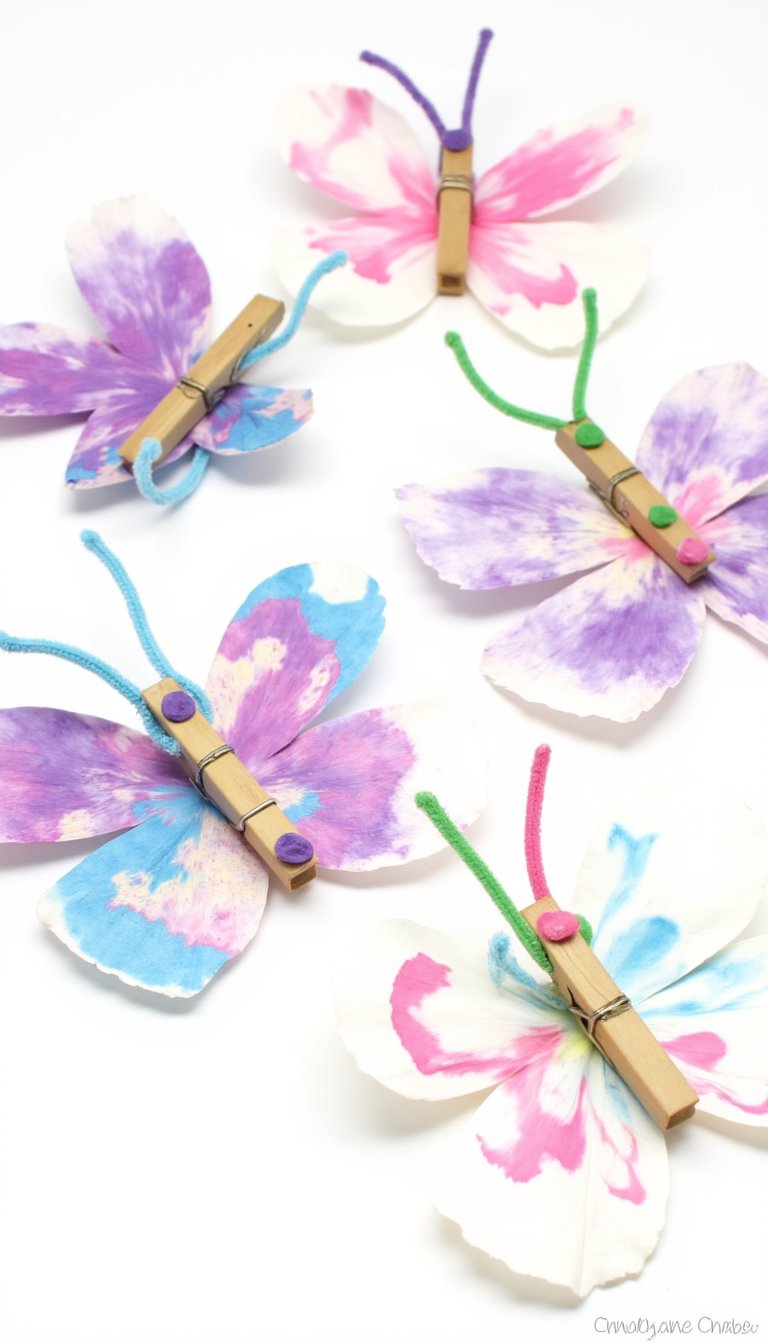
This is a classic for a reason—it combines science and art in the most colorful way. Start by letting kids turn plain white coffee filters into vibrant masterpieces using washable markers. Then, watch their eyes widen as you spray the filters with a light mist of water.
The colors bleed and blend, creating a beautiful, marbled effect. Once dry, pinch the filter in the middle, add a clothespin for the body, and pipe cleaner antennae. Instant spring fluttering friends!
Pro Tip:
Use this as a sneaky lesson on symmetry. Ask them to make both wings match. It’s a hands-on way to understand balance and design.
3. Textured Clay Bee & Pollen Sculptures

Time to get those little hands building! Air-dry clay is perfect for this 3D spring art project. Kids can shape a simple bee body, roll tiny balls for pollen, and even sculpt a small flower.
Use toothpicks or craft sticks to add wing lines and texture to the pollen. After they dry, a coat of paint and googly eyes bring these buzzy buddies to life. It’s a fantastic, tactile project that celebrates our tiny, essential pollinators.
4. Rainy Day Watercolor Resist Umbrellas
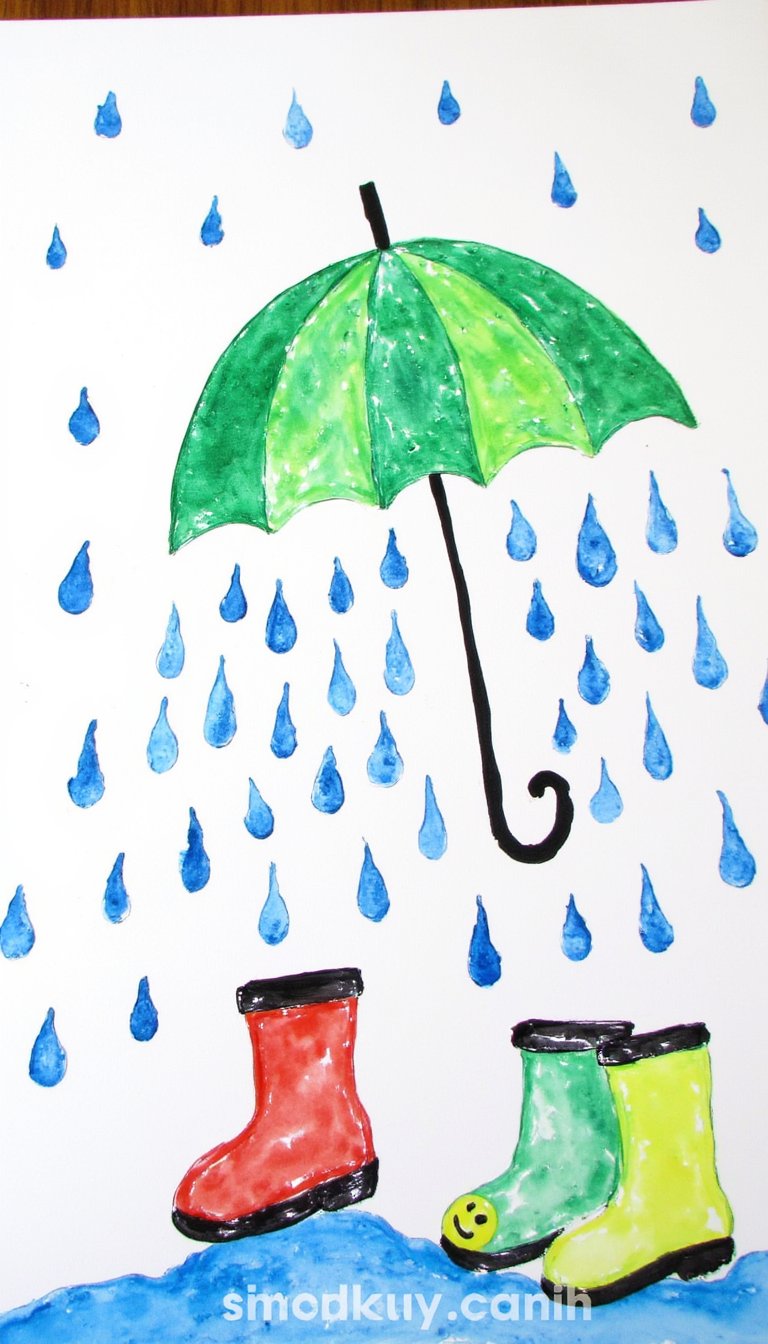
April showers bring… awesome art projects! Have kids draw a simple umbrella shape on thick paper with a white oil pastel or a white crayon. They can add patterns like dots or stripes. When they paint over it with liquid watercolors, the magic happens.
The wax resists the paint, making their secret design appear! Add raindrops with blue paint and little painted boots at the bottom. It’s a cheerful way to embrace a rainy spring day.
5. Collaborative Giant Paper Tulip Garden
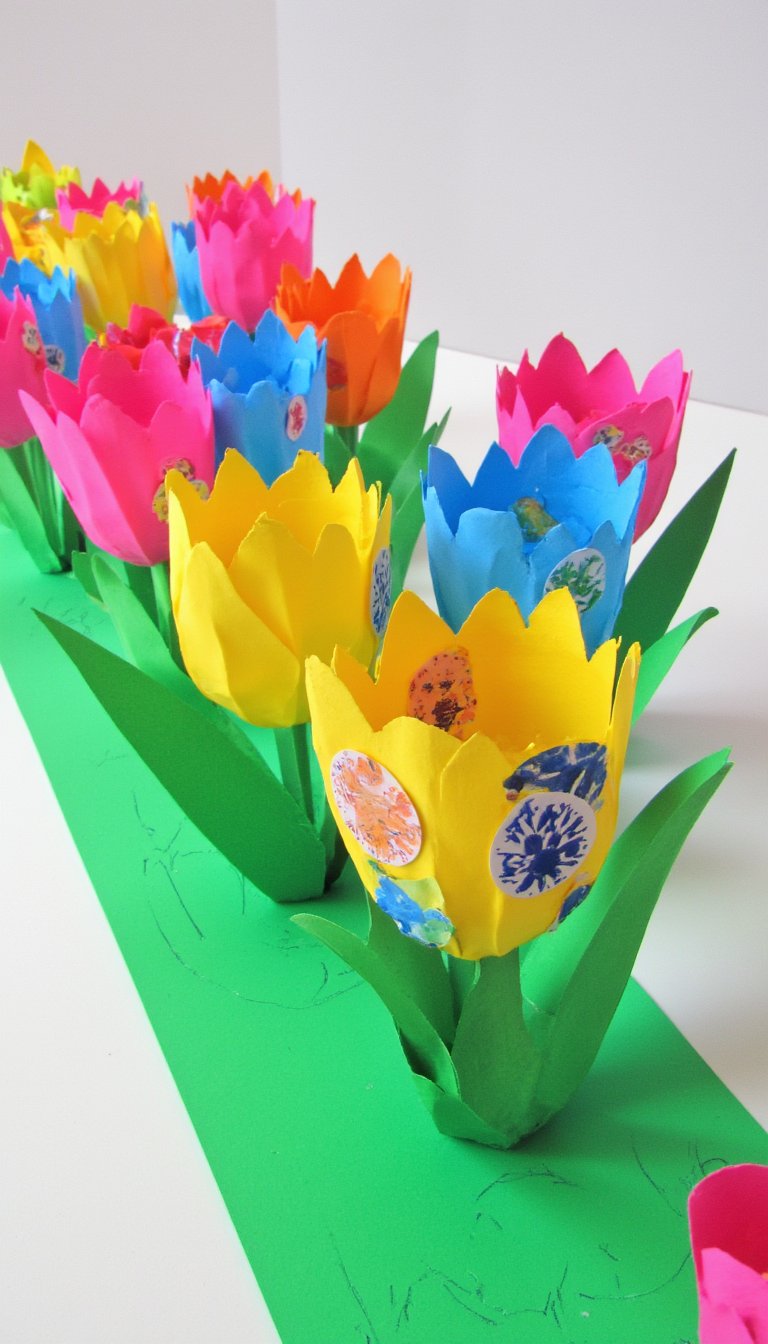
Turn a whole wall into a spring spectacle! This is the ultimate collaborative elementary art project. Each child gets a large piece of construction paper to cut out a simple tulip shape (a U-shape with a pointy top is easy for all ages).
Let them decorate their tulip with scraps, patterns, or stickers. Then, “plant” them on a long strip of green paper with stems and leaves. The result is a stunning, community-made garden that celebrates everyone’s unique style.
6. Upcycled Bottle Cap Stamp Flowers

Got a collection of plastic bottle caps? Put them to work! This project is all about recycling and repetition. Use different sized caps as stamps. Dip the rim in paint to create perfect flower centers and petals.
Kids can build layered, colorful blooms by stamping in circles. Add painted stems and grass afterward. It’s low-cost, endlessly creative, and the perfect size for making a cheerful spring card.
7. Windy Day Kite Collage
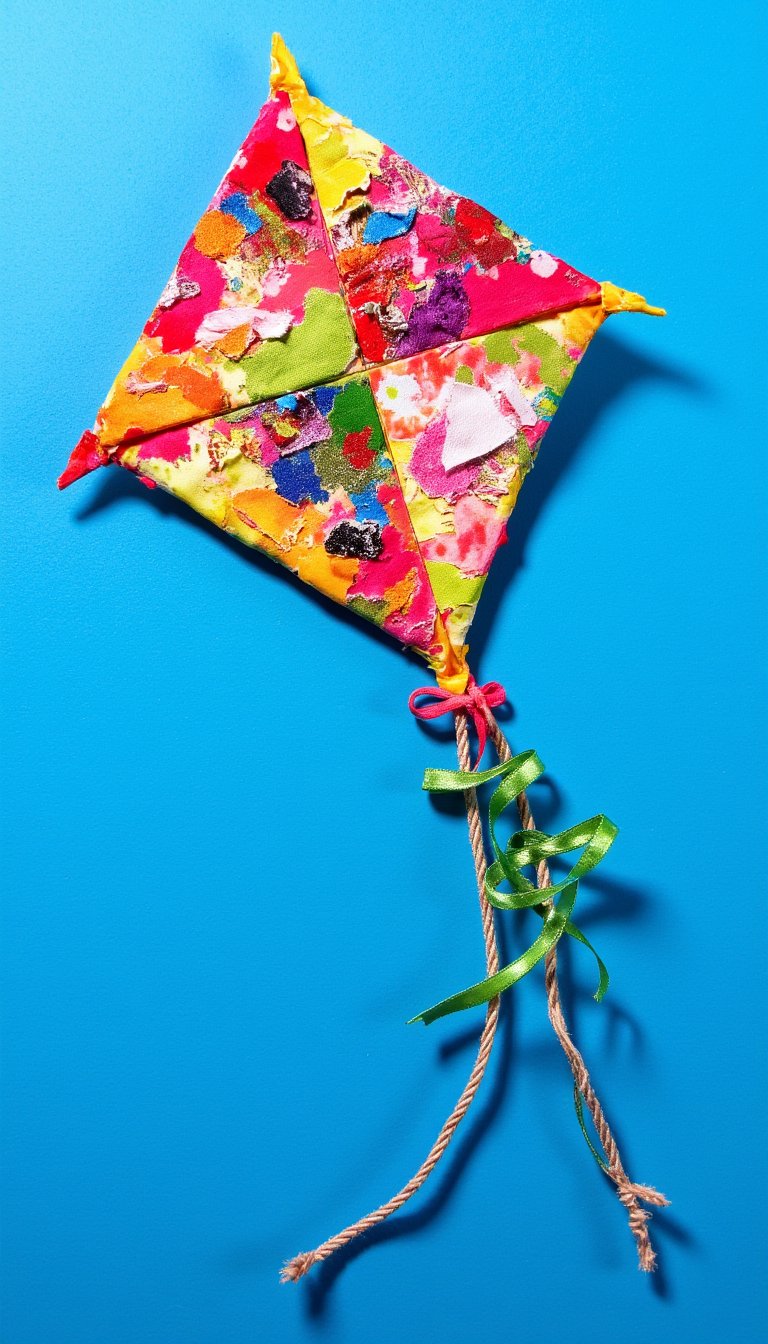
Capture the blustery joy of spring with a mixed-media collage. Provide kids with fabric scraps, patterned paper, ribbons, and string. Their mission: design the most amazing kite they can imagine.
They glue their kite masterpiece onto blue paper and then add curly ribbon or yarn tails. Finally, they can draw themselves holding the string, with cheeks puffed out, blowing the wind! It’s full of personality and texture.
8. “Bird’s Eye View” Nest Sculptures
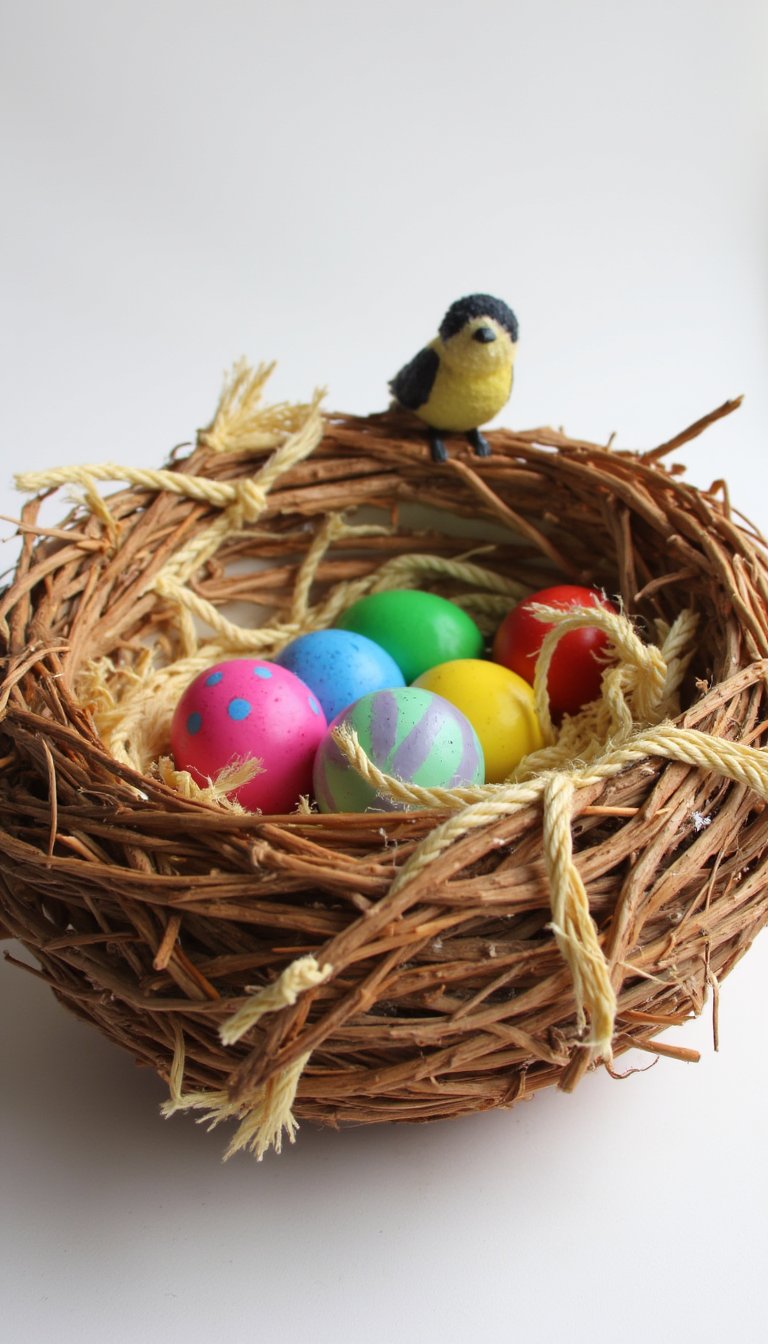
Let’s look at spring from a bird’s perspective! Grab a small paper bowl or plate as the base of the nest. Kids can glue on shredded brown paper, twigs, yarn, and raffia to build a textured, cozy nest.
Then, they add a few painted or craft foam eggs. Want to up the cuteness factor? A little painted bird peeking over the side does the trick. This project is a wonderful study in form and building layers.
9. Chalk Pastel Rainbow Rain Clouds
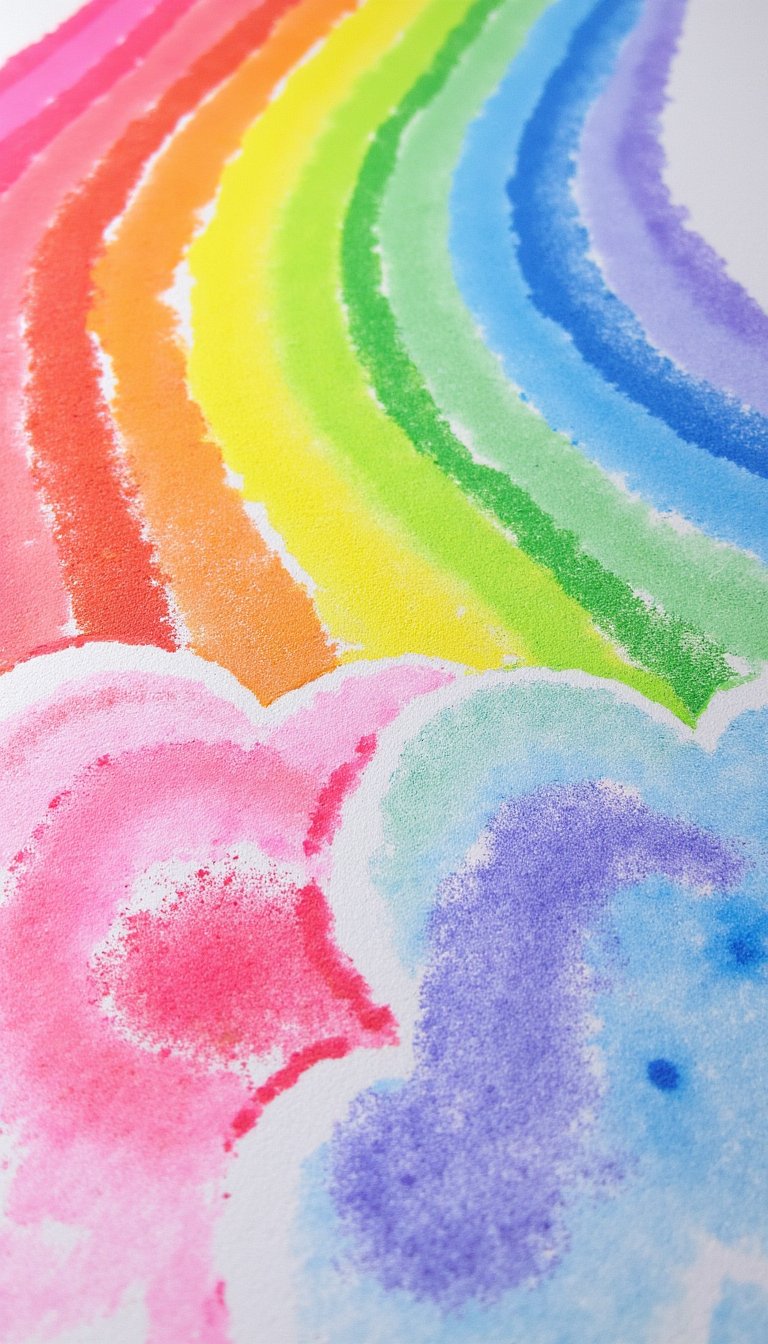
Chalk pastels are messy, vibrant, and kids are obsessed with them—a winning combo. Start by having them draw a fluffy cloud shape with white pastel. Then, from the bottom of the cloud, they draw sweeping, colorful rainbow lines downward.
The best part? Using their fingers to gently smudge and blend the colors. The soft, ethereal effect is pure spring magic. A quick spritz of hairspray (by an adult!) keeps the masterpiece from smudging.
10. Paper Plate Sun Weaving

This activity is a fantastic fine-motor skill workout disguised as fun. Cut notches around a paper plate and paint it yellow. This is the sun’s face. Then, kids weave long, bright yellow and orange paper strips through the notches to create the sun’s rays.
They can add a happy face in the center. When they’re done, they have a radiant, textured sun that literally took shape between their fingers. Major satisfaction guaranteed.
11. Sponge-Painted Caterpillars & Butterflies

Get out the sponges and clothespins for an easy, no-brush painting party! Clip a small piece of sponge with a clothespin to make a handy dandy paint holder. Kids can stamp a line of colorful circles to create a cheerful caterpillar.
On another paper, they can stamp symmetrical wings to create a butterfly. It’s a perfect side-by-side project showing metamorphosis. Simple, bright, and oh-so-satisfying to stamp.
12. Q-Tip Pointillism Dandelions

Introduce your young artists to a classic technique with a spring twist! Pointillism—creating images with tiny dots—is ideal for fluffy dandelions. Kids paint a green stem, then use a Q-tip to dot a yellow circle for the flower head.
On another dandelion, they can use a white Q-tip to show the puffball stage, with some white dots “floating” away. It’s a focused, almost meditative project with gorgeous results.
The Secret Benefit:
This is an excellent project for building focus and patience. The slow, dot-by-dot process is incredibly calming.
13. 3D Cardboard Rainbow Mobile
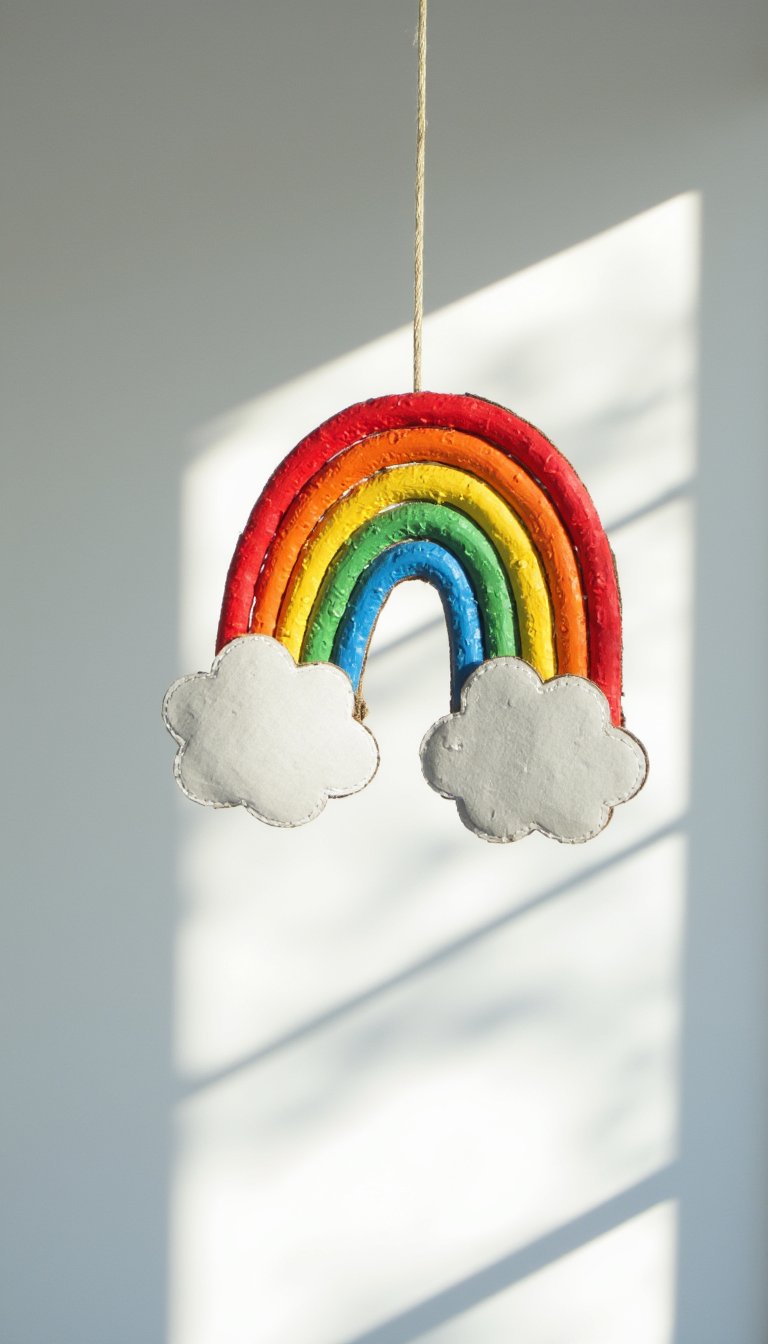
Take rainbows to the next dimension! Cut simple cloud shapes from cardboard. Then, kids can paint and glue arched strips of colored paper or cardboard to create a rainbow that pops right off the cloud.
Punch a hole at the top, add some string, and hang these cheerful mobiles from the ceiling. They cast lovely shadows and make the whole room feel like spring. Engineering meets artistry!
14. Leaf & Flower Hammer-Print Nature Journal

This one is a bit noisy and 100% unforgettable—a true crowd-pleaser. Go on a nature walk to collect fresh leaves and small flowers. Place them on watercolor paper, cover with a paper towel, and let kids gently hammer over them.
The natural pigments transfer onto the paper, creating stunning, detailed prints. Bind a few of these pages together with yarn to make a beautiful nature journal cover. Science, art, and a little controlled chaos. 😉
15. Painted Rock Garden Markers

Combine art with a practical purpose! Find smooth, flat rocks. After washing and drying, kids can paint them to look like vegetables: a red rock for tomatoes, an orange one for carrots, a purple one for eggplant.
Use a permanent marker to label them. These make adorable, weatherproof markers for a school garden or home vegetable patch. It’s art that works!
And there you have it—15 spring art projects to keep those elementary hands busy, minds engaged, and walls colorful. The best part? These activities aren’t just about making a cute craft. They’re sneaky lessons in science, symmetry, texture, and color theory. They build fine motor skills and creative confidence.
So, grab the supplies that speak to you, embrace a little glitter (or maybe keep that outside!), and dive into the season. Which project will you try first? Your future Picasso (or maybe future botanist!) is ready to create.