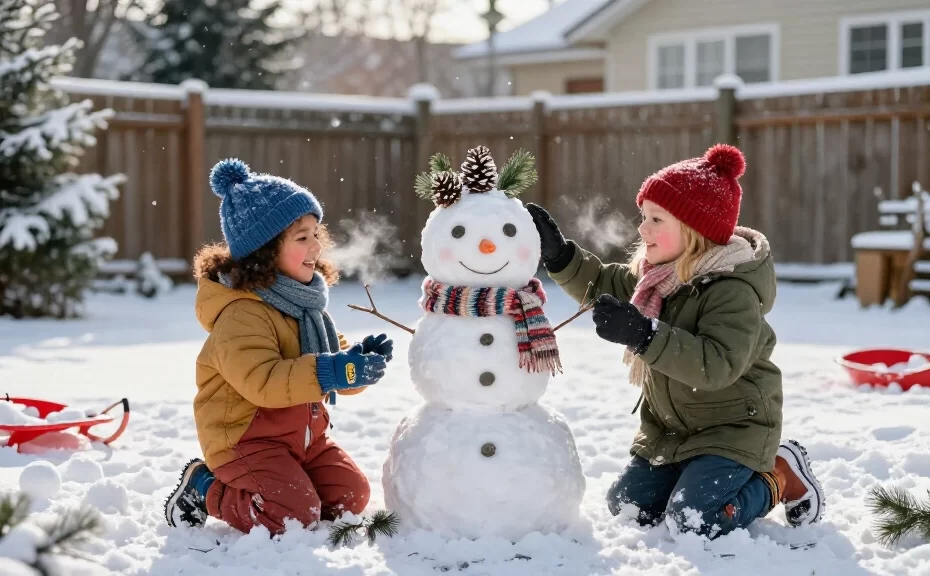
Fresh snow can turn a backyard into an art studio, a science lab, or a tiny kingdom with a mittened ruler. You don’t need expensive gear or a picture-perfect snowman to make the day memorable.
These 14 snow activities for kids give children plenty of ways to play and explore, whether a deep snowfall covers the yard or you have just enough to fill a tray. Grab the mittens, keep dry socks handy, and save some hot chocolate for when everyone comes back inside.
1. Build a snow creature with a personality
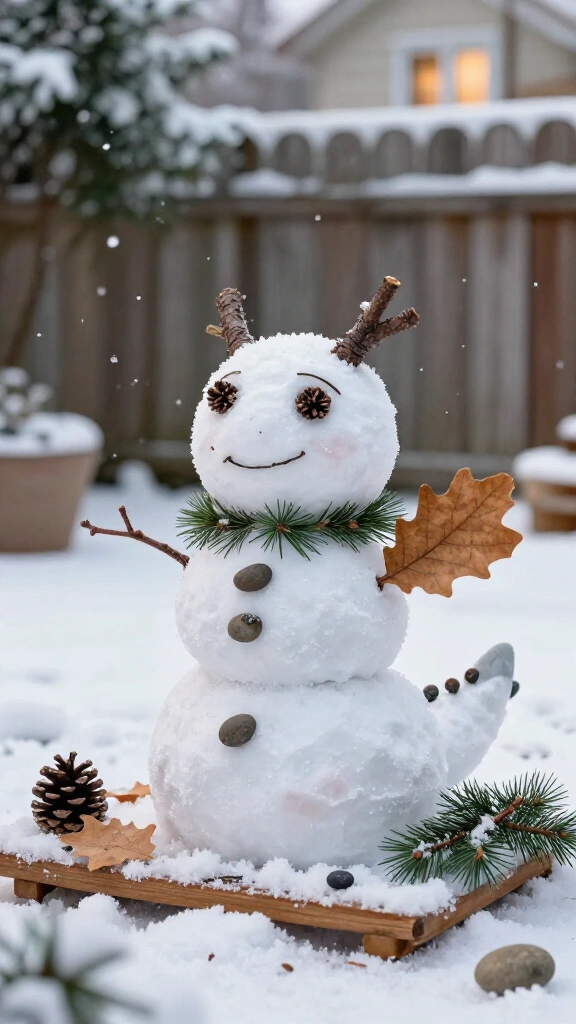
Give the usual snowman a break. Kids can stack snowballs into an owl, dragon, sleepy bear, or lopsided monster. They can use fallen twigs, leaves, and pinecones for the face and other details, then invent a name and a backstory.
Best snow: Slightly wet, packable snow sticks together more easily than dry powder. If the snow won’t cooperate, try making a small creature on a tray instead of tackling a giant one.
Choose natural decorations when you can, and collect any other accessories before fresh snow covers them. Nobody wants to find a plastic eyeball in the garden next spring.
2. Paint the snow with colorful water
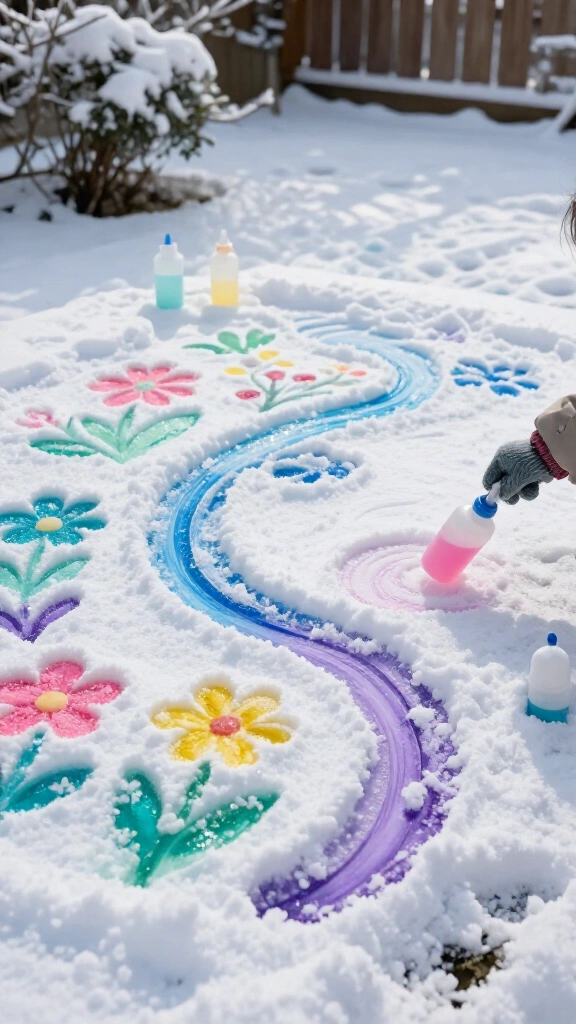
Find a clean patch of snow and turn it into an outdoor canvas. Fill spray or squeeze bottles with water, add a few drops of food coloring, and let kids draw flowers, winding roads, or enormous squiggles. Older children can experiment with overlapping colors.
Start with a little coloring and add more as needed. Food coloring can stain clothing and surfaces, so use old mittens, avoid walkways and light-colored furniture, and keep the artwork away from places where pets might eat the snow.
Cold fingers can have trouble with spray triggers, so offer younger artists squeeze bottles instead. You can also bring a shallow tray of snow indoors for a short, supervised session.
3. Make snow angels and give them silly names
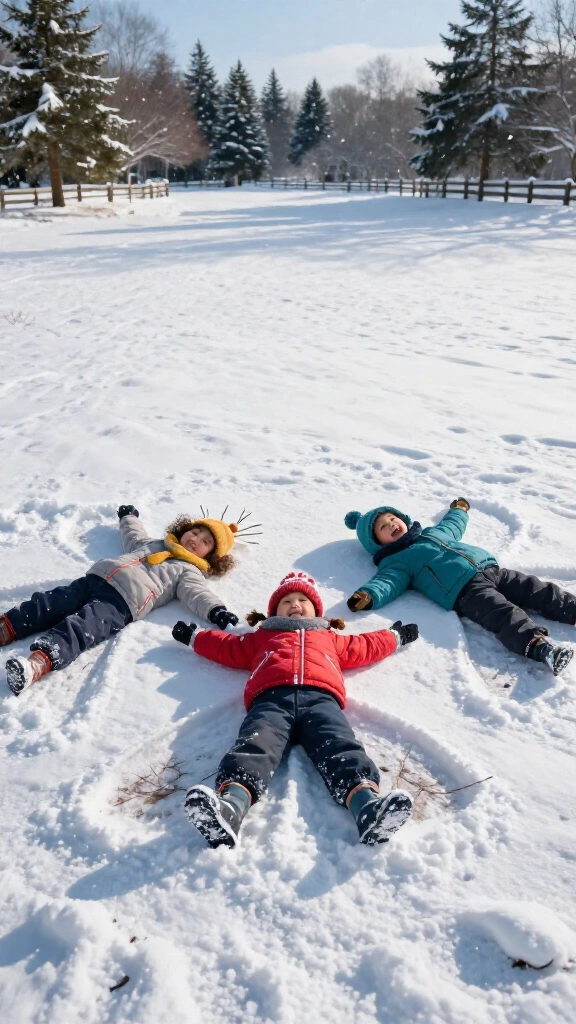
Find a flat patch of snow without obstacles. Show kids how to lie down and sweep their arms and legs outward, then help them stand without stepping into their designs. Take a moment to admire the fluttery shapes. One of them might look like a Captain Flapjack.
Make a whole family of snow angels and compare their wingspans. Kids can add twig hair or make footprints around the angels to create a snowy scene.
Safety check: Avoid snow that hides rocks, ice, sticks, or other hazards. Waterproof outerwear helps everyone stay comfortable longer.
4. Create a snowy treasure hunt
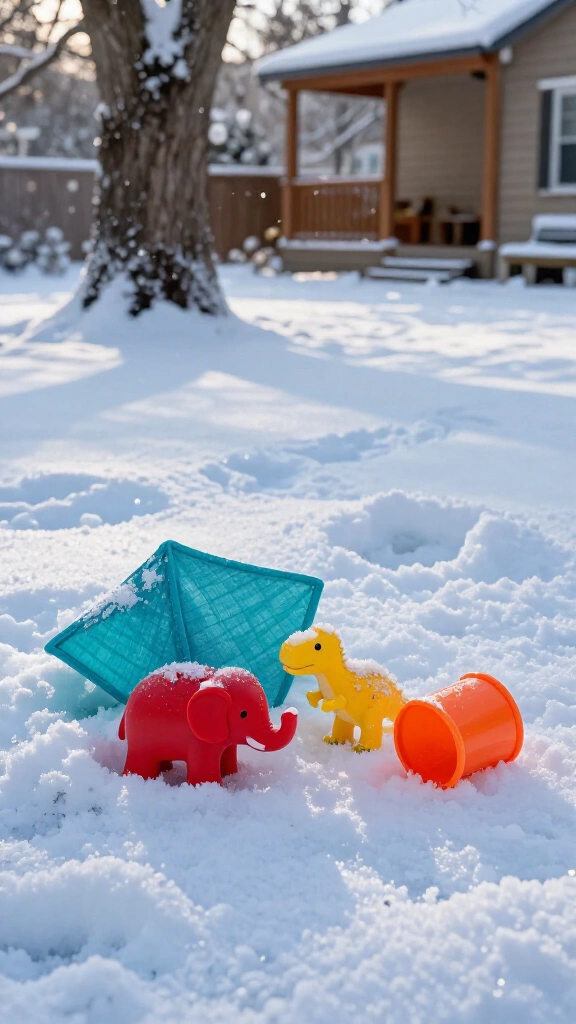
Hide a few brightly colored objects in a small snowy play area, keeping them easy to find. Large toy animals, colorful fabric squares, and sturdy plastic cups all work well. Tell kids how many treasures to find, and offer clues such as “near the big tree” or “beside the porch.”
For older children, draw a simple treasure map with landmarks they can recognize. For toddlers, keep the objects visible and close together so they can enjoy the search without getting frustrated.
Count every item at the end and bring it indoors. Skip coins, marbles, and other small objects that young children could put in their mouths.
5. Set up a snow kitchen
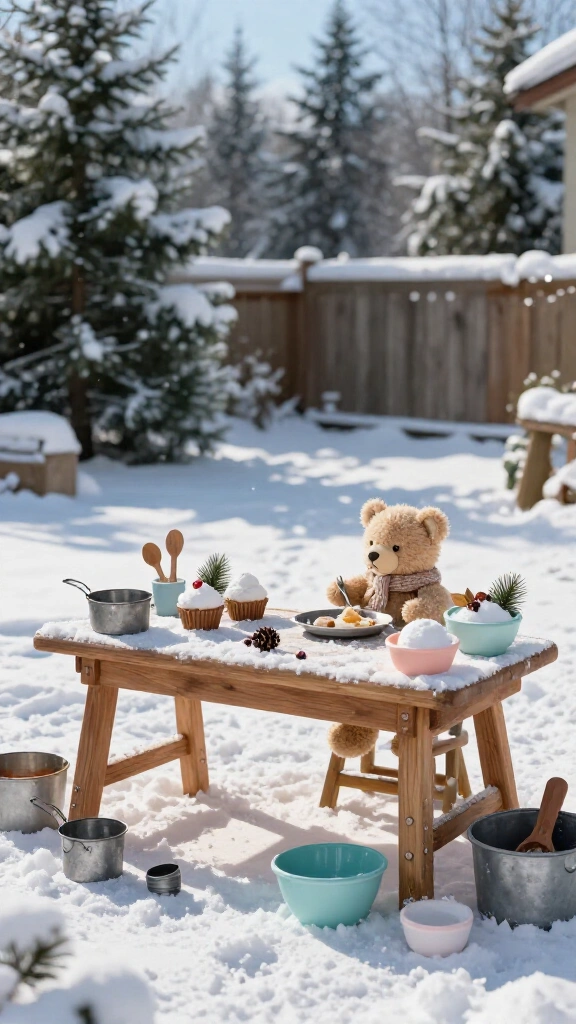
Raid the kitchen for old measuring cups, mixing bowls, spoons, and muffin tins. Kids can scoop snow into “cupcakes,” serve imaginary ice cream, or prepare a five-course dinner for a demanding snow teddy. A sturdy outdoor table or an upturned storage bin makes a handy counter.
As children play, they can compare sizes, practice pouring, and invent stories about their meals. Add pinecones or leaves for decoration, but remind younger cooks that snow food stays on the menu, not in their mouths.
For more cold-weather ideas for little ones, try these winter activities for toddlers when your youngest family members need a gentler pace.
6. Follow animal tracks like a winter detective
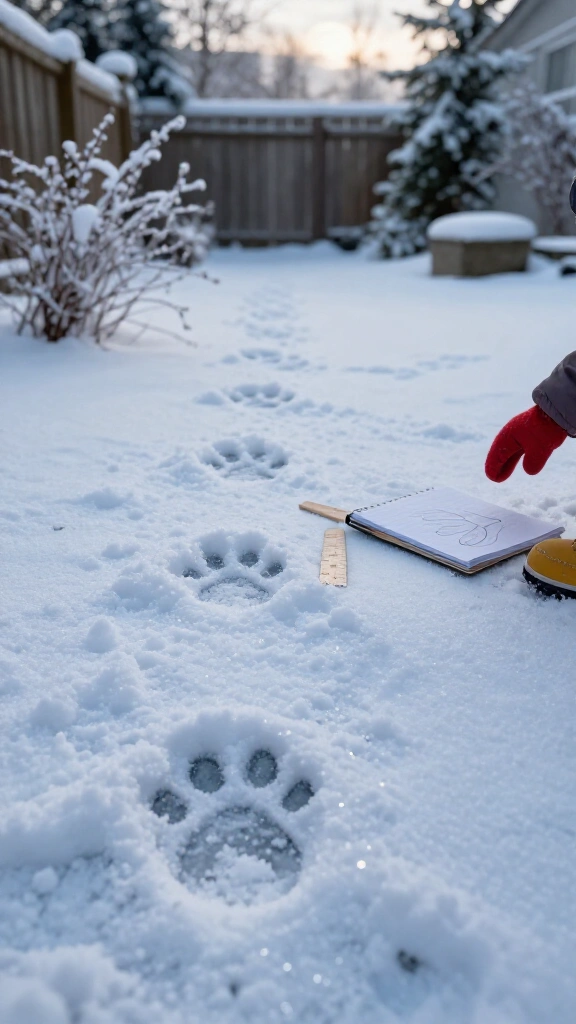
Head into the yard or along a familiar, safe path and look for footprints in fresh snow. Kids might spot a dog’s paw prints, a bird’s delicate marks, or the tracks their own boots leave behind. Ask them to guess where each trail starts and ends.
Bring a ruler to compare the sizes of different prints, or sketch a favorite track in a notebook. Check a reliable local wildlife guide before identifying an unfamiliar track with certainty. Snow and melting can change its shape.
Keep a respectful distance from wildlife, and never follow tracks onto roads, thin ice, or unfamiliar property. You can pick up the mystery another day.
7. Build a mini snow fort
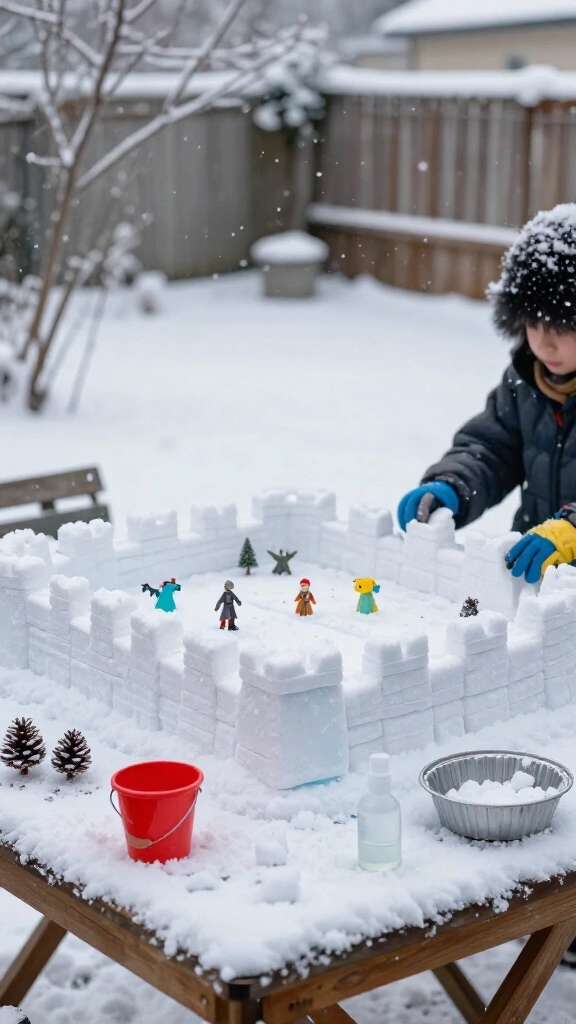
Pack snow into small buckets or loaf pans, then flip them over on a flat surface to make blocks. Kids can arrange the blocks into a low wall, a castle for toy figures, or a tiny village with winding paths. When temperatures stay below freezing, a spray of plain water may help the outside freeze more firmly.
Keep structures small and open. Snow walls and tunnels can collapse, so children should never dig enclosed snow caves or build beneath snowbanks, roofs, or piled snow. An adult should supervise construction and knock down unstable walls.
For a quick design challenge, ask the builders to include a gate, a courtyard, and a snowball throne. They can decide whether the royal residents need snacks.
8. Try a snowball target toss
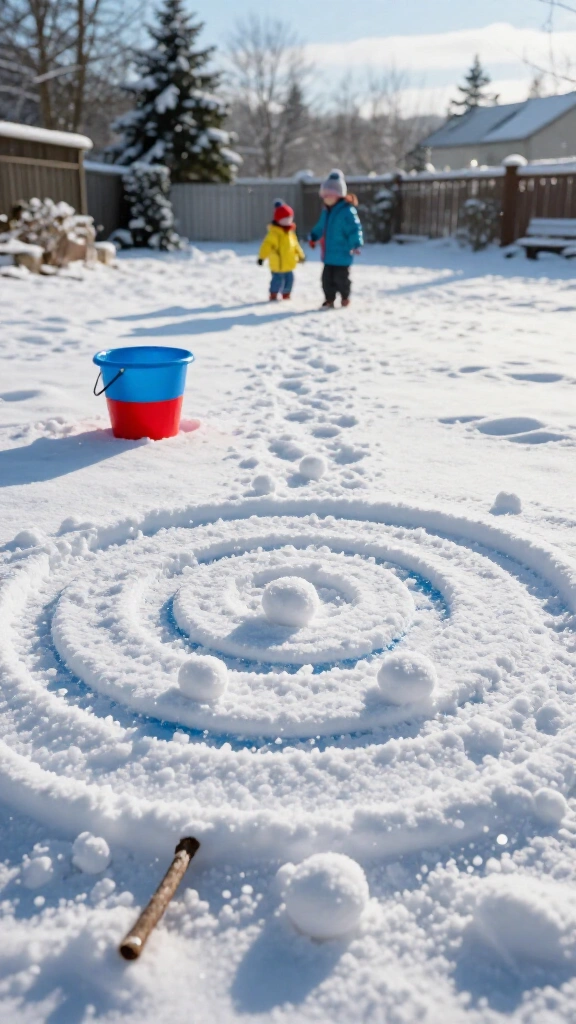
Draw a large target in the snow with a stick, or set up an empty bucket a comfortable distance away. Kids can make soft snowballs and take turns aiming for the center. Move the target closer for younger players and farther away for children who want a challenge.
Keep the game friendly by aiming at targets, not people or animals. Check snowballs for ice, stones, and debris, and skip hard-packed balls entirely.
For a little math practice, give each target zone a point value and let kids add their scores. You don’t have to tell them they’re practicing arithmetic on a snow day.
9. Make colorful ice ornaments
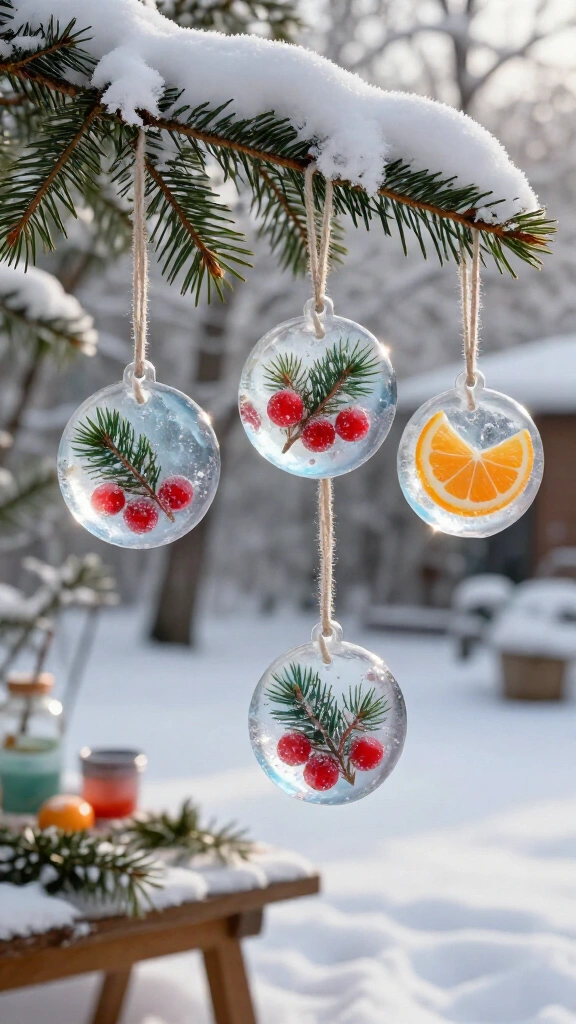
Fill shallow containers with water and decorate them with berries, evergreen clippings, or thin citrus slices. Place a loop of string in each container with the ends under the water, then leave the containers outdoors when temperatures stay below freezing. Once the water turns solid, loosen each ornament and hang it from a sturdy branch.
Check that the ice holds the loop in place before you hang the ornament. Choose a low branch that children can reach safely, and bring the string indoors after the ice melts.
After the ornaments come down, explore these DIY winter decorations for more seasonal ideas. You can keep decorating long after the holidays end.
10. Explore how snow melts
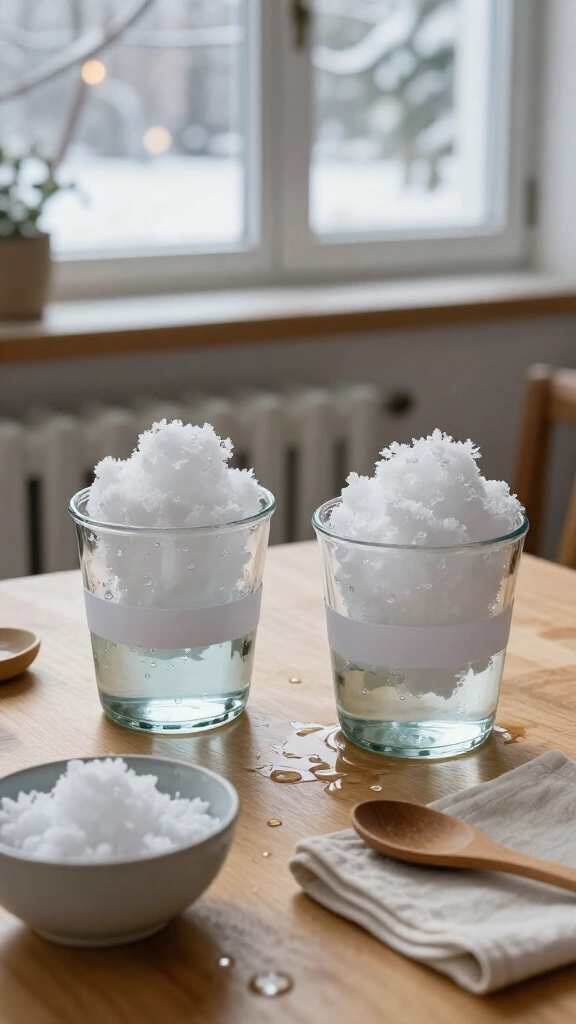
Bring a small bowl of clean snow indoors and ask kids what they think will happen. Mark the snow level on a clear container, let the snow melt, and compare the water level with the original fluffy pile. The difference gives children a chance to talk about the air spaces between snowflakes.
Try placing equal amounts of snow in two containers. Put one in a warmer room and the other in a cooler spot. Check them regularly and discuss which melts first. Keep the activity simple, and treat the result as an observation rather than a perfectly controlled experiment.
Remind children not to drink the meltwater. If your family enjoys weather questions, these weather crafts for kids offer more creative ways to explore the forecast.
11. Play freeze-and-find with colorful toys
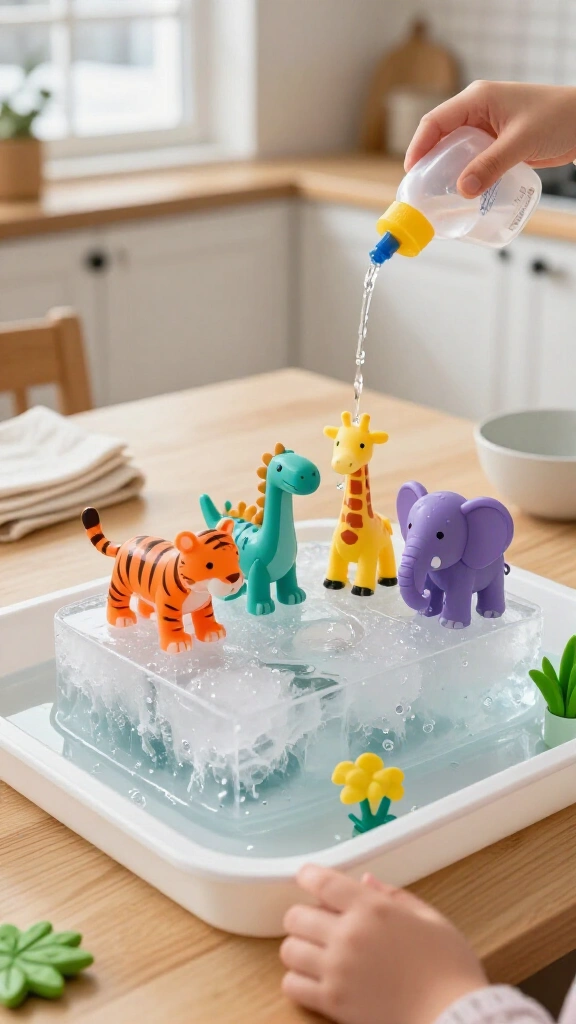
Add a few large, washable toy animals to a bowl of water and freeze it overnight. The next day, place the ice block in a shallow tray and challenge kids to free the animals with warm water, squeeze bottles, and their hands. Little rescuers often take this job very seriously.
Use water that feels comfortably warm, never hot, and supervise closely. Avoid glass containers, sharp tools, and tiny toys that could pose a choking risk. Check toy labels first, since freezing and soaking can damage some materials.
Set up the activity indoors on a surface you have covered with a towel, or take it outside for a brief snow break. Kids can watch how water changes the ice as they play.
12. Design a snow maze
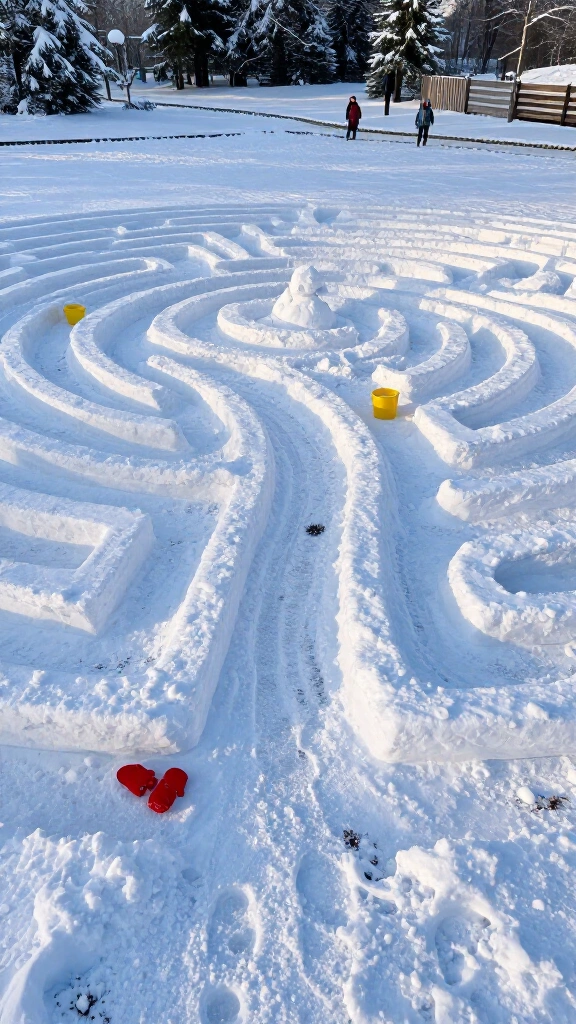
Use boots to stomp a network of paths through a flat patch of snow. Create a clear starting point and finish line, then add a few twists, dead ends, or silly destinations. Kids can walk the maze themselves or guide a toy along a miniature version.
Keep paths wide and easy to see, especially for younger children. Choose level ground away from roads, ponds, steep slopes, and hidden obstacles, and avoid running on slippery surfaces.
Once everyone solves the maze, let the kids redesign it. Adults might struggle to make sense of the new version, but the kids will probably have a great time making it.
13. Catch and examine snowflakes
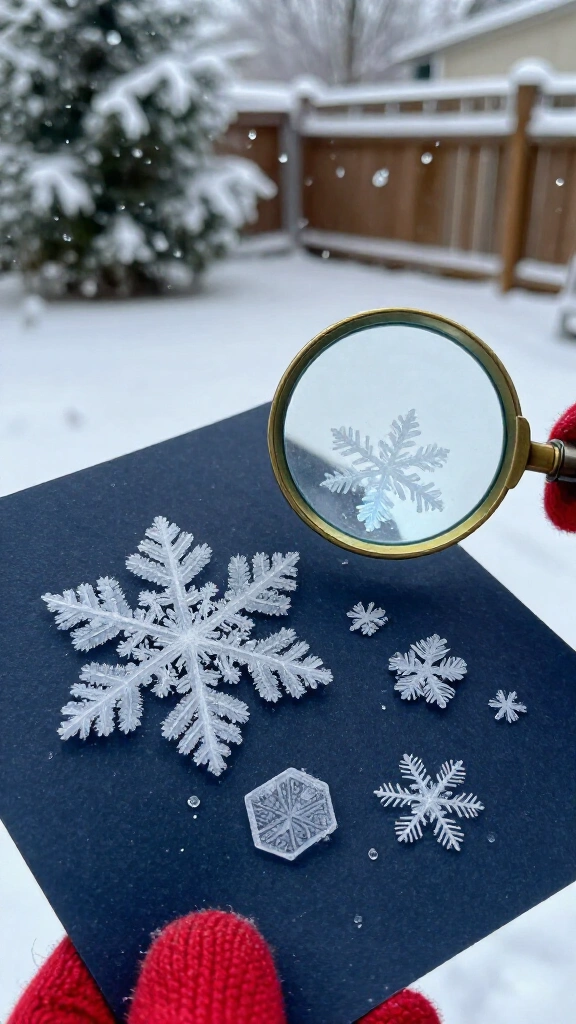
On a snowy day, place a dark piece of fabric or construction paper outdoors for a few minutes to cool it down. Catch falling flakes on the surface and look closely with a magnifying glass. The delicate shapes can melt quickly, so take a good look while they last.
Ask kids to describe what they see. They might notice branches, points, or clumps of crystals. Don’t expect every flake to look like a perfect storybook decoration. The differences make a closer look worthwhile.
When fingers need a break, head inside and cut paper snowflakes inspired by the real thing. These winter crafts for elementary-age kids offer more projects for indoors.
14. Go sledding on a safe hill
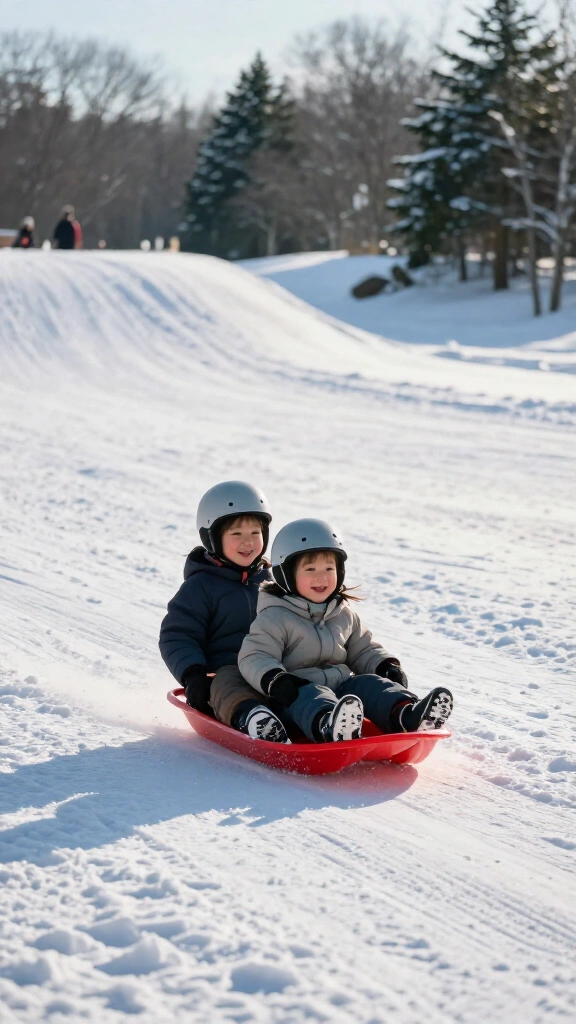
A gentle sledding hill can give a family plenty to talk about after a snowy afternoon. Choose a slope with a long, flat runout and plenty of space away from traffic, trees, fences, water, and crowds. Walk the route first to check for ice, bare patches, and obstacles.
Kids should sit facing forward rather than lie headfirst, and an adult should supervise. The American Academy of Pediatrics’ winter safety guidance also recommends helmets for sledding. Use a helmet that fits properly and, when possible, choose a steerable sled rather than an inflatable tube.
Take turns, keep the bottom of the hill clear, and walk back up along the side. If the slope feels too fast or crowded, pick another activity. The snow kitchen never complains about a change of plans.
Make snow-day fun safe and comfortable
Before heading out, dress kids in warm layers, waterproof outerwear, a hat, mittens, and boots. Check the weather and wind chill, watch for wet clothing or signs that someone feels too cold, and take frequent breaks indoors to warm up. The National Weather Service’s cold-weather safety guidance offers practical advice for planning around winter conditions.
Whether kids paint the snow, follow tracks, or go sledding, leave room for imagination and plenty of breaks. Pick one of these snow activities for kids, follow your child’s curiosity, and enjoy whatever they come up with, crooked snow creatures and all.