You know that feeling? You’re staring at a blank scrapbook page, surrounded by beautiful papers and photos, but your brain has decided to take a vacation. We’ve all been there. The pressure to create something “Pinterest-perfect” can completely freeze your creative flow. But what if you had a menu of fresh, doable projects to jumpstart your next session? Grab your adhesive and a favorite pen, because we’re moving past creative block. Here are 15 scrapbook design ideas and projects that are less about perfection and more about telling your story in wonderfully unique ways.
1. The “One Photo Wonder” Layout
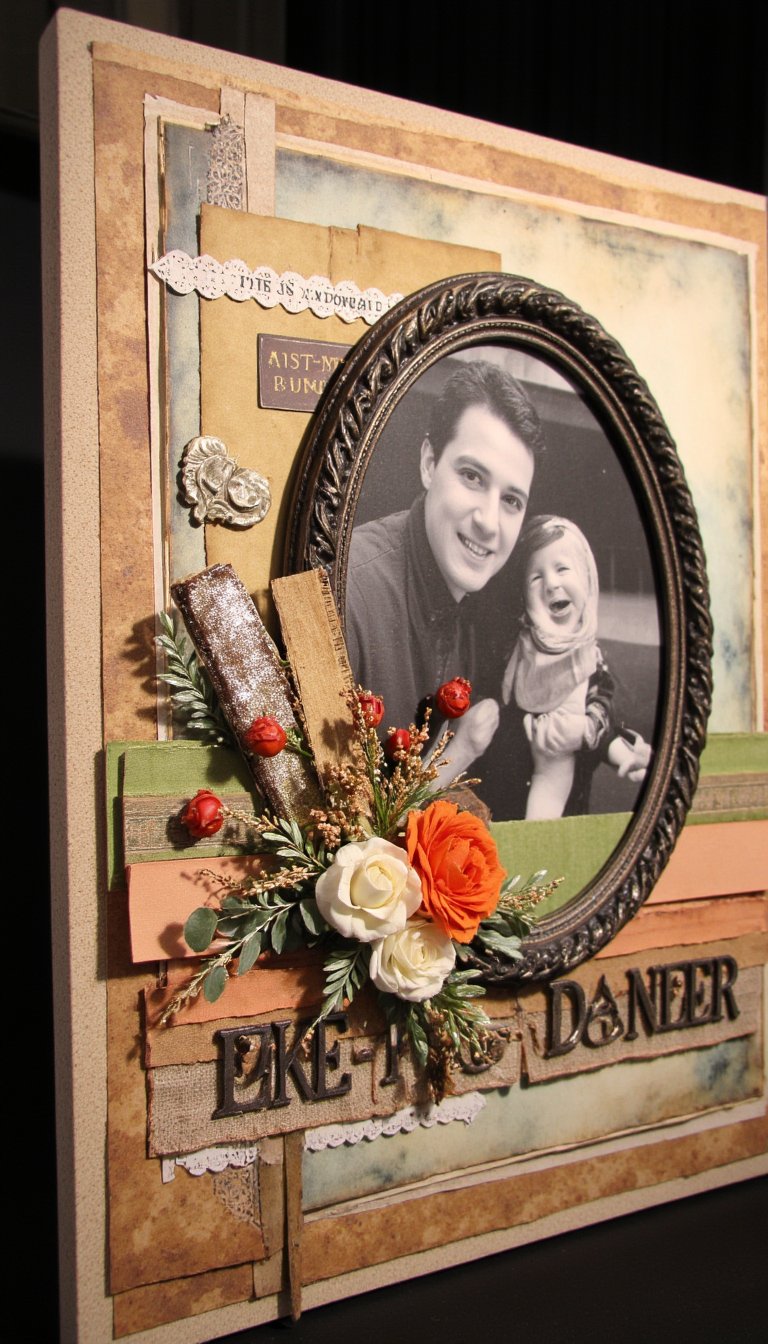
Sometimes, a single photo is so powerful it deserves the entire spotlight. This project challenges you to build a stunning layout around just one image. The key is in the supporting cast. Use layered paper backgrounds, a large, ornate frame, or a cluster of embellishments that tell the story around the photo.
Think of it like building a stage for your main character. What was happening that day? Use journaling strips, a themed title, and textures that match the photo’s mood. It’s a fantastic way to highlight a portrait, a breathtaking landscape, or that one-in-a-million candid shot.
2. Travel Ticket & Ephemera Collage
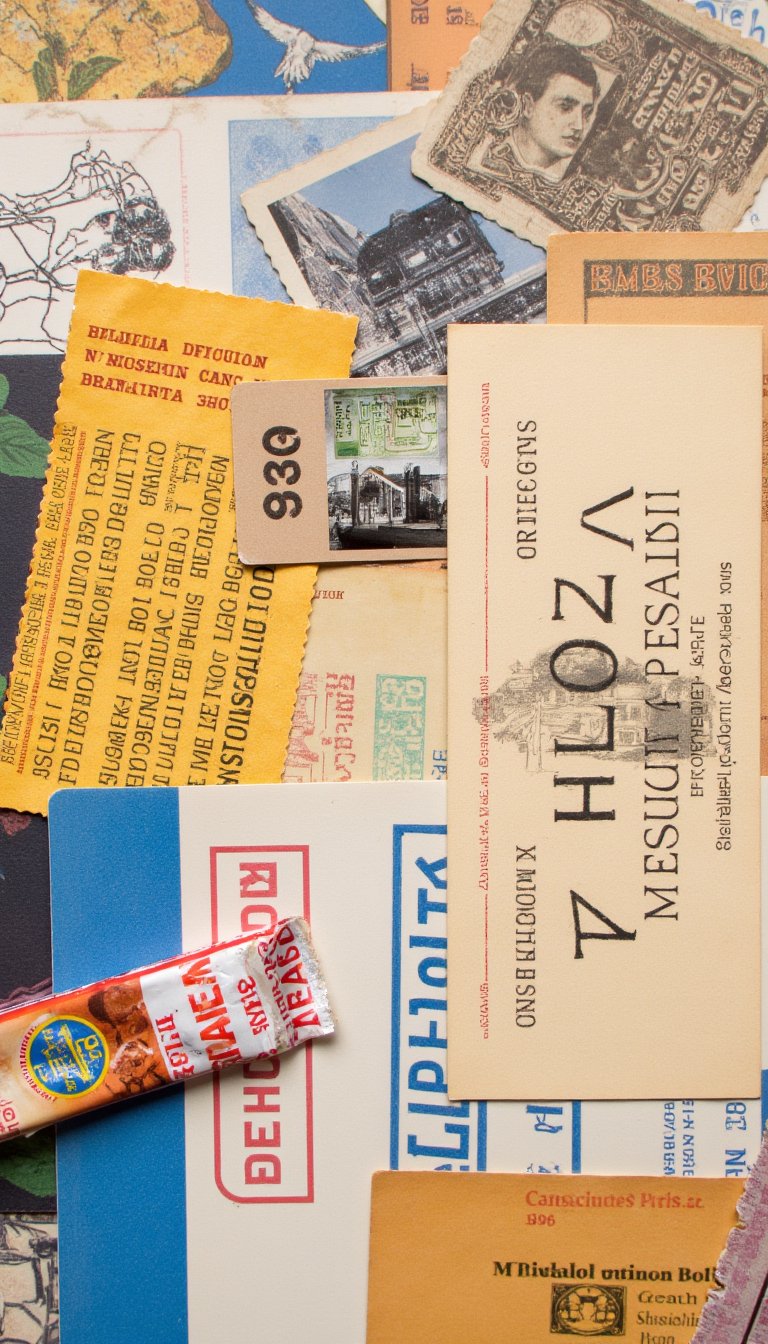
Stop letting those train tickets, museum stubs, and foreign candy wrappers gather dust in a drawer! This design idea turns your trip’s paper trail into the star of the page. Create a dynamic collage by overlapping tickets, maps, and receipts directly onto your background.
Add photos in between the ephemera layers for context. The chaotic-but-organized look perfectly captures the bustling energy of travel. Pro tip: use a craft laminator pouch (without sealing it) to flatten and protect fragile paper bits before you adhere them.
3. A Year in Review: The Gridded Calendar
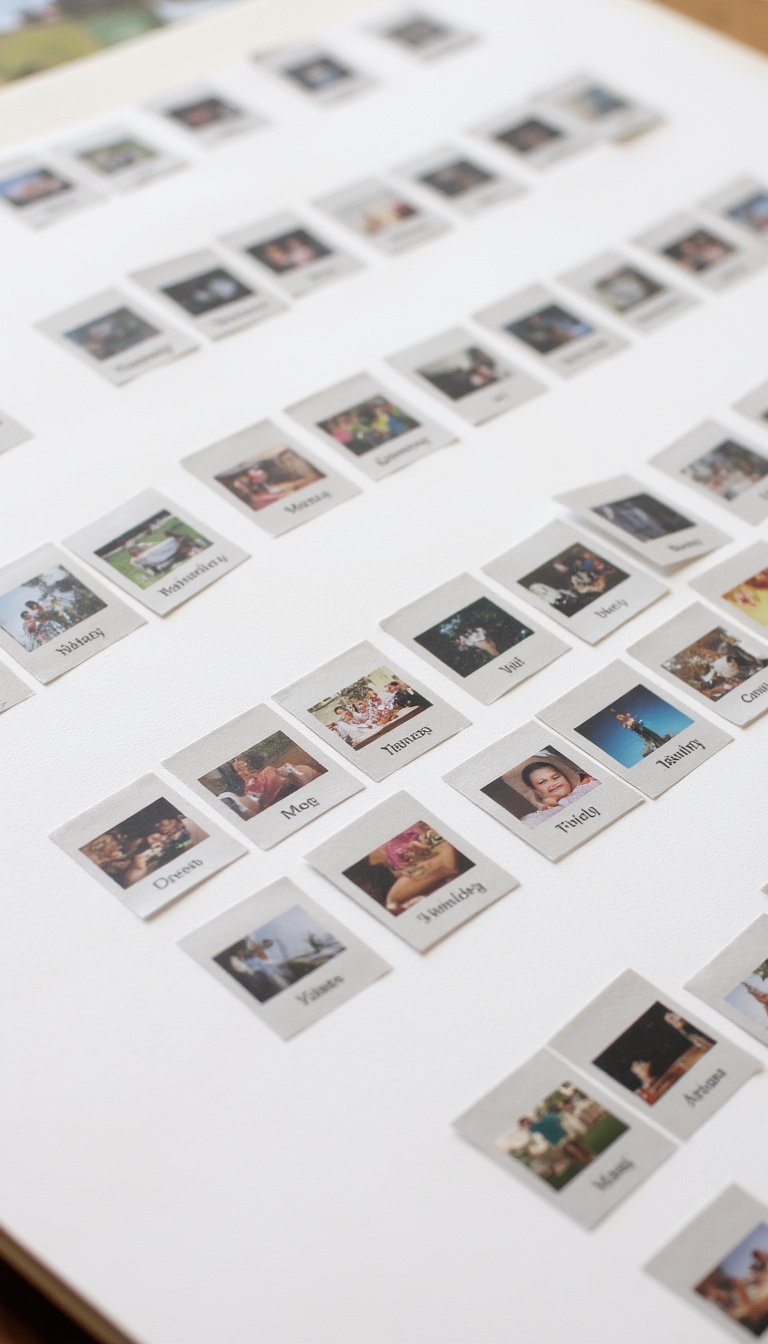
Overwhelmed by a year’s worth of photos? This project is your elegant solution. Create a grid—either 3×4 for 12 months or a more freeform pattern—and select one tiny photo to represent each month. The magic happens in the consistency.
Use uniform photo sizes and matching small captions for each cell. The overall effect is a beautiful, at-a-glance story of your year. It’s satisfyingly organized and proves you don’t need fifty photos to document a period of time effectively.
4. The Interactive Flip Book or Mini Album
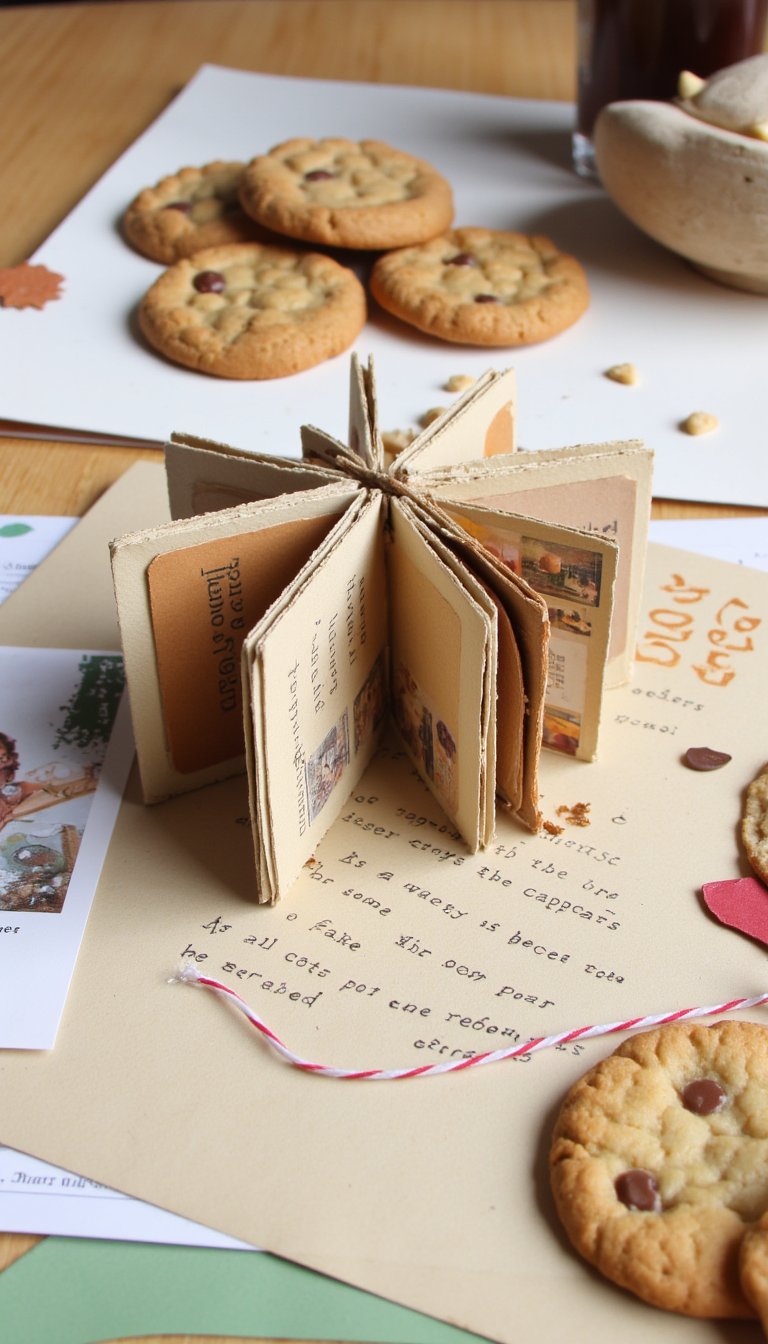
Take your scrapbook off the page—literally. Create a small, themed flip book that attaches to your layout with ribbon or a paper hinge. This mini project-within-a-project is perfect for a series of photos that tell a sequential story, like baking cookies, a nature walk, or a baby’s milestones.
It adds a delightful element of surprise and playfulness. Viewers get to engage physically with your memory-keeping, which makes the experience so much more memorable. Who doesn’t love something to flip through?
5. Monochromatic Mood Pages
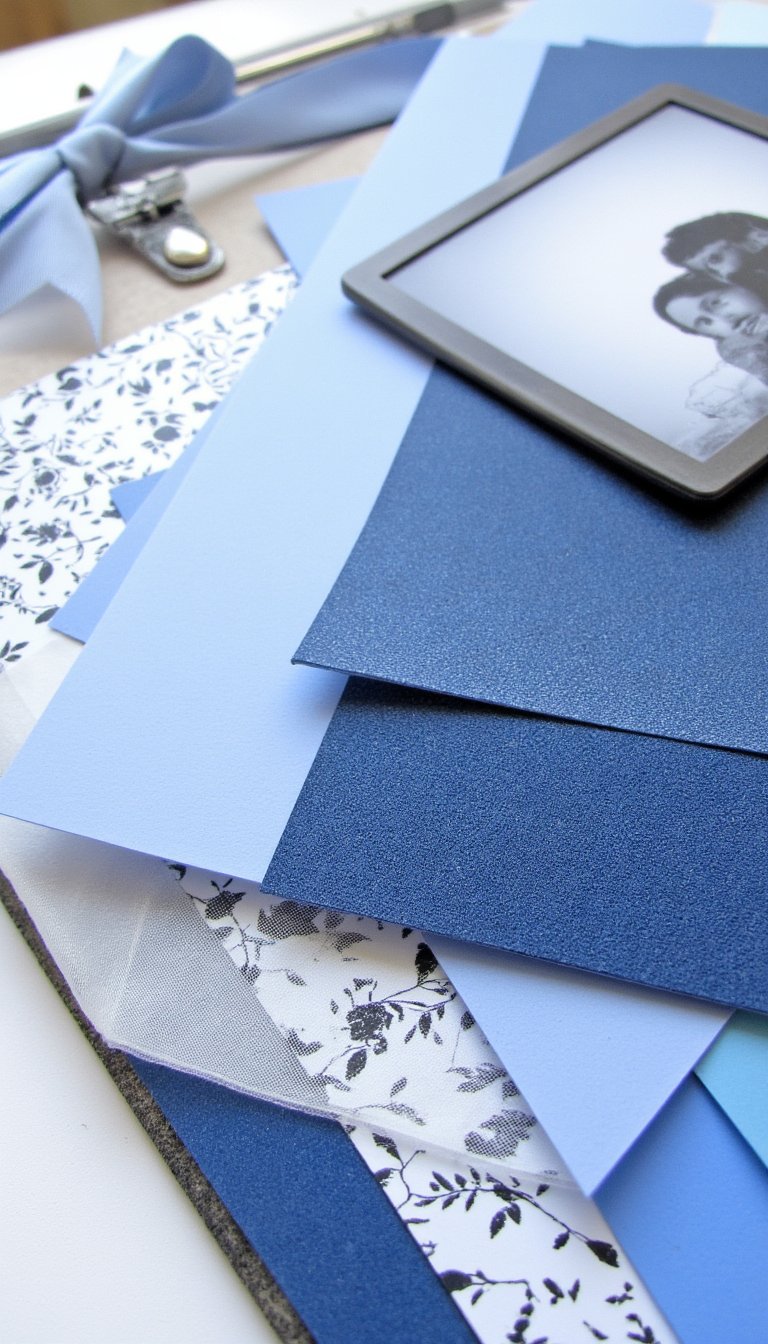
Struggling with color coordination? Give yourself a break and pick just one. A monochromatic scheme (all blues, all pinks, all greens) instantly looks sophisticated and cohesive. The challenge becomes finding variation in texture and tone instead of color.
Mix a patterned paper, a solid cardstock, vellum, and ribbon all in the same color family. Your photos will pop against the unified backdrop, and the page will feel intentionally designed, not chaotic. It’s a designer’s secret for a reason.
6. Hand-Drawn Doodles & Annotations
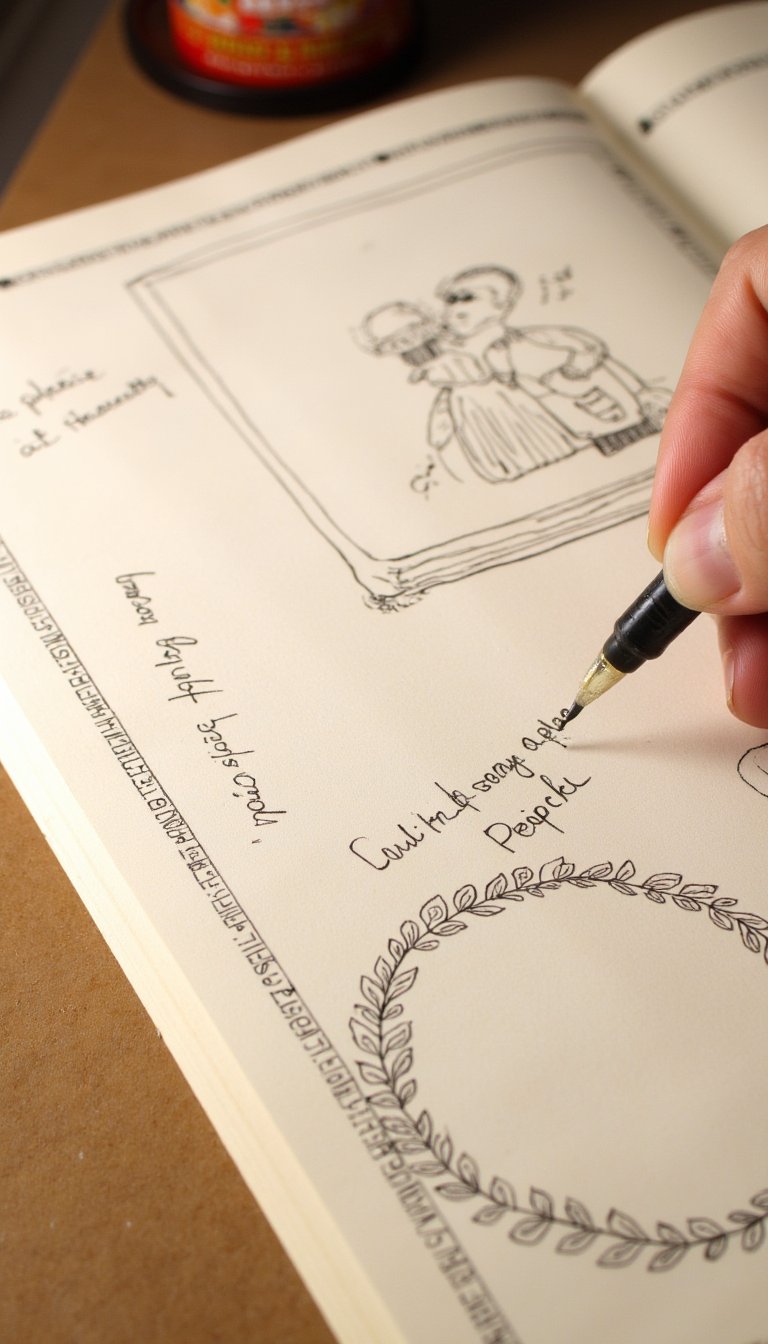
Your own handwriting and drawings are the most personal embellishments you own. Don’t be shy! Use a fine-line pen to draw borders, arrows pointing to funny details, or simple floral wreaths around photos. Annotate directly on the page like a friendly guide.
Circle your friend’s hilarious expression and write “This face!”. It’s raw, authentic, and infuses the page with your personality. This approach breaks the “precious” scrapbooking barrier and makes it feel like a lived-in journal.
7. Transparent Overlay Magic with Vellum
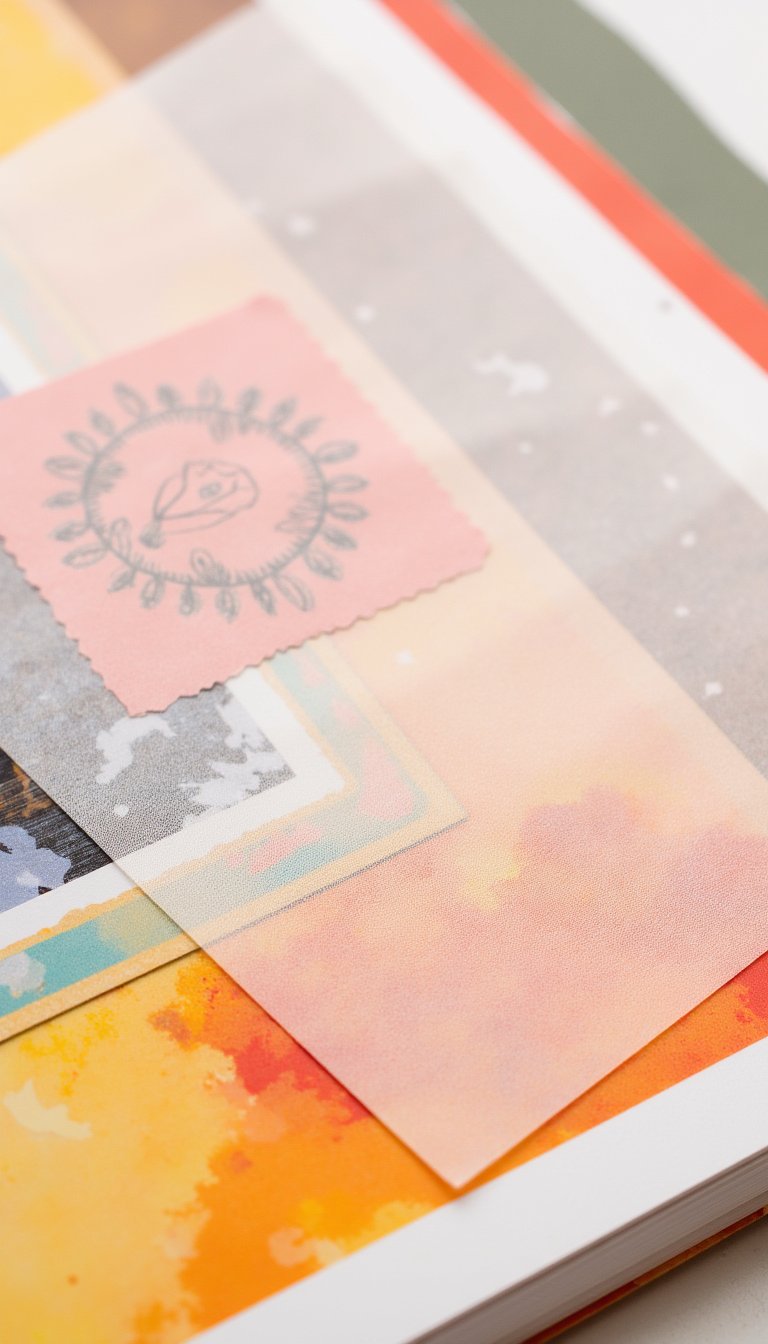
Vellum is the unsung hero of scrapbook design. Use a sheet printed with a quote or pattern as a soft overlay on a photo. Staple it, use tiny dots of glue hidden under ink, or attach it with decorative brads.
You can also journal directly on vellum and layer it over a busy background, making your words readable while still showing the design beneath. It adds depth and a touch of elegance without the bulk of another full paper layer.
8. Pocket Page & Traditional Layout Fusion
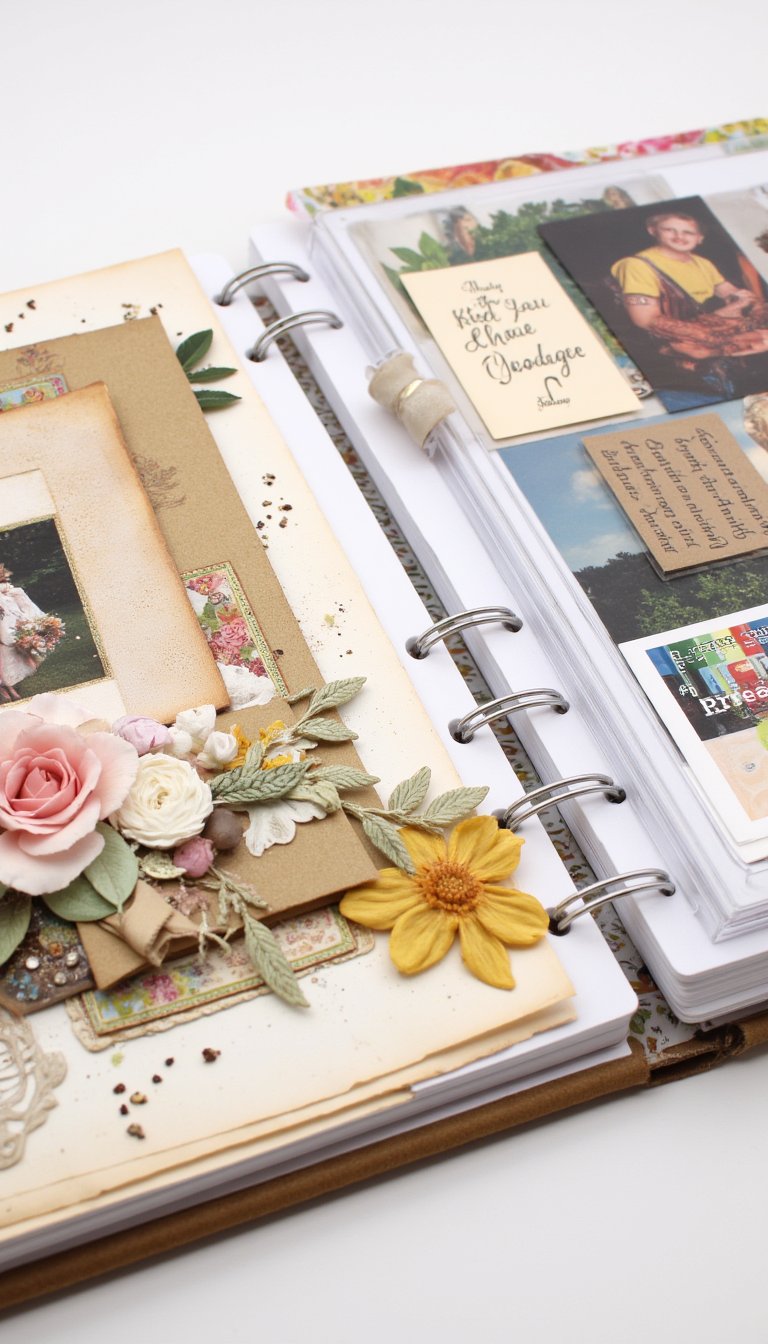
Can’t decide between the speed of pocket pages and the artistry of a traditional layout? Why not both? In one album, dedicate a two-page spread to this fusion. Create a stunning traditional layout on the left, and on the right, insert a pocket page filled with extra photos, journaling cards, and memorabilia from the same event.
It gives you the best of both worlds: a showstopper page and a place for all the “bonus” content you couldn’t bear to leave out. Problem solved.
9. Fabric & Textile Texture Play
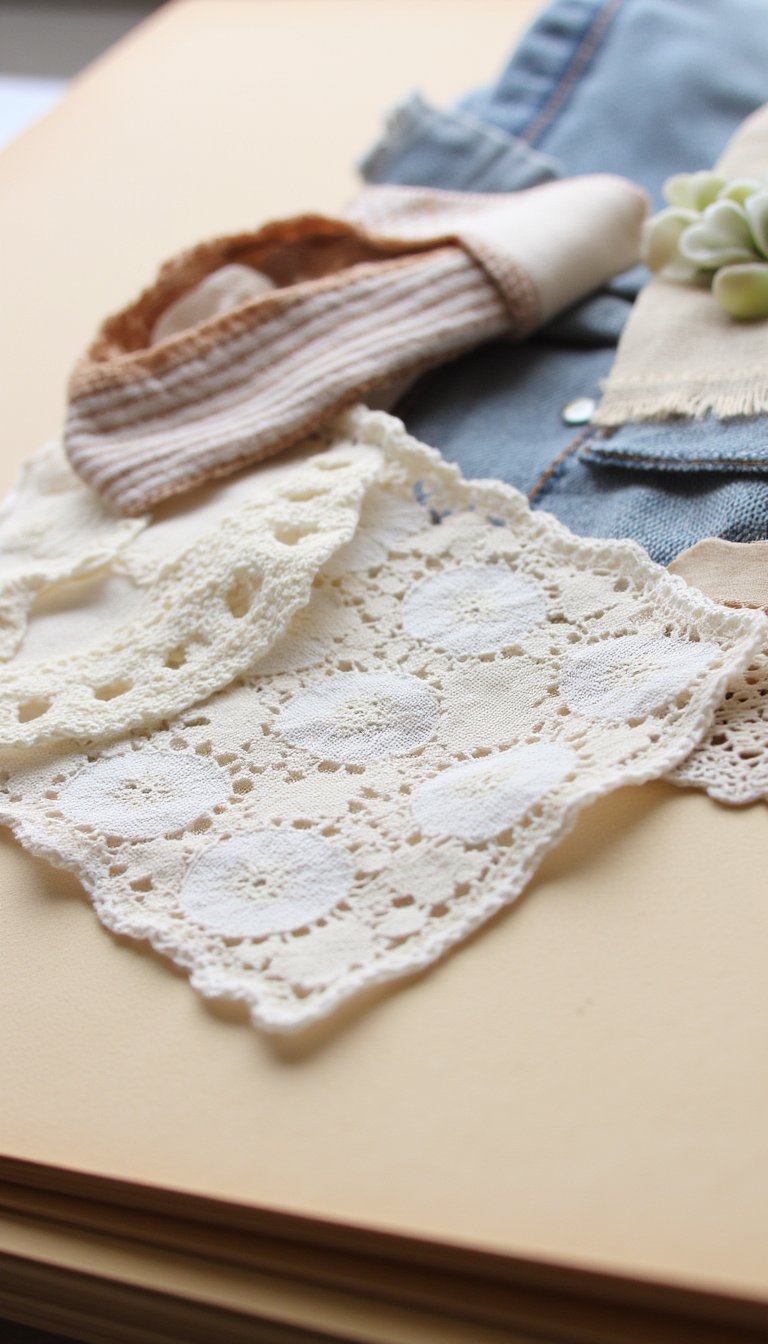
Scrapbooking isn’t just about paper. Raid your sewing box or an old clothing item. Add a swatch of lace from a wedding dress, a piece of denim from baby’s first jeans, or a bit of ribbon from a gift. These textures create incredible tactile interest.
Stitch directly onto your page with thread or use fabric glue for secure adhesion. This project makes memories literally tangible and adds a beautiful, homespun dimension that paper alone can’t achieve.
10. The “Then & Now” Comparison Spread
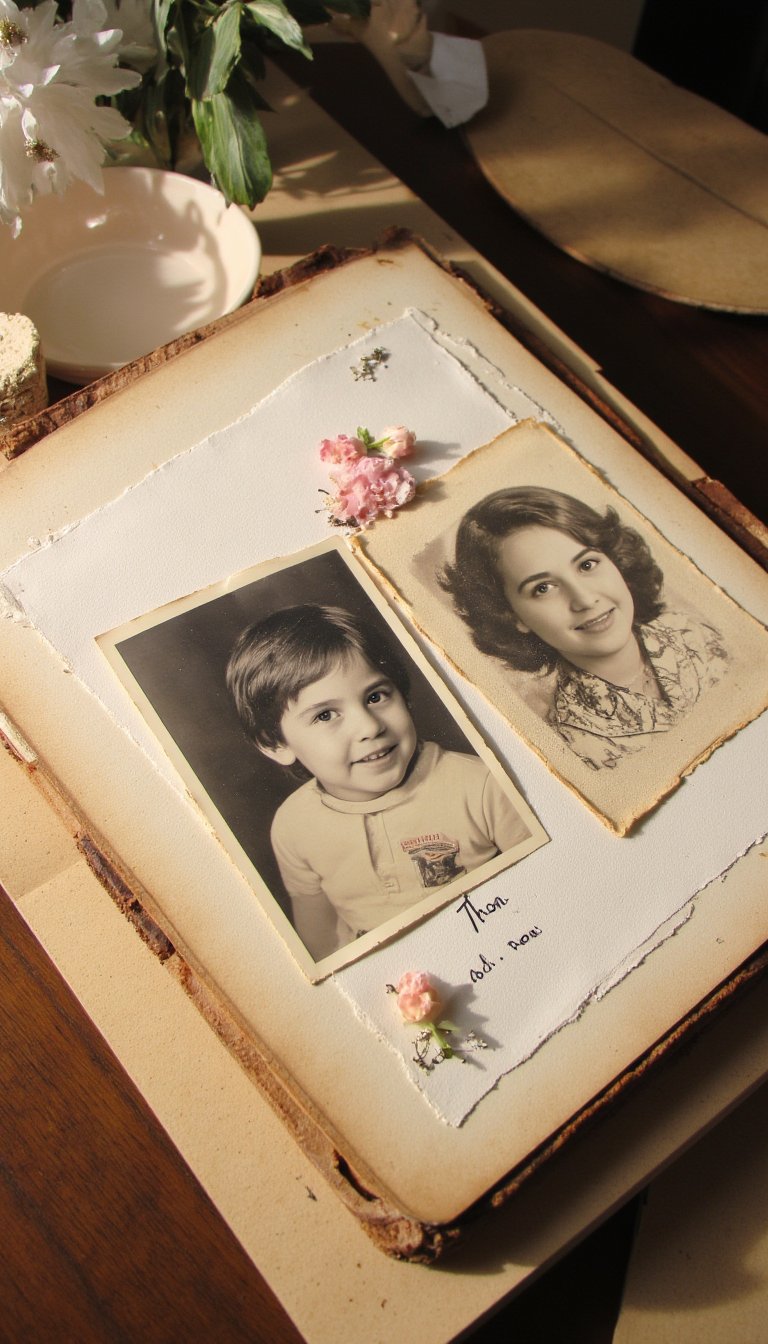
Nostalgia is a powerful scrapbooking tool. This design idea directly compares two moments in time. Place a childhood photo next to a current one, a picture of a barren garden next to its blooming result, or a “before” room renovation shot beside the “after.”
The visual storytelling is immediate and powerful. Use your journaling to reflect on the changes, the growth, or the journey between the two points. It’s a profound way to document progress and the passage of time.
11. Stamped & Hand-Lettering Backgrounds
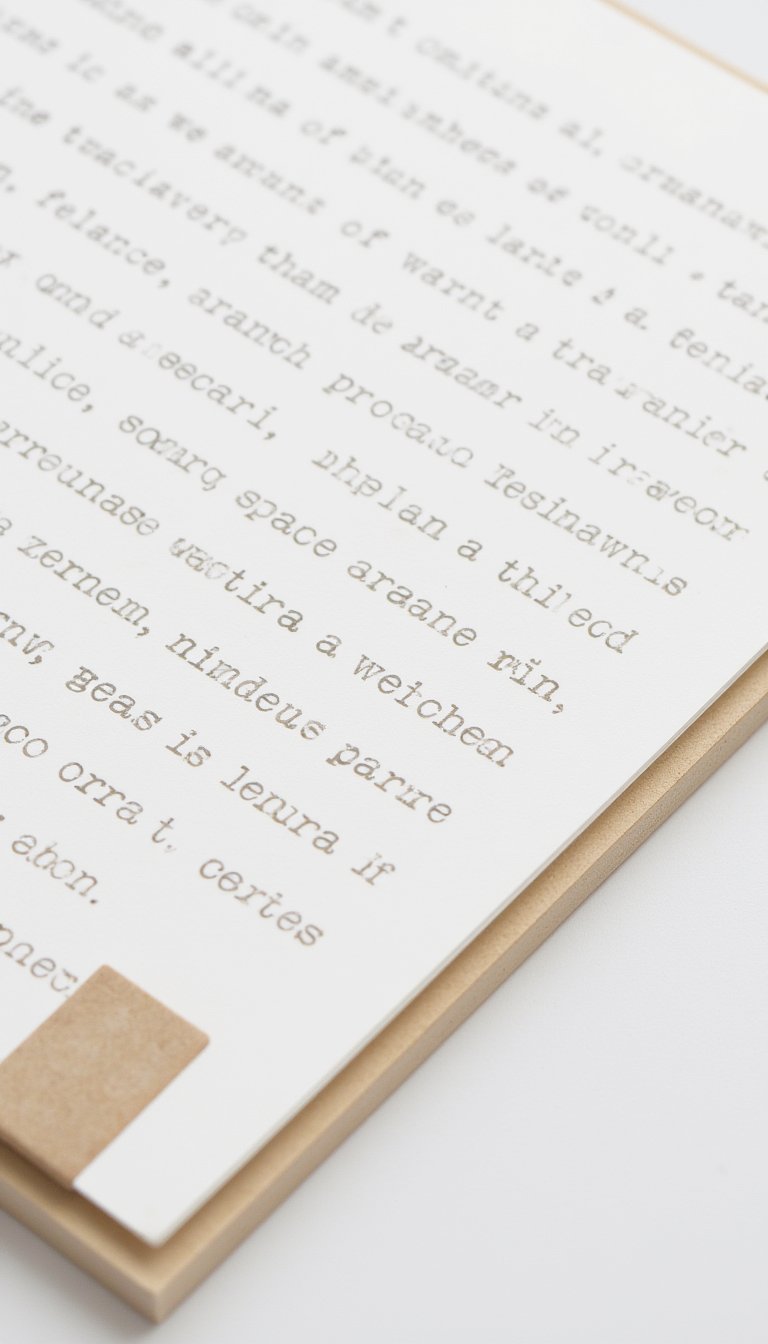
Instead of starting with a pre-printed paper, create your own custom background. Use alphabet stamps to repeatedly stamp a meaningful word or phrase in a subtle ink. Alternatively, practice a simple hand-lettered quote directly onto the cardstock.
This DIY base layer becomes a deeply personal foundation for your photos and elements. It’s cost-effective, unique, and ensures no one else will ever have a page exactly like yours. Talk about custom!
12. A Page Built Around a Single, Large Word
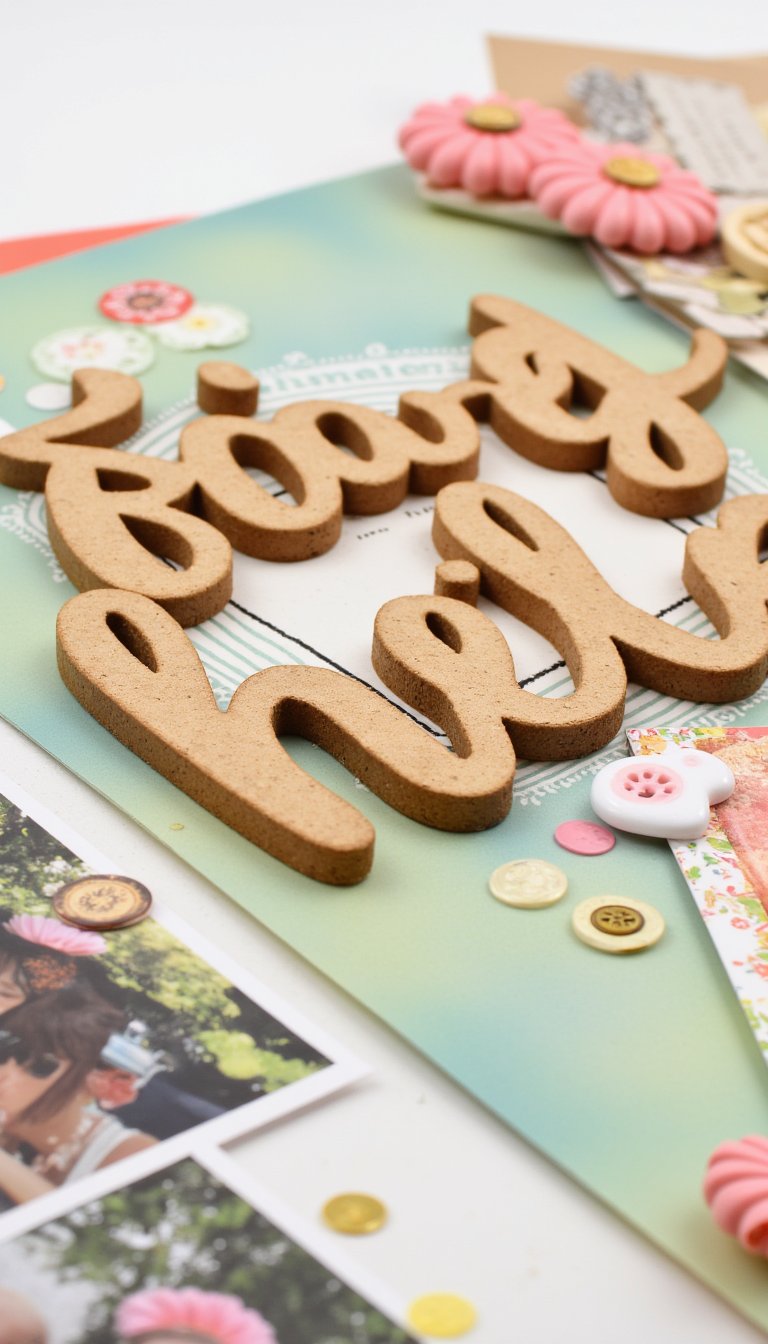
Let your journaling inspire the art. Choose the one word that sums up the event or feeling—like “Joy,” “Explore,” or “Family.” Make that word the largest visual element on the page using chipboard letters, a large die-cut, or your own bold handwriting.
Then, build the rest of the layout around it. This technique guarantees a strong focal point and thematic clarity. It’s a bold, graphic approach that makes a statement before anyone even reads the details.
13. Heritage Photo Restoration Spotlight
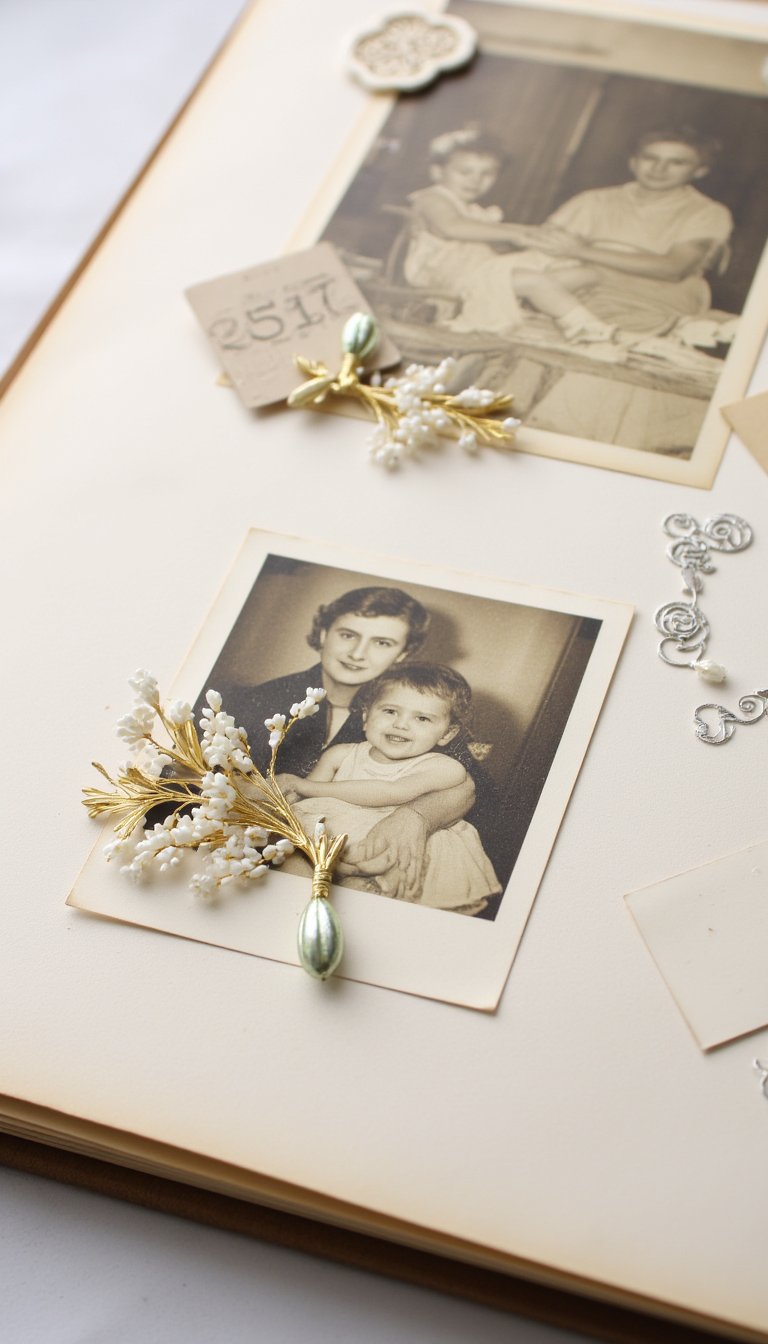
Give those precious, faded family photos the museum treatment. Scan and restore the photo as best you can, then print a high-quality copy for your album. Design the page to feel timeless—use classic colors, elegant fonts, and minimal, heritage-appropriate embellishments.
The focus stays squarely on the photo and the story. Include a transcription of the handwritten note on the back or your own research about the people and place. This project is less about fancy techniques and more about honoring and preserving legacy.
14. Shape-Based Design: Circles or Hexagons
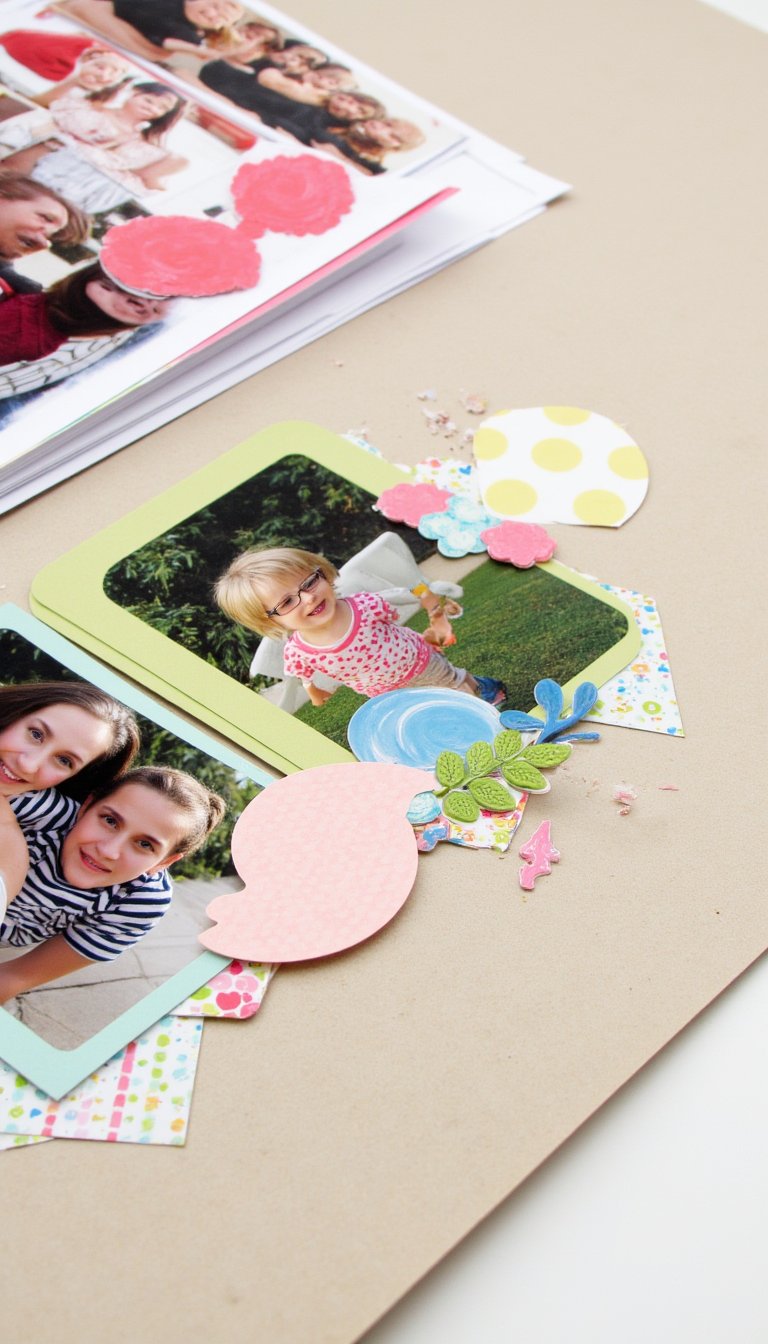
Break free from the rectangle! Use circle or hexagon paper cutters (or even a trusty cup to trace) to crop several photos and paper layers into the same shape. Arrange them in a flowing cluster or a structured pattern.
The uniform shapes create rhythm and movement that straight edges sometimes lack. This is a playful, modern approach to scrapbook design that feels fresh and dynamic. It literally gives you a new angle to work with.
15. The “Messy Process” Art Journal Spread
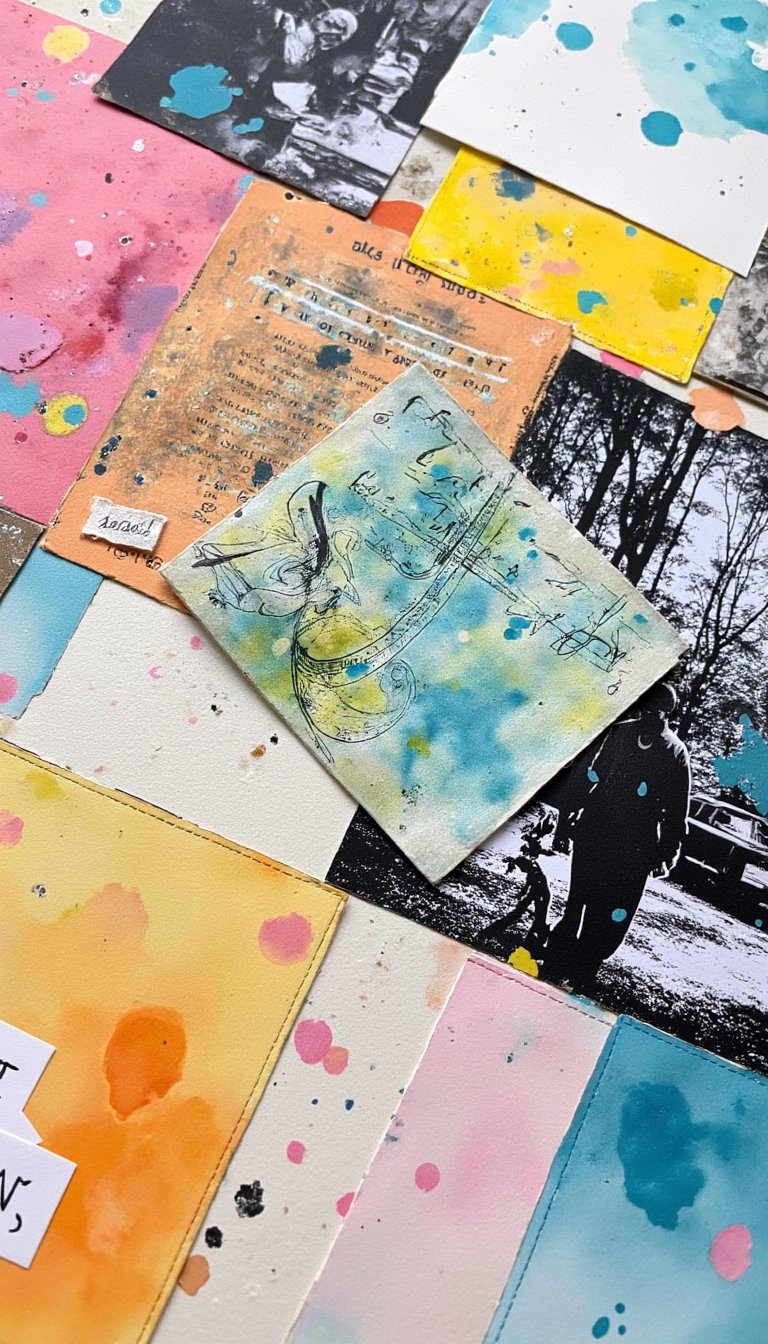
Give yourself full permission to experiment. This is the anti-perfection project. Start with paint smudges, watercolor washes, or ink splatters on your page. Layer photos and journaling on top. Use washi tape haphazardly.
Embrace the messy, creative process as part of the memory itself. This style is perfect for documenting a creative endeavor, a chaotic-but-wonderful day, or just expressing a mood. It’s incredibly freeing and reminds you that this hobby is supposed to be fun.
So, which of these scrapbook design ideas has your mind buzzing? The beauty of this list is that there’s no final exam. Mix them, adapt them, or use one as a springboard for something entirely your own. The best scrapbook project isn’t the one with the most expensive supplies; it’s the one that gets you excited to sit down, tell your story, and get a little glue on your fingers in the process. Your memories are waiting—go make them something you love to look at.