
Staring at the same half-finished scarf or that box of untouched supplies? We’ve all been there. Your creative spirit is begging for something fresh, something that feels like the future of making. That’s exactly why I’ve scoured workshops, trend reports, and maker communities to compile this list of 28 new crafts for 2026. Forget what you know; it’s time to get excited about making again.
1. AI-Generated Cross-Stitch Patterns
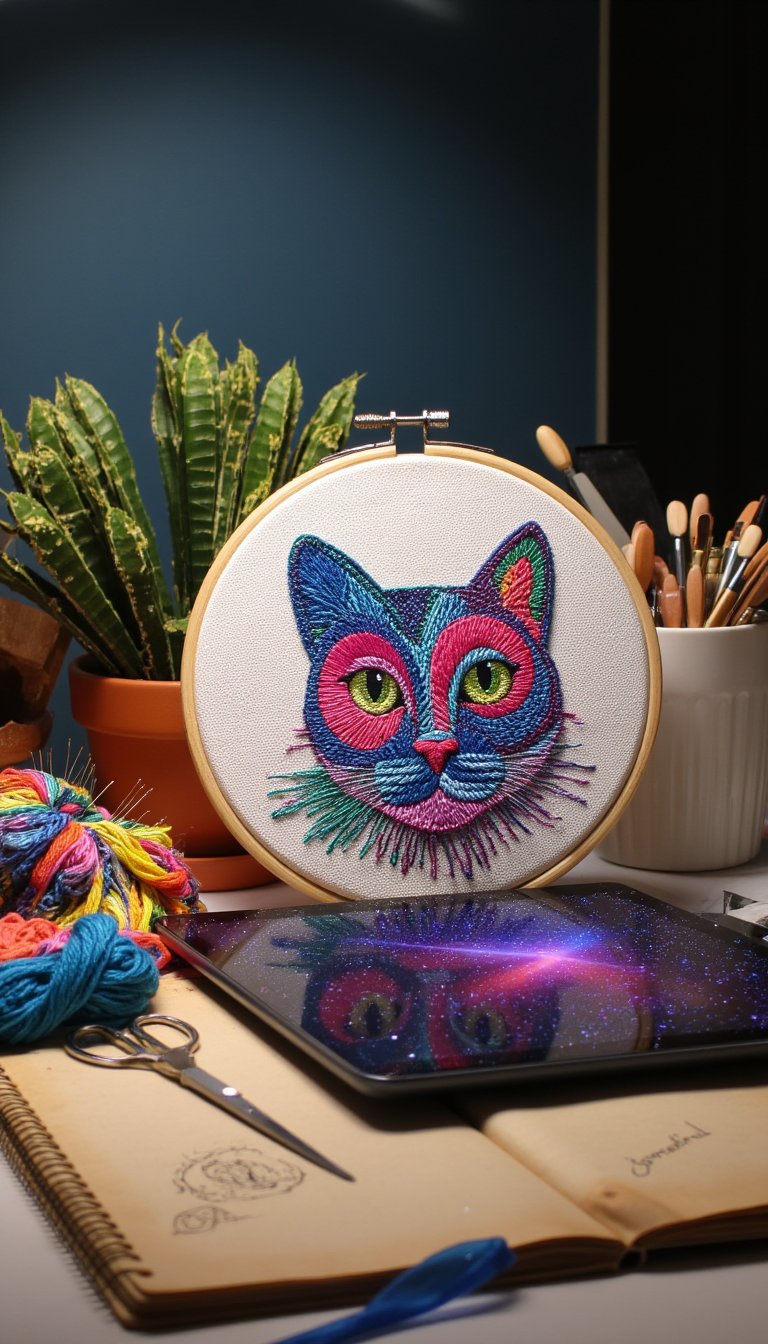
Yes, you read that right. This craft marries old-school needlework with cutting-edge tech. Use AI image generators to create surreal, hyper-personalized patterns—think your pet’s portrait in a renaissance style or a inside joke visualized as abstract art. You then translate the digital image into a classic cross-stitch project. It’s the perfect phygital creation (physical + digital) for tech-curious crafters.
2. Electroformed Crystal Jewelry
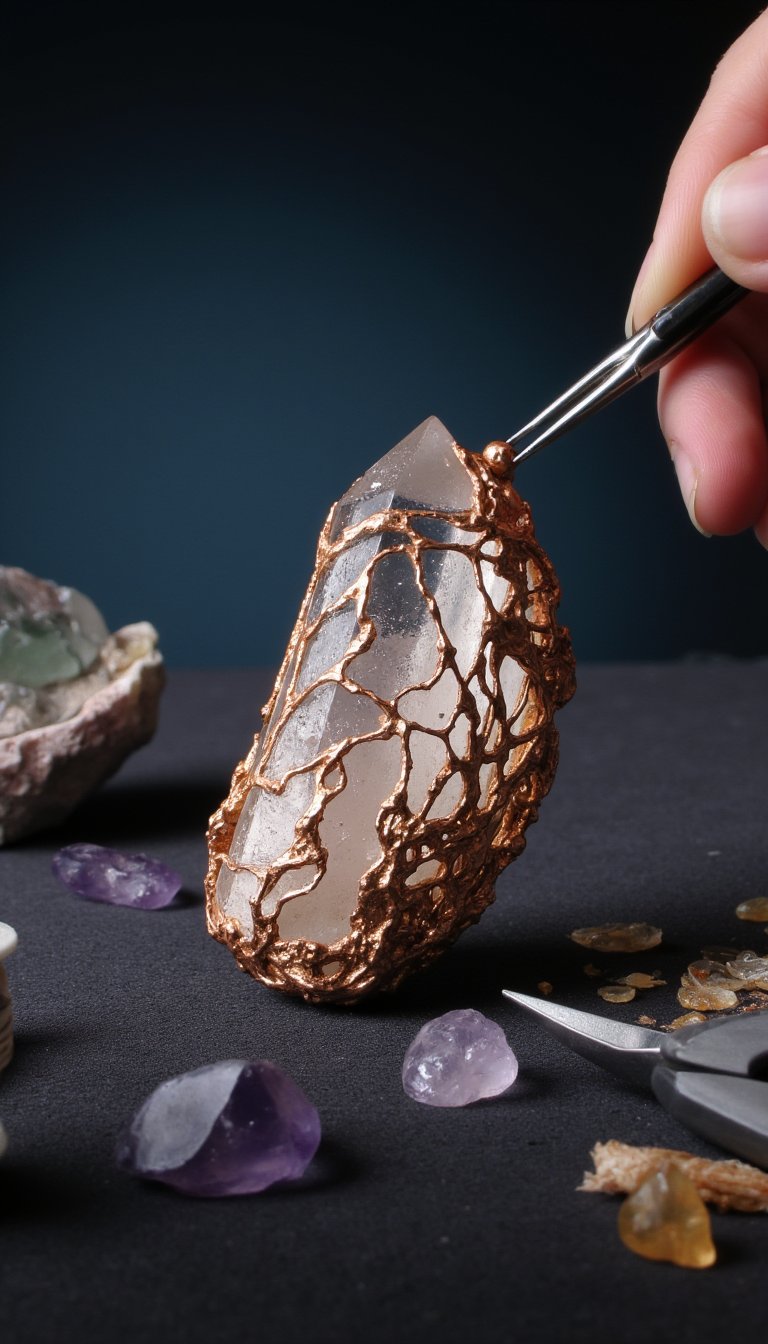
Move over, simple wire wrapping. Electroforming uses a low-voltage electrical current to deposit a layer of metal (usually copper) directly onto organic or crystal forms. The result? Stunning, one-of-a-kind jewelry where crystals appear to be naturally encased in metallic, organic-looking webs. It sounds like mad science, but beginner kits are making this dazzling craft more accessible than ever.
3. Mycelium Leather Crafting
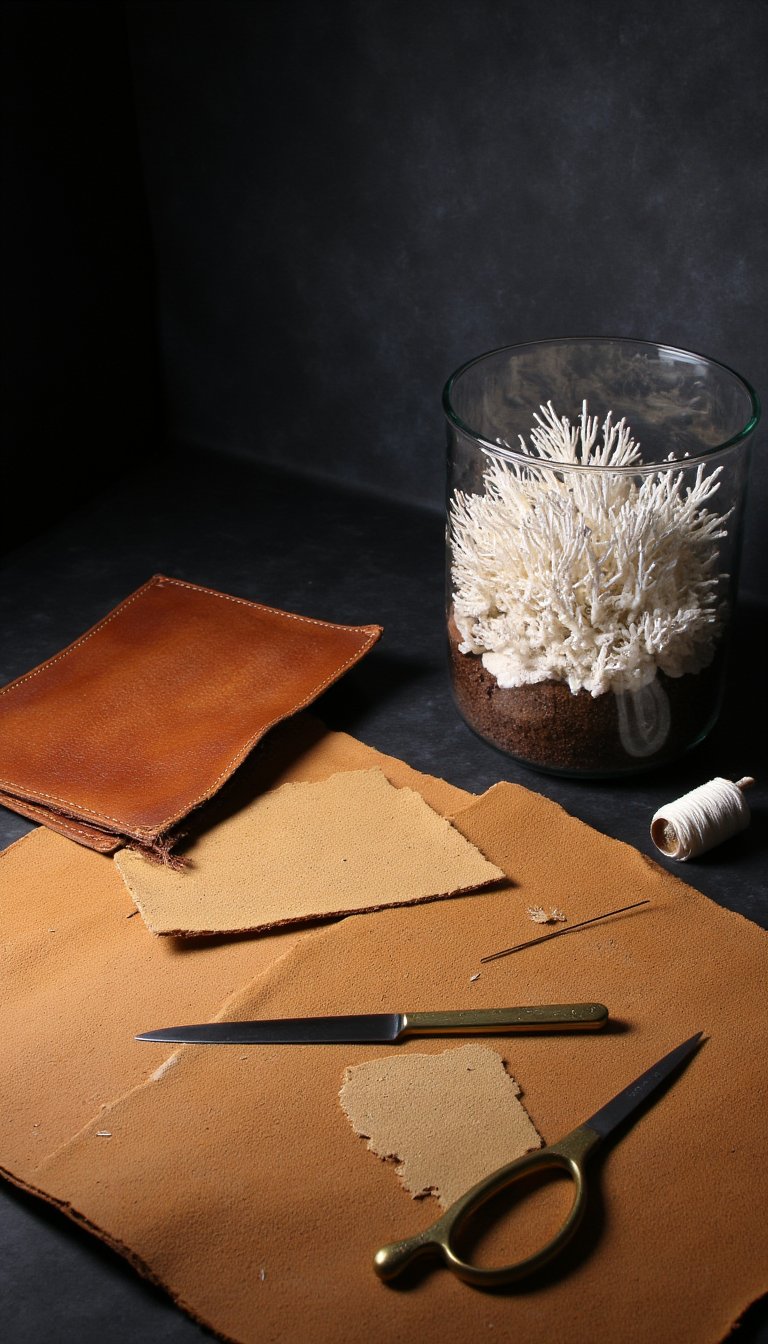
Talk about crafting with a conscience. Mycelium leather is a sustainable material grown from mushroom roots. In 2026, expect DIY kits for growing your own leather-like sheets, which you can then cut, stitch, and tool just like traditional leather. You’re not just making a wallet; you’re growing the actual material. How cool is that?
4. Ferrofluid Art Framing

Ferrofluid is a liquid that becomes wildly spiky in the presence of a magnet. Artists are now sealing it in custom frames with hidden magnetic coils, creating living, moving art pieces you can control with a switch. Crafting your own frame and designing the fluid’s “dance” is a mesmerizing blend of simple electronics and avant-garde art. It’s a guaranteed conversation starter.
5. Smart Textile Weaving
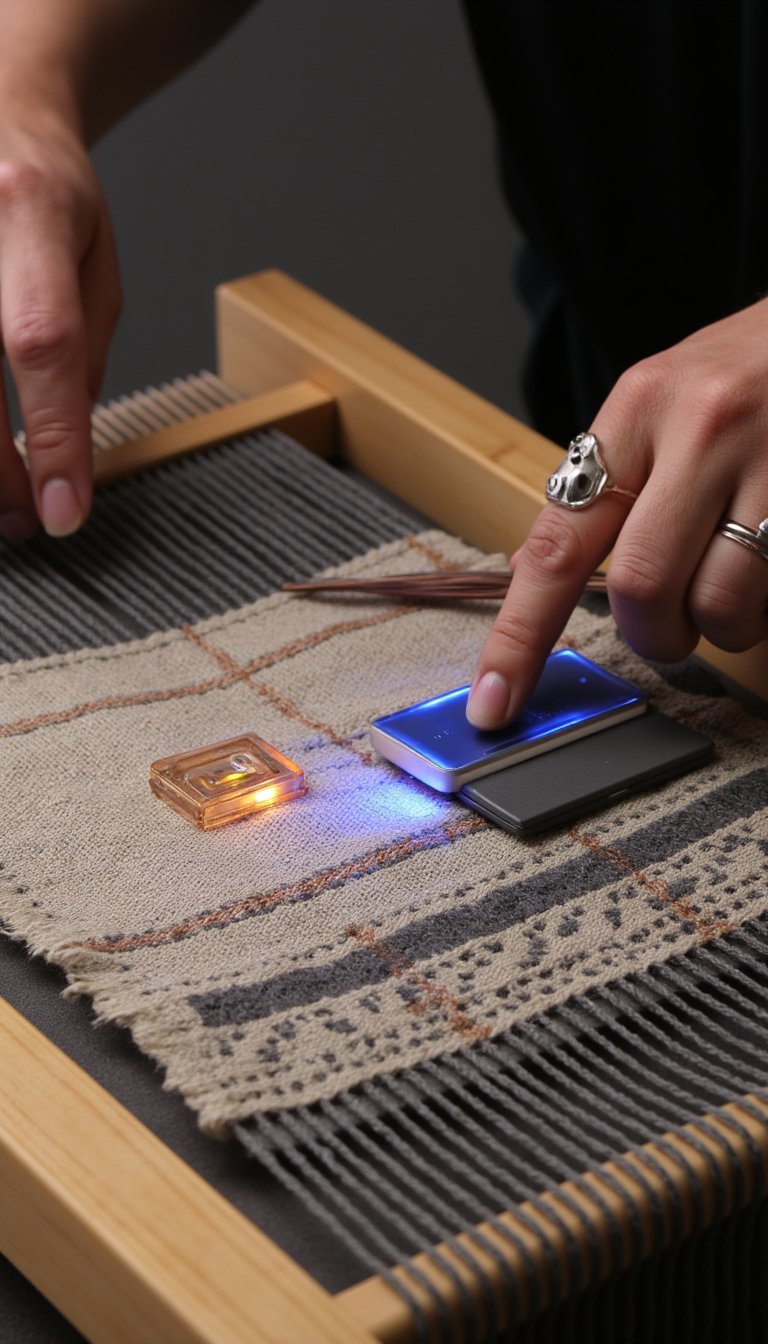
Weaving gets a 21st-century upgrade. This involves integrating conductive threads, micro-LEDs, or even simple sensors into your woven pieces on a loom. You could create a wall hanging with lights that react to sound or a scarf with a woven-in touch-sensitive panel. It’s a craft that requires patience and a basic understanding of circuits, making it incredibly rewarding.
6. Biodegradable Glitter Making

Love sparkle but hate microplastics? This eco-craft is exploding. Using ingredients like plant-based cellulose, seaweed extract, and mineral pigments, you can craft your own eco-friendly glitter in every color imaginable. The process is part kitchen science, part art, and you end up with a guilt-free product perfect for slime, resin art, or body sparkles.
7. Upcycled Tech Mosaics

E-waste is a modern problem needing a creative solution. This craft involves deconstructing old circuit boards, keyboards, and computer components to use their unique colors, textures, and shapes as tesserae in mosaics. The green and gold traces of a motherboard make stunning abstract landscapes. It’s a challenging but profound way to give forgotten tech a beautiful second life.
8. 3D Pen Topiary Sculpting

3D pens graduated from simple doodles. Artists are now using them to create intricate, freeform topiary and botanical sculptures. “Drawing” in the air, you can build elaborate miniature trees, fantastical flowers, or geometric plant forms. It combines the spontaneity of sketching with the tangibility of sculpture, and the learning curve is surprisingly fun.
9. Soundwave Embroidery
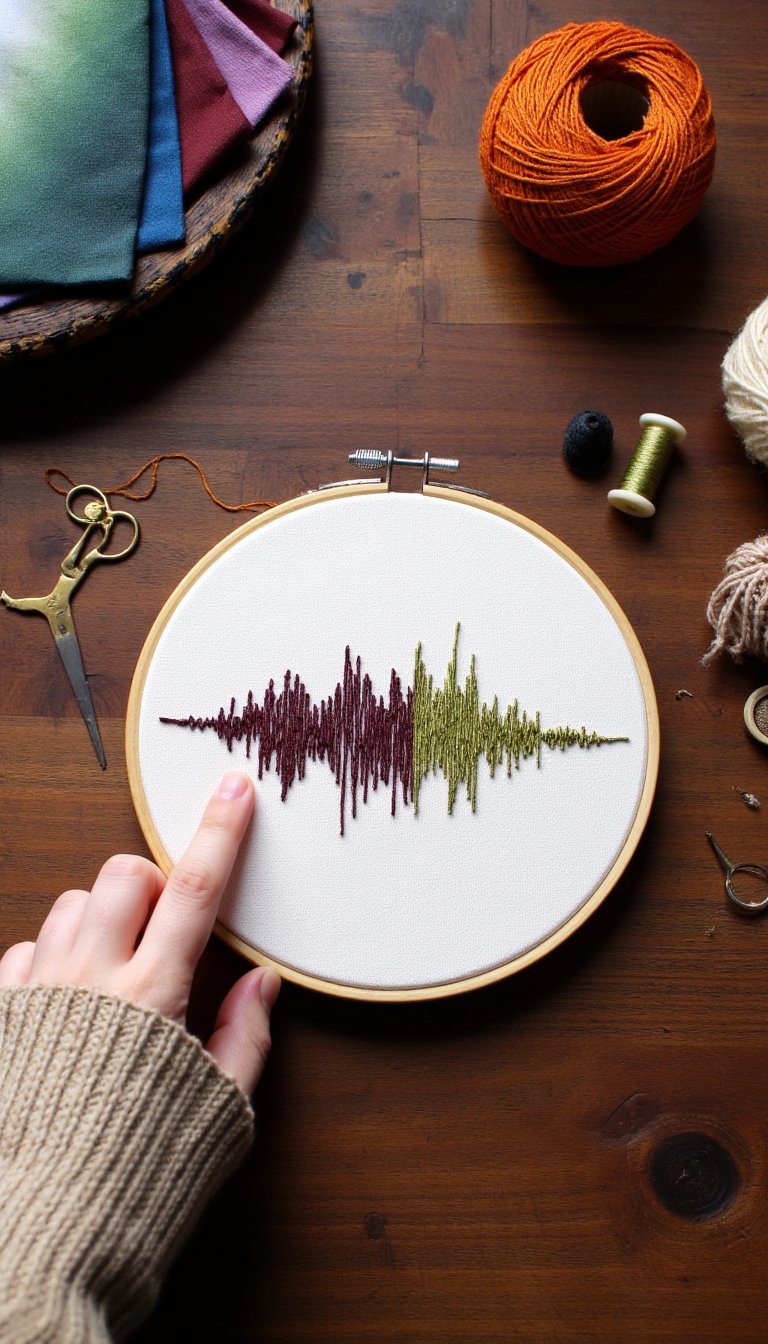
Personalize your hoops in the most meaningful way. Convert a snippet of audio—a loved one’s laugh, your wedding vows, your baby’s first cry—into a soundwave image. Then, use that unique line as your pattern for hand or machine embroidery. It transforms an intangible memory into a stunning, tactile piece of decor. Talk about a heartfelt gift.
10. Hydro-Dipped Terracotta
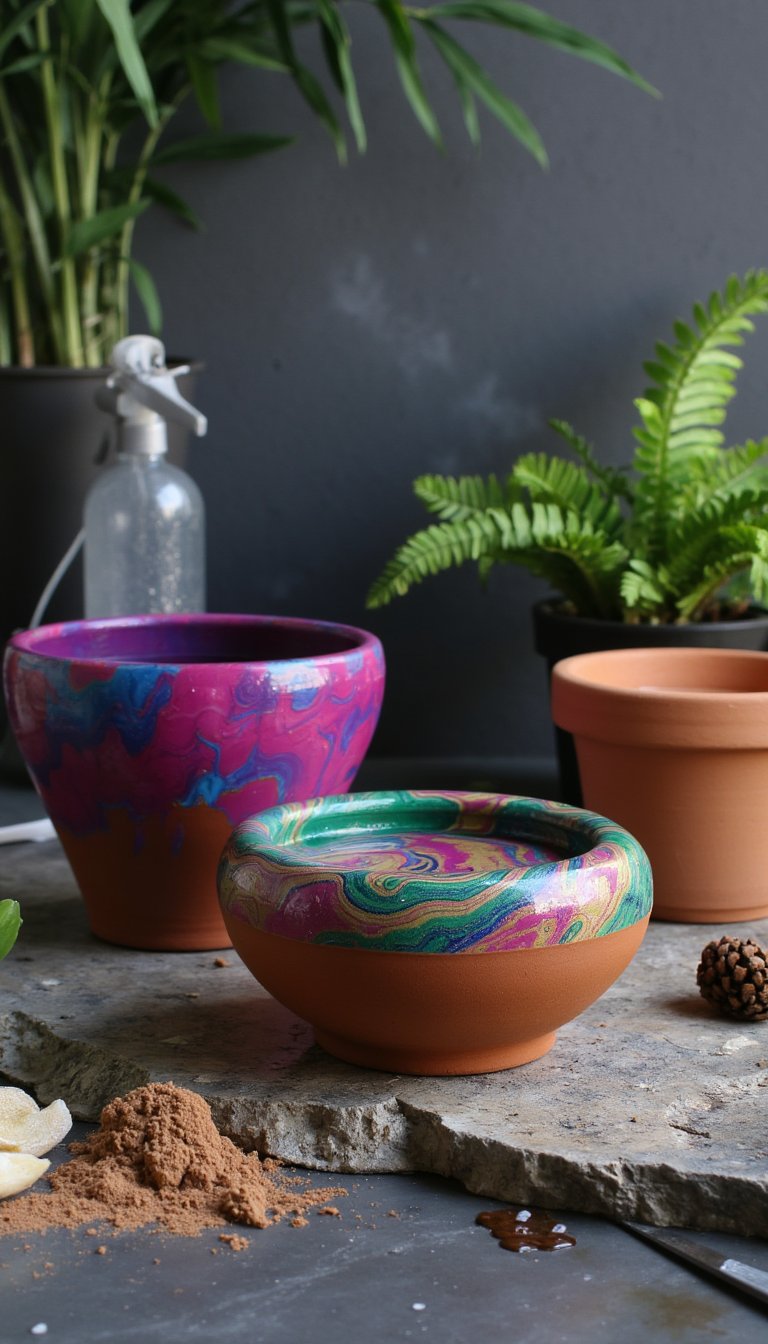
Hydro-dipping is moving beyond car parts and sneakers. The new frontier? Plain terracotta pots. The porous clay absorbs the swirling paint film in a unique, marbled way, creating effects that are impossible to replicate with a brush. Each pot becomes a psychedelic, one-of-a-kind home for your plants. It’s messy, it’s unpredictable, and it’s utterly addictive.
11. Laser-Cut Marquetry

Traditional marquetry (wood inlay) is a master-level skill. Enter the accessible laser cutter. You can now design intricate patterns on a computer, cut them from veneers of different wood species with precision, and assemble stunningly detailed artwork, coasters, or furniture accents. It brings a timeless craft into the digital maker’s workshop.
12. Mood-Based Scent Crafting

Forget simple perfumes. This is about creating custom scent blends for specific moods or moments: a “Focus” blend for your home office, a “Calm” rollerball for your wrists, a “Forest Bathing” room spray. With a growing array of high-quality, accessible essential oils and fragrance notes, you become an aromatherapy alchemist.
13. Concrete & Resin Geode Art
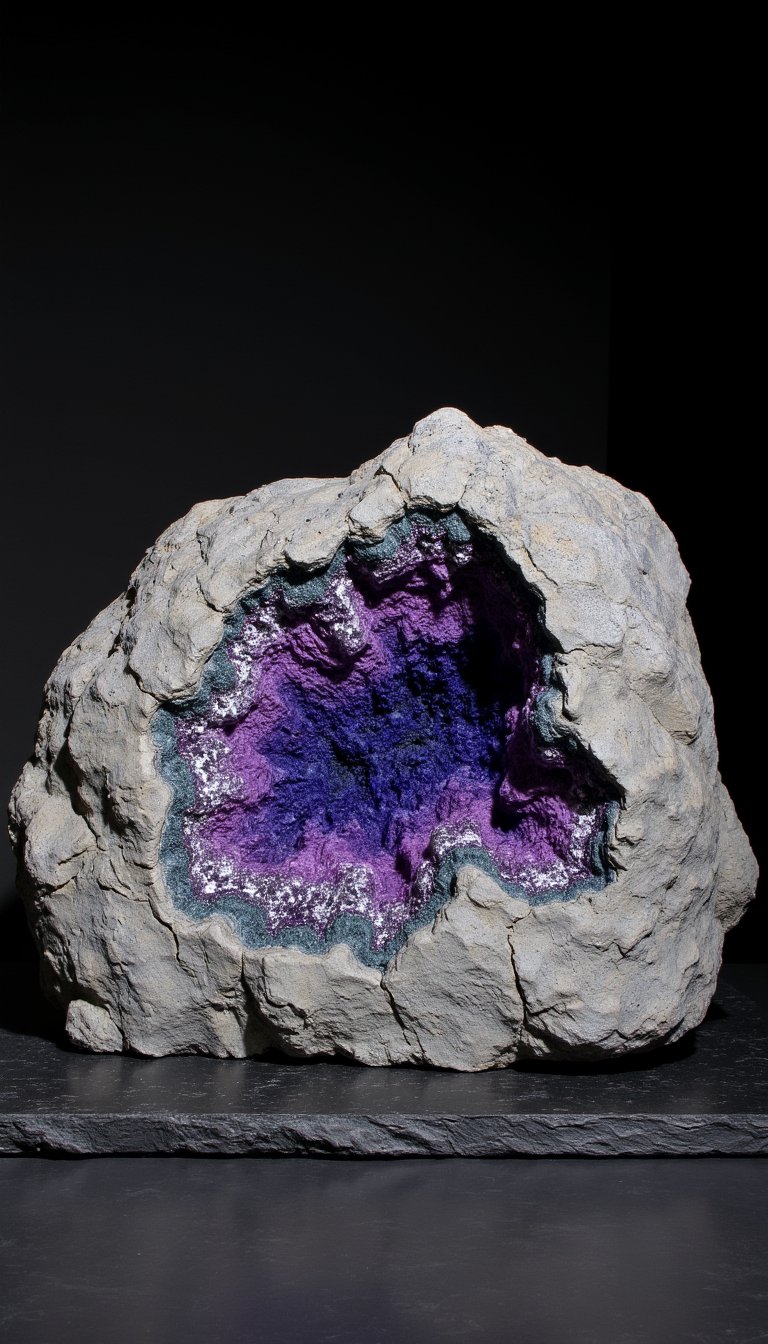
The geode trend is evolving. Now, crafters are using quick-set concrete as the “rock” exterior and filling carved-out cavities with ultra-deep-pour, jewel-toned resin. The contrast between the rough, industrial concrete and the glossy, colorful resin interior is dramatic and modern. It’s perfect for large statement pieces like tabletops and wall art.
14. Punch Needle with Roving Yarn

Punch needle rug hooking is huge, but the 2026 twist is all about material. Using bulky, unspun roving wool instead of traditional yarn creates an unbelievably plush, textured, and fast-to-complete piece. The result is a super tactile wall hanging or pillow with an almost cartoonish, cozy depth that you just want to sink your hands into.
15. Edible Flower Candy Making

This craft is as beautiful as it is delicious. Using isomalt sugar, edible flowers, and botanical inclusions, you create stunning, glass-like hard candies, lollipops, and cake decorations. It requires a candy thermometer and some patience, but the process is like edible alchemy. They’re almost too pretty to eat. (Keyword: almost.)
16. Digital Knitting Pattern Design
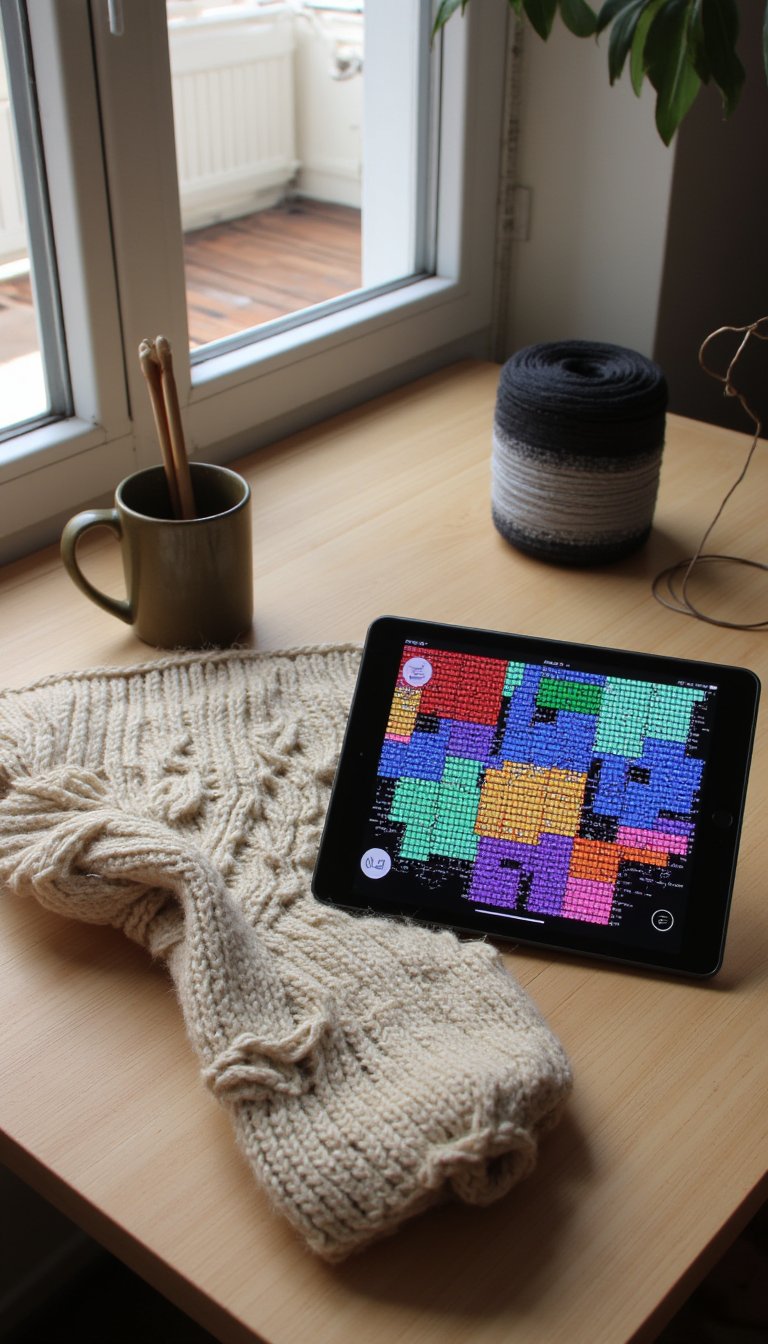
This is for knitters ready to level up. Software like Stitch Fiddle and KnitPaint lets you design your own colorwork charts, cable patterns, and garment shapes. You’re not just following a pattern; you’re engineering your own. It turns knitting from a hobby into a true design pursuit, and you can even sell your digital patterns online.
17. Living Kokedama Sculptures

Kokedama (Japanese moss ball plants) gets a sculptural update. Instead of simple spheres, crafters are shaping the soil and moss into geometric forms, animals, or abstract shapes before adding the plant. It’s gardening meets sculpture, and maintaining the living art piece becomes part of the daily craft. A perfect green thumb challenge.
18. Alcohol Ink on Metal

Alcohol ink’s vibrant, fluid behavior finds a new home on brushed metal sheets or aluminum panels. The inks react differently on metal than on paper or ceramic, creating electric, metallic-tinged blooms and cells. The finished pieces have a sleek, modern, almost aerospace feel when framed. It’s unpredictable science meets vibrant art.
19. Micro-Terrarium in Jewelry
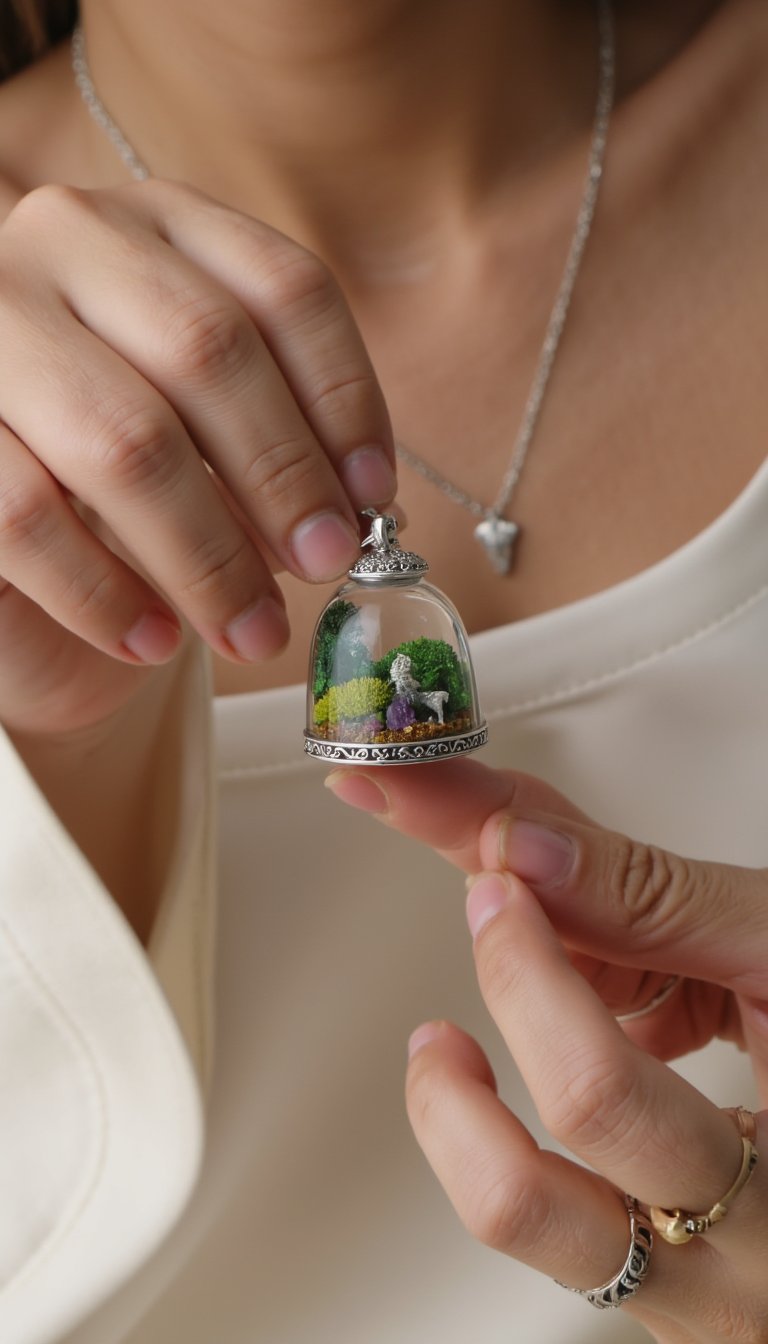
Tiny worlds, wearable art. Using small glass vials, resin domes, or locket settings, you can create minuscule landscapes with preserved moss, miniature figures, and specks of stone. It’s an exercise in precision and patience, resulting in a deeply personal piece of jewelry that holds a whole scene close to you.
20. NFC-Embedded Crafts

Embed tiny, programmable NFC chips into almost anything—a handmade journal, a painted rock, a quilt. When someone taps their phone on it, it can trigger a digital experience: a video message, a website, a playlist. It’s a mind-blowing way to bridge the physical and digital, making gifts and art interactive in a magical way.
21. Shibori with Rust Dyeing

Combine the Japanese resist-dye technique of Shibori with the natural, unpredictable oxidation patterns of rust. You bundle fabric around rusty objects (nails, gears, wool) and apply a rusting solution. The result? Gorgeous, earthy, orange-brown patterns that are truly unique. It’s a fantastic way to achieve an industrial, organic look on textiles.
22. Recycled Glass Fusing
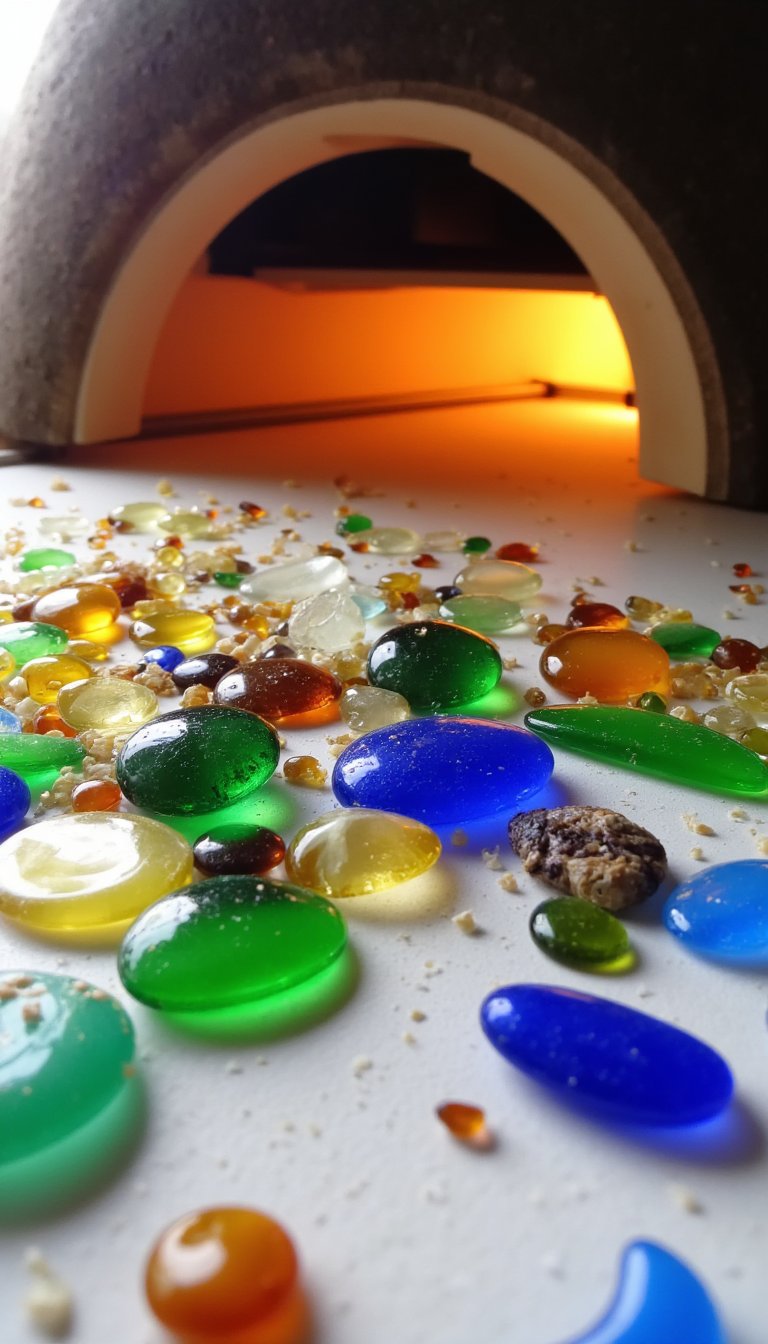
With the rise of small kilns, fusing glass from your old bottles and jars is becoming a home craft. Crush the glass, arrange it in molds, and fire it into new dishes, coasters, or jewelry. The variations in bottle color (wine green, beer brown, cobalt blue) create stunning, serendipitous results. Sustainability has never looked so chic.
23. Biomaterial Casting (Soy Wax, Agar)
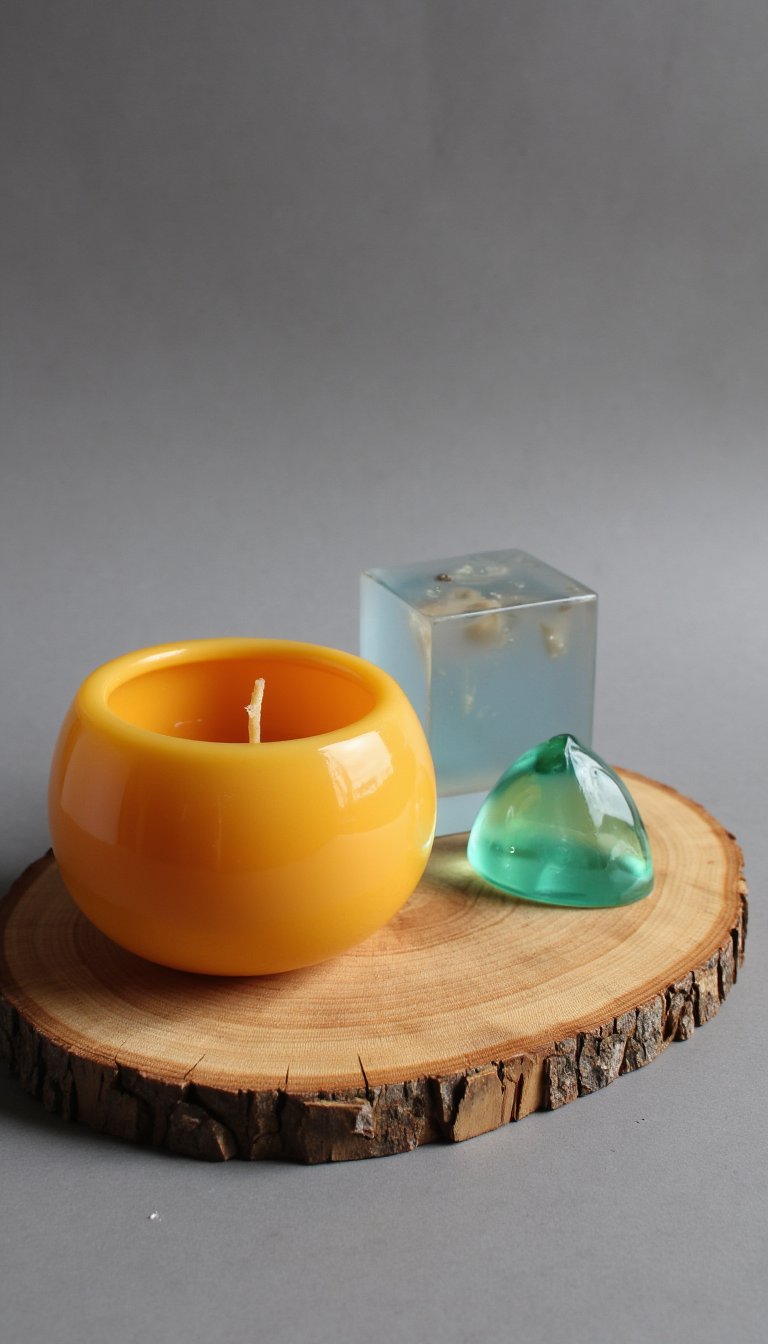
This is crafting at the intersection of art and bio-design. Use natural, gel-like substances such as agar or soy-based wax to cast objects. They’re biodegradable, often translucent, and have a beautiful, ethereal quality. You can make candle vessels that melt away or decorative objects that return to the earth. It’s forward-thinking and beautiful.
24. Needle Felting Portraits

Needle felting animals is classic. The new frontier? Detailed, realistic human and pet portraits. Using layers of colored wool roving as your “paint,” you sculpt astonishingly lifelike faces with depth and expression. It’s an incredibly meditative and impressive skill that pushes a familiar craft into fine art territory.
25. Kinetic Paper Engineering

Think beyond pop-up cards. This involves designing and building intricate paper mechanisms that move with levers, gears, and cranks. Create a flapping bird, a blooming flower, or an entire miniature paper theater scene. It requires planning and precision engineering, all with the humble materials of paper, card, and brads.
26. Foraged Pigment & Paint Making

Connect with your landscape in the most direct way. Process rocks, soil, plants, and charcoal from your local environment into true artist’s paints, watercolors, or inks. The color palette is literally the earth beneath your feet. This craft redefines “local color” and makes the creation process deeply meaningful from start to finish.
27. Lightweight Concrete Planter Making

Regular concrete planters are heavy. The new hack? Using additives like perlite or vermiculite, or even blending with papier-mâché pulp, to create surprisingly lightweight, breathable planters. You can cast them in silicone molds for modern shapes. It’s perfect for making large, statement planters you can actually move without throwing your back out.
28. Embroidered LED Circuit Boards

This is the pinnacle of e-textile crafting. Using conductive thread, you hand-embroider functioning circuits onto fabric, connecting tiny LEDs, batteries, and switches. The embroidery itself *is* the wiring. You can make a constellation nightlight on a onesie or a light-up patch on a denim jacket. It’s functional, beautiful, and feels like wizardry.
Whew! That was a journey from mushroom leather to embroidered circuits. The key takeaway? The world of making in 2026 is all about fusion—mixing tradition with technology, sustainability with style, and analog processes with digital mindsets. You don’t have to master all 28 of these new crafts for 2026. Just pick one that makes your creative brain light up and give it a try. The best new craft isn’t the trendiest one; it’s the one that you’ll actually start. So, which one’s calling your name? Get out there and make something future-you will be proud of.