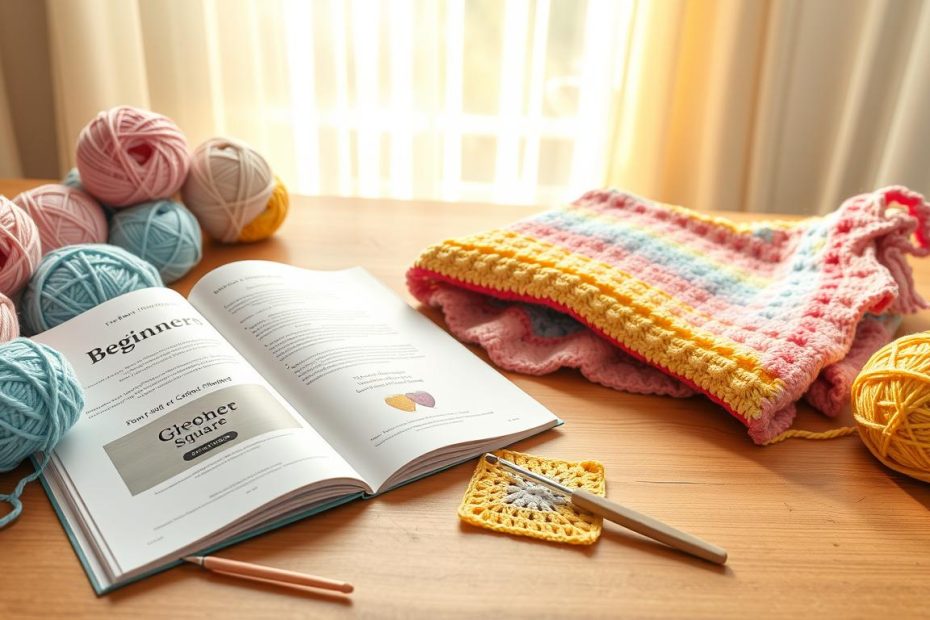
Are you ready to make something beautiful from yarn? Learning to crochet might seem hard, but it’s easy with the right help.
Crochet is more than a hobby. It’s a way to be creative, relax, and show who you are. Your first project will be a fun way to find your talents and make something special.
This guide will help you every step of the way. We’ll cover choosing the right tools and learning basic stitches. We’ll make it easy so you can feel confident and excited about crocheting.
Key Takeaways
- Crochet is an accessible craft for everyone, regardless of skill level
- Starting with simple projects builds confidence and skills
- Basic tools and patience are the foundation of successful crocheting
- Mistakes are part of the learning process
- Creativity and practice lead to beautiful handmade items
Understanding Crochet Basics
Starting to crochet can be fun for beginners. It might seem hard at first, but it’s easy and fun once you learn. Let’s look at the basics of crochet to help you get started.
What is Crochet?
Crochet is a craft that turns yarn into fabric with a hook. It’s different from knitting because you only need one hook. You can make many things, like blankets and accessories.
Essential Tools You Need
When you start, you’ll need a few things:
- Crochet hook (sizes G-J recommended for beginners)
- Yarn (medium weight is best for new crafters)
- Scissors
- Yarn needle for weaving in ends
Familiarizing Yourself with Yarn Types
Choosing the right yarn is key for beginners. Here’s a quick guide:
| Yarn Weight | Recommended Hook Size | Beginner Suitability |
|---|---|---|
| Medium (Size 4) | 5.5mm (I-9) | Excellent for Beginners |
| Light (Size 3) | 4.5mm (7) | Good for Practice |
| Bulky (Size 5) | 6.5mm (K-10.5) | Easier to See Stitches |
Tip for beginners: Pick light-colored yarn. It makes your stitches easier to see. The right yarn makes learning crochet fun!
Choosing Your First Project
Starting your crochet journey can be tough. But, picking the right patterns makes it easier. Start with simple projects to build your confidence.
Simple Patterns Perfect for Beginners
Beginners should focus on basic techniques. Good projects for starters include:
- Practice squares
- Dishcloths
- Simple scarves
- Coasters
Why Start with a Practice Square?
Practice squares are great for beginners. They help you learn without stress. They can also grow into bigger projects.
- Use single crochet stitches
- Make about 10 stitches across
- Keep working until it’s square
Tips for Selecting the Right Difficulty Level
Choose a project that matches your skill level. Look for patterns that are:
| Feature | What to Look For |
|---|---|
| Instructions | Clear, step-by-step guidance |
| Stitch Complexity | Limited to 1-2 basic stitches |
| Construction | Straightforward design |
Start with simple projects to build a strong base. These projects will help you get better and more confident. This will prepare you for harder designs later.
Mastering Basic Stitches
Starting with crochet tutorials for beginners means learning basic stitches. These stitches are key to making beautiful items. They help you go from a beginner to a skilled crocheter.
The Chain Stitch: Your Creative Starting Point
The chain stitch is the base for most crochet projects. It’s important to learn it well. Begin with a slip knot on your hook. Then, yarn over and pull through the loop.
Keep doing this to make a chain of connected loops.
- Keep your chains loose and even
- Practice maintaining consistent tension
- Count your chains carefully
Single Crochet Stitch: Building Your Skills
The single crochet stitch is great for beginners. It makes a tight fabric. Start by skipping the first chain and inserting your hook into the second.
Yarn over and pull through. Then, yarn over again and pull through both loops on your hook.
Double Crochet Stitch: Expanding Your Technique
The double crochet stitch is taller and more open. It adds texture. Start by yarning over before inserting your hook into the stitch.
Pull through, yarn over, and pull through two loops at a time. This completes the stitch.
| Stitch Type | Height | Turning Chain |
|---|---|---|
| Single Crochet | Short | 1 chain |
| Double Crochet | Tall | 3 chains |
Practice these stitches often. It helps build muscle memory and confidence. Remember, every expert started with the first stitch!
Gathering Your Supplies
Getting ready for crochet starts with picking the right stuff. As a beginner, the right tools make a big difference. These tips will help you pick the best yarn and tools.
How to Choose the Right Yarn
Choosing yarn for your first project is key. For beginners, worsted-weight (size 4) yarn is best. Look for these things:
- Light colors like cream or pale yellow
- Acrylic material for affordability
- Consistent texture
Reading yarn labels can be hard, but they’re full of important info. Pro tip: The weight number and hook size are on the label.
Selecting the Perfect Hook Size
Your hook is your main tool in crochet. For beginners, here are some tips:
- Size G-J (5.5mm or I-9) works best for size 4 yarn
- Aluminum hooks with comfy grips
- Consistent size means even stitches
Additional Tools for Your First Project
Some extra tools will help you succeed:
- Sharp scissors
- Yarn/darning needle
- Stitch markers
- Measuring tape
With these, you’ll be ready to start your crochet journey with confidence!
Setting Up Your Workspace
Creating the perfect environment is key for your crochet journey. Your workspace can greatly affect your learning and enjoyment. The right setup keeps you comfortable, organized, and inspired.
Crafting a Comfortable Crochet Space
Choose a workspace that supports your body and creativity. Look for a chair with good back support and armrests. Natural or bright lighting is essential for seeing your stitches clearly.
Position yourself near a window or use a bright lamp to reduce eye strain.
- Select a chair with lumbar support
- Ensure good lighting conditions
- Keep your workspace well-ventilated
- Use a stable surface like a table or lap desk
Organizing Your Supplies Efficiently
Keeping your beginner crochet resources organized prevents frustration. It helps you focus on learning. Invest in small containers or a craft caddy to store your tools neatly.
| Supply Category | Storage Recommendation |
|---|---|
| Yarn | Clear plastic bins or fabric bags |
| Hooks | Roll-up hook case or magnetic holder |
| Accessories | Small compartment box |
Finding Inspiration and Support Online
The digital world offers amazing beginner crochet resources. YouTube tutorials, online forums, and social media groups can provide continuous learning and motivation. Platforms like Ravelry and Instagram connect you with a supportive crafting community.
- Subscribe to crochet YouTube channels
- Join online crafting forums
- Follow crochet hashtags on social media
- Participate in virtual crochet groups
Starting Your First Project
Starting your first crochet project can be both fun and scary. This guide will help you take your first steps. You’ll learn how to make your first handmade item.
Step-by-Step Instructions for Beginners
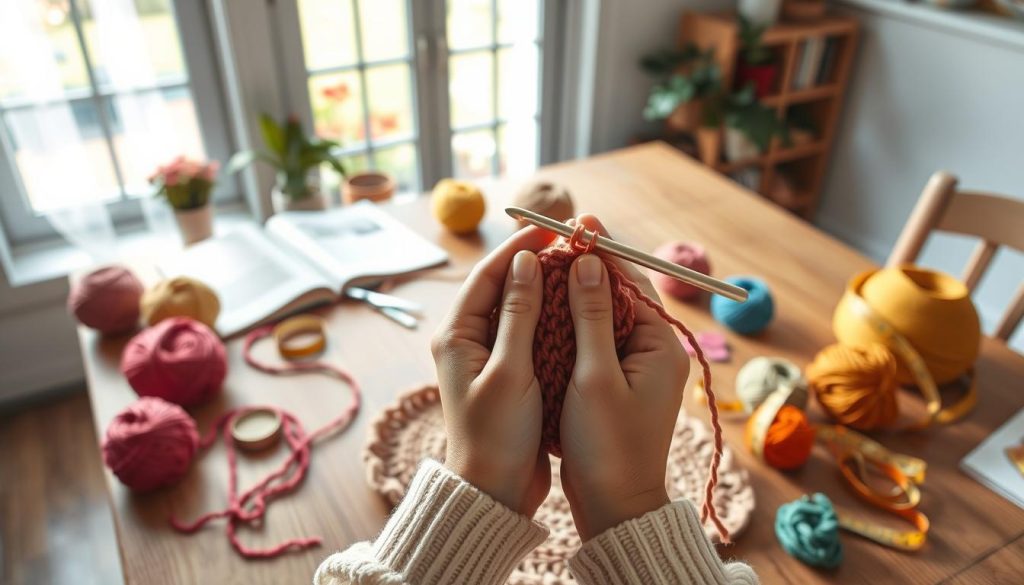
First, learn a few basic skills. Start with a slip knot to hold your yarn. Here’s how to begin your project:
- Make a slip knot by creating a loop with your yarn
- Insert hook through the loop from underneath
- Create a foundation chain of 11 stitches
- Skip the first chain
- Work single crochet into each chain
Common Mistakes to Avoid
New crocheters often face challenges. Watch out for these mistakes:
- Accidentally skipping stitches at row ends
- Working too tightly, making hook insertion difficult
- Losing count of your stitches
- Incorrectly working into turning chains
How to Read a Crochet Pattern
Knowing pattern abbreviations is key. Learn these common ones:
- sc = single crochet
- ch = chain
- st = stitch
- rep = repeat
- FO = finish off
Practice using these abbreviations. With time and effort, you’ll make beautiful crochet projects.
Practicing and Improving Your Skills
Learning to crochet takes patience and practice. When you start, focus on getting better at it. The best way to get good is to practice a lot and join groups that support you.
Tips for Consistent Tension
Good tension is key to great crochet projects. As a beginner, you’ll learn that controlling the yarn is important. How you hold your hands affects the size and look of your stitches.
- Hold yarn between your fingers with gentle pressure
- Practice maintaining even grip while crocheting
- Experiment with different finger placements
- Create sample squares to track your progress
Practicing Stitches Before Your Project
It’s smart to make practice squares first. These small squares help you get better without the stress of a big project.
- Start with basic stitches like single and double crochet
- Make 3-5 sample squares to track improvement
- Check each square for consistent stitch size
- Join practice squares into a blanket or throw
Joining Crochet Communities for Support
No crocheter is alone! Online groups are full of help for beginners. Sites like Instagram, Reddit, and Facebook are great places to share, ask, and get ideas.
- Follow crochet hashtags on social media
- Join beginner-friendly craft forums
- Watch tutorial videos from experienced crafters
- Share your learning journey with others
Remember, every expert was once a beginner. Your crochet skills will improve with consistent practice and a supportive community cheering you on!
Troubleshooting Common Issues
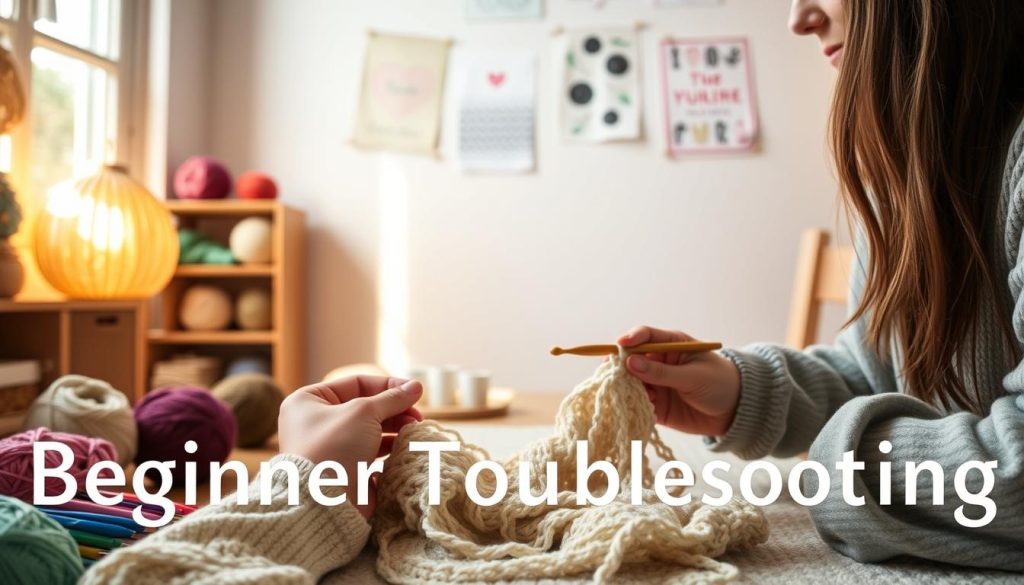
Learning crochet can be tough, but you can do it! Every beginner faces problems that are easy to solve. This section will guide you through common crochet issues with confidence.
Managing Stitch Tension
Tension is key in crochet. If your stitches are too tight, try these tips:
- Use a larger hook for your foundation chain
- Consciously relax your grip on the yarn
- Practice holding the yarn more loosely
- Experiment with different finger positioning
Fixing Mistakes Without Stress
Mistakes happen when you’re learning. Frogging (unraveling stitches) is a skill you need. When you see an error:
- Remove your hook carefully
- Gently pull the working yarn to unravel
- Stop at the point of the mistake
- Reinsert your hook and continue
Seeking Help and Support
Know when to ask for help. Reach out to the crochet community if you:
- Can’t resolve a persistent problem
- Don’t understand a pattern instruction
- Feel frustrated or discouraged
- Need guidance on a specific technique
Remember, every experienced crocheter started where you are now. Patience and practice will help you master this craft.
Moving to More Advanced Projects
After you learn your first crochet project, you’re ready for more. Crochet has endless ways to be creative and grow. Your journey is just starting, full of exciting crafting adventures.
There are many beginner crochet resources to help you grow. Look at online tutorials and stitch libraries for help with new skills. YouTube, craft websites, and digital pattern sites have lots of step-by-step guides.
Identifying Your Next Challenges
When you feel more confident, try moving from single crochet to double crochet. Start with simple projects like scarves, dishcloths, and small accessories. These help you learn new things while making useful items.
Local yarn stores and craft groups often have classes for beginners. They help you learn more and grow your skills.
Building Your Crochet Community
Meeting other crocheters can help you learn faster and stay motivated. Join online forums, local groups, and social media. These places let you share, ask, and find new ideas.
These resources make your hobby fun and supportive. They help you go from a beginner to a confident crafter.