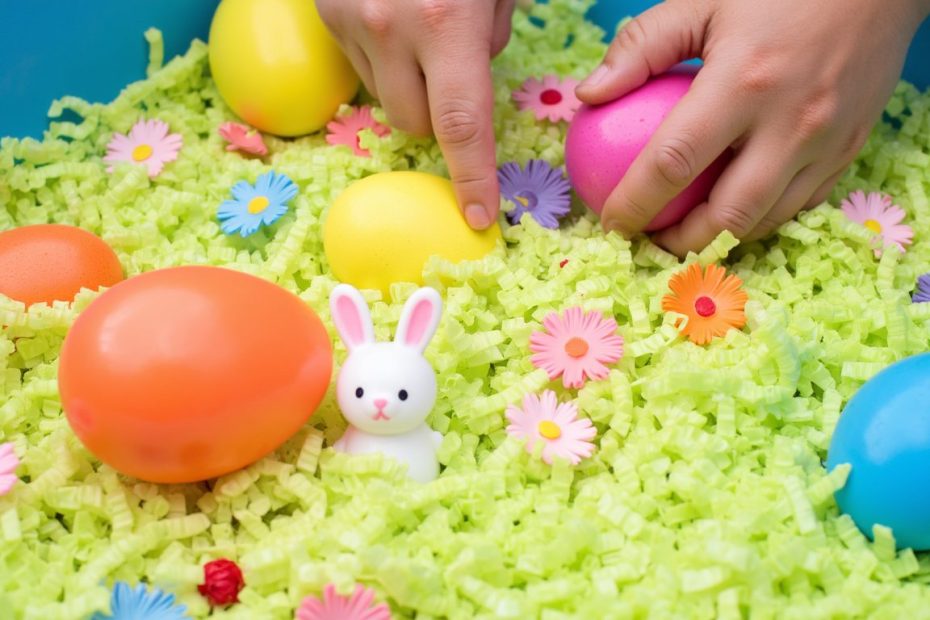
Okay, let’s be real. The week before Easter can feel longer than a line for the last chocolate bunny. The kids are buzzing with sugar-fueled anticipation, and you’re just trying to keep the glitter (and the chaos) contained. What if I told you the secret weapon isn’t another plastic toy, but a simple bin? Sensory play is the ultimate hack for engaging, calming, and secretly educating your kiddos. And Easter? It’s a sensory goldmine. So, ditch the stress and dive into these 13 Easter sensory bin ideas that are guaranteed to hatch some serious fun.
1. The Classic Easter Grass Dig
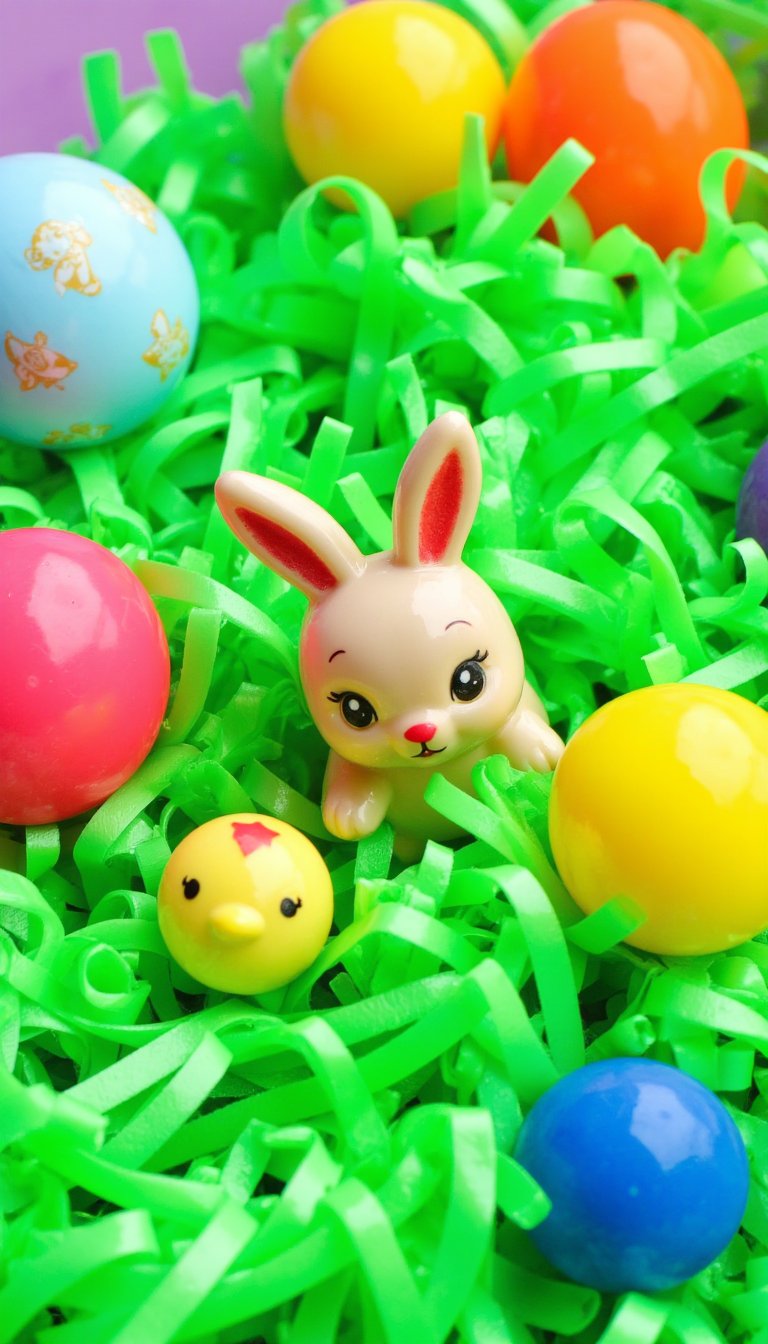
You can’t go wrong with a classic. This bin is all about the satisfying crinkle and rustle of that iconic green Easter grass. Fill a bin about halfway and let the treasure hunt begin!
Hide small, themed items like plastic eggs, tiny bunny figurines, chick toys, and colorful pom-poms. The goal? Dig, sift, and discover. It’s fantastic for developing fine motor skills as those little fingers pinch and grasp. Pro tip: Use a muffin tin for sorting the found treasures by color or type. Easy, effective, and always a hit.
2. Rainbow Rice Egg Hunt

Take your sensory base to the next level with vibrant, dyed rice. It’s surprisingly simple to make with vinegar and food coloring, and the visual pop is incredible. The texture is wonderfully scoopable and pours beautifully.
Bury a whole collection of plastic Easter eggs in the rice. Some can be empty, some can have a surprise inside like a small toy or a fuzzy chick. The contrast of the smooth eggs against the granular rice creates a fantastic tactile experience. Plus, the cleanup is a breeze if you lay down a sheet first—most of the rice just pours right back into the bin!
3. Chickpea “Carrot Patch” Sensory Bin
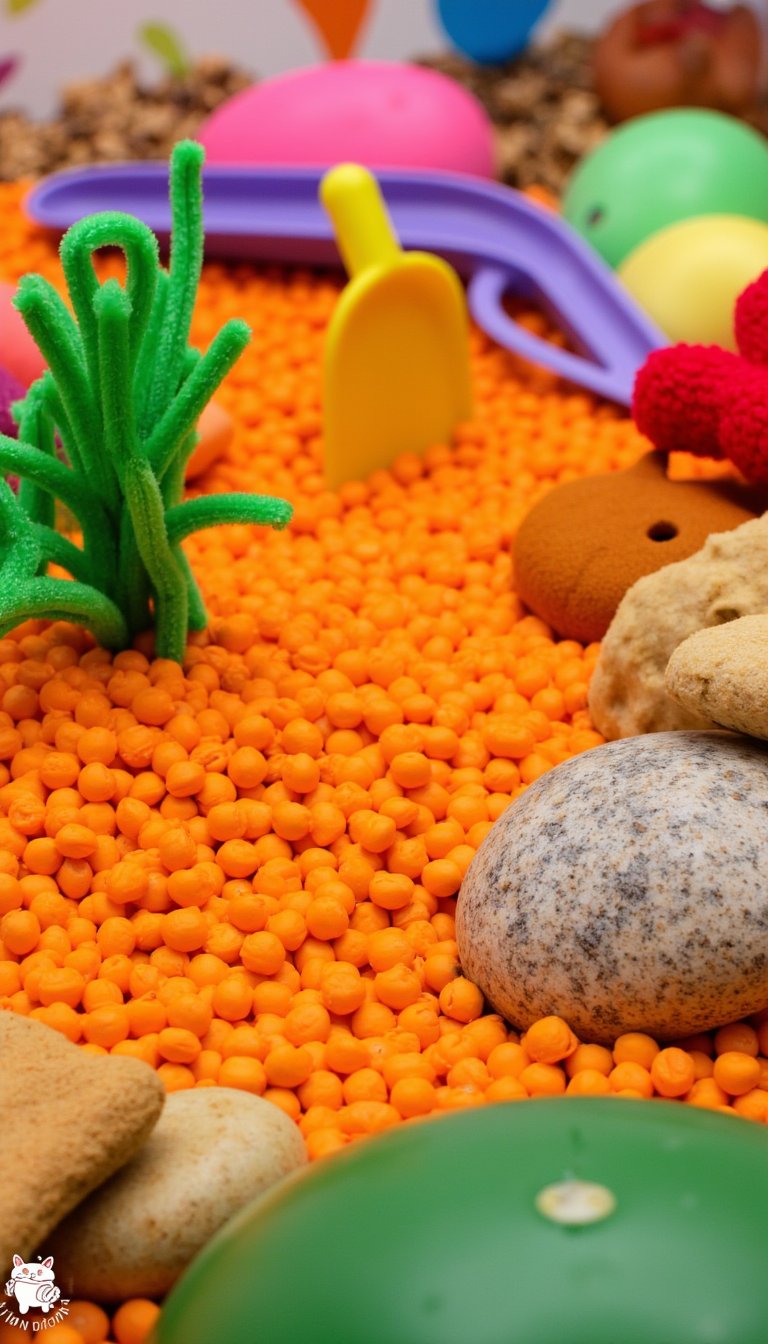
This one is a textural dream and looks absolutely adorable. Dye dried chickpeas a vibrant orange using food coloring and a dash of vinegar. Once dry, they become your perfect “carrot” base.
Add in some green pipe cleaners or pieces of felt for the carrot tops. Toss in a few small garden tools, like a kid-friendly trowel or rake, and maybe a bunny figurine or two. Kids love “planting” and “harvesting” their crunchy carrot crop. It’s a wonderful way to incorporate a little imaginative garden play.
4. Water Bead Wonderland
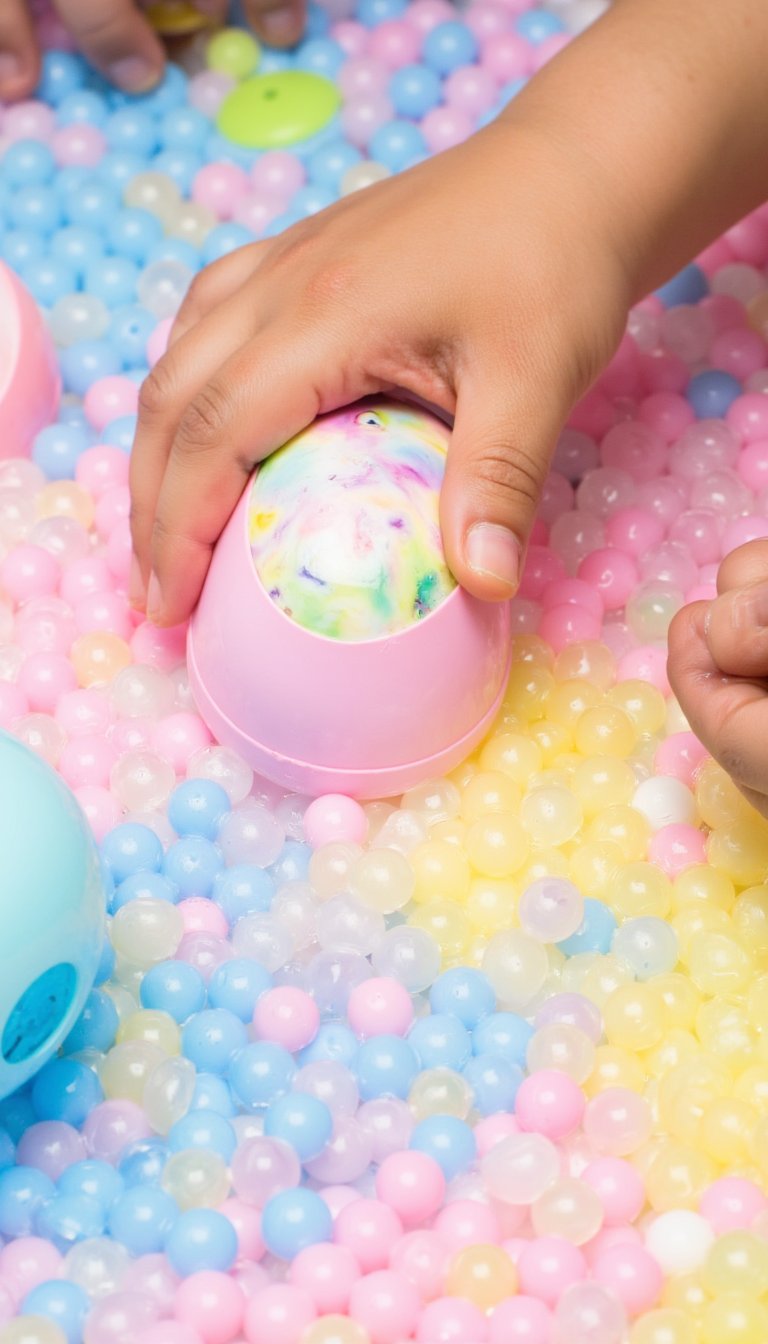
For a truly mesmerizing experience, you can’t beat water beads. Soak them overnight to create a squishy, jelly-like base in pastel Easter colors. The sensory feedback is unbeatable—cool, smooth, and oddly satisfying to squeeze.
Always supervise closely with water beads, as they are not for mouthing little ones. For older toddlers and preschoolers, add plastic eggs, scoops, and bowls. They can fill eggs with the beads, practice pouring, or just run their hands through the slimy, slippery goodness. It’s a science experiment and a play session in one.
5. Bunny Tails & Cotton Ball Cloud
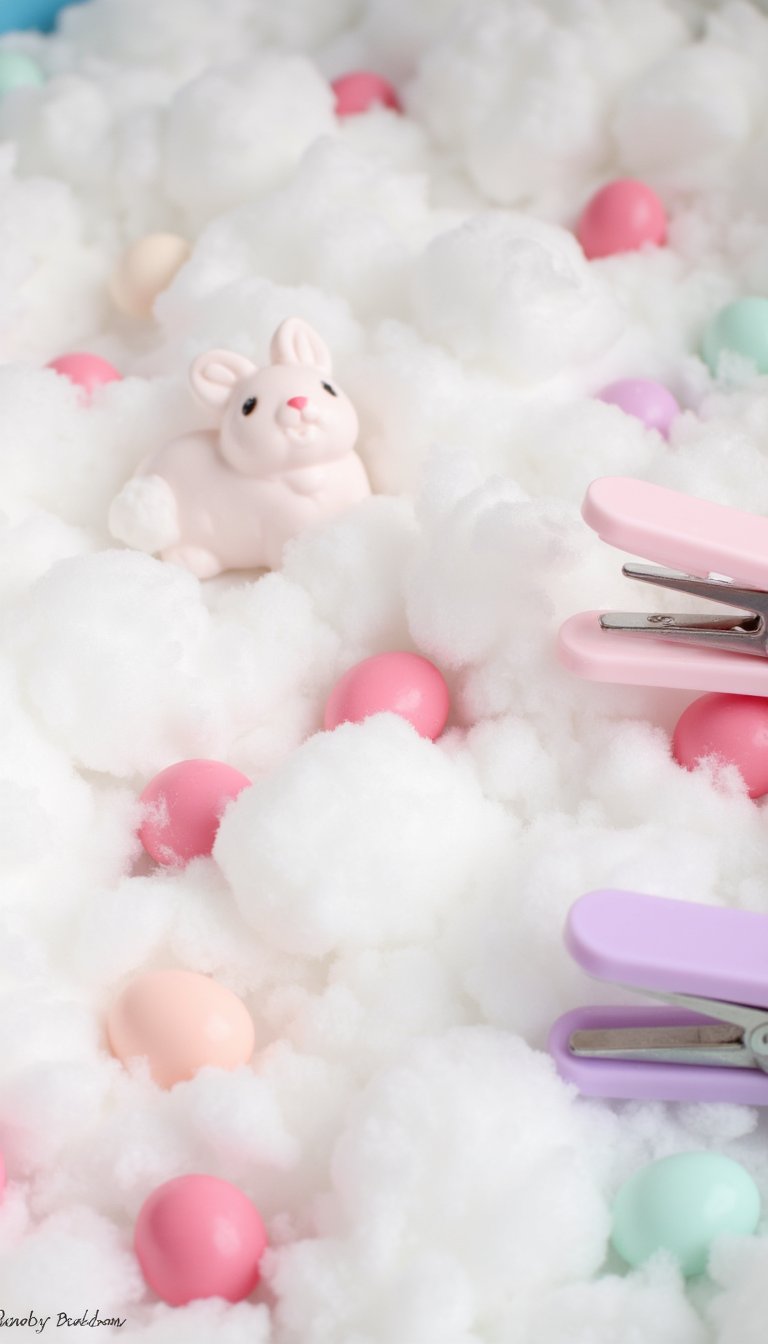
Need something ultra-soft and calming? This bin is your answer. Use a big bag of fluffy white cotton balls or poly-fill as your main “bunny tail” base. It’s silent, lightweight, and incredibly soothing to touch.
Hide pink pompoms (for the nose!), small plastic eggs, and little bunny erasers within the fluff. Provide tweezers or plastic clothespins for an added fine motor challenge. This is a perfect low-mess, quiet-time activity that still feels magically Easter-themed.
6. Easter Egg Rescue in Blue “Water”
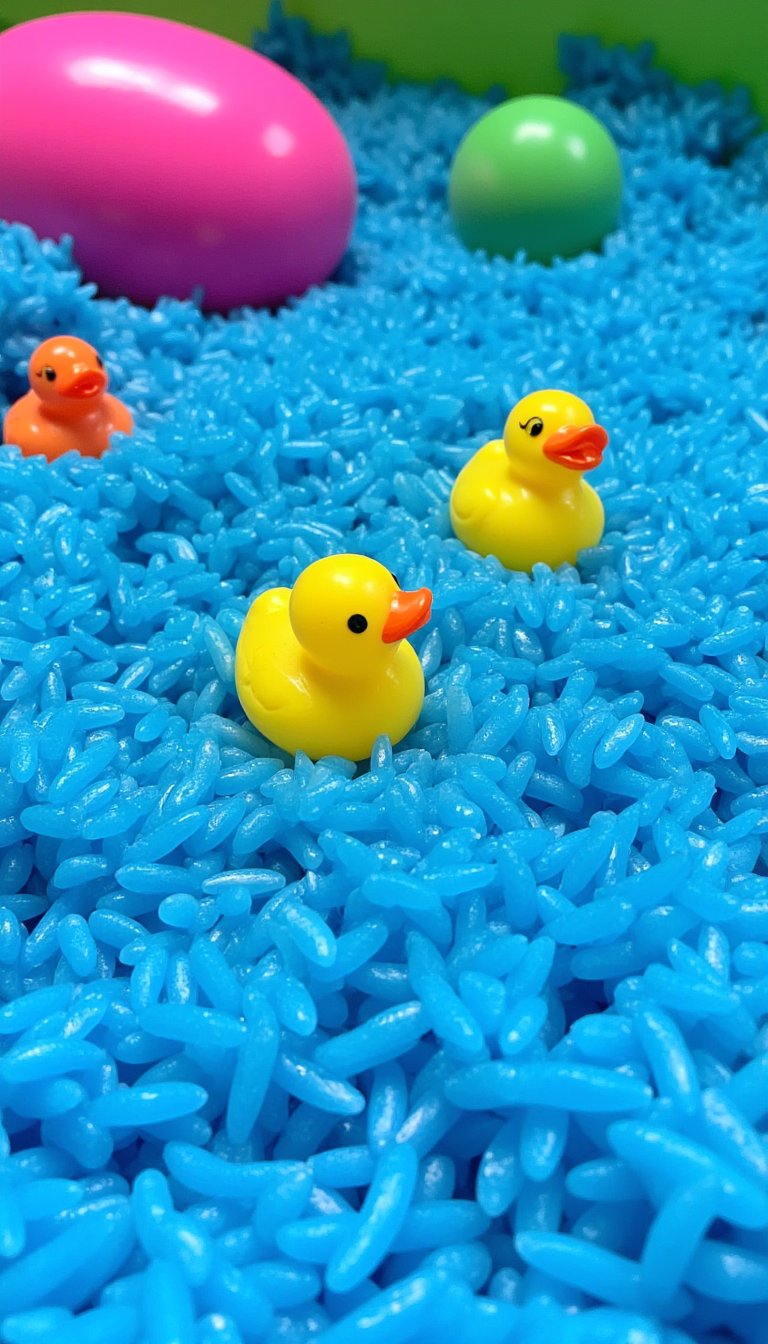
Create a beautiful blue sensory “water” base without the splash! Use blue dyed rice, shredded blue paper, or even blue kinetic sand. The goal is to mimic a pond or a cool spring sky.
Then, “trap” your plastic Easter eggs by partially burying them or placing them in the bin. Give your child tongs, spoons, or even a small fishing net to stage the great egg rescue mission. Add some duck or frog figurines to complete the scene. It’s play that builds problem-solving skills without them even knowing it.
7. Scented Lavender & Purple Rice Bin
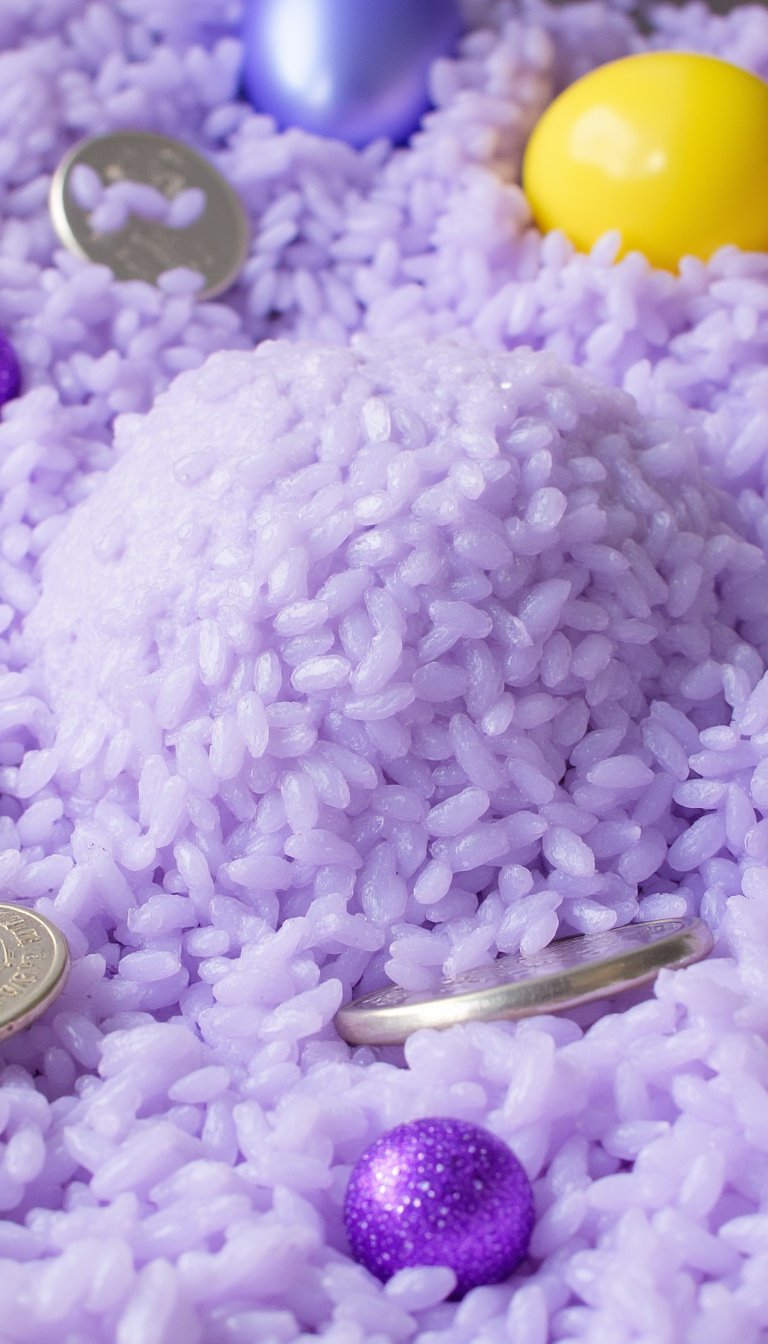
Engage the sense of smell with this beautifully calming bin. Dye your rice a lovely lavender or pastel purple. Before it dries, you can mix in a few drops of lavender essential oil (kid-safe, diluted) or just use dried lavender flowers.
The soothing scent combined with the gentle sound of rice pouring is a sensory double-whammy. Hide silver or gold coins (for “Easter treasure”), sparkly beads, or purple and yellow eggs. This bin is practically a spa treatment for overstimulated little ones—and maybe for you, too!
8. Construction Site Egg Dig
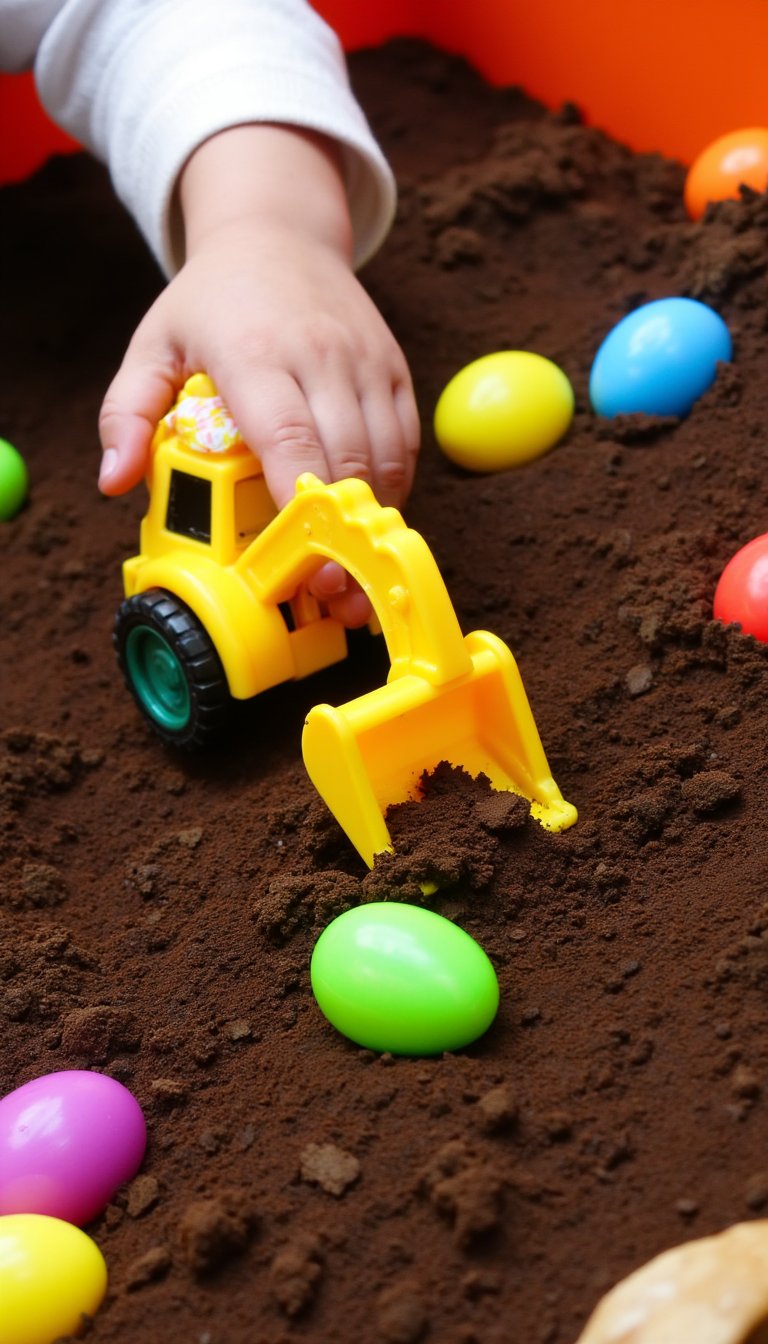
Got a vehicle-obsessed kiddo? Merge their passion with the holiday! Use dry black beans, brown kinetic sand, or even coffee grounds as your “dirt” base. It’s the perfect gritty, construction-ready material.
Bury those eggs deep! Then, bring in the trucks: dump trucks, diggers, and bulldozers. Their mission is to excavate the Easter eggs and load them into their trucks. It’s a fantastic way to encourage heavy work play and imaginative storytelling, all within the confines of a sensory bin. Win-win.
9. Jelly “Egg” Discovery Bin
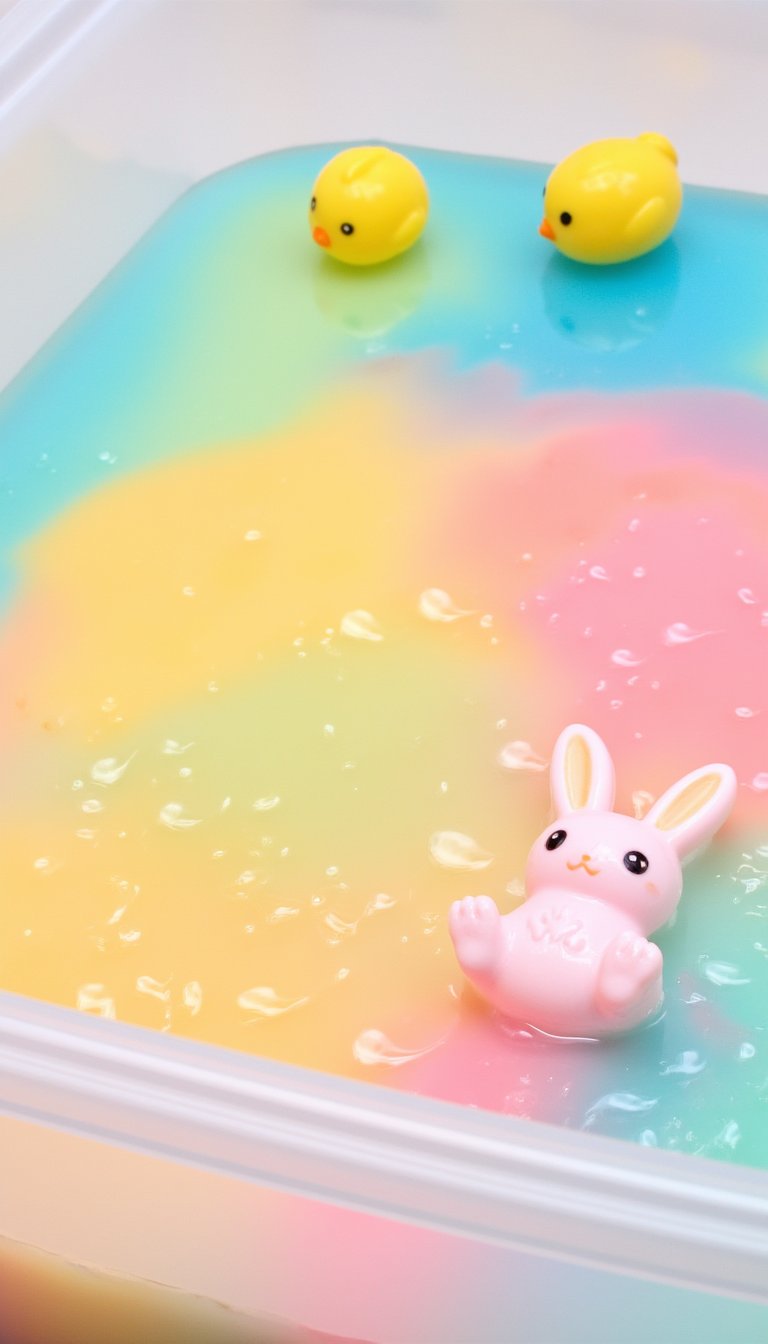
This one is gloriously messy and 100% taste-safe, making it ideal for the youngest explorers. Make several batches of pastel-colored jelly (Jell-O) according to package directions and let it set in a large, shallow bin.
Before it fully sets, embed small plastic toys like chicks or bunnies. Then, let the squishy, wobbly exploration begin! Kids can dig with their hands, use spoons, and experience the unique temperature and texture. It’s a full sensory immersion, and the cleanup involves a quick rinse in the tub. 😉
10. Pom-Pom Sorting Extravaganza
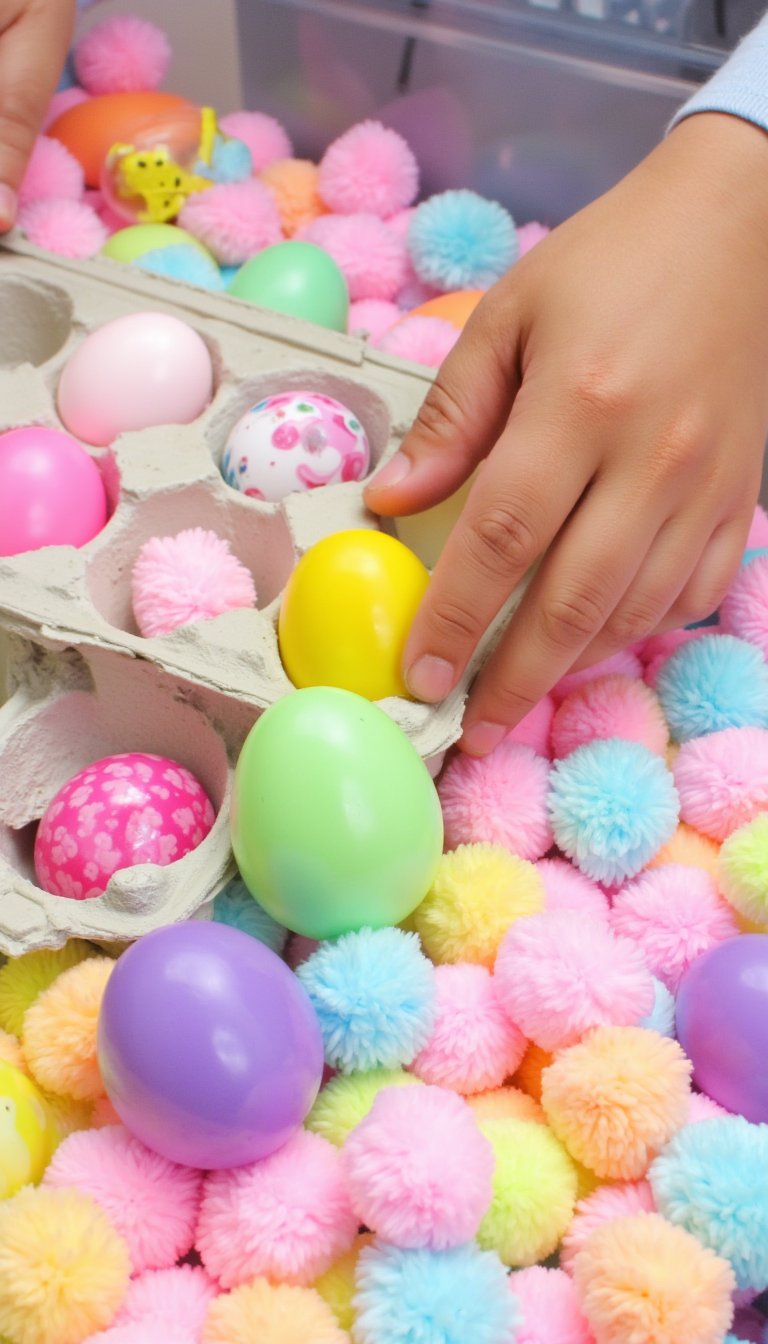
Turn color matching into a festive game. Fill a bin with an explosion of pastel-colored pom-poms in various sizes. They’re soft, lightweight, and oh-so-colorful.
Provide matching plastic Easter eggs, an egg carton, or colored bowls. The challenge is to sort the pom-poms by color into the corresponding eggs or containers. You can even write numbers on the eggs for a simple counting game. This bin is a powerhouse for teaching early math concepts in a playful, hands-on way.
11. Frozen Easter Egg Arctic Adventure
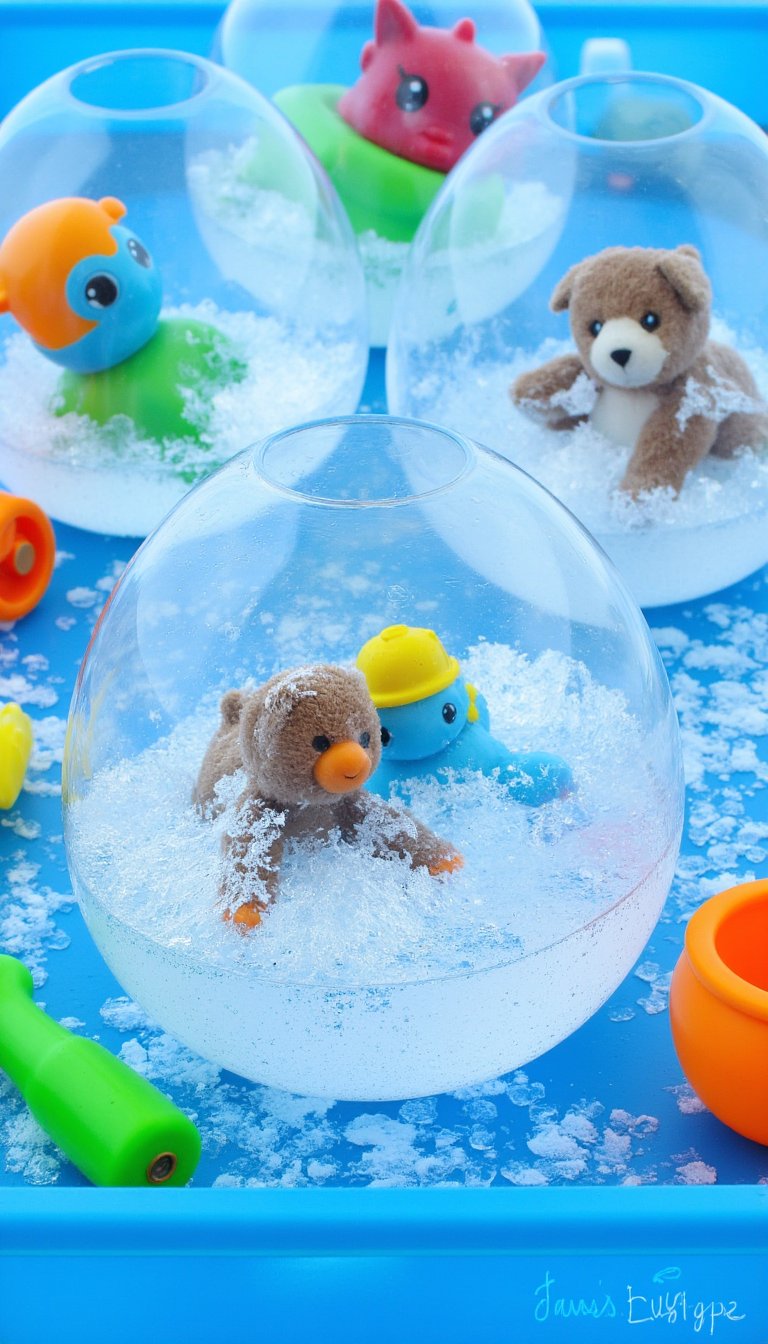
Who says Easter can’t be cool? Freeze small toys like chicks or beads inside ice eggs (use balloon molds or Easter egg molds). Place your frozen treasures in a bin with tools for rescue: warm water in squeeze bottles, kid-safe hammers, and salt shakers.
Watching the ice melt and crack to reveal the prize inside is a mini science lesson about temperature and states of matter. It’s engaging, prolongs the activity, and is perfect for a sunny day outside.
12. Easter Garden with Real Dirt
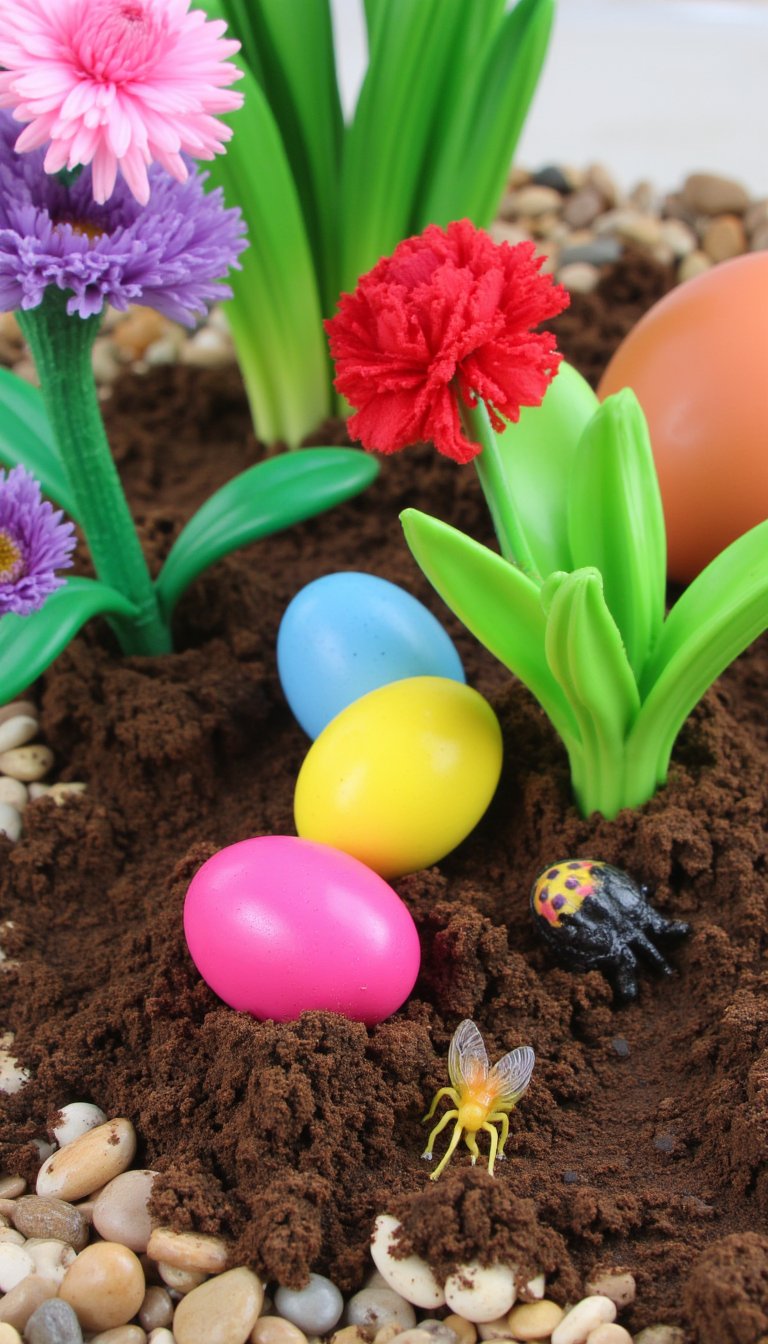
For the kid who isn’t afraid of a little dirt (bless them), go authentic. Use potting soil as your base—it smells earthy and feels wonderfully crumbly. Add in some silk or plastic flowers, small pebbles, and plastic bugs.
Then, “plant” your Easter eggs! Provide small shovels, pots, and a watering can (with just a little water, trust me). They can create their own Easter garden scene, bury and find eggs, and care for their flowers. It’s a beautiful way to connect sensory play with nature.
13. Magnetic Egg Fishing
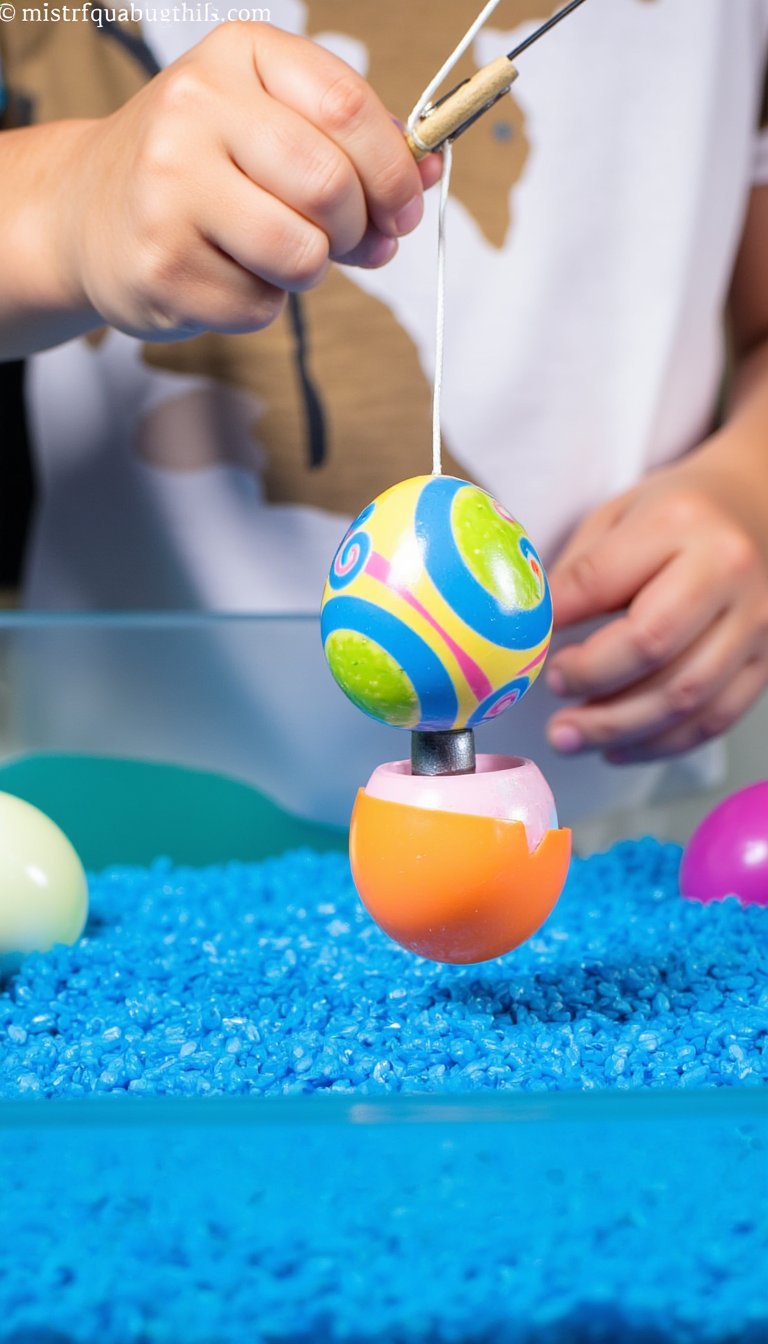
Put a clever twist on the egg hunt. Glue or tape a small magnet inside each plastic Easter egg. Fill your bin with your choice of sensory material—colored rice or shredded paper works great.
Then, make a simple fishing rod with a stick, string, and a paperclip hook. Your little angler can now “fish” for Easter eggs! This brilliant activity combines hand-eye coordination, cause-and-effect learning, and all the fun of a magnetic attraction. It’s sure to hook their attention.
See? Easter sensory play is so much more than just a messy distraction. It’s a toolbox for development, a calmer for crazy days, and a spark for endless imagination. The best part? You likely have most of these materials already hiding in your pantry or craft closet.
So, pick one or two that make you smile, set it up on an old sheet, and watch the magic happen. Your kids get an engaging activity, and you get a moment of peace (and maybe a hidden chocolate egg for yourself). That’s what I call a happy Easter. Now, go fill those bins and make some memories!