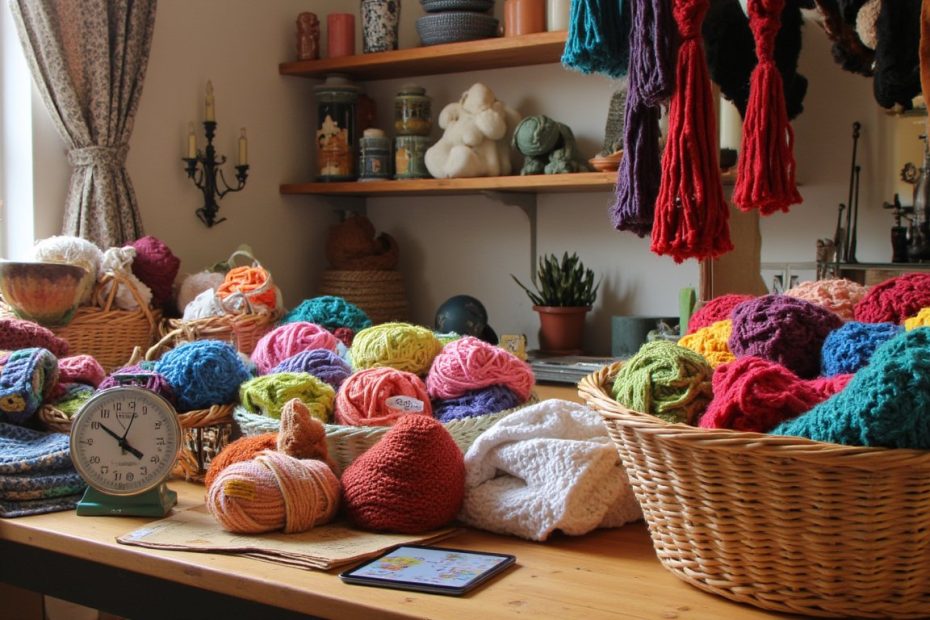
You spend hours creating beautiful things with your own two hands. Your yarn stash has its own zip code. And every time you finish a project, a little voice whispers, “Maybe I could sell this?” Let’s turn that maybe into a definite yes. Forget the overwhelm of starting a business; we’re breaking it down into 19 actionable, creative, and totally doable crochet shop ideas. Grab your favorite hook, and let’s sketch out your dream.
1. The Classic Etsy Empire
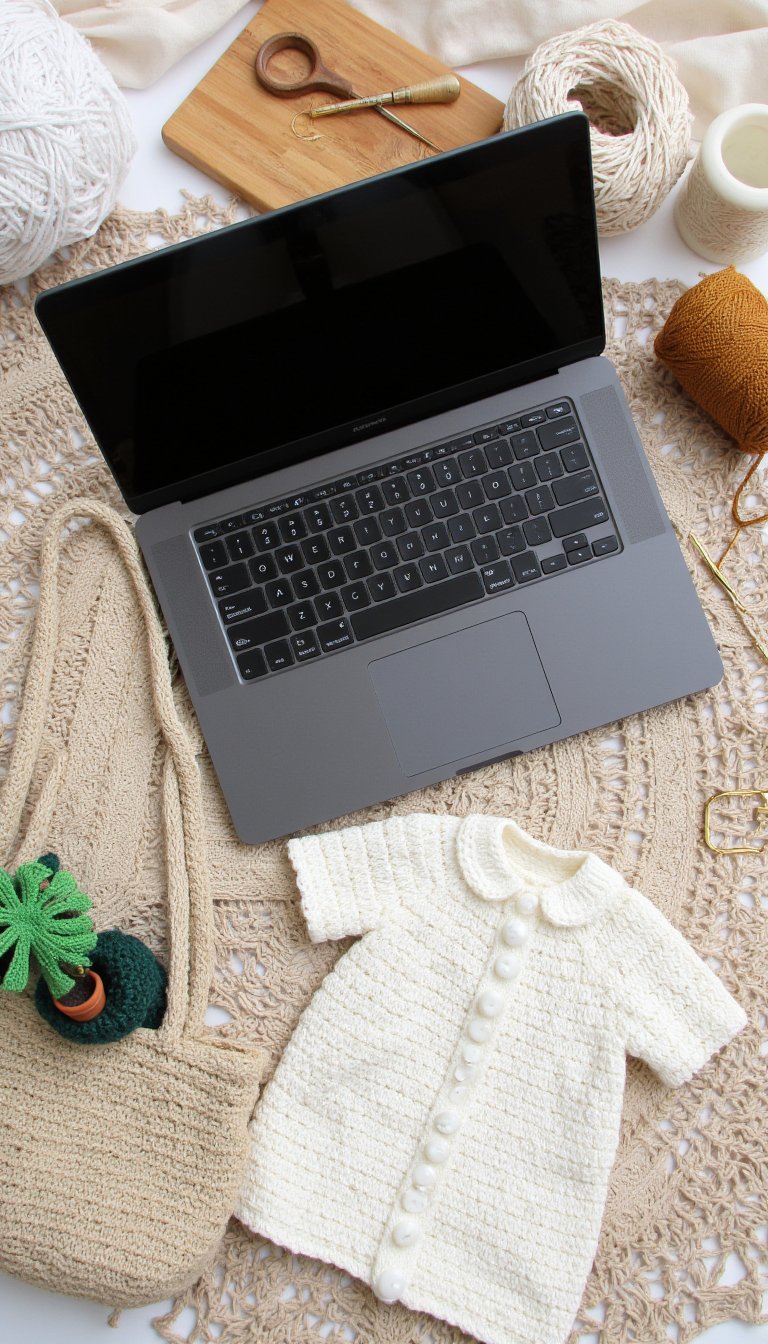
This is the launchpad for countless crafty entrepreneurs. Etsy provides a built-in audience of millions searching for handmade goods. Your mission here is niching down. Don’t just sell “crochet.” Sell hyper-specific, photo-worthy items like cottagecore market bags, anatomically correct amigurumi plants, or heirloom-style christening gowns. Master your SEO in the listings (those tags are everything!), and you’ve got a global storefront that’s open 24/7.
2. The Subscription Box Service
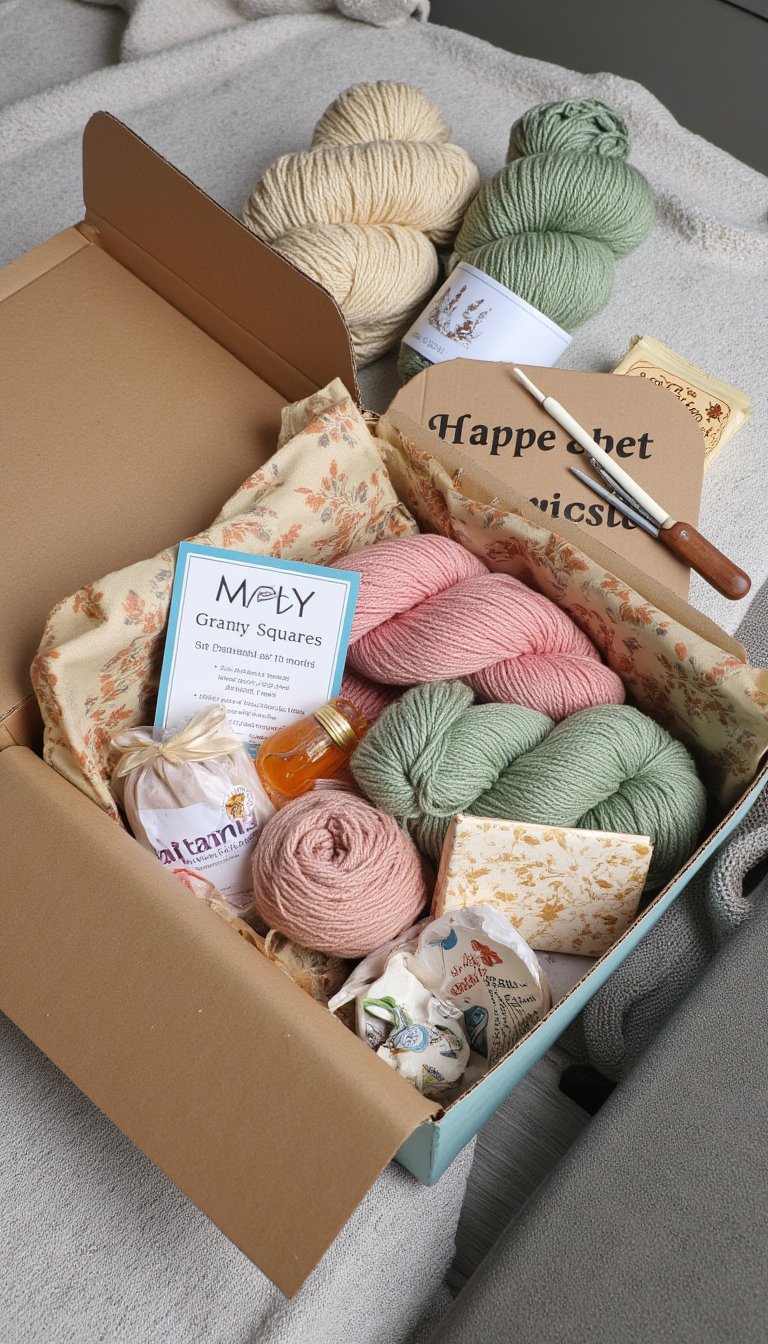
Create a monthly dose of crochet joy that lands on a customer’s doorstep. This model builds recurring revenue and a loyal community. You could curate a mini-skein box for granny square enthusiasts, a “Crochet & Chill” box with a new pattern, the exclusive yarn for it, and some themed treats, or a beginner-friendly kit that teaches a new stitch each month. The unboxing experience is half the magic!
3. The Digital Pattern Shop
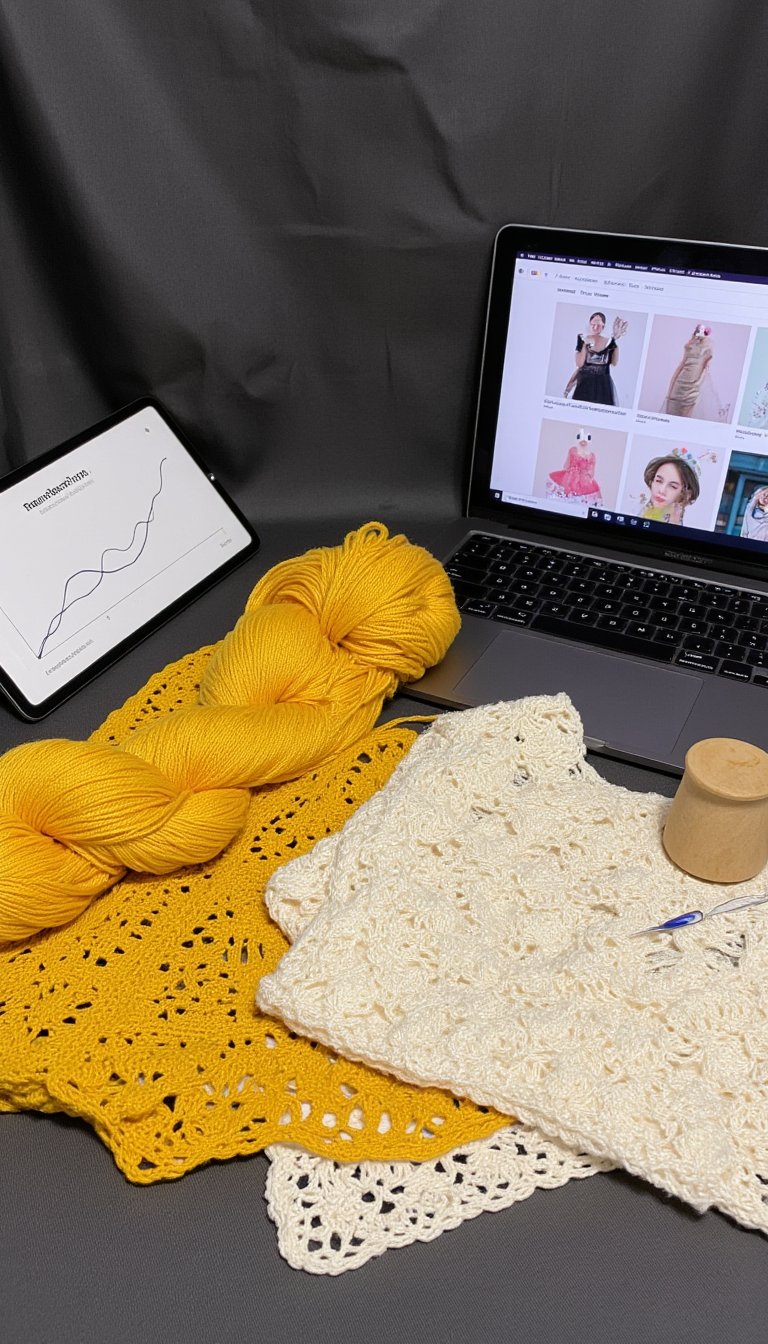
Sell your expertise, not just your time. Once you design a pattern, you can sell it infinitely. Platforms like Ravelry, Etsy, and your own website are perfect. Focus on clear, well-photographed, and meticulously tested patterns. Think about what’s trending—are people going wild for balletcore tops or whimsical home decor? That’s your cue. This is a fantastic way to build a name as a designer.
4. The “Make Your Own” Kit Business
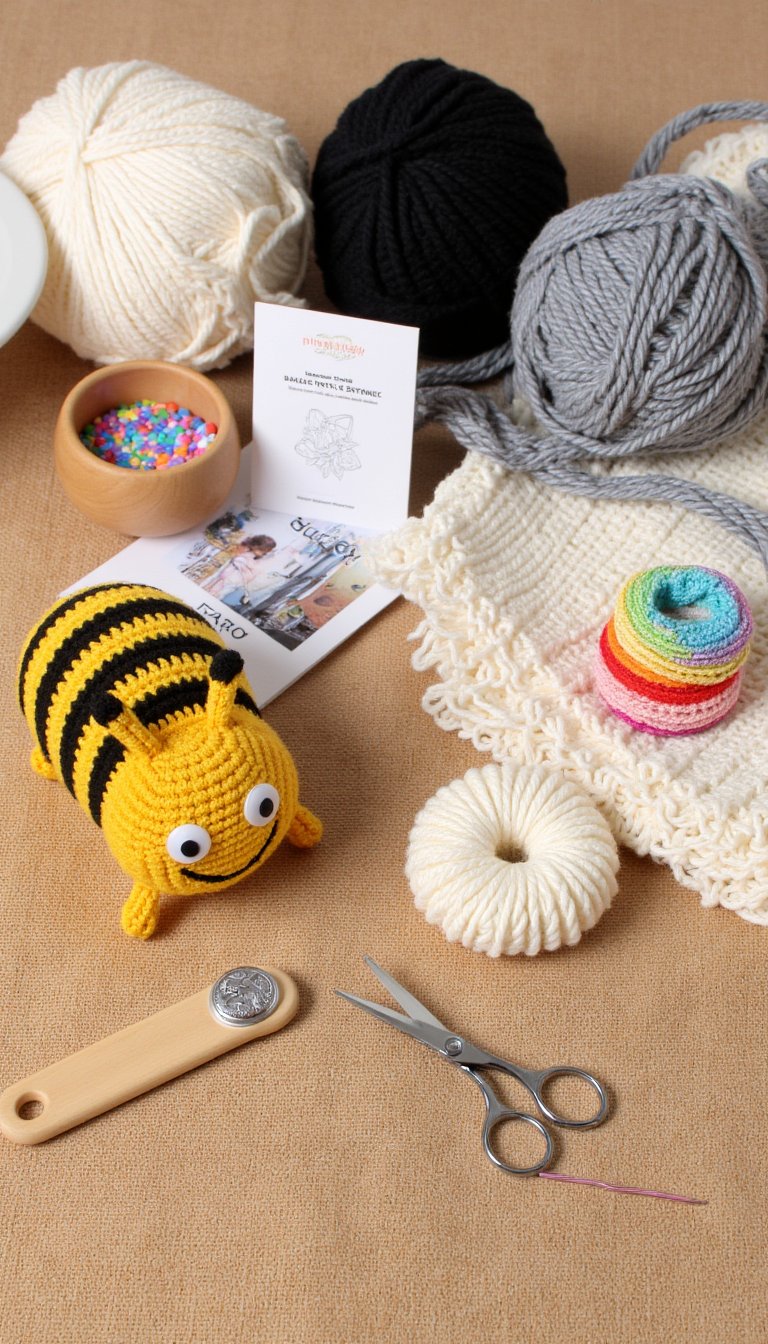
Tap into the satisfying “I made it myself” trend. Package everything a beginner needs to complete a specific project: the right amount of premium yarn, the correct hook, a clear pattern, a darning needle, and maybe even a little stitch marker. Kits for simple scrunchies, chunky blankets, or a single, adorable bee amigurumi are huge hits. It’s gift-ready and removes the guesswork for new crocheters.
5. Local Boutique & Consignment
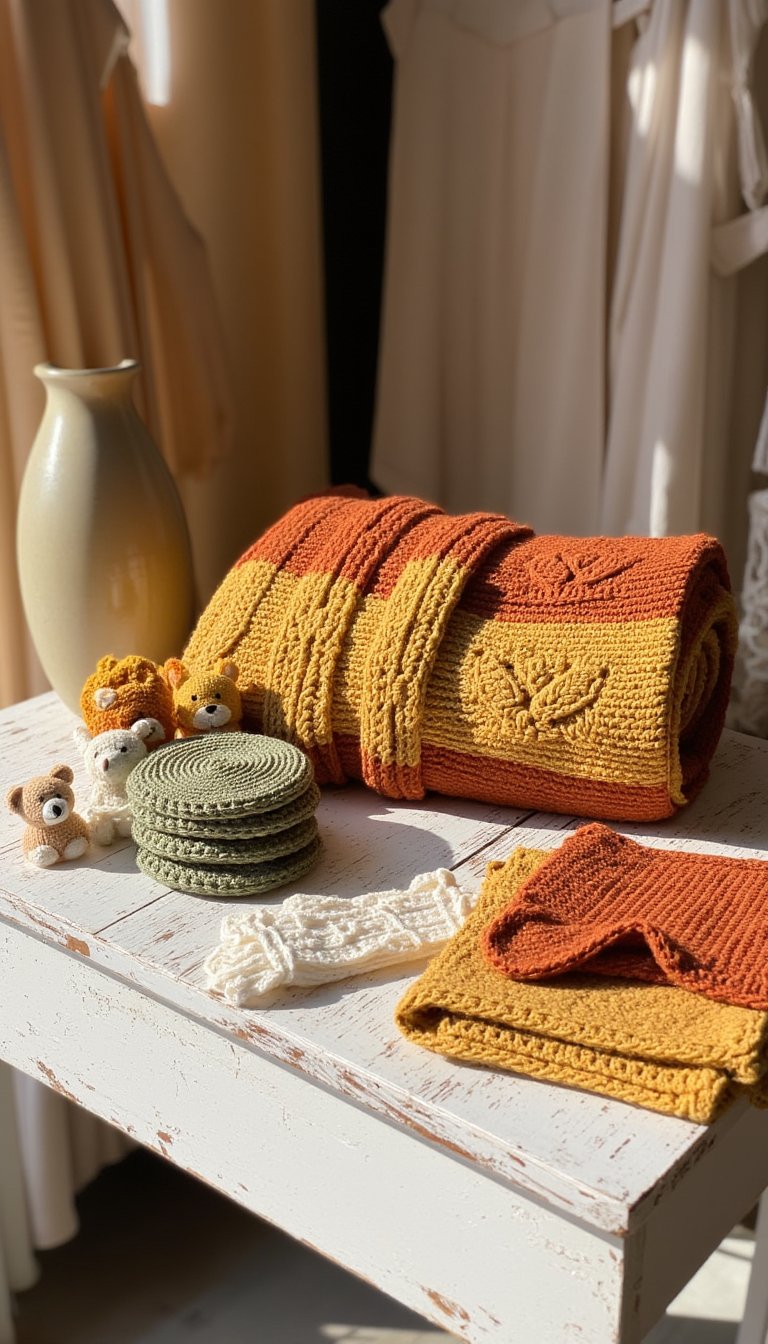
Get your work in front of real people in your community. Approach local boutiques, baby stores, gift shops, or even coffee houses with a selection of your best work. A consignment model (where the shop takes a percentage of the sale) is a common starting point. This builds local brand recognition and lets you test which items sell fastest in a physical retail environment.
6. Farmers’ Market & Craft Fair Stand
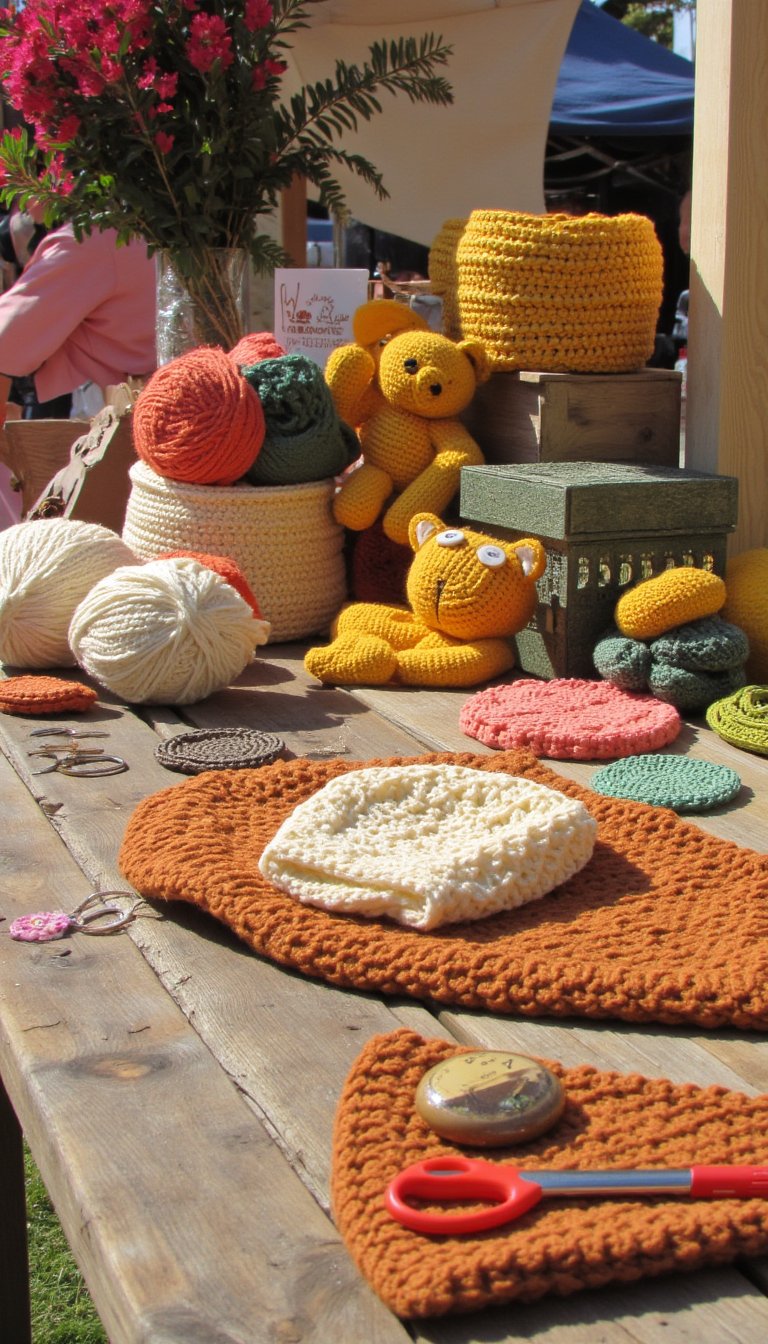
The OG way to sell handmade. The face-to-face interaction is priceless. You get instant feedback, build a local following, and create a sense of urgency with limited-time, in-person shopping. Pro tip: Have a variety of price points—small, impulse-buy items like keychains alongside your show-stopper blankets. And always, always crochet at your stall. It’s a magnet for conversation.
7. Custom Commissions & Heirlooms
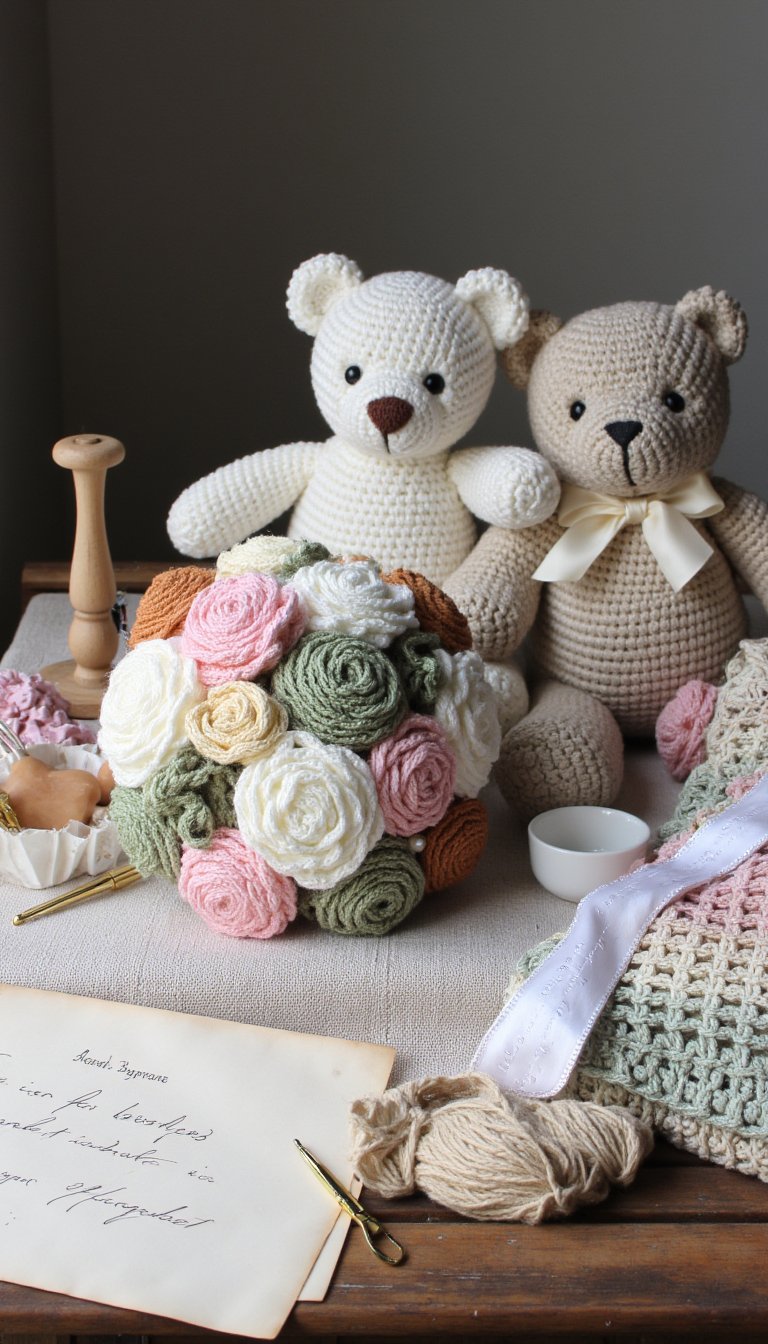
Become the go-to artist for one-of-a-kind pieces. This could mean recreating a beloved, tattered childhood lovey, crafting a wedding bouquet out of flowers that never wilt, or designing a custom color palette blanket for a new nursery. Set clear boundaries on timelines, pricing, and revision rounds. Your shop becomes less about inventory and more about a personalized, premium service.
8. Wholesale to Larger Retailers
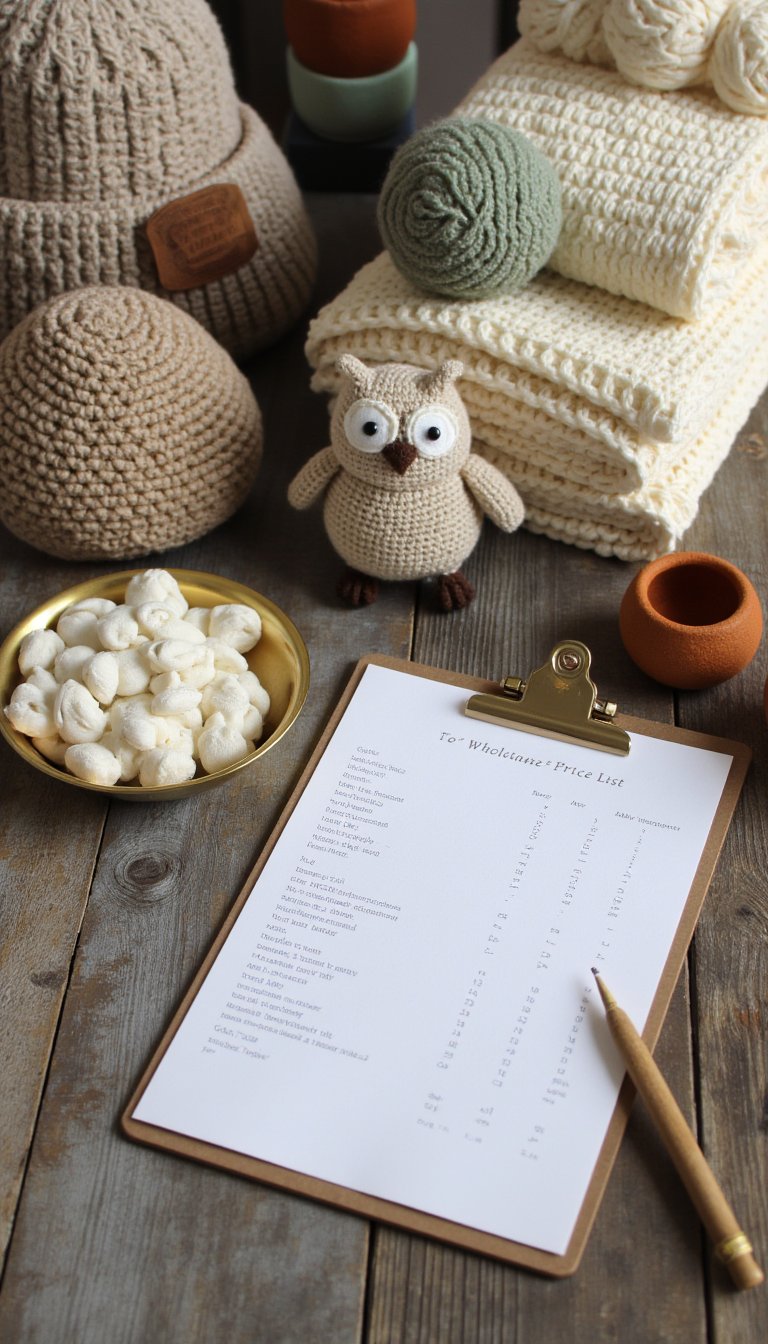
Ready to scale? Pitch your products to gift shops, museum stores, or small chain retailers. This involves creating a streamlined, replicable product line, a wholesale price list (typically 50% of retail), and minimum order quantities. It’s a volume game, but it can turn your cozy craft into a serious business with much larger reach.
9. The Crochet Mystery Box
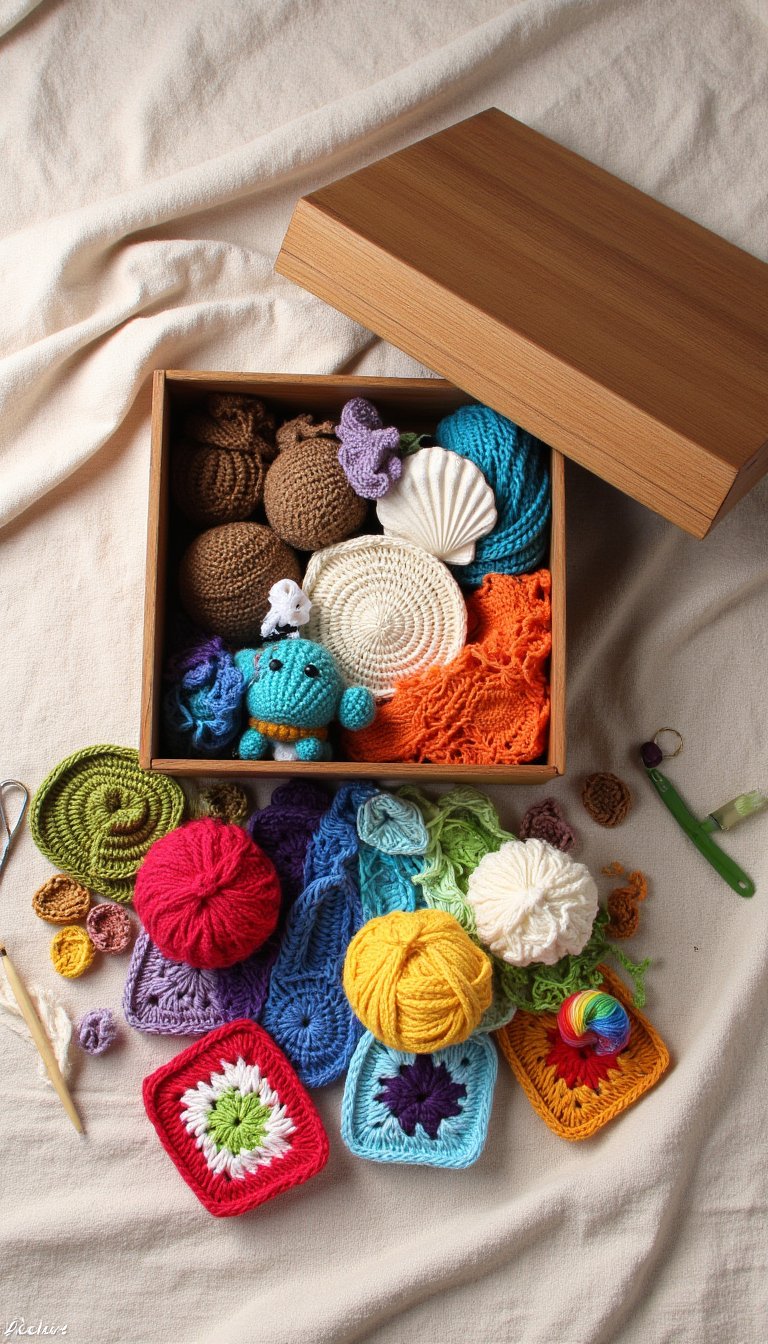
Who doesn’t love a surprise? This is a thrilling spin on the subscription box. Customers order a box themed around a vibe—like “Goblin Core,” “Coastal Grandma,” or “Rainbow Bright”—and receive a curated selection of your makes that fit the theme. It’s perfect for using up smaller makes and leftover yarn in a way that feels exclusive and fun.
10. Pet Fashion & Accessories
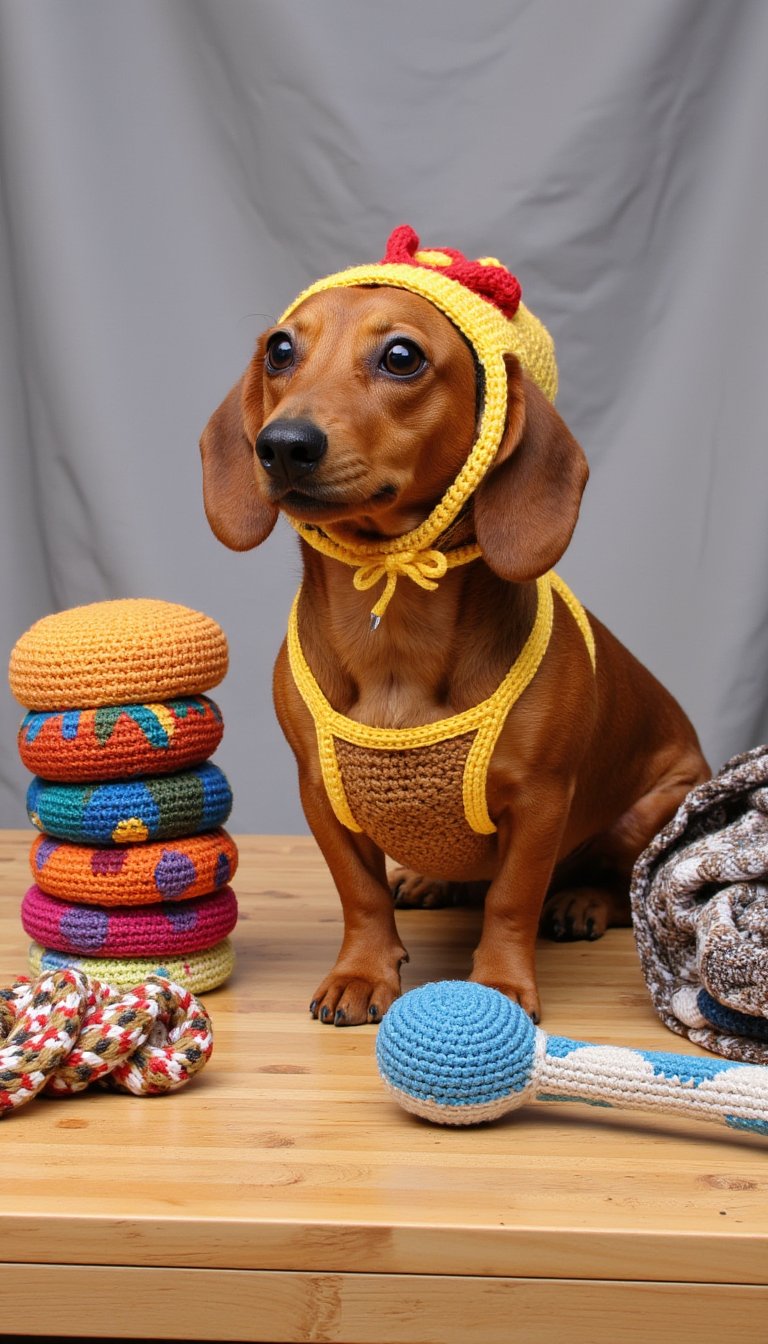
Pet owners are a passionate (and spendy) bunch. Move beyond simple sweaters. Think about breed-specific outfits, durable rope toys, stylish bandanas, or even cute little pet bed blankets. The Instagram potential here is massive. A dachshund in a crochet hot dog costume? That’s marketing gold right there.
11. Eco-Conscious Swaps Shop
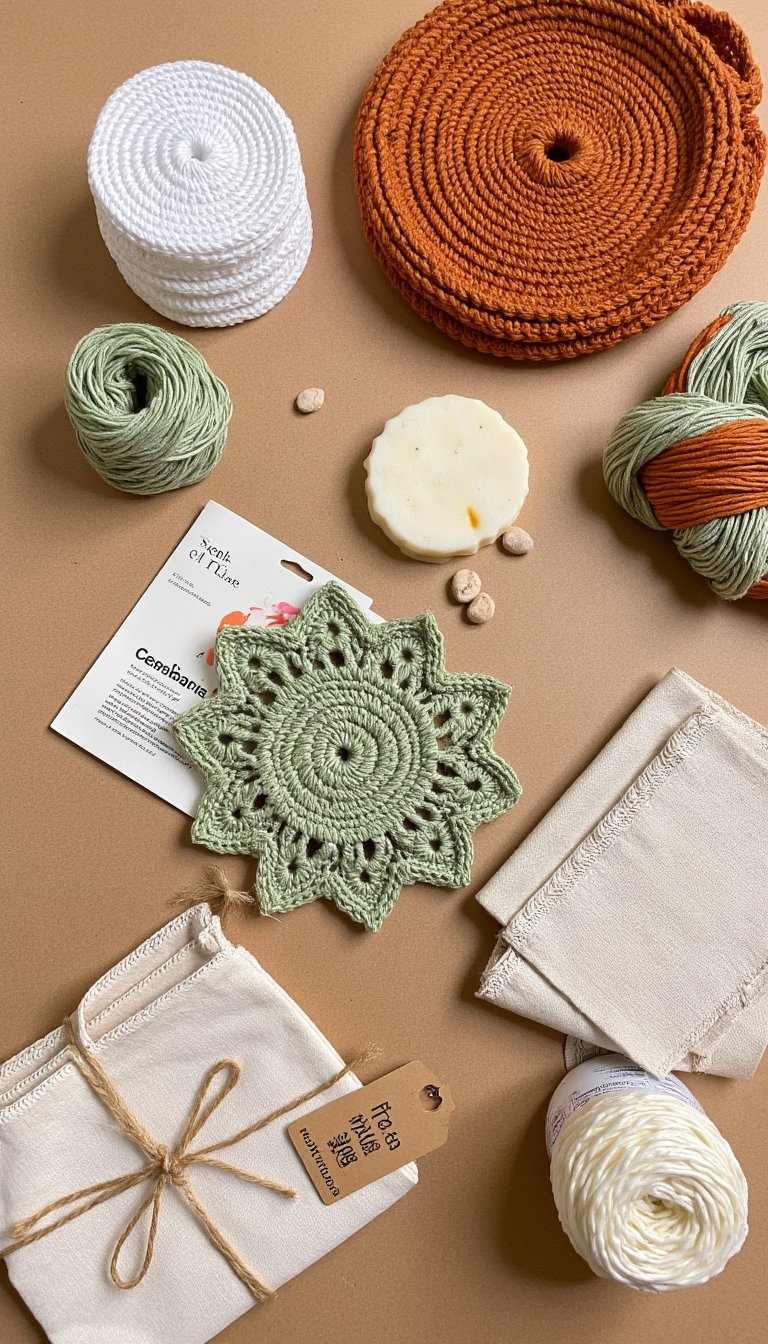
Align your brand with sustainability. Create a line focused on zero-waste alternatives: reusable cotton face rounds, market bags, dish scrubbies made from nylon netting, and beeswax wrap replacements. Use organic cotton, recycled yarns, and plastic-free packaging. You’re not just selling a product; you’re selling a values-based lifestyle choice.
12. Crochet for Wellness & Sensory Needs
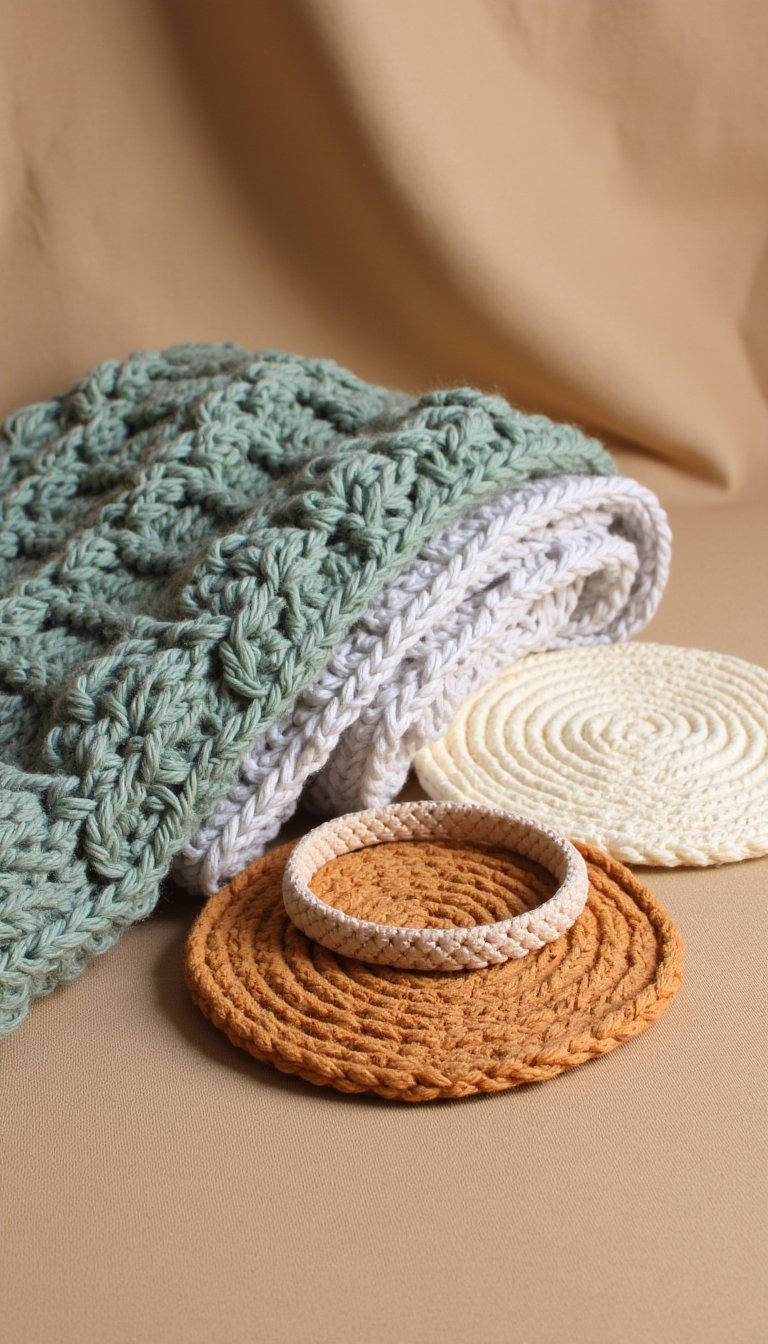
Crochet is inherently therapeutic. Channel that into products designed for comfort. Weighted blankets (with safe, proper filling), textured sensory mats for kids, fidget bracelets, or even simple, repetitive-motion kits for anxiety. This niche serves a real need and connects your craft to the well-being community.
13. Niche Home Decor Focus
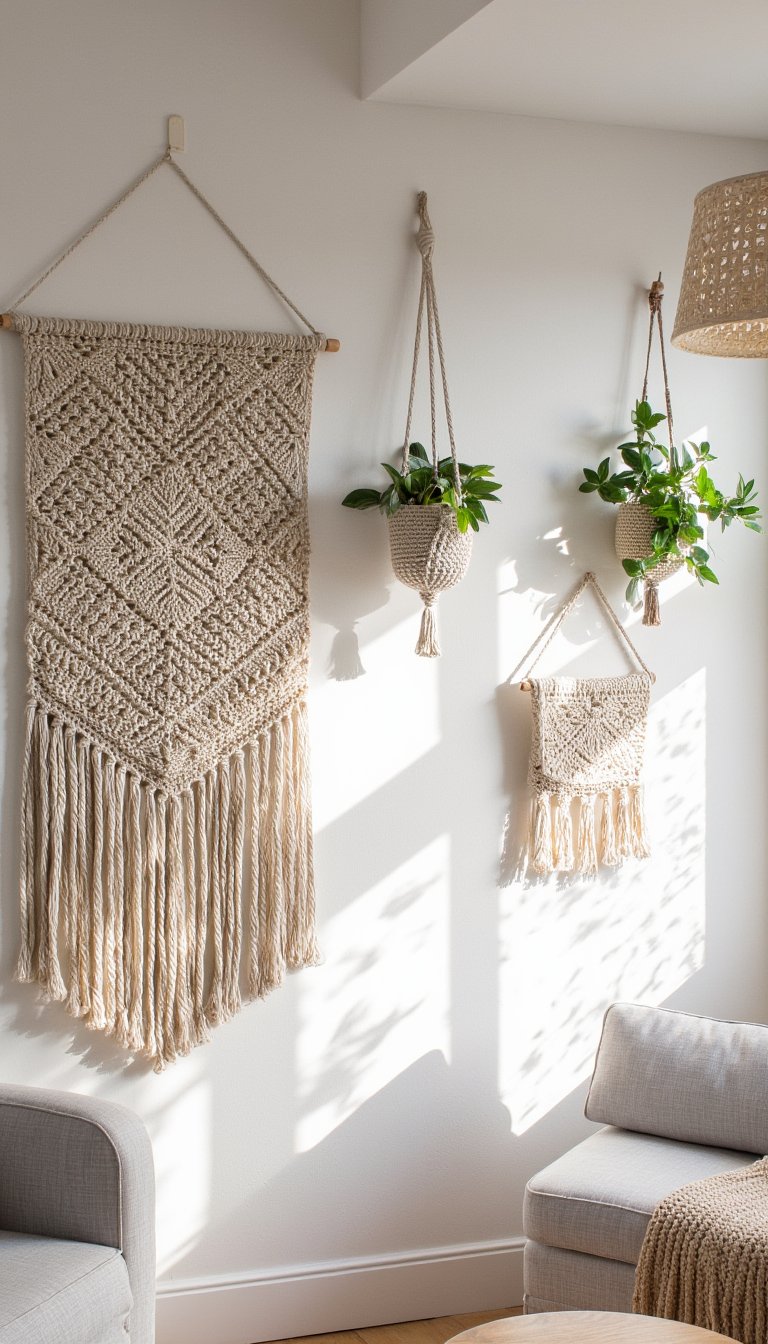
Become *the* source for a specific type of crochet home decor. Maybe you specialize in oversized, textural wall hangings. Or perhaps your thing is ultra-modern, geometric plant hangers and lampshades. By becoming an expert in one decor category, you stand out in a sea of generalists and attract interior design-minded customers.
14. The Wedding & Special Events Specialist
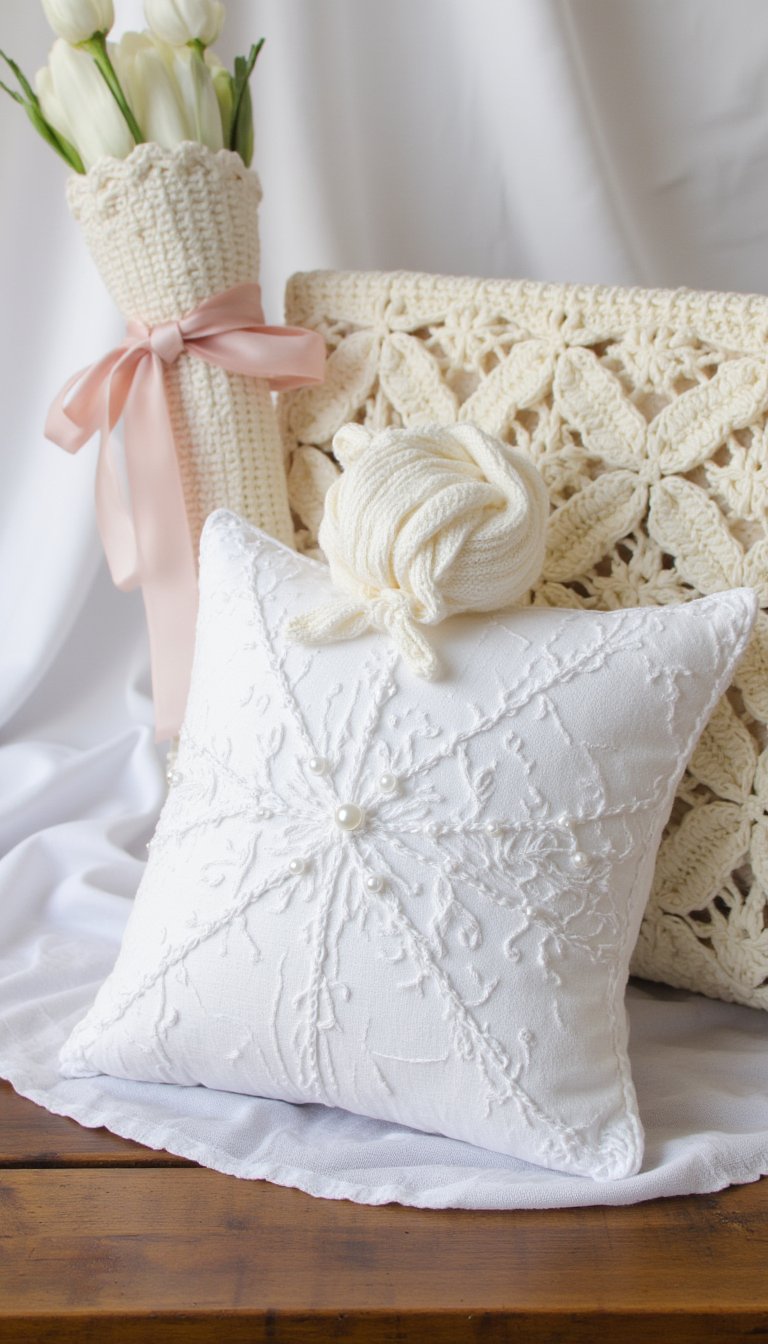
The wedding industry is vast. Offer delicate lace ring bearer pillows, crochet bouquet wraps, custom garlands for receptions, or even elaborate backdrops for photo booths. You can also branch into christenings, milestone birthdays, or baby showers. This is a high-touch, high-reward niche where personalization is key.
15. Teaching & Workshop Hosting
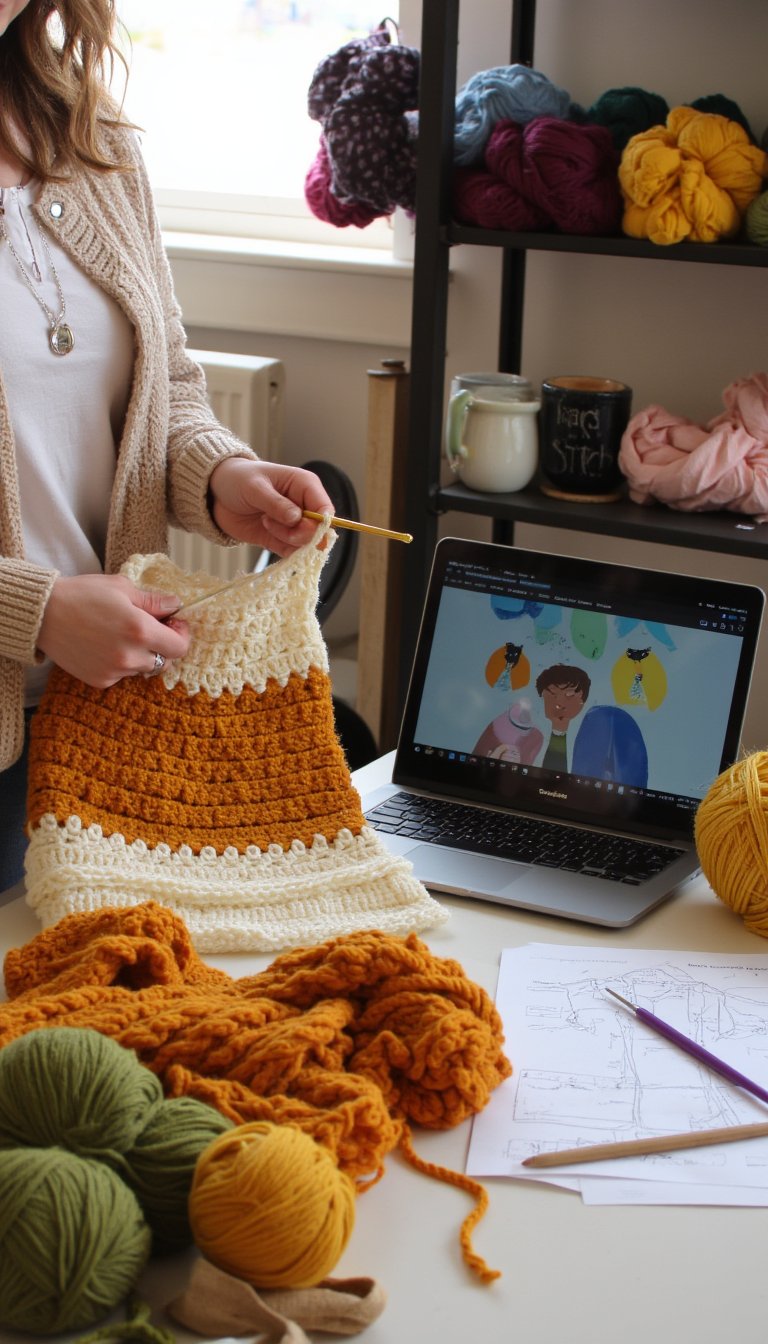
Your shop isn’t just products; it’s your knowledge. Host in-person or virtual workshops for beginners. Sell recorded video courses on specific techniques like garment construction or colorwork. Partner with local yarn shops, community centers, or even offer “Sip & Stitch” nights at a bar. You become the community hub.
16. Affiliate & Content-Based Shop
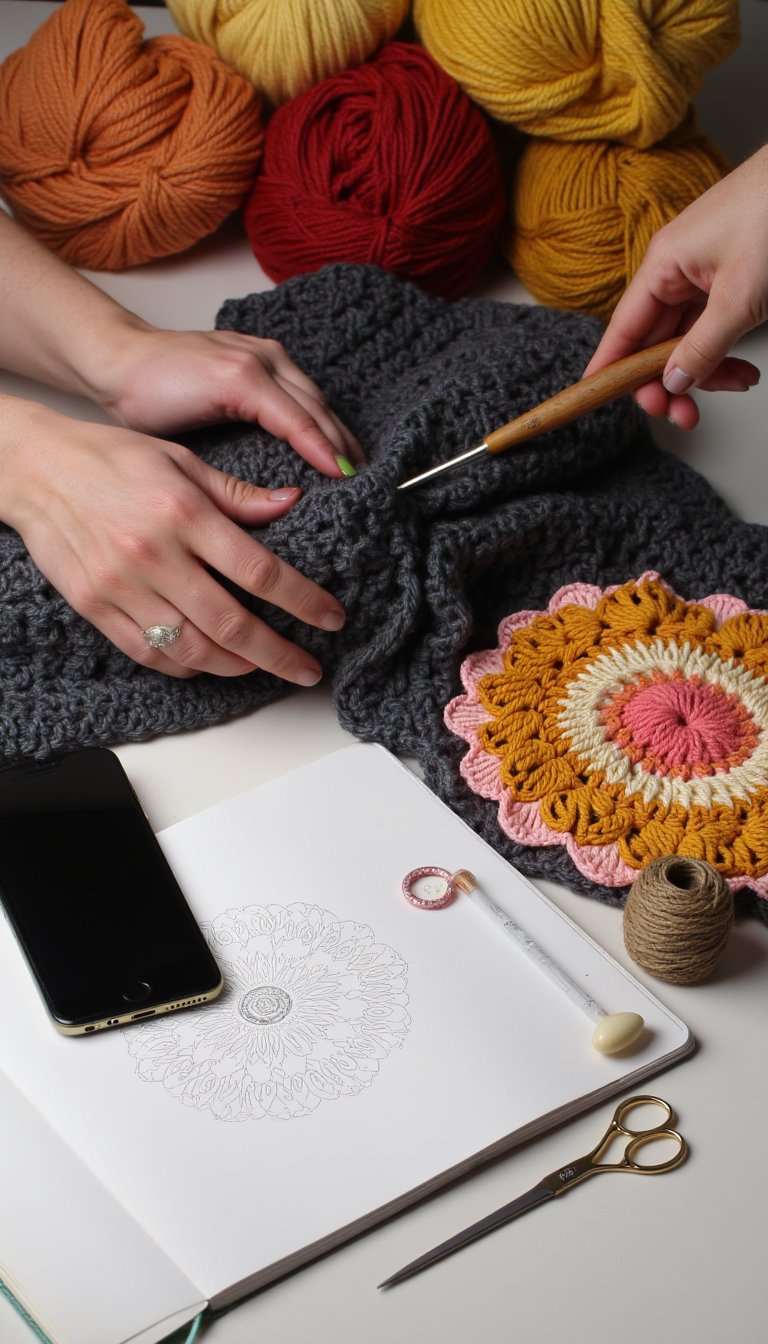
Build an audience first through a blog, TikTok, or YouTube channel focused on crochet tips, tutorials, and reviews. Then, monetize through affiliate links for the yarn and tools you recommend, ad revenue, and selling your own patterns or a small line of signature makes. Your “shop” is your influence and trusted expertise.
17. Collaborative Pop-Up Shops
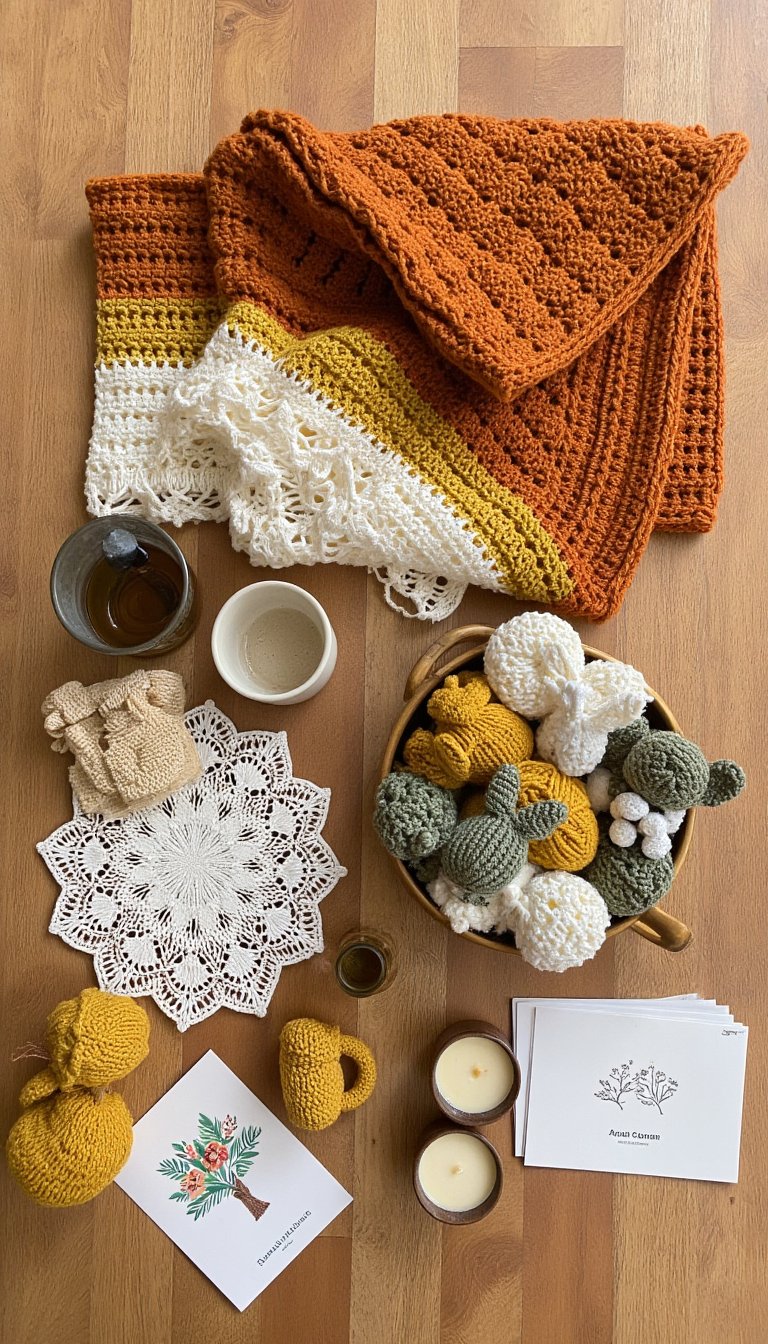
Team up! Partner with other local makers—a potter, a candle maker, a printmaker—and host a seasonal pop-up shop. You split costs, combine marketing efforts, and cross-pollinate audiences. It creates a buzz, makes the event more attractive, and feels like a curated event rather than just a sale.
18. The “Tiny Makes” Jewelry Line
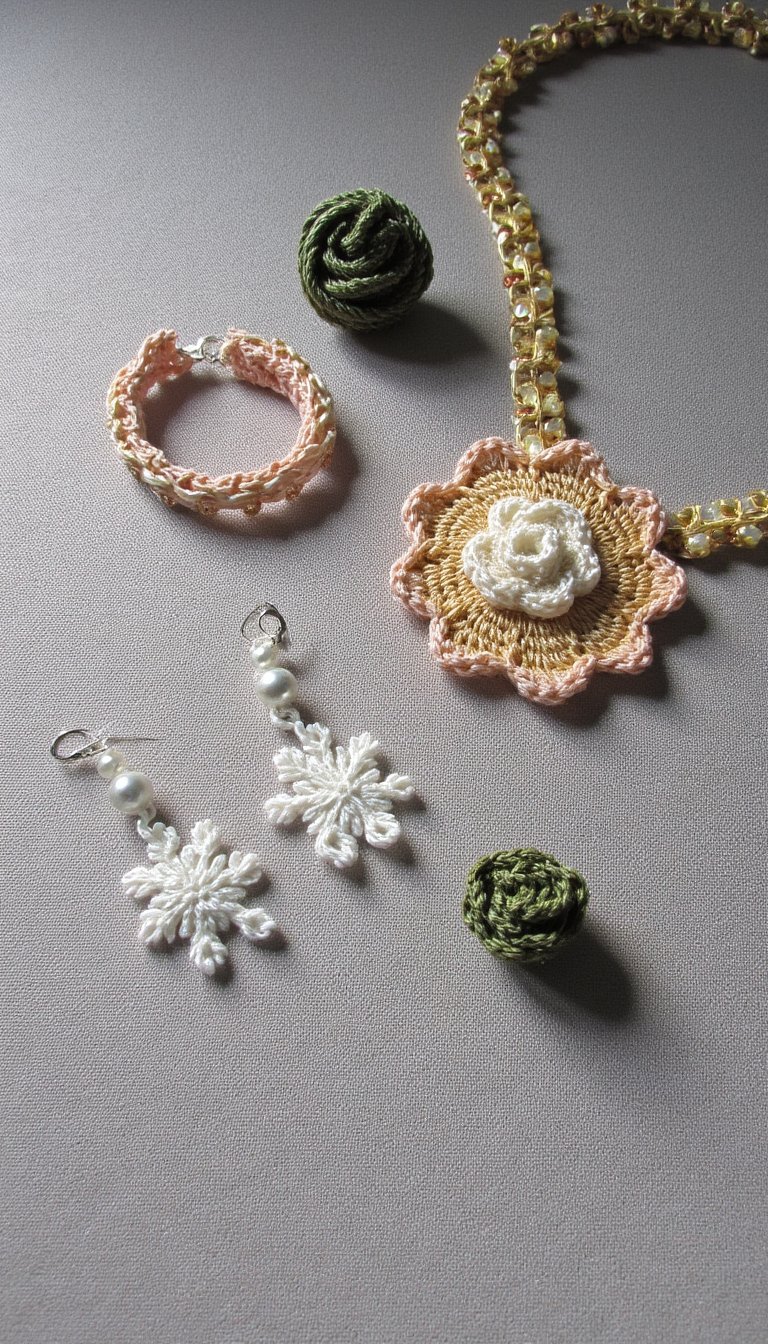
Think micro-crochet. Delicate earrings, statement necklaces, dainty bracelets, and hair clips using fine thread and tiny hooks. This leverages a high-skill technique to create lightweight, high-margin items that are cheap to ship. They’re perfect for impulse buys and have a high perceived value.
19. Your Own E-Commerce Website
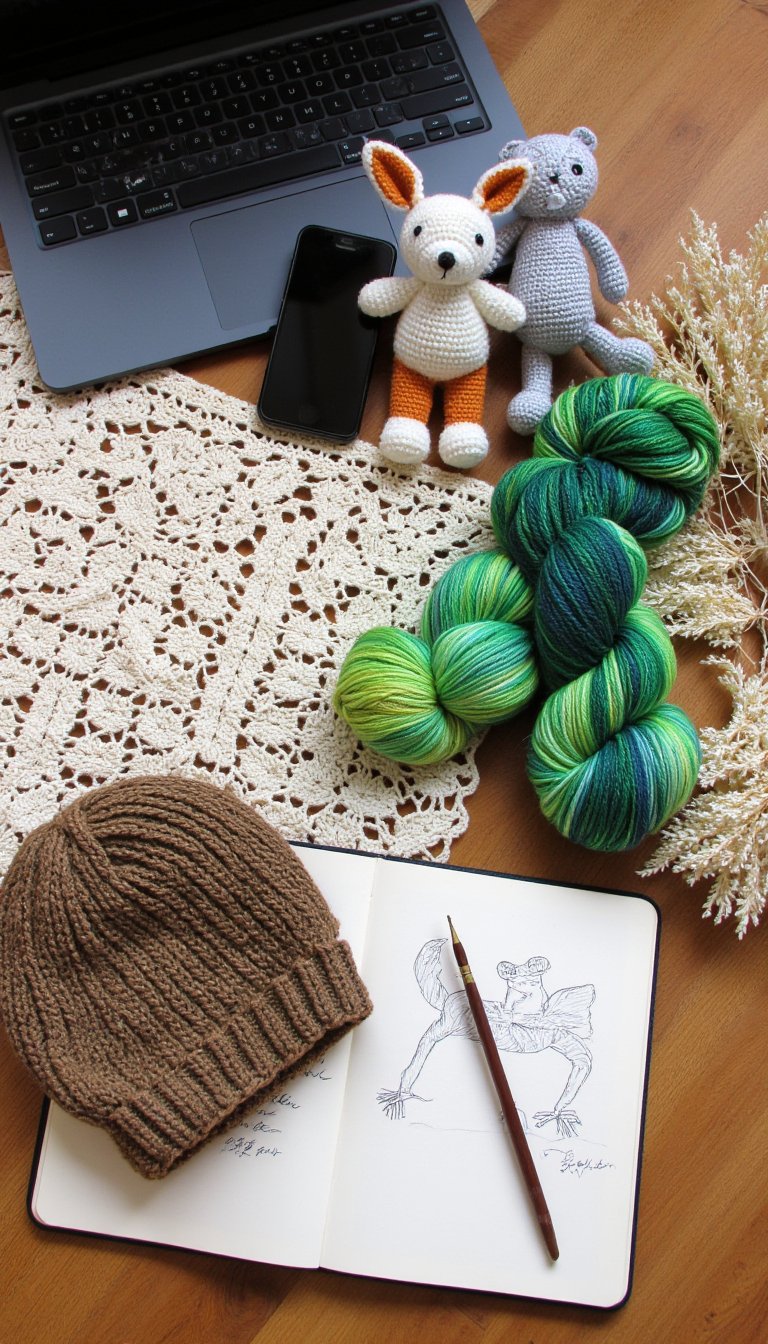
The ultimate goal for many: your own digital flagship store. Using platforms like Shopify or WooCommerce, you control the branding, customer experience, and data. You can sell your finished goods, patterns, and kits all in one place. This requires more marketing hustle to drive traffic, but it builds brand equity and keeps you independent.
So, which of these 19 crochet shop ideas made your heart do a little skip? The beautiful part is, you don’t have to pick just one. Maybe you start with Etsy and farmers’ markets (#1 & #6), then add a best-selling pattern (#3) and a few popular kits (#4). The path from hobbyist to entrepreneur is just a series of stitches—one loop after the next. Your unique creativity is the only supply you can’t run out of. Now, what are you waiting for? Your first customer is out there.