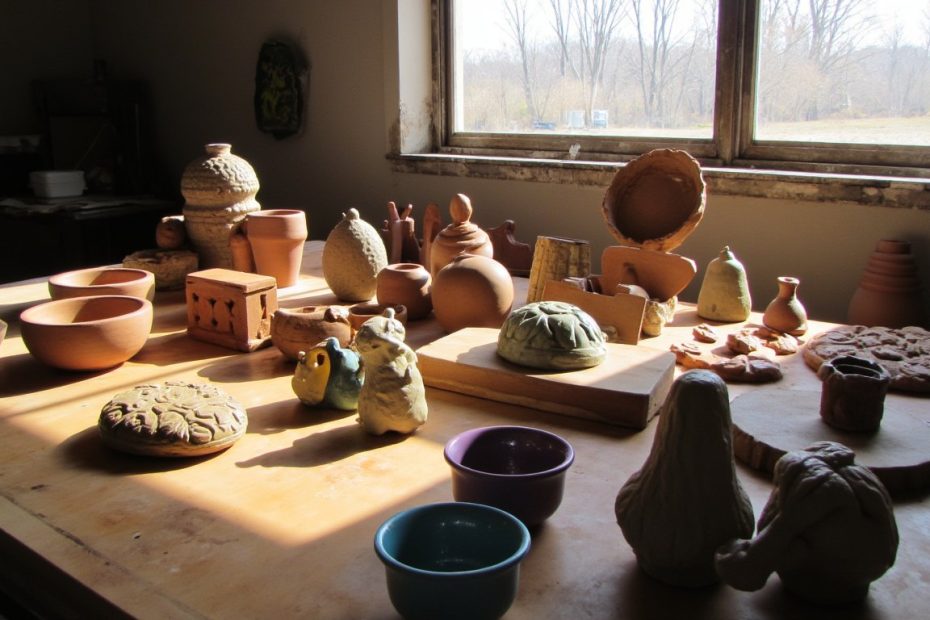
Let’s be honest—high school art students can smell busywork from a mile away. They don’t just want another ashtray (do people even use those anymore?). They crave projects with purpose, challenge, and a serious cool factor. That’s where these 14 clay projects come in. Designed to build real ceramic skills while giving students authentic creative ownership, this list moves way beyond the pinch pot into territory that’s genuinely exciting. Ready to see some engagement? Let’s roll.
1. Expressive Portrait Busts
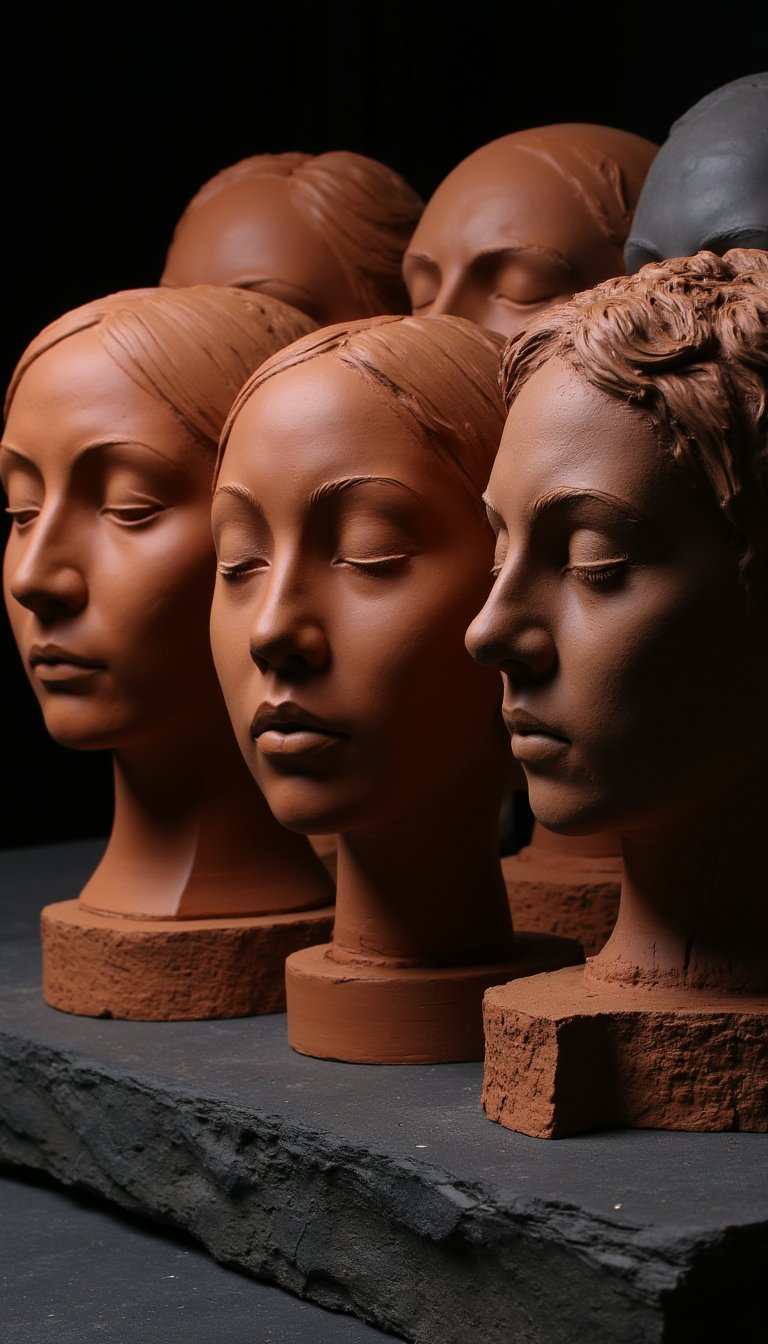
Forget generic heads. Challenge your students to create a bust that captures a specific emotion, tells a story, or represents a facet of their identity. This sculptural clay project teaches anatomy, proportion, and the power of non-verbal communication.
Why It Works:
It combines technical skill with deep personal expression. Students research facial muscles, practice hollowing techniques to prevent explosions in the kiln, and learn about surface texture. The results? Powerful pieces that often become portfolio standouts.
2. Architectural Slab Mugs
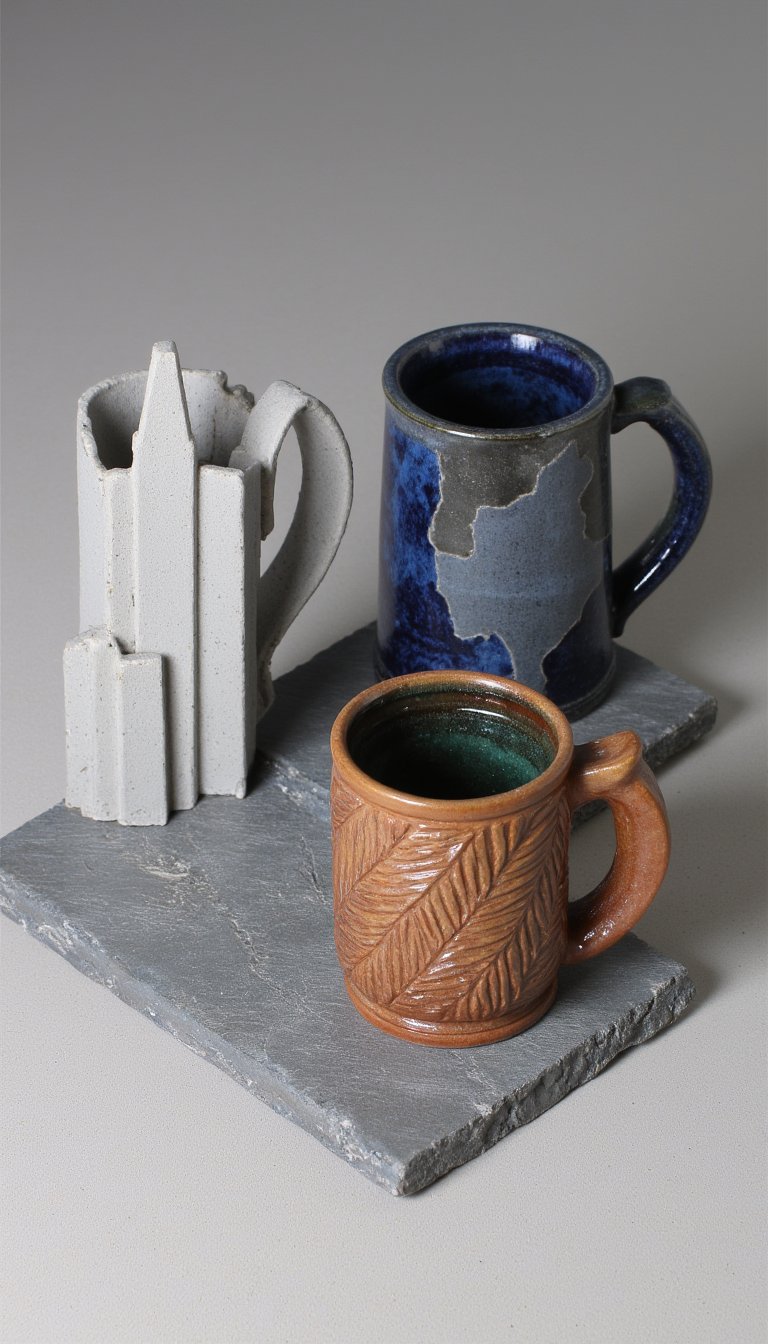
A mug is a classic, but we’re leveling it up. Students design a mug based on architectural principles—think sleek skyscraper silhouettes, Gothic arch handles, or a Frank Gehry-inspired deconstructed form. Function meets avant-garde design.
This project is a masterclass in slab construction. They’ll engineer sturdy bases, seamlessly attach handles, and consider how the form feels in the hand. Glazing becomes part of the architectural concept, mimicking materials like steel, concrete, or stained glass.
3. Mythological Creature Sculptures
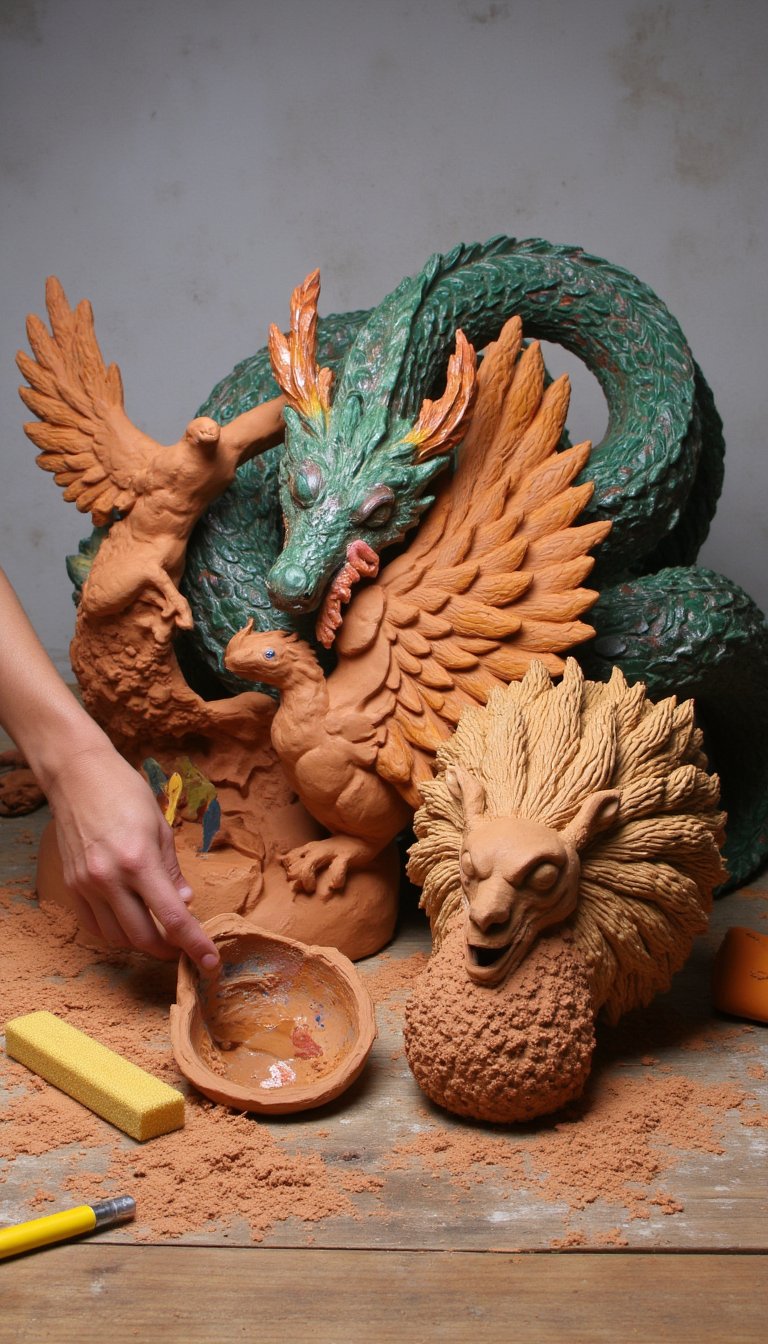
Unleash the dragons, phoenixes, and chimeras! This project asks students to research mythological creatures from any culture and render their own 3D interpretation. It’s a fantastic blend of research, imagination, and technical problem-solving.
How do you make wings that won’t snap off? How do you balance a dynamic pose? They’ll explore additive and subtractive techniques, armature for support, and textures for scales, fur, or feathers. The narrative aspect makes it deeply engaging.
4. Modular Tile Wall Art
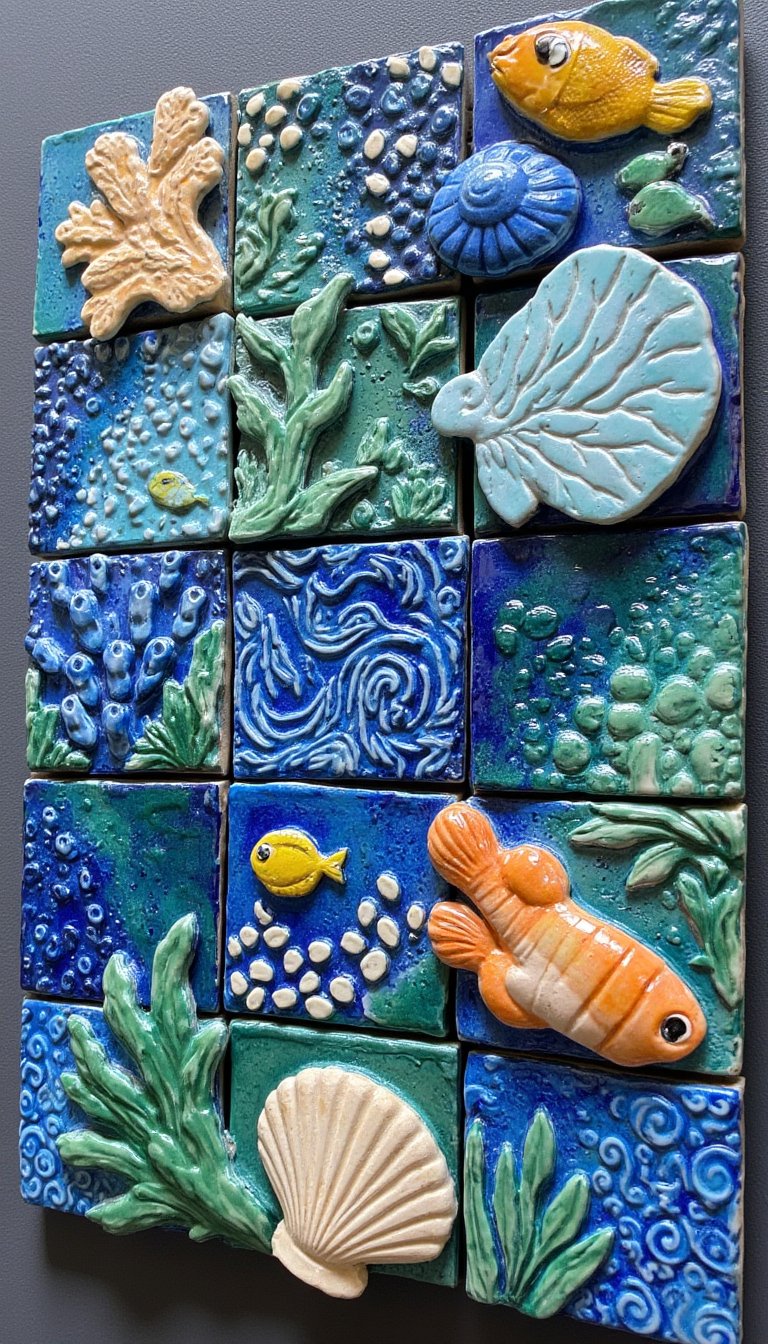
A collaborative showstopper. Each student creates a series of 4-6 relief tiles that follow a unified theme (e.g., “The Ocean,” “Urban Graffiti,” “Geometric Patterns”). When assembled, they create a large-scale installation for the school.
Key Skills:
This teaches precision in slab rolling and consistency, as tiles need to be uniform in thickness. They explore surface design through carving, stamping, and slip trailing. The collaborative element builds community and shows the impact of collective art.
5. Mechanic-Inspired Lidded Boxes
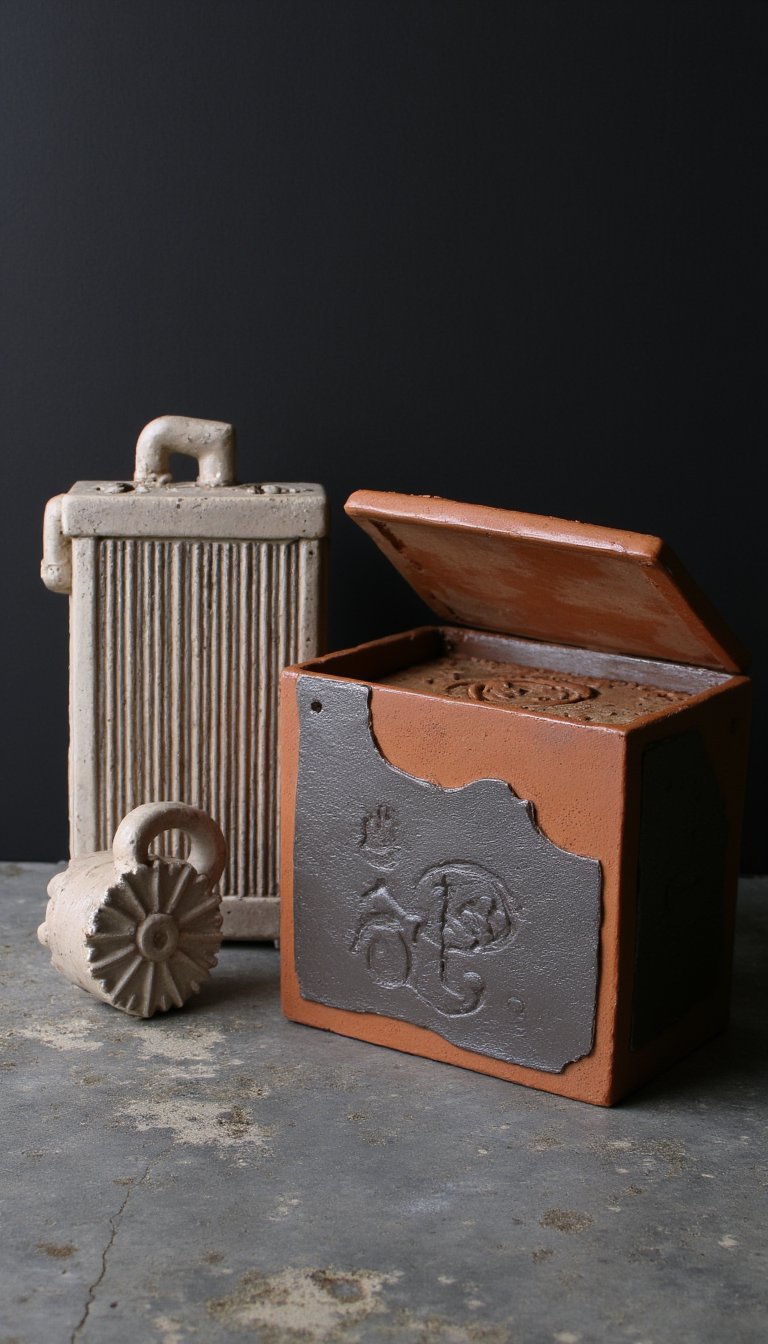
Lidded boxes can be boring. But a box that looks like a vintage radiator, a rusted toolbox, or a intricate gear mechanism? Now we’re talking. This project focuses on form, function, and meticulous surface detail.
Students engineer a perfect-fitting lid—a crucial ceramics skill. They then use sgraffito (carving through a layer of slip) or mishima (inlaying slip) to add bolts, rivets, warnings, and faux rust. It appeals to students who love steampunk or industrial design.
6. Altered Wheel-Thrown Forms
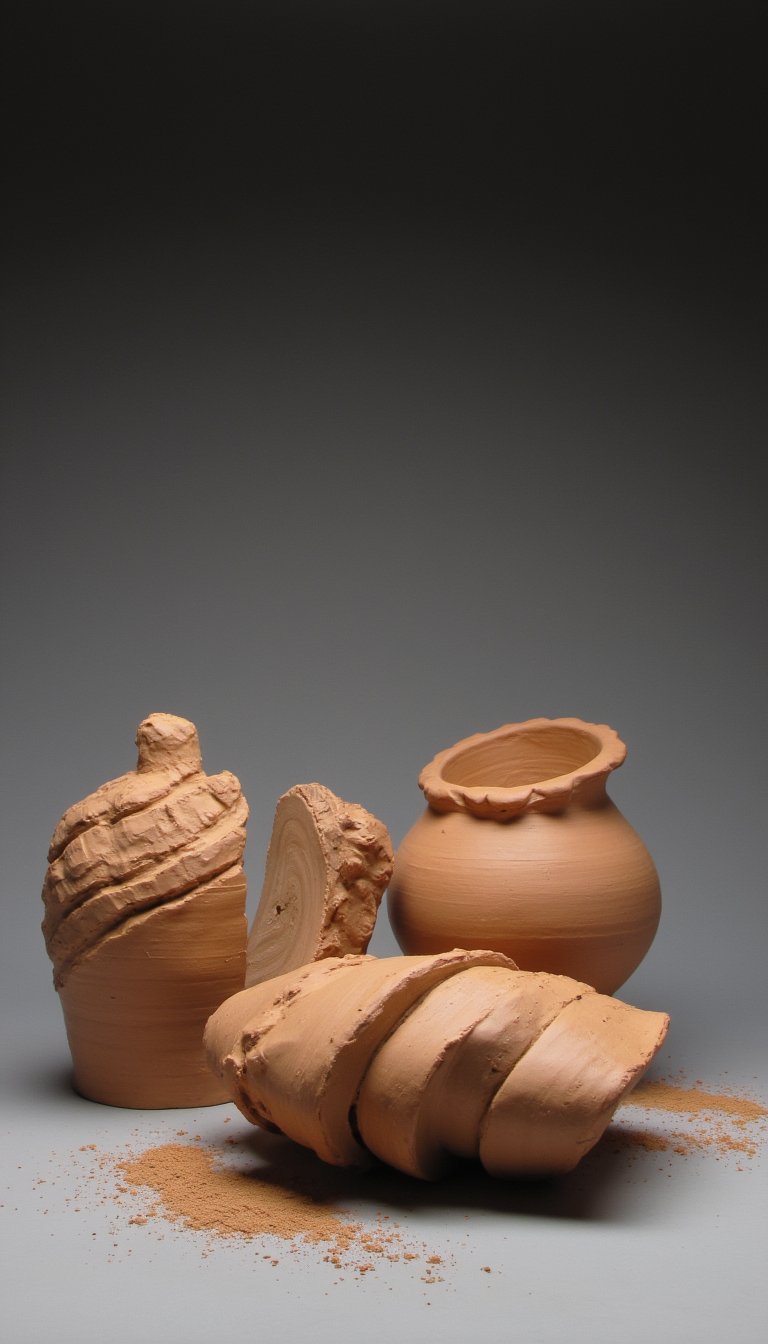
For classes with wheel-throwing capabilities, this pushes basic cylinders and bowls into the realm of sculpture. Throw a classic form, then alter it while leather-hard: carve it, twist it, cut and reassemble it, or add hand-built elements.
This breaks the perfectionism of the wheel and encourages spontaneous, creative decision-making. It teaches students to see wheel-thrown pieces not as an end product, but as a versatile starting point for unique artistic expression.
7. Cultural Storytelling Vessels
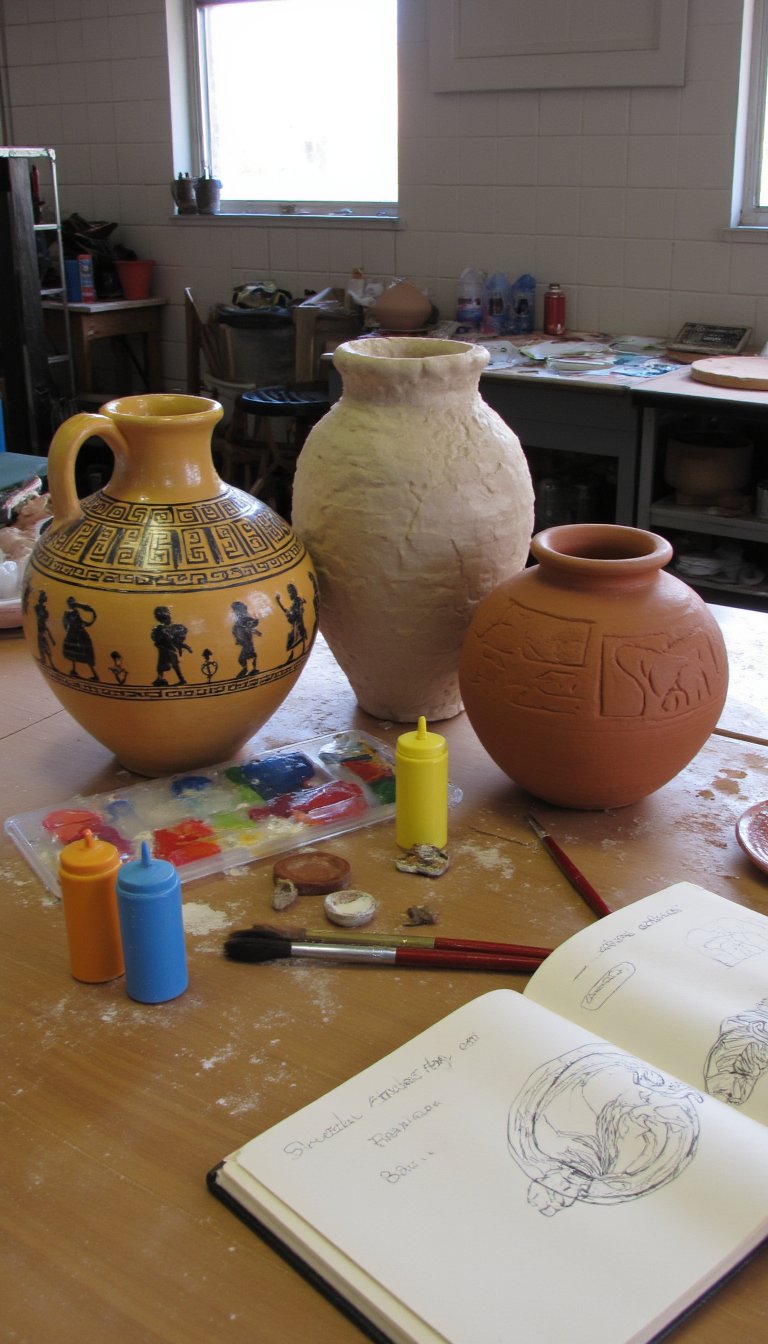
Connect clay to social studies! Students research a culture or personal heritage and design a vessel that tells a story through its form and surface imagery. Think Greek amphoras, Native American storytelling pots, or African pottery forms.
This project builds cultural competency and research skills alongside ceramic techniques. Decoration moves beyond the decorative to become symbolic and narrative, using techniques like underglaze painting and low-relief carving.
8. Functional Ceramic Lighting
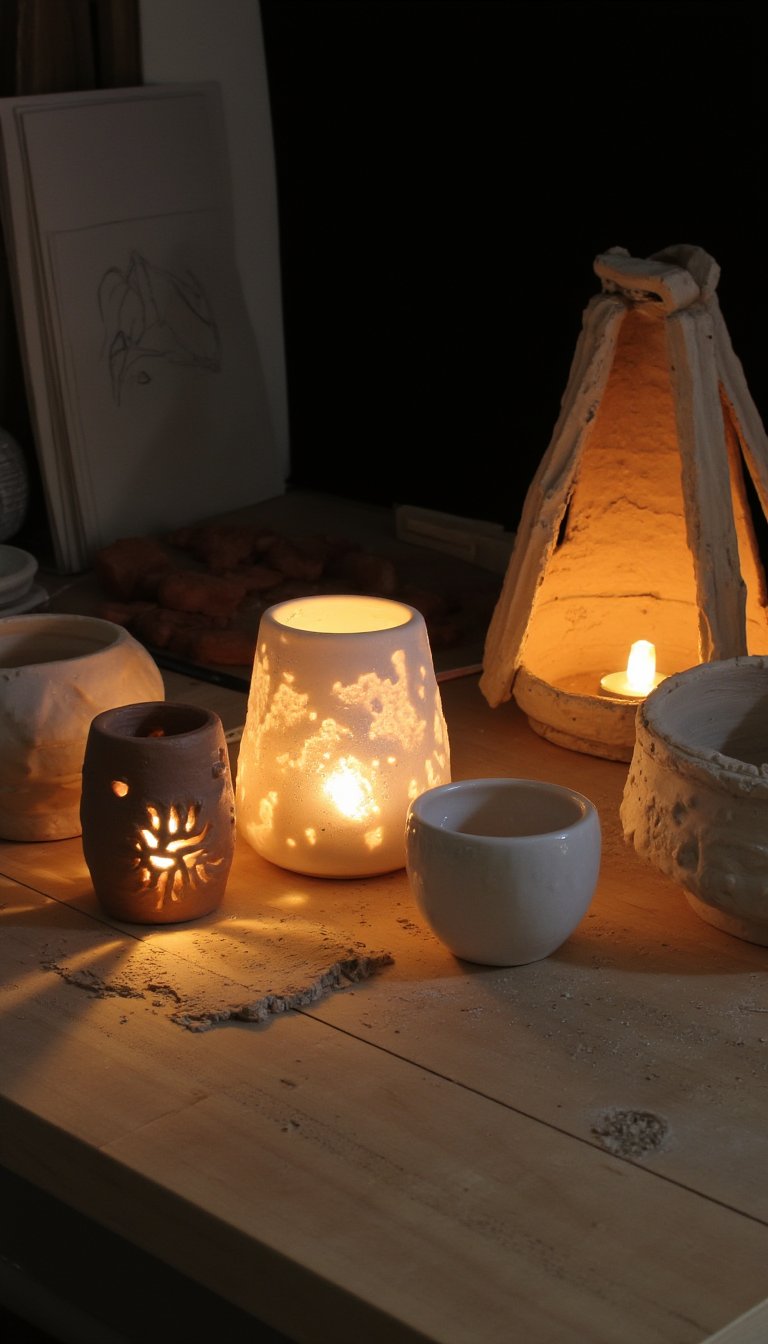
Clay and light? A magical combo. Students design and create functional nightlights, tea light holders, or even pendant lamp shades. They must consider how the clay will diffuse or channel light, creating patterns and shadows.
The Technical Bit:
This involves careful planning for wiring access or bulb placement, making it a brilliant cross-curricular link to basic physics or design tech. Using piercing techniques or translucent porcelain, they create pieces that are stunning both on and off.
9. Exaggerated Character Shoes
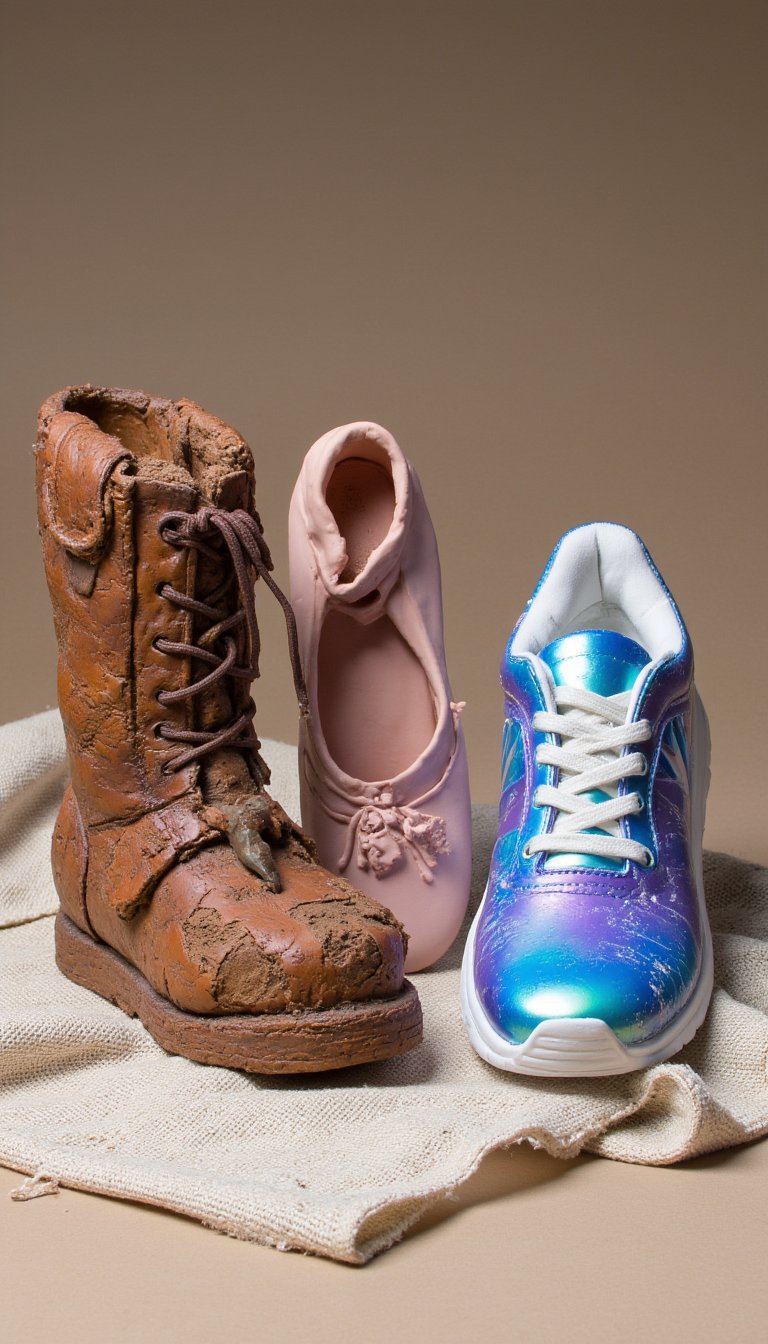
What walks a mile in your shoes? Students sculpt a shoe that reflects a character—real, fictional, or themselves. It could be a warrior’s battered boot, a ballerina’s decaying pointe shoe, or a futuristic sneaker with attitude.
This project is all about texture, storytelling, and hyper-realism (or purposeful exaggeration). They’ll master techniques for creating laces, worn leather, shiny patent, or distressed finishes. It’s a relatable object pushed into the realm of sculpture.
10. Miniature Biome Dioramas
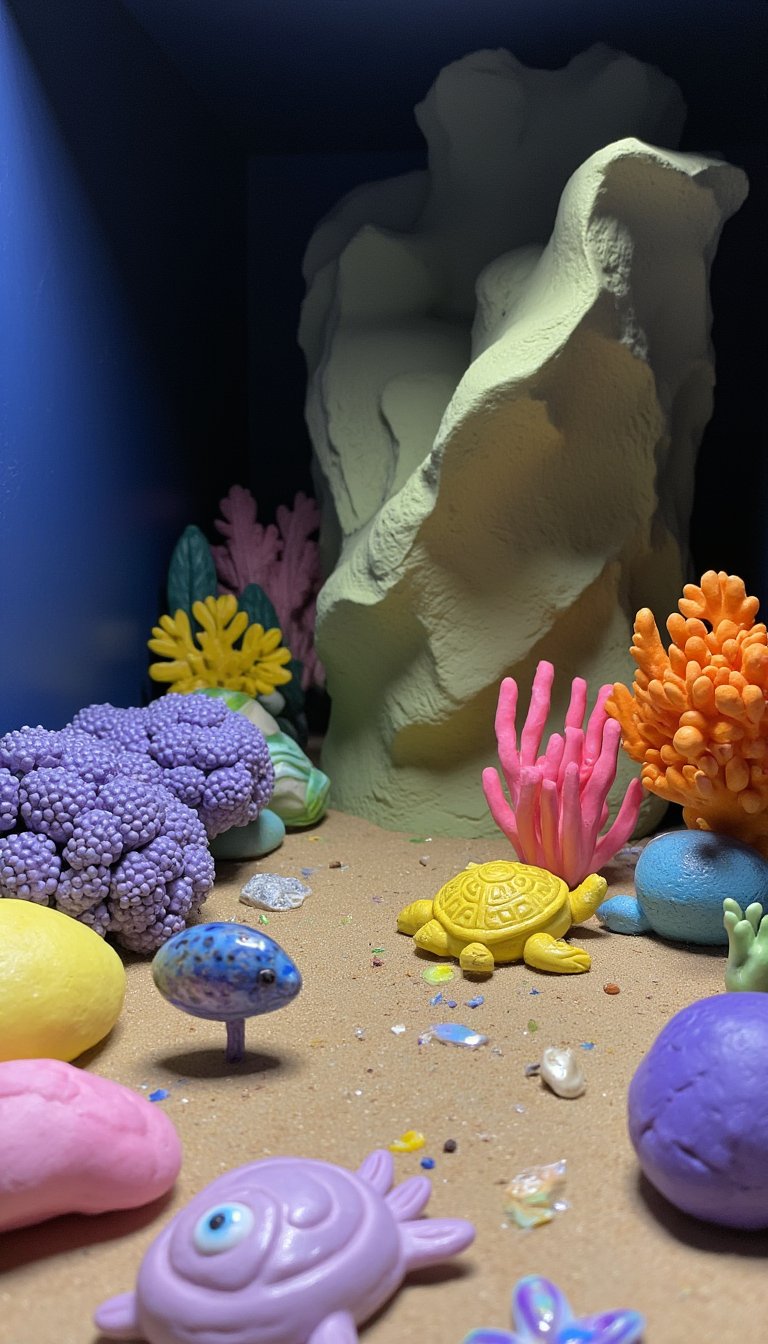
Art meets ecology. Students create a self-contained, hand-sculpted clay diorama inside a small box or frame, depicting a detailed biome: a coral reef, a desert scene, a rainforest canopy, or a microscopic world.
This project encourages thinking in layers and scale. They’ll sculpt tiny, intricate plants, animals, and landforms, practicing fine motor skills. Glazing becomes an exercise in creating depth and atmosphere in a very small space.
11. Modernist Self-Portrait Plaques
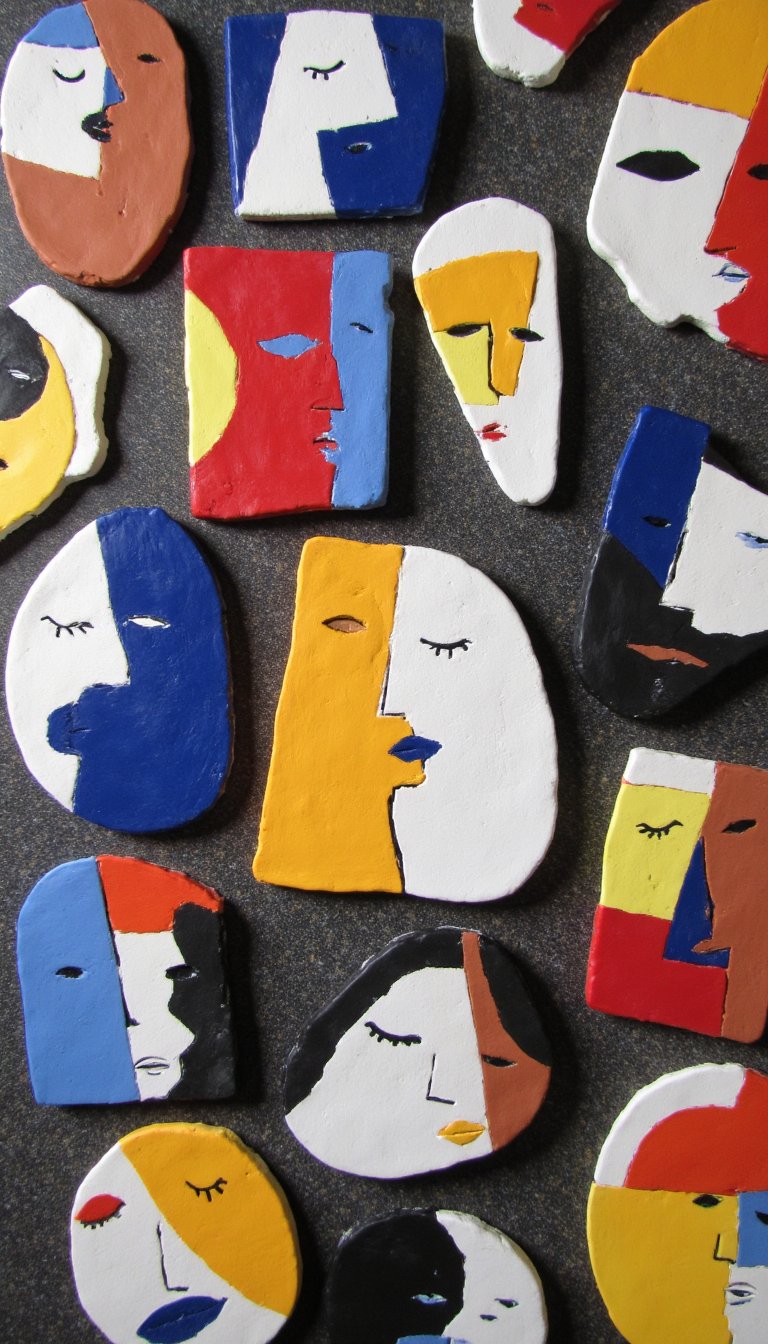
Not a literal face, but a portrait of personality. Inspired by modernist artists like Picasso or abstract expressionists, students use simplified shapes, bold lines, and symbolic color to represent themselves on a slab plaque.
This takes the pressure off realistic likeness and focuses on emotional and conceptual representation. It’s a great primer in abstraction and color theory. Students use slip trailing and underglaze like paint, treating the clay as a canvas.
12. Puzzle Pots (With a Twist)
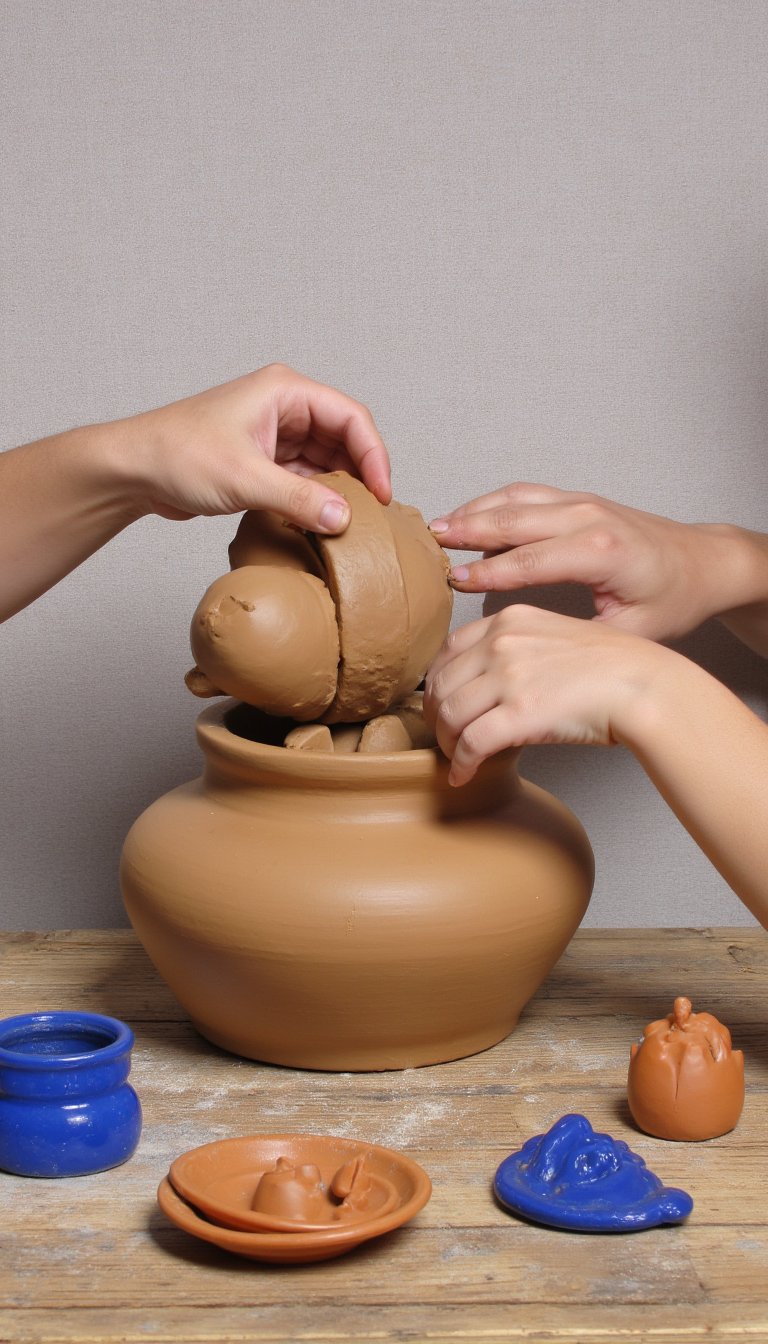
These are interactive sculptures. Students create a vessel or form that comes apart into multiple interlocking pieces—not just a lid, but sections that twist, slot, or nest together. Think 3D puzzle meets ancient Chinese puzzle pots.
This is advanced problem-solving in 3D. It requires meticulous planning, precise measurements, and test-fitting at the leather-hard stage. The “aha!” moment when the pieces fit perfectly is incredibly satisfying (and a great lesson in patience).
13. Sound Sculptures: Ceramic Wind Chimes
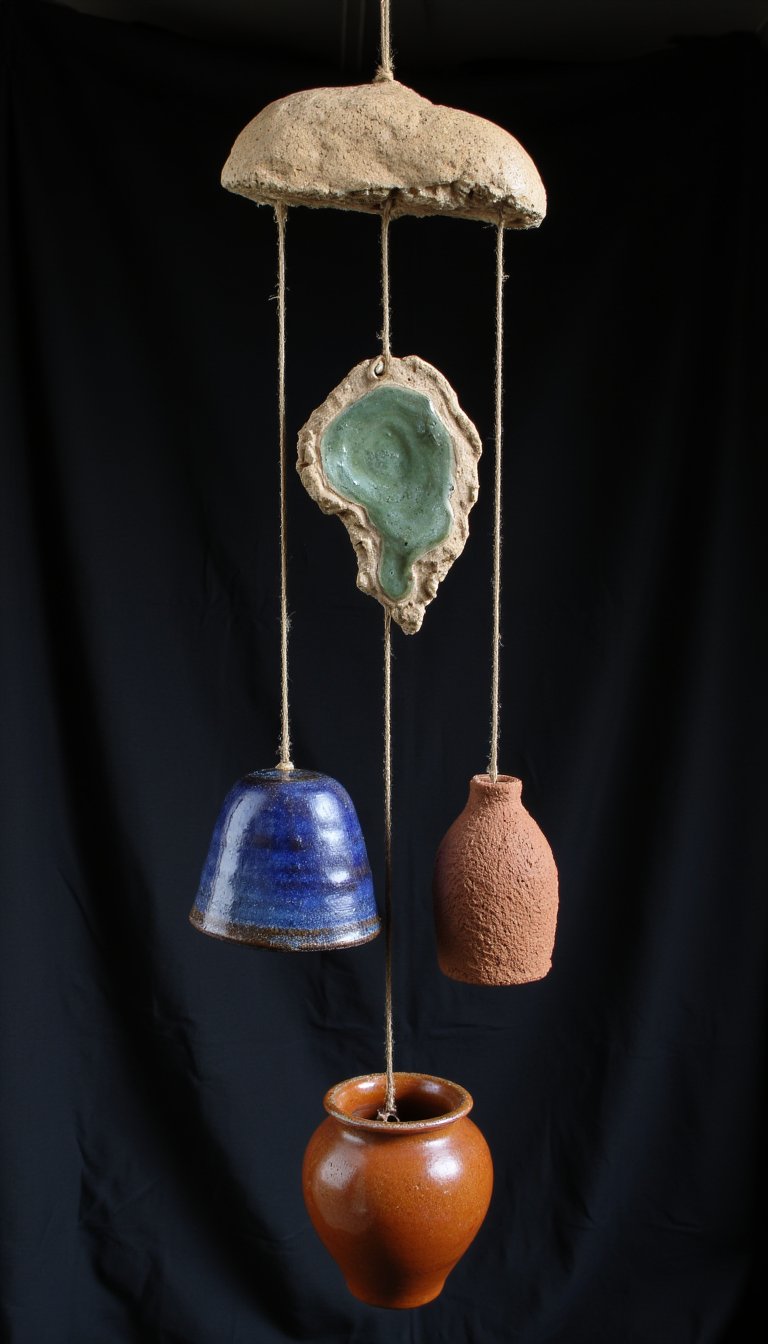
Art you can hear. Students design and create a set of clay chimes tuned to produce pleasant sounds. They must consider the shape, thickness, and size of each hanging element to affect the tone.
Cross-Curricular Bonus:
This project subtly introduces principles of sound waves and vibration. The construction focuses on creating strong, clean holes for hanging and designing a cohesive top piece. The final product is a beautiful, melodic addition to any garden.
14. Social Commentary Plates
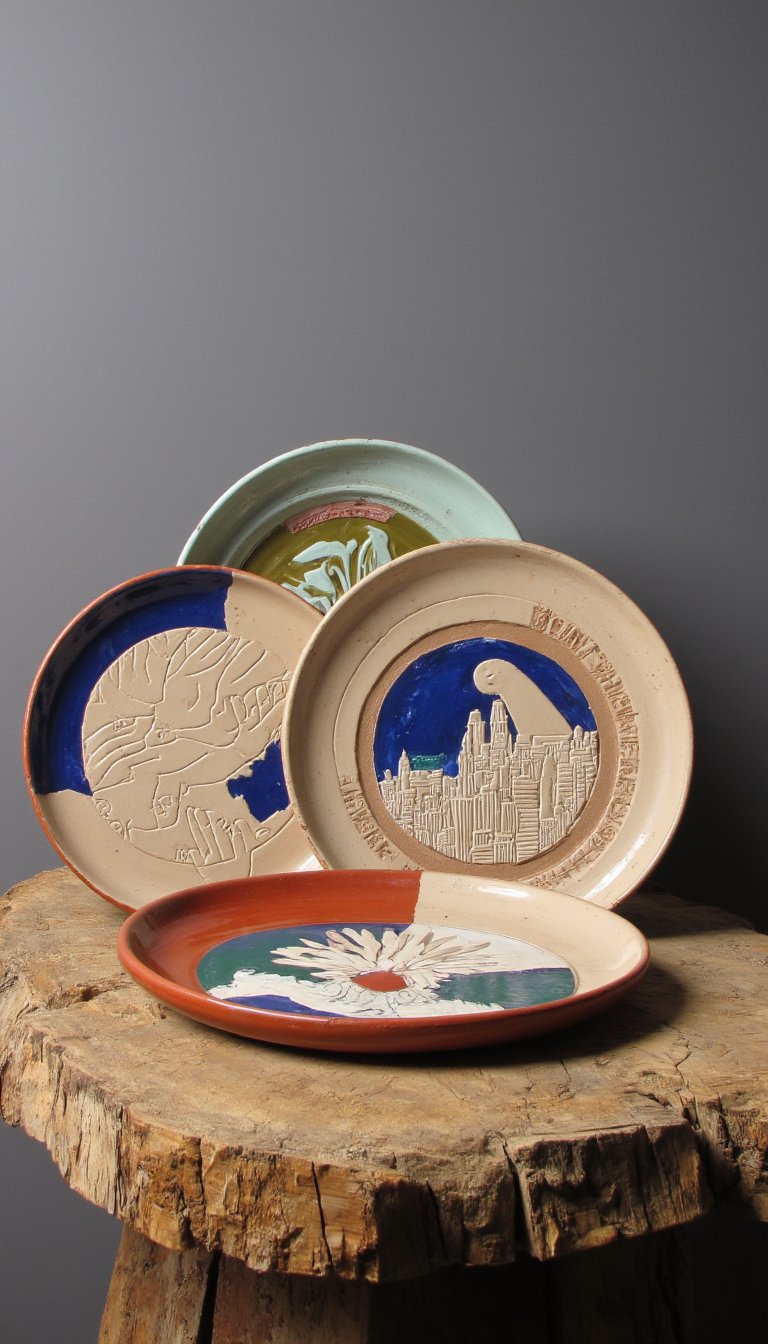
Why should plates just be pretty? Transform this everyday object into a platform for a message. Students use the plate’s circular format (like a mandala or a protest button) to address a social or personal issue through image and text.
This brings contemporary art practice into the ceramics studio. Techniques like transfer printing with underglazes, detailed sgraffito, or using stencils allow for graphic, impactful designs. It empowers students to see craft as a vehicle for their voice.
So there you have it—14 clay projects that treat high school students as the emerging serious artists they are. These ideas move past simple craft and dive into conceptual thinking, technical mastery, and personal relevance. The best part? You’ll see that spark of genuine investment when a student gets lost in solving a ceramic problem they care about. Their shelves might fill up with incredible work, but their portfolios—and their confidence—will be the real trophies. Now, go get muddy. 😉