
Is there anything more magical than a preschooler’s face when they create something all by themselves? Now, imagine mixing that pride with the delightful buzz of learning about nature’s hardest workers. If you’re looking for a way to keep little hands busy, spark creativity, and maybe sneak in a little science, you’ve landed in the right hive. These bee crafts for kids preschool age are designed for maximum fun and minimum mess (well, we try!). Let’s get those creative juices flowing and make some adorable buzzing buddies.
1. Bubble Wrap Honeycomb Prints

Who knew packing material could be the star of the craft table? This activity is a sensory and artistic two-for-one. Start by cutting a piece of bubble wrap into a rough hexagon shape and taping it around a small cardboard tube. Dip it in yellow paint and stamp perfect honeycomb cells all over a sheet of paper.
The satisfying pop of the bubbles and the cool texture make this a huge hit. Once the paint dries, your little ones can draw or glue on their bee cutouts. It’s a fantastic, hands-on way to introduce the hexagonal structure of a real beehive.
2. Toilet Paper Roll Bumble Bee

The humble toilet paper roll is the MVP of preschool crafts, and it makes the perfect plump bee body. Let the kids paint the tube yellow. While it dries, cut out simple black stripes, white wings, and googly eyes.
Glue everything on, and don’t forget a pipe cleaner antenna! This classic recycled bee craft builds fine motor skills with all that gluing and painting. You can even string a piece of yarn through the top to make your bee “fly” around the room.
3. Pasta Shell Beehive

Raise your hand if you have a half-empty box of pasta in your cupboard. Grab those wagon wheel or rotini noodles for this textured masterpiece. Have your preschooler glue the pasta pieces onto construction paper in a hive-like cluster.
Then, they can paint the entire thing with a thick coat of yellow paint. The pasta soaks it up and creates a wonderful, bumpy honeycomb effect. Add some fingerprint bees around it for the full scene. It’s messy, tactile, and utterly satisfying.
4. Clothespin Peg Bees
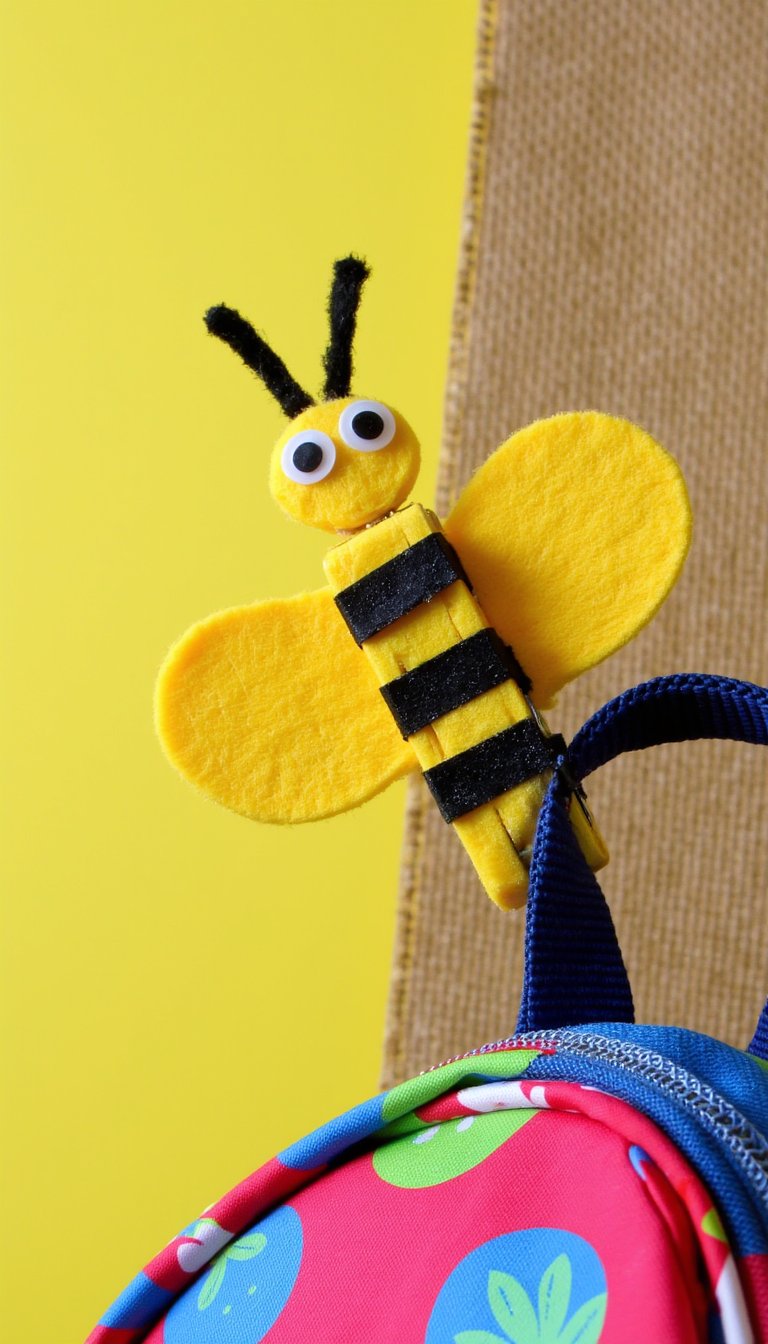
These little guys are not just cute; they have a functional purpose! Use a wooden clothespin as the body. Paint it yellow, or wrap it with a strip of yellow felt. Add small black stripes (electrical tape works wonders for little fingers), glue on some felt wings and googly eyes.
The best part? The clothespin clip. Your child can clip their new bee friend onto a backpack, a lunchbox, or a piece of artwork. It’s a craft that gets to keep playing long after the glue dries.
5. Yarn-Wrapped Cardboard Bee

This craft is a powerhouse for developing hand-eye coordination and patience. Cut a simple bee shape (a fat oval with a rounded head) out of sturdy cardboard. Let your preschooler cover it by wrapping yellow and black yarn around and around.
They’ll love the process of weaving the colors to make stripes. Attach pipe cleaner antennae and big paper wings at the end. The final product is soft, fuzzy, and uniquely theirs—perfect for a bedroom decoration.
6. Thumbprint Bumble Bees

Minimal setup, maximum cuteness. That’s the thumbprint bee promise. Press your child’s thumb onto a yellow ink pad or into some washable paint, then stamp it on paper. After it dries, use a fine-tip marker to add tiny black stripes, delicate wings, a happy face, and those signature antennae.
Make a whole swarm! This is one of the simplest preschool bee crafts for developing those pincer grips. Pro tip: Make a card for Grandma with a swarm of thumbprint bees—instant heirloom.
7. Paper Plate Buzzing Bee
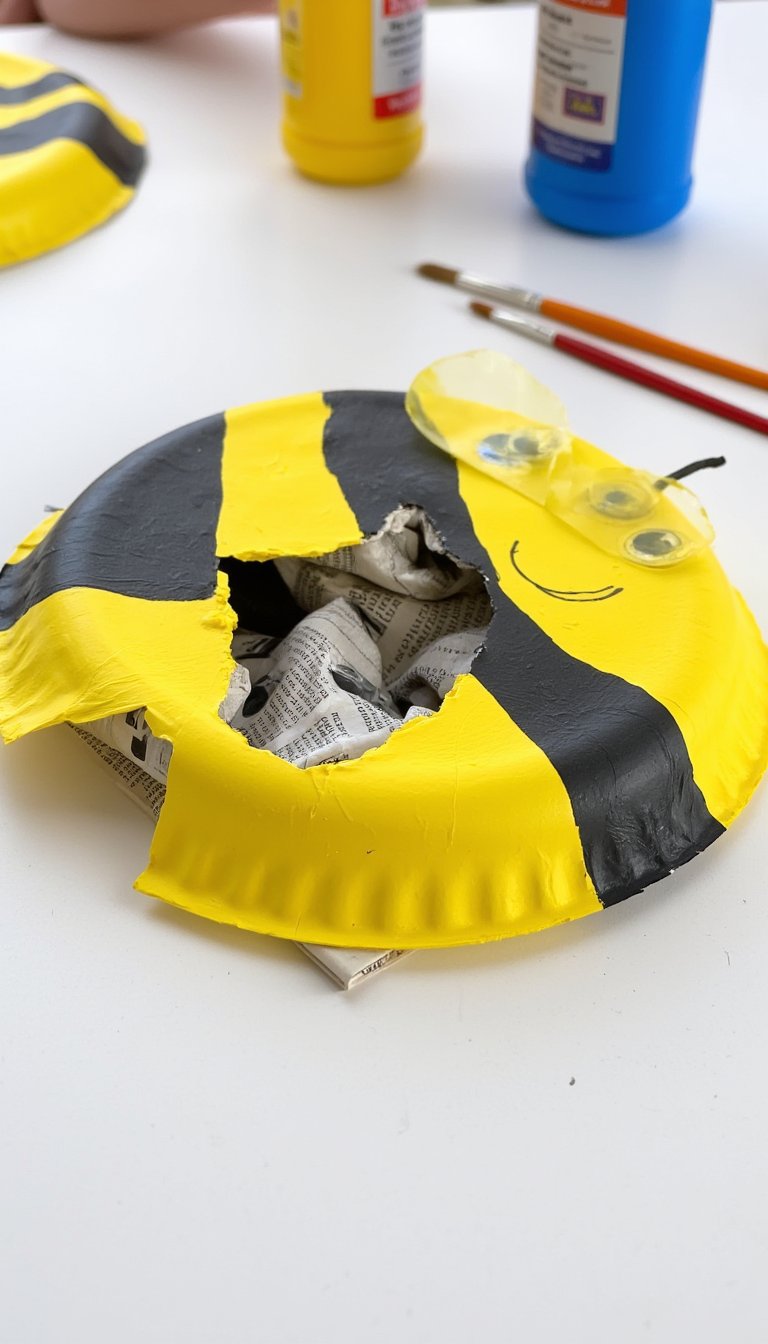
Paper plates are a craft room staple for a reason. Fold a small paper plate in half—that’s your bee’s body. Paint the outside yellow and the inside black, so when you peek inside, it looks like stripes. Glue the edges together, leaving a small opening.
Here’s the fun part: stuff it with a little crumpled newspaper or tissue before sealing it up. This gives it a satisfying, 3D plumpness. Add wings and eyes, and you have a bee that’s ready for action.
8. Bee Headband with Antennae
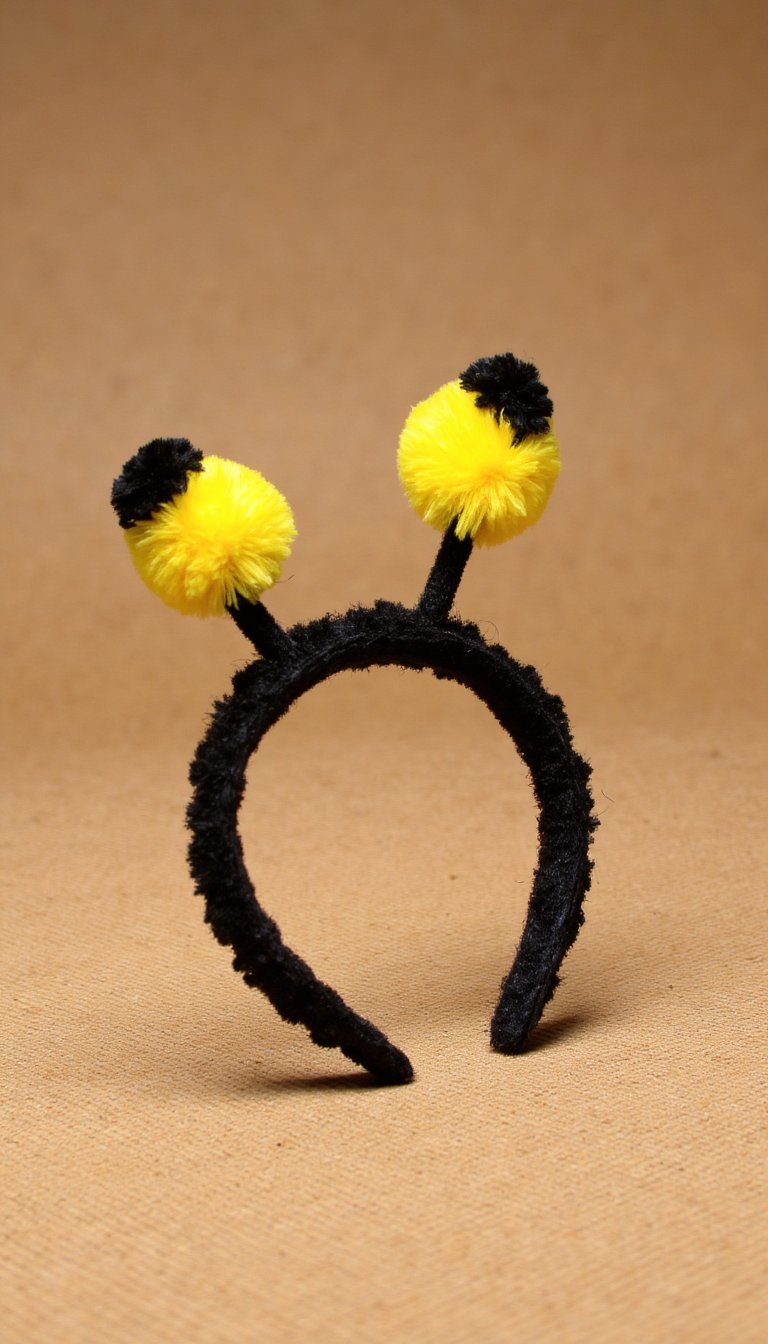
Crafts you can wear are always a winner. Measure a strip of black construction paper to fit your child’s head and staple it into a circle. Then, let them decorate yellow headband pieces or glue on pom-poms.
The pièce de résistance? The antennae. Attach two pipe cleaners to the inside of the band and top them with black or yellow pom-poms. Cue the instant transformation into a buzzing preschooler. Get ready for some imaginative play the moment it’s on their head.
9. Pollen Transfer Sensory Bin

Okay, it’s not a craft you hang on the fridge, but it’s a crucial, hands-on learning activity. Fill a bin with yellow dried lentils or corn kernels (the “pollen”). Add some silk flowers, a few toy bees, and kid-friendly tweezers or spoons.
The mission? Transfer the “pollen” from the bin to the flower, just like a real bee. This sensory bee activity for preschoolers teaches pollination in a way they can literally feel. It’s playful, educational, and cleans up relatively easily.
10. Egg Carton Bee Hive

Another brilliant use for recycling! Cut an egg carton into sections of two or three cups. This becomes your perfect, bumpy hive. Let the kids paint it yellow and brown to look like honeycomb.
Poke a small hole in the top and tie a string for hanging. Then, make your egg carton bees (see #11!) to live inside. This craft helps kids understand the bee’s home environment, making it a great prop for storytelling.
11. Egg Carton Bumble Bee
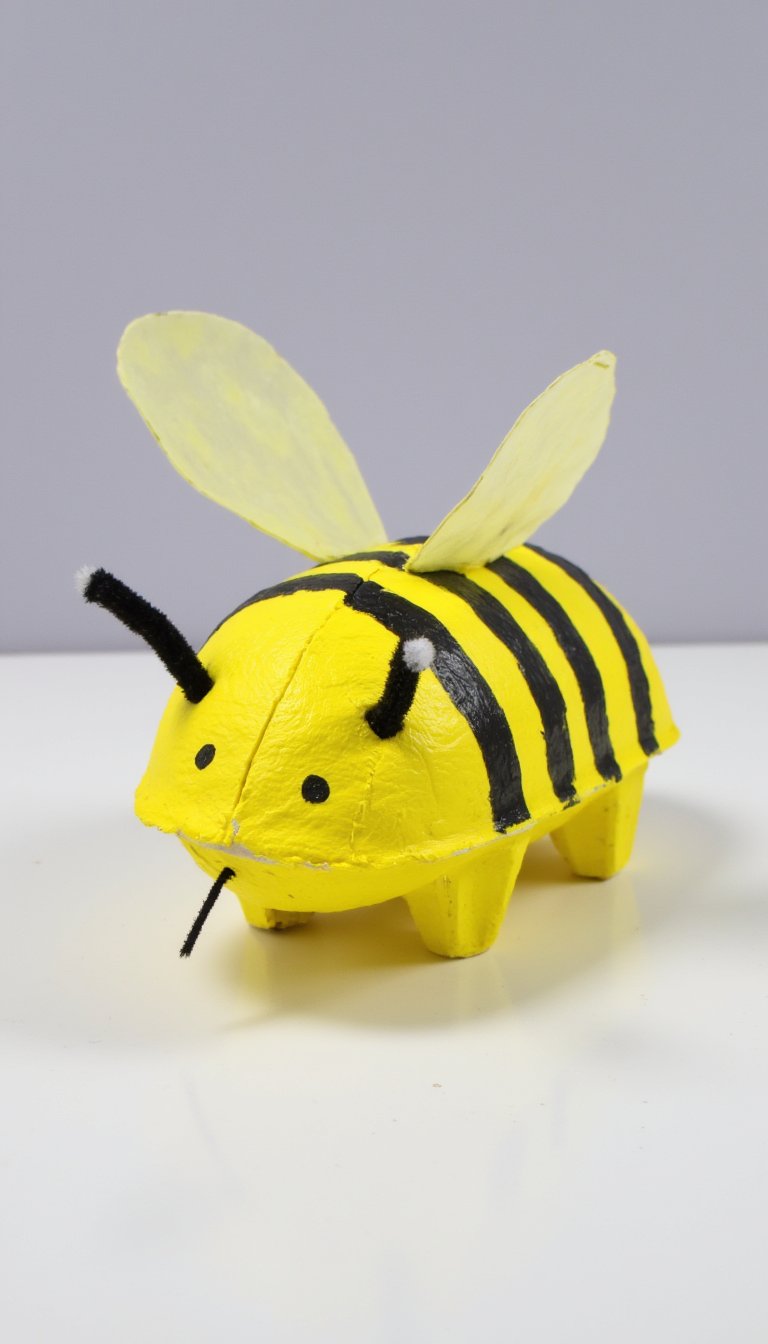
Yes, the egg carton gets a second entry because it’s just that versatile. A single cup, cut from the carton, is the ideal rounded bee body. Paint it yellow, add black stripes, and glue on wings and eyes.
You can add a pipe cleaner stinger at the back for extra detail. Make a whole fleet of these and let them “swarm” around your egg carton hive from the previous craft. Talk about a coordinated craft day!
12. Bee Handprint Art

Prepare for the cuteness overload. Paint your child’s palm yellow and their fingers black (careful, it tickles!). Press their hand firmly onto paper with fingers together—the palm is the body, the fingers are the stripes.
Wash up, then come back to add wings, eyes, and antennae to the thumb area. This bee handprint craft is a keepsake you’ll treasure forever. Date it and watch how you’ll marvel at how small their hand once was.
13. Stained Glass Tissue Paper Bee
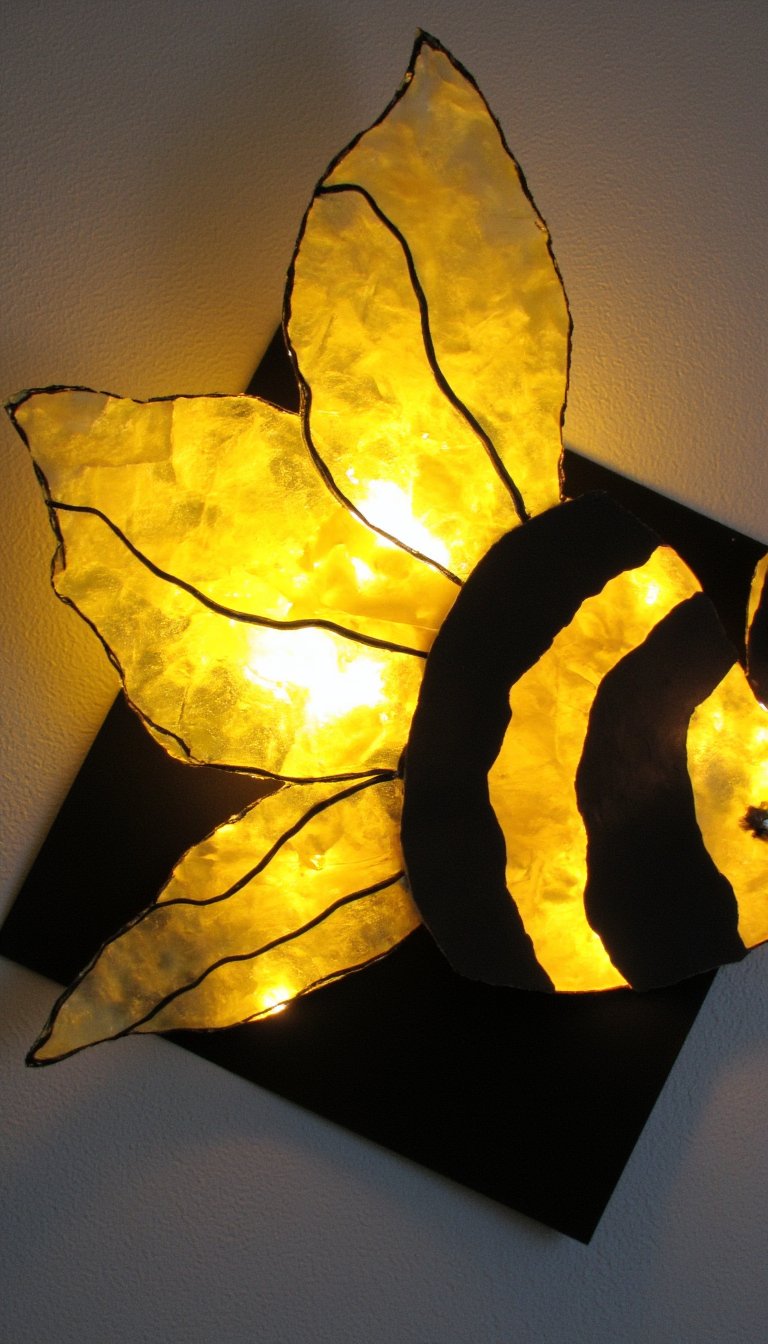
Create a beautiful window decoration that glows in the sunlight. Cut a simple bee shape from black construction paper, making sure to leave the center as a large open outline. Cover the open space with clear contact paper.
Then, let your preschooler stick small, torn pieces of yellow and white tissue paper onto the sticky surface, filling in the bee. The result is a vibrant, translucent masterpiece. It’s a fantastic way to explore colors and light.
14. Rock Painting: Ladybug’s Best Friend

Take the craft outdoors! Go on a rock-hunting adventure first. Find a smooth, oval-ish rock—the perfect bee canvas. Paint the whole rock yellow, then add black stripes, a friendly face, and simple white wing outlines.
Seal it with a clear varnish if you want to place it in the garden. This preschool bee craft connects art with the outdoors. Your painted bee rock can become a permanent, cheerful resident in your flower bed.
15. Buzzing Bee Noisemaker
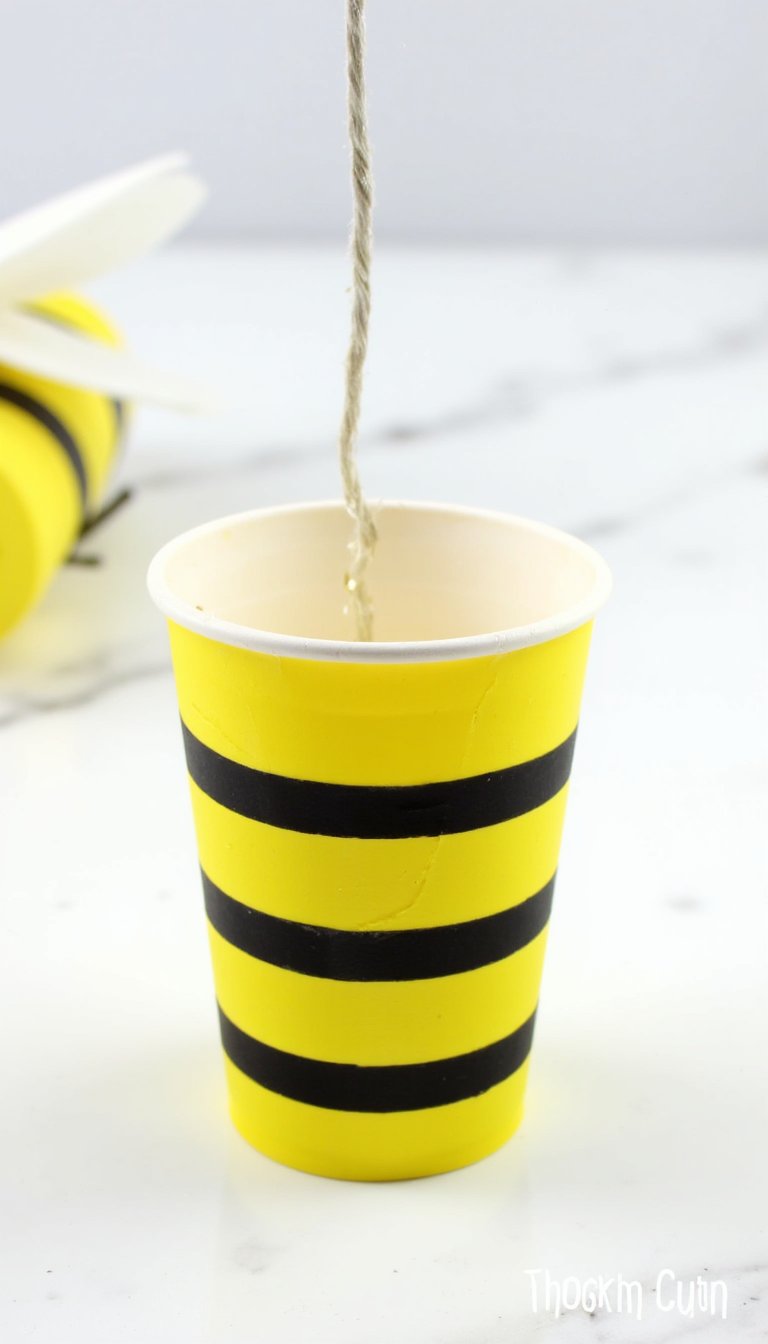
Because what’s a bee without the buzz? Decorate a small paper cup like a bee (yellow with black stripes). Once dry, punch a hole in the bottom and tie a long piece of string through it, securing it inside with a knot.
Soak the string in a little water, then pinch it between your fingers and pull. That iconic buzzing sound will erupt, to the absolute delight of every preschooler. It’s a simple lesson in sound vibration that they can *feel*. Just maybe save this one for outdoor play 😉.
And there you have it—15 activities that prove learning about bees is anything but boring. From stamping with bubble wrap to creating a buzzing symphony with a cup and string, each of these bee crafts for preschool kids packs a fun lesson about our pollinator pals. The best part? You’re not just filling an afternoon; you’re building memories, fine motor skills, and maybe even a lifelong appreciation for these tiny, essential creatures. So grab some glue, embrace a little glitter (if you’re brave), and get ready for some happy buzzing in your hive. Which craft will you try first?