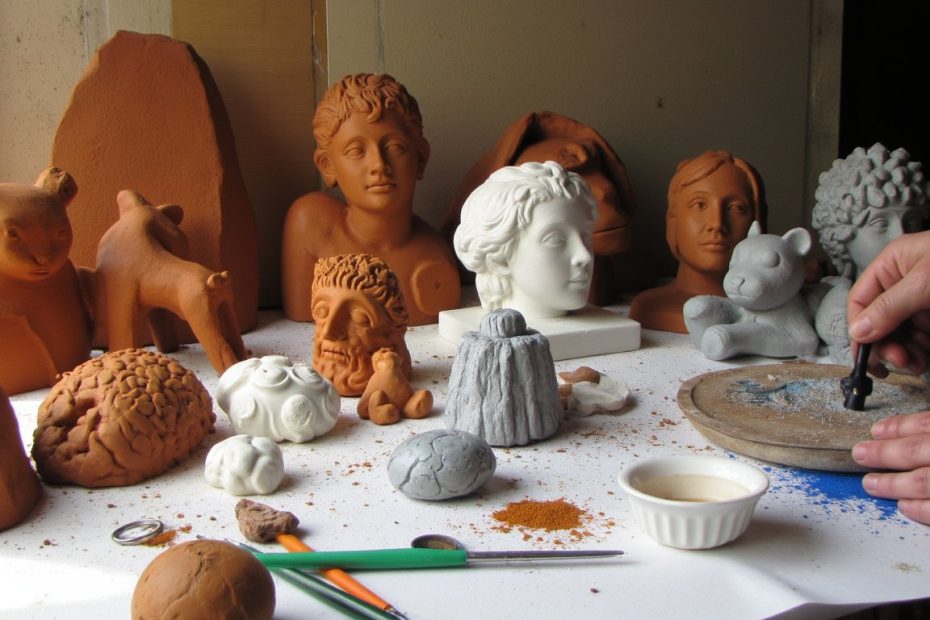
Alright, let’s be real. You’re not just looking for any clay modelling ideas for competition. You’re hunting for that secret weapon—the concept that makes the judges pause, lean in, and whisper, “Wow.” You want to move past simple pinch pots and cute animals (unless that animal is reading a tiny newspaper, but we’ll get to that). I’ve been in your shoes, my hands dusty, my mind racing. The pressure is real, but so is the fun. So, grab your tools and your imagination. We’re about to explore 13 clay modelling competition ideas designed to showcase skill, tell a story, and honestly, just show off a little.
1. The Mythical Creature Mashup
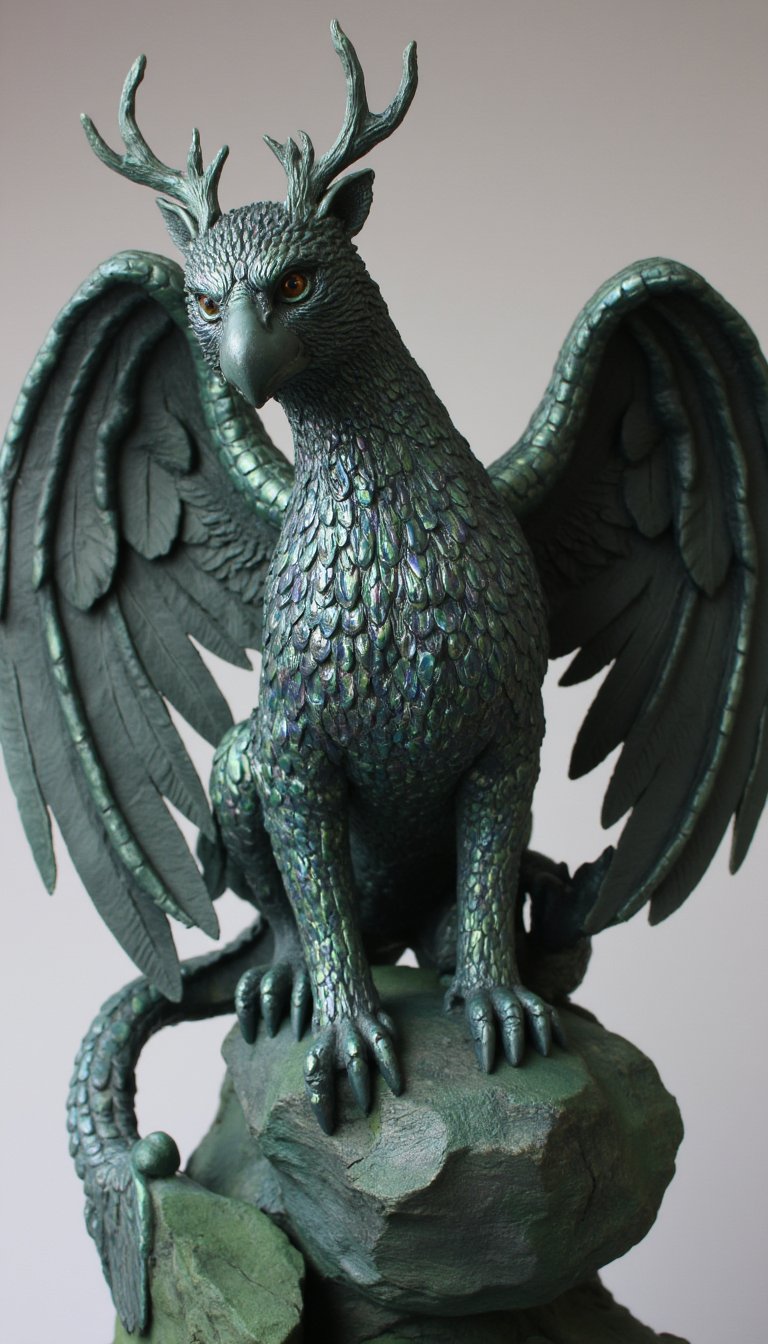
Forget just a dragon or a unicorn. Why not both? A mythical creature mashup forces you to think about anatomy, texture, and folklore in a brand-new way. Imagine a griffin with the iridescent scales of a mermaid, or a phoenix with the antlers of a forest spirit. The key here is seamless integration. Don’t just stick parts together; make the audience believe this creature could actually exist in some forgotten myth. How will you blend the fur to the scales? What personality does its face convey? This idea screams creativity and technical prowess, which judges eat up.
Why Judges Love It
It immediately demonstrates original thought. You’re not copying a reference photo; you’re building a new legend from the ground up. Focus on a cohesive color palette and a dynamic pose to sell the fantasy.
2. Miniature Diorama with a Narrative
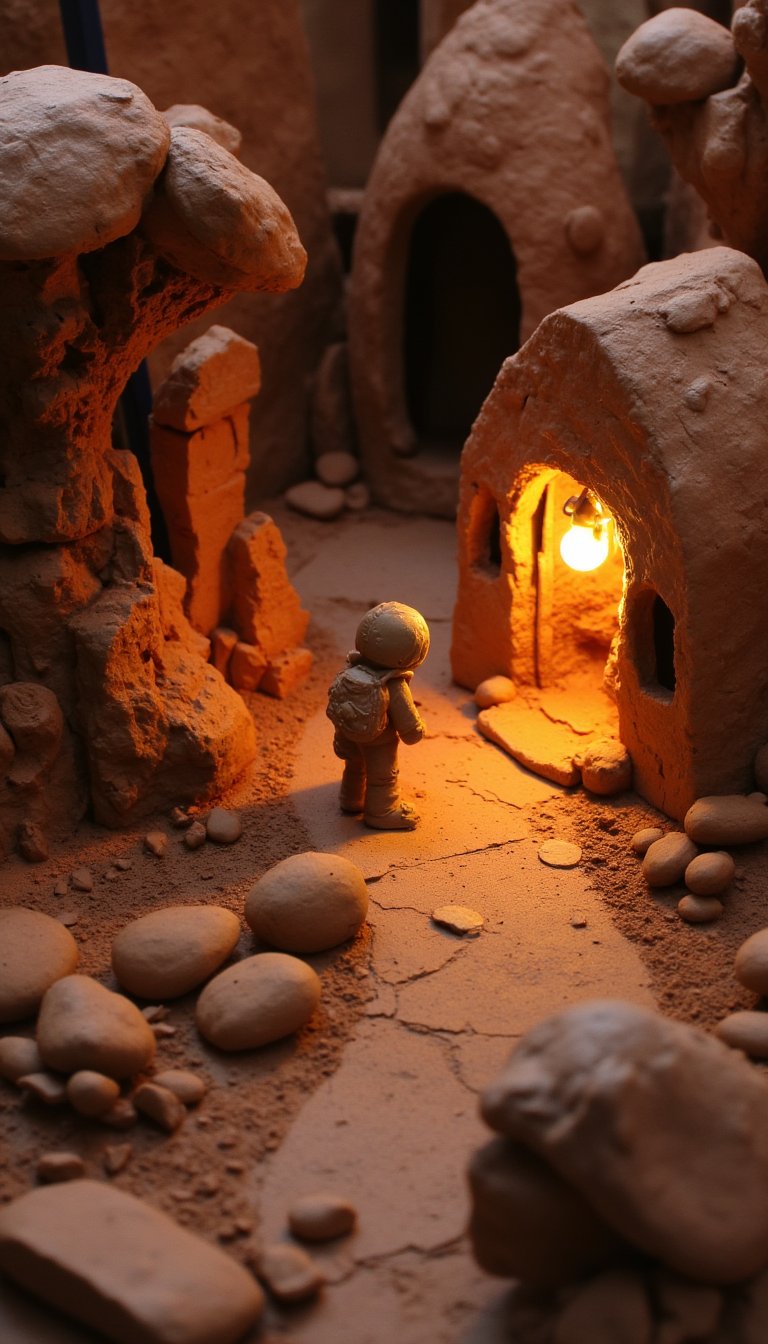
This isn’t just a scene; it’s a frozen moment in a story. A miniature diorama for a clay competition lets you flex your skills in composition, scale, and emotion. Think of a tiny astronaut discovering a glowing flower on an alien asteroid, or a detailed baker’s shop with a mouse stealing a crumb. The magic is in the details—the texture of the “wood” on the shop floor, the expression on the miniature figures’ faces. Your job is to make the viewer wonder what happened just before and what comes next. It’s world-building in a shoebox.
Pro Tip for Competitions
Lighting is part of your sculpture. Plan where shadows will fall. Use different clay finishes (matte, glossy) to differentiate materials like glass, metal, and fabric within your tiny world.
3. Abstract Emotion Sculpture
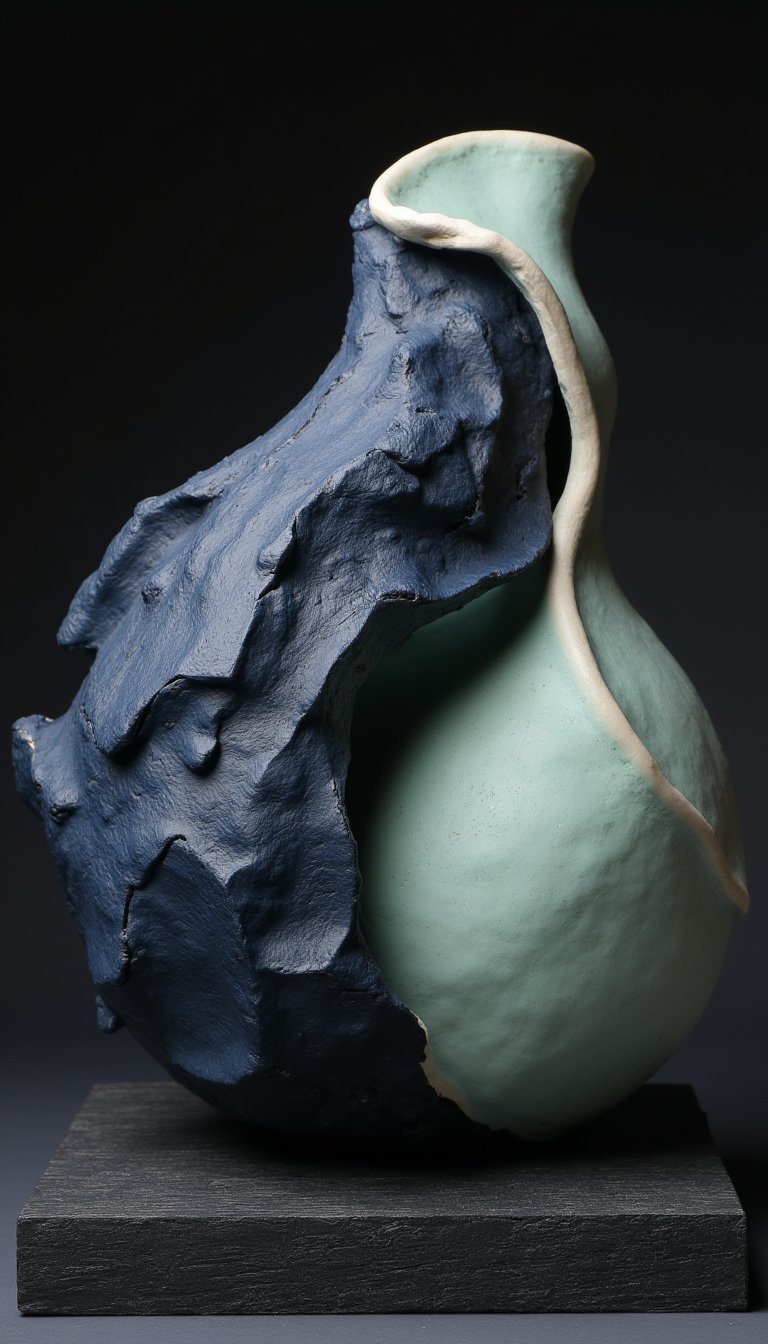
Can you sculpt “joy” or “anxiety” without using a face? This challenge is a powerhouse for modern art competitions. An abstract emotion sculpture uses form, line, and texture to evoke a feeling directly. Sharp, jagged edges and trapped, repetitive patterns might convey stress. Flowing, upward-reaching curves with smooth finishes could be serenity. This idea is less about what it *is* and more about what it *makes the audience feel*. It’s risky, but if you can pull it off, it shows profound artistic maturity. You’re not just a crafter; you’re a communicator.
Need a starting point? Close your eyes and think of the emotion. What color is it? What shape? Start molding from there, and don’t overthink it. Let the clay guide you.
4. Functional Art: The Heirloom Jewelry Box
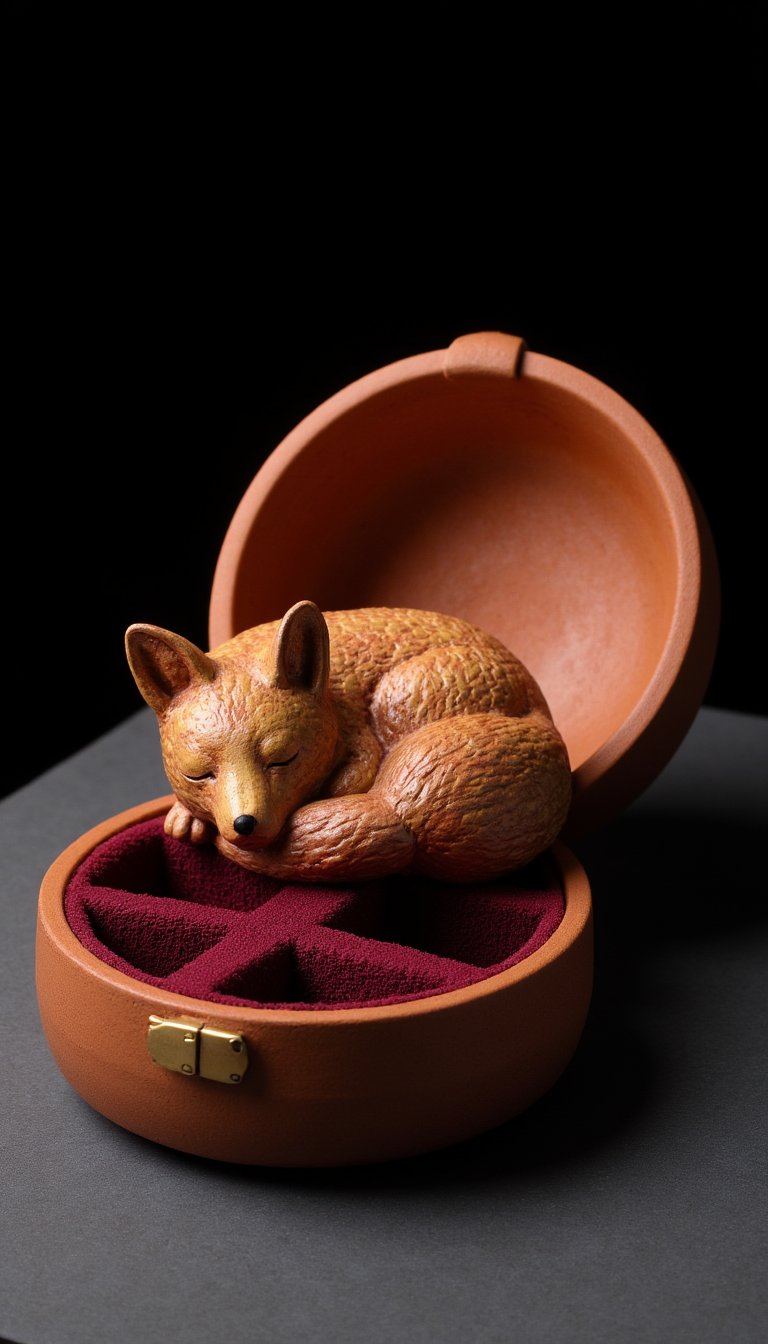
Combine beauty with utility. A functional art piece like a sculpted jewelry box proves your work isn’t too delicate to exist in the real world. But this is no plain box. Sculpt the lid into a sleeping fox curled into a circle, or a landscape with tiny trees that act as hooks for rings. The interior needs as much love as the exterior—think velvet lining compartments or tiny clay dividers. Judges appreciate the duality: it’s a stunning sculpture that also solves a problem. It shows planning, precision, and a thoughtful mind.
Key Consideration
Ensure the hinge mechanism (using clay, wire, or a found object) is both aesthetically integrated and durable. Test it repeatedly before firing. Nothing says “oops” like a lid that won’t close.
5. Bust of an Unsung Hero
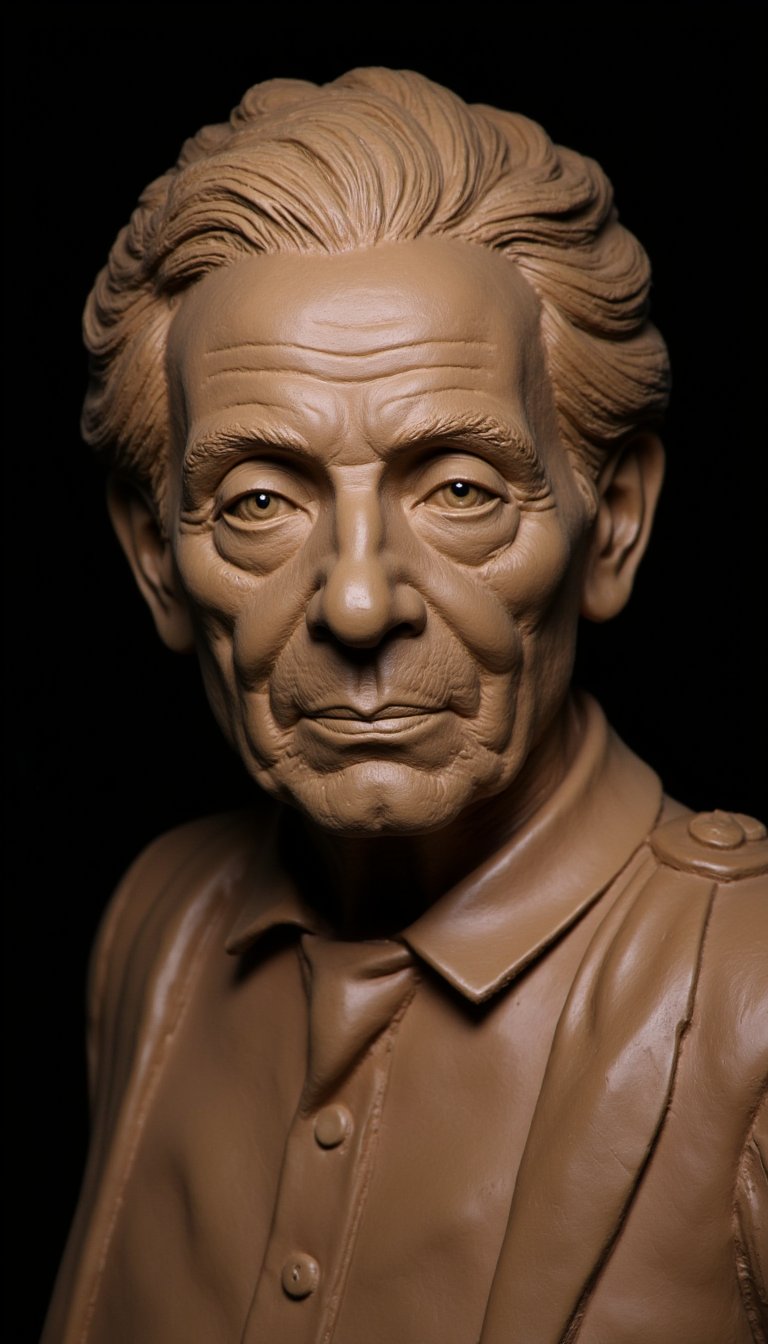
Everyone does famous historical figures. To stand out, choose a bust of an unsung hero. This could be a local community leader, a groundbreaking but less-known scientist, or even a beloved family member. The power here is in the story you attach to the sculpture. Capturing a likeness is tough, but capturing *character* is where you win. Focus on the specifics: the crow’s feet from years of smiling, the set of their jaw that shows determination. This idea adds a layer of depth and personal connection that generic portraits lack.
Pair your finished bust with a short, powerful artist statement. Tell the judges who this person is and why they mattered. It creates an emotional hook that is irresistible.
6. Whimsical Animal with Human Quirks
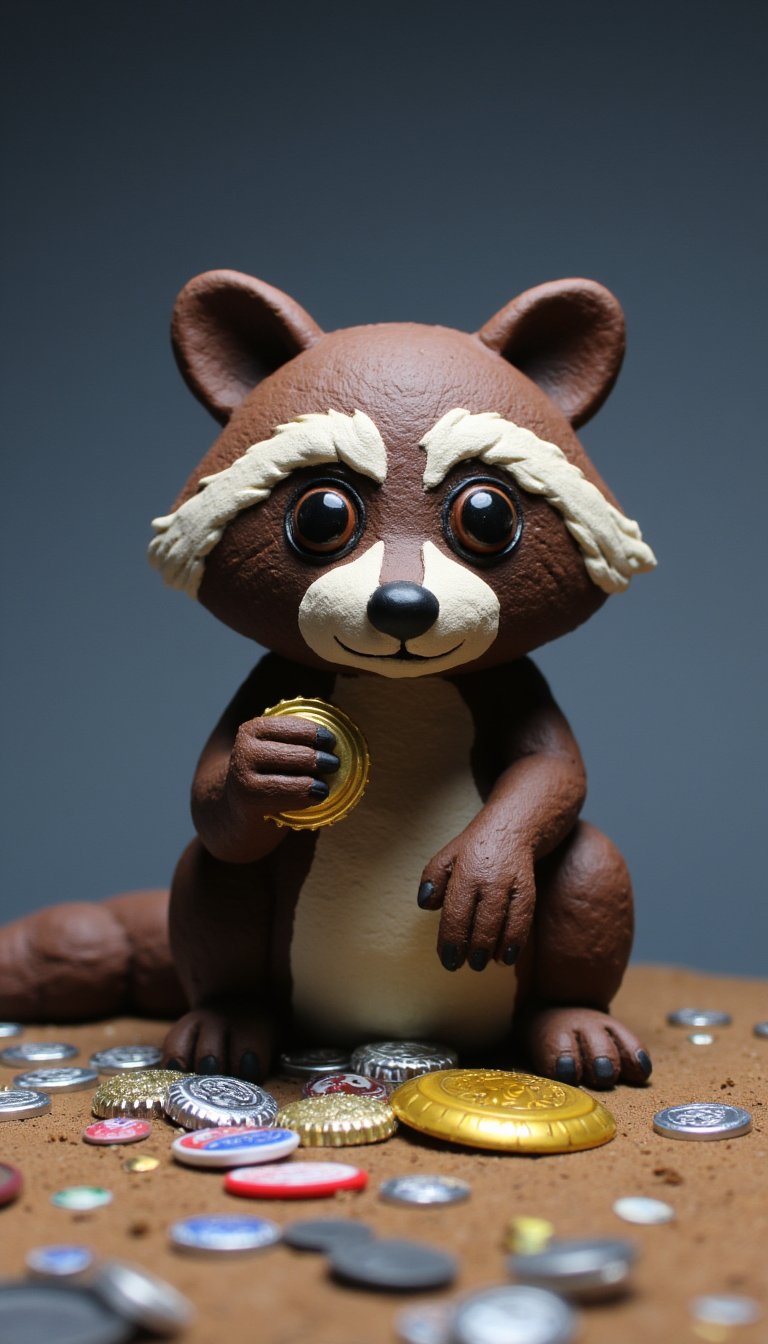
An animal sculpture is a classic, but for a competition, you need a twist. Give it human quirks and scenarios. Picture a raccoon meticulously sorting its treasure of shiny bottle caps, or an owl wearing tiny spectacles and struggling to read a massive book. The humor and storytelling are instant engagement tools. Your sculpting skills go into perfecting the animal’s anatomy, while your creativity bursts out in the scenario and accessories. It’s charming, it’s skilled, and it makes people smile. Who doesn’t vote for the thing that made them happy?
Pay extreme attention to the eyes and posture—they sell the “personality.” A slightly raised eyebrow on a frog can be everything.
7. Architectural Wonder in Precise Miniature
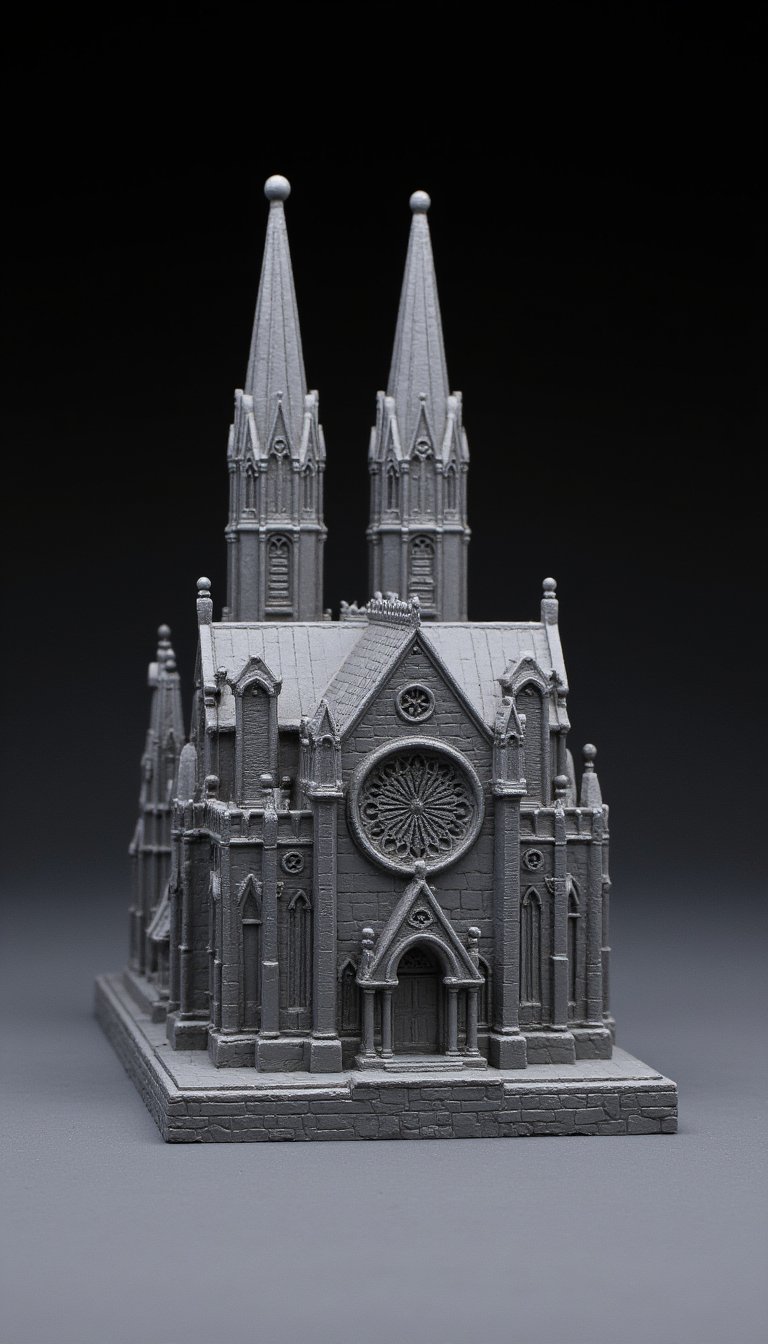
Test your patience and precision by recreating a famous architectural wonder in miniature. Think the intricate lattice of the Taj Mahal, the soaring buttresses of a Gothic cathedral, or the sleek curves of modernist architecture. This isn’t about building a blocky shape; it’s about capturing the essence and detail of the structure. The challenge lies in scale, symmetry, and the replication of textures like stone, brick, or glass. It’s a technical marathon that showcases steady hands and a keen eye for proportion. Judges respect the dedication this takes.
Avoiding Catastrophe
Use armatures (internal wire supports) for any thin, projecting parts. And for the love of all things clay, dry it slowly and evenly to prevent cracks in those delicate walls.
8. Sculpture Capturing Dynamic Motion
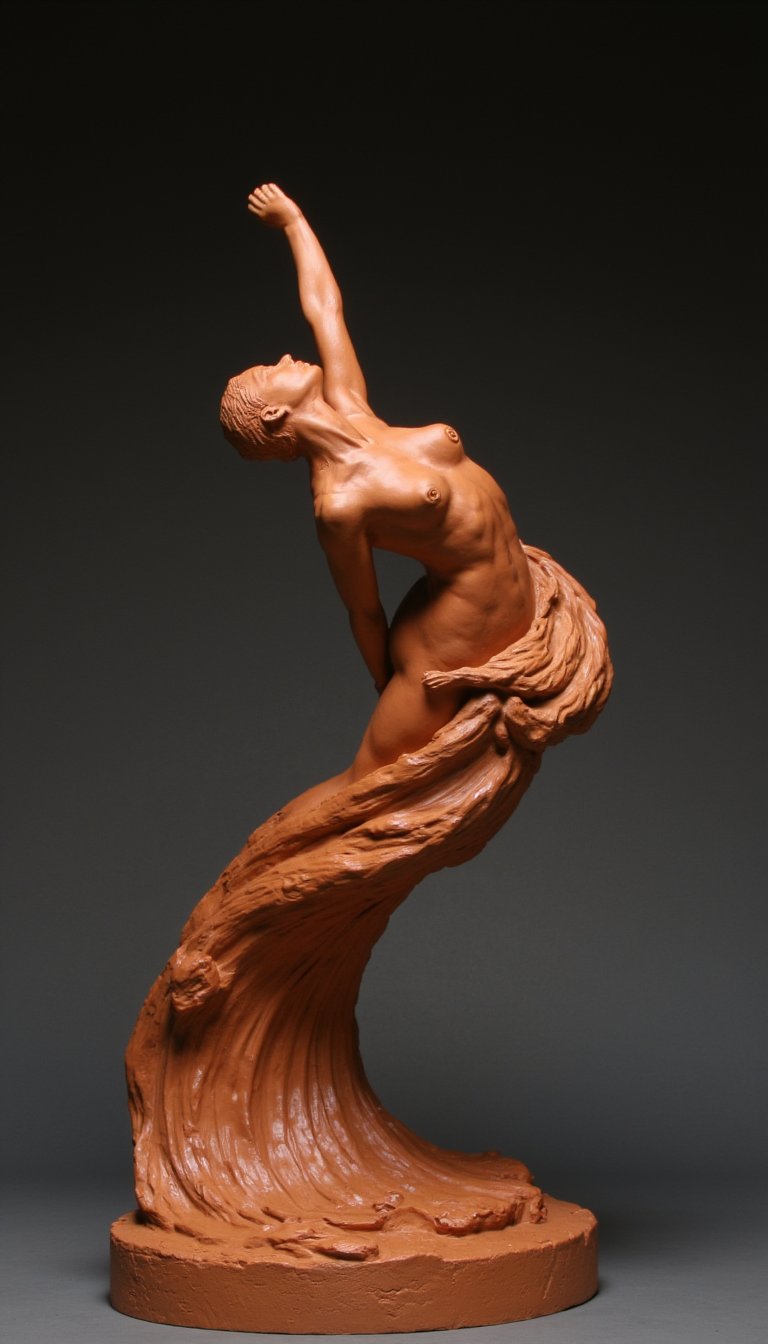
Static poses are safe. Motion is memorable. A dynamic motion sculpture captures a figure in mid-action—a dancer mid-leap, an athlete throwing a ball, hair and clothes flowing in the wind. The goal is to create a sense of imbalance that feels perfectly balanced. Use flowing lines and extended limbs to guide the viewer’s eye around the piece. This idea demonstrates your understanding of weight, gravity, and human kinetics. Can you make heavy, fired clay look light as air? That’s the trick.
Study action photographs. Notice how muscles tense and fabric behaves. Your armature is your best friend here; it’s the skeleton that holds the thrilling pose before the clay even skins it.
9. Cultural Symbol Reimagined
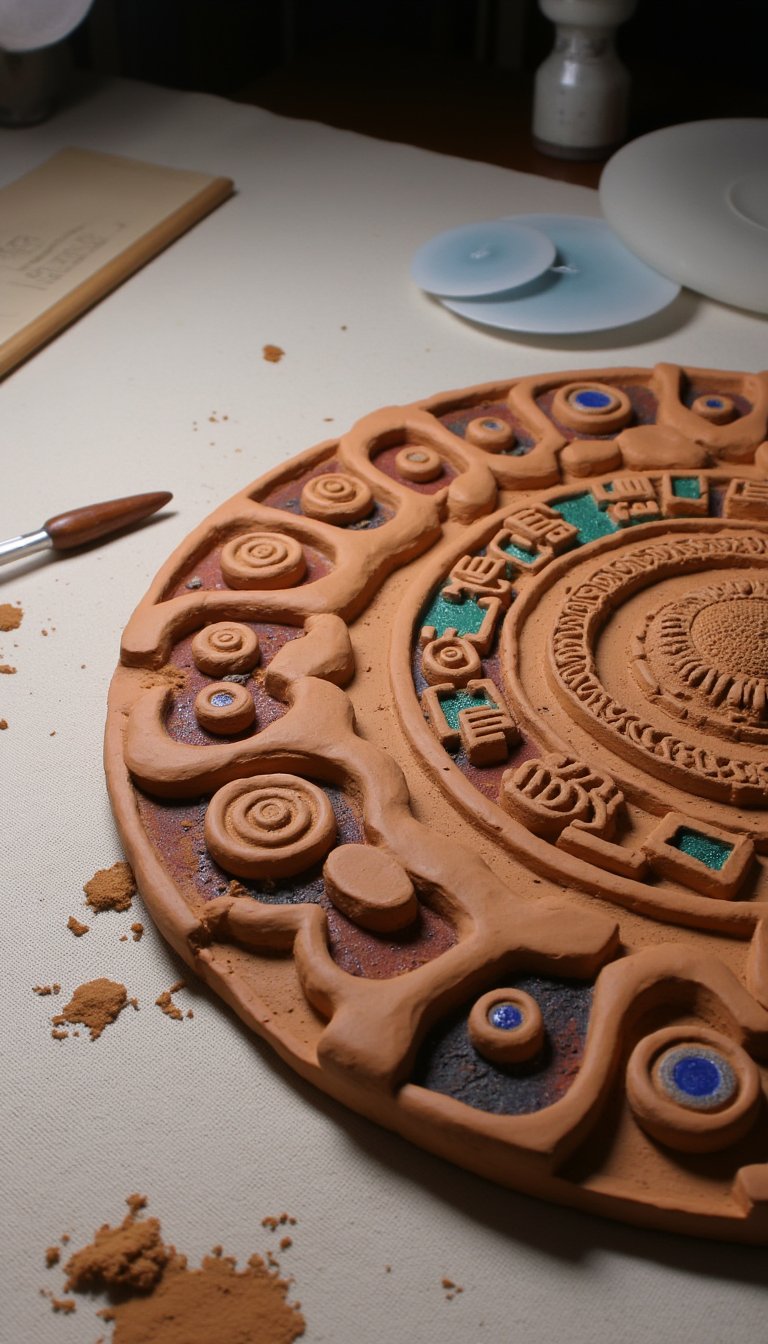
Take a well-known cultural or spiritual symbol and reinterpret it through a personal or modern lens. This isn’t appropriation; it’s respectful, innovative homage. For example, what would a Mandala look like if it represented internet connectivity? How might a traditional African mask incorporate elements of urban graffiti? This reimagined cultural symbol shows you can work with depth, meaning, and context. It sparks conversation and shows you’re an artist who thinks about the world and its narratives. Just be prepared to explain your thought process.
Research is non-negotiable. Understand the original symbol’s meaning deeply before you deconstruct and rebuild it. Your artistry lies in the bridge between the old and the new.
10. Surreal Dream Scene
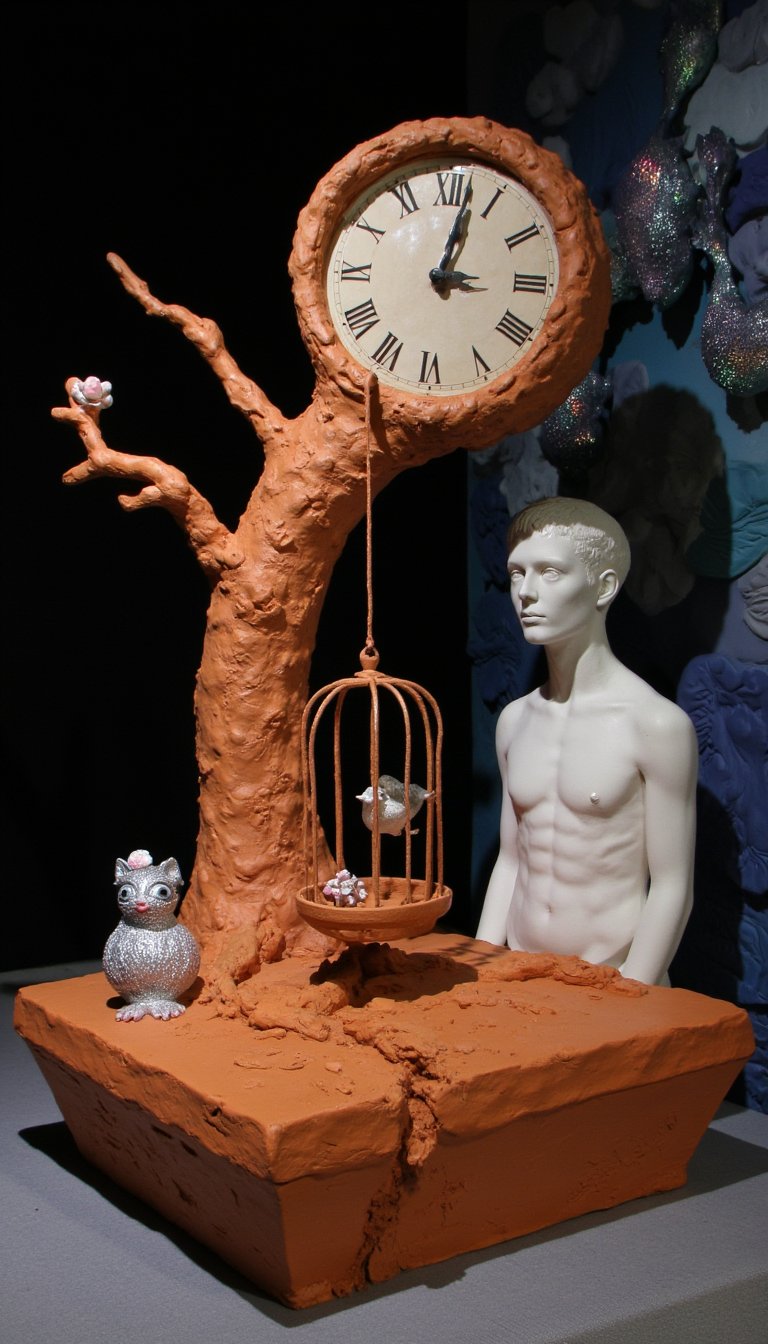
Let your subconscious do the talking. A surreal dream scene bends reality in the most visually interesting ways. Think clocks melting over a branch, a figure with a birdcage for a head, or a landscape where fish swim through the sky. This is your chance to be wildly imaginative with symbolism. The technical skill comes in making the impossible look tangible. How do you sculpt “melting”? How do you make a floating object look anchored in its own reality? This idea is a direct line to the judge’s imagination.
Keep one foot in reality. Even the weirdest elements need to be sculpted with convincing texture and form. That contrast—between the believable detail and the impossible concept—is what creates the dreamlike tension.
11. Interactive Clay Puzzle or Game
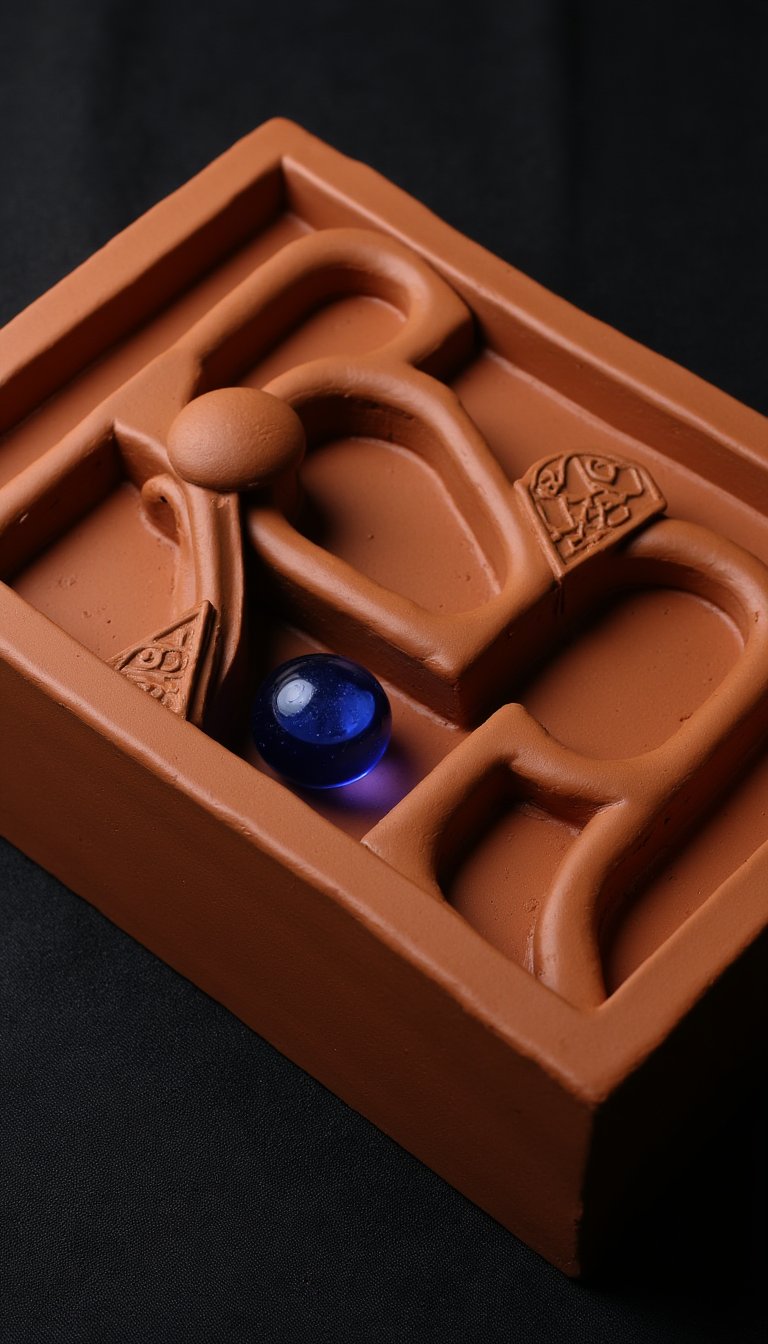
Engage the judge physically, not just visually. An interactive clay puzzle invites touch and play. This could be a intricate maze with a marble, a set of interlocking rings that can be solved, or a sculpted box with hidden compartments that open in a specific sequence. It turns your art into an experience. The design phase is crucial; you must engineer moving parts that work smoothly after firing. This idea showcases problem-solving, engineering, and sculptural skill all in one. It’s memorable because it’s fun.
Competition Day Advice
If possible, include a discreet sign that says “Please try me.” You want the judges to interact with it. That hands-on moment is what they’ll remember when scoring.
12. Hyperrealistic Natural Specimen
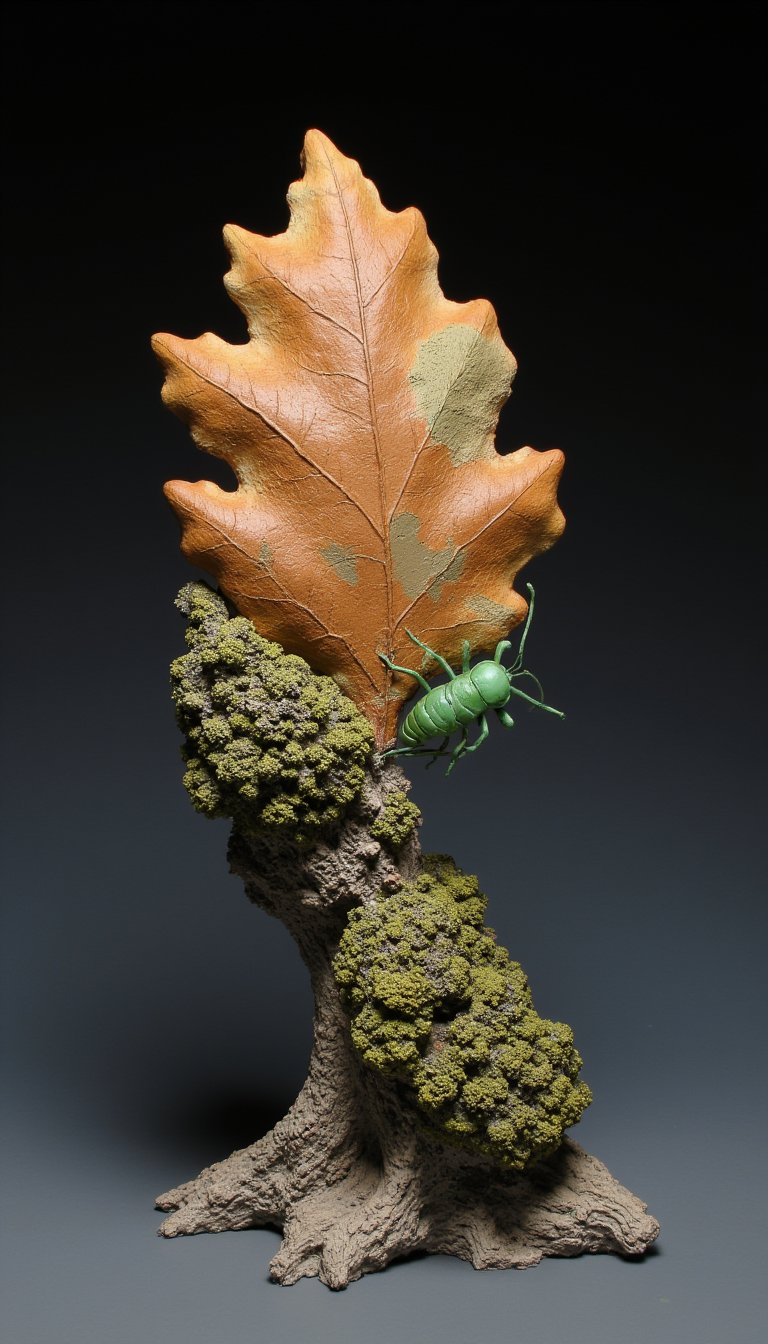
Go full-on nature documentary. Choose a subject from the natural world and render it in hyperrealistic detail. This isn’t just a flower; it’s a dying rose with every curled, brittle petal and thorn. Not just a frog, but a frog with dewy skin, visible pores, and one foot slightly submerged in imaginary water. The goal is to make people do a double-take. This demands mastery of texture, color blending (using underglazes or paints), and obsessive observation. It’s a pure, unadulterated display of skill that leaves no room for error.
Work from high-quality photos or, better yet, real life. The subtle imperfections—a chewed leaf, uneven coloration—are what sell the realism. Avoid the “too perfect” look that feels artificial.
13. Intricate Steampunk Invention
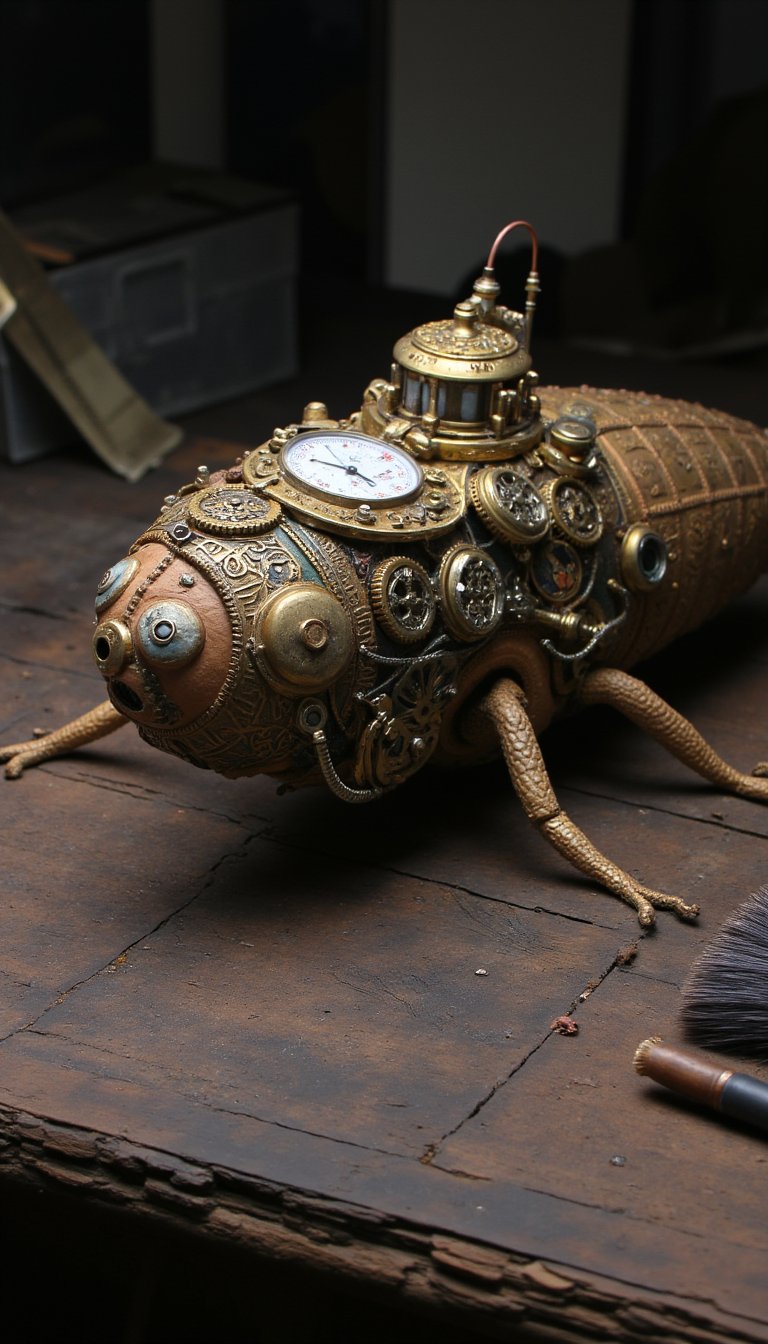
Blend Victorian aesthetics with futuristic fantasy. A steampunk invention is a playground for mixed media and storytelling. Sculpt a fictional gadget—a time-traveling pocket watch, a mechanical dragonfly spy drone, an ornate airship engine. Combine clay with gears, watch parts, bits of brass, or wire to create a sense of complex functionality. The backstory is implied in the design: What does it do? Who used it? This genre loves detail, so go overboard with tiny gauges, pipes, and rivets. It’s visually dense and technically impressive, perfect for catching a judge’s eye from across the room.
Unify your piece with a consistent patina. Use paints and washes to make all the added metal elements look equally aged and worn, as if they’ve shared the same adventurous history.
So, there you have it—13 clay modelling ideas for competition that go way beyond the basics. Each one targets a different strength: storytelling, technical precision, emotional depth, or plain old wow factor. The best choice? It’s the one that sparks a fire in *you*. Because if you’re excited while making it, that energy bakes right into the clay. Remember, competitions aren’t just about winning; they’re about pushing your own boundaries and creating something that says, “This is what I can do.” Now, get out there, get messy, and make something that even *you* can’t stop looking at. You’ve got this. 😉