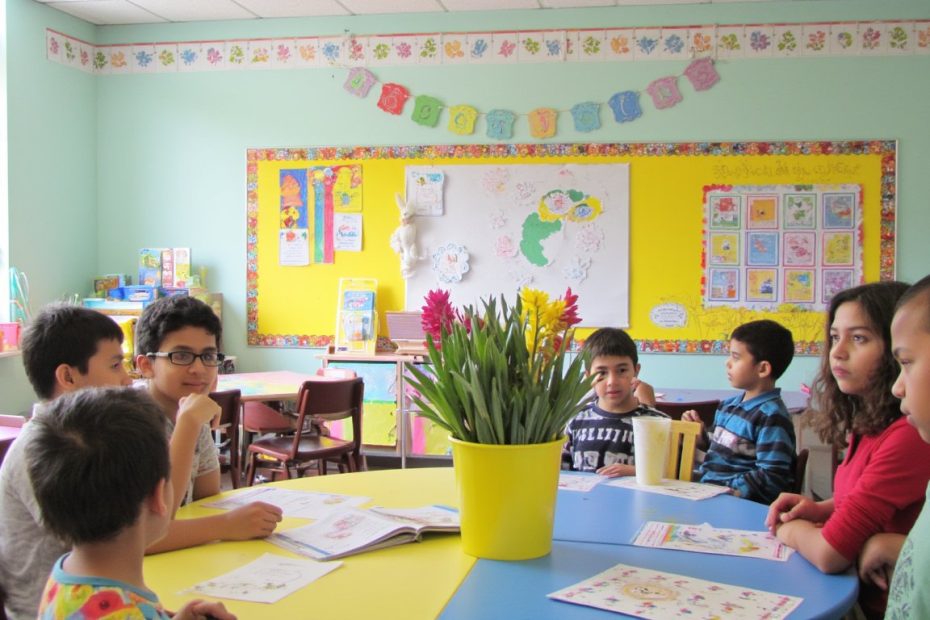
Okay, let’s be real. You’ve just survived the glittery chaos of Valentine’s Day and the leprechaun traps of March. The classroom walls look a little… tired. And now, spring is knocking, asking you to transform your space into a vibrant, cheerful wonderland. But who has the time to scour Pinterest for hours? You need ideas that are cute, doable, and actually get the kids excited. Well, take a deep breath of that (almost) spring air. I’ve gathered 19 of the best, most engaging spring decorations for kindergarten that are equal parts fun to make and stunning to display. Let’s ditch the overwhelm and bring in the blooms!
1. Collaborative “Garden of Goals” Bulletin Board

Kick off the season with a decoration that doubles as a social-emotional learning tool. Create a large garden scene on your main board with soil, a sun, and a blue paper sky. Then, have each child decorate their own paper flower or plant. On the stem or petals, they can write or draw a “growth goal” for spring—like “I will help a friend” or “I will learn to tie my shoes.” Watching the garden fill up is a powerful visual of your classroom community growing together. It’s a constant, positive reminder that’s more meaningful than any store-bought poster.
2. 3D Coffee Filter Butterflies

This is a classic for a reason—it’s magical, easy, and uses supplies you definitely already have. Let the kids use washable markers to color on plain white coffee filters, then spritz them with water and watch the colors blend. Once dry, pinch the center to create wings and secure with a clothespin. Add googly eyes and pipe cleaner antennae. Hang them from the ceiling with fishing line at varying lengths for a fluttering migration effect. Pro tip: The wet filter stage is pure science-meets-art wonder.
3. Handprint Cherry Blossom Tree

Turn those adorable little hands into a lasting spring memory. Paint a simple brown tree trunk and branches on a large roll paper or canvas. Then, dip forearms and hands in light pink paint to create the “blossoms” by stamping the side of the hand and fingers along the branches. The arm makes a perfect branch extension! Mix in some white paint for depth. This makes a stunning, large-scale piece of collaborative art that parents will absolutely swoon over during spring events.
4. “April Showers Bring May Flowers” Umbrella Mobile

Bring the saying to life! Cut umbrella shapes from colorful construction paper or patterned scrapbook paper. Have each child decorate one with crayons, stickers, or sequins. Then, from the bottom of each umbrella, attach strings with simple paper flowers or raindrops at the ends. Suspend all the umbrellas from a hula hoop or a branched stick to create a cascading mobile. Hang it in a corner or over your reading nook. It’s a 3D decoration that teaches a classic phrase through immersive play.
5. Egg Carton Caterpillars

Upcycle those cardboard egg cartons into the cutest critters! Cut the carton into strips (the bumpy part makes the perfect caterpillar body). Let the kids go wild painting them in bright, springy colors. Add pipe cleaner antennae and googly eyes. You can line them up along a windowsill, have them “crawl” across a bulletin board heading, or even attach a string to make them look like they’re hanging from a leaf. It’s a fantastic fine-motor activity that results in charmingly quirky spring decorations for your kindergarten shelves.
6. Life Cycle of a Bean Window Garden

Combine decoration with a hands-on science experiment. Plant beans in clear plastic cups with damp paper towels so kids can see the roots. Line them up on a sunny windowsill. Above them, create a visual life cycle chart with student-drawn or crafted pictures: seed, root, sprout, plant, flower, new bean pod. Label each stage together. This living decoration grows and changes daily, sparking endless observation and conversation. It’s a classroom centerpiece that’s literally alive.
7. Symmetrical Paint Blot Butterflies

Teach symmetry in the most beautiful way. Fold a piece of paper in half, then have kids drop blobs of liquid watercolor or thinned tempera paint on one side. Fold the paper and press! When they open it, they’ll reveal a perfectly symmetrical wing pattern. After it dries, they can cut it into a butterfly shape and add a body. Display these in a massive flock on a brightly colored wall. No two will be alike, and the “wow” factor of the reveal is always a hit.
8. Paper Plate Sun Weavings

Add some texture and fine motor practice to your spring decor. Use yellow paper plates as the base. Cut an odd number of notches around the edge and have kids weave yellow and orange yarn or ribbon across to create the sun’s rays. They can add a happy face in the center. These cheerful suns are sturdy enough to hang anywhere and add a wonderful tactile element. They look fantastic mixed in with all the flowers and bugs, balancing out your theme.
9. “Our Little Sprouts” Photo Wall

Personalize your space in the sweetest way. Take close-up photos of each child’s smiling face. Then, have them create a simple green paper stem and leaves. Attach their photo at the top as the “flower.” Plant all your little sprouts in a giant classroom garden on the wall, perhaps with a cute sign like “Watch Us Grow!” This decoration builds identity and belonging. Kids love pointing out themselves and their friends, making the classroom truly feel like theirs.
10. Bubble Wrap Beehives & Fingerprint Bees

Time to get buzzing! Paint bubble wrap with yellow paint and press it onto paper to create a textured beehive hexagon pattern. Meanwhile, kids can make bees by dipping their fingertips in yellow paint for the body and adding black stripes and tiny wing outlines with a marker. Cut out the bees and have them “fly” around the hive. Add a fun fact like “Did you know? Bees do a waggle dance!” This combines sensory play (bubble wrap popping, anyone?) with a bit of nonfiction learning.
11. Rainbow Windsocks from Paper Tubes

Celebrate spring colors and windy days. Use paper towel tubes as the base. Let kids glue on streams of pastel-colored crepe paper or ribbon in rainbow order. They can decorate the tube itself with clouds, suns, or stickers. Hang these outside your classroom door or from the ceiling where the air vent will make them dance. They’re incredibly festive and help children observe wind direction and movement—a sneaky little science lesson in a beautiful craft.
12. Popsicle Stick & Tissue Paper Tulips

Simple, bright, and perfect for little hands. Kids can glue colorful squares of tissue paper onto a tulip-shaped cardstock cutout or simply wrap and glue them around the top of a green popsicle stick. Plant a whole field of these in a line along the base of your whiteboard or create a giant bouquet in a paper vase on the wall. The tissue paper gives a lovely translucent, petal-like effect when it catches the light from the window.
13. “What Do You See in the Clouds?” Display

Spark imagination with this interactive art piece. Create a big, fluffy cloud shape from white batting or cotton balls on a blue background. Around it, post speech bubbles with kids’ answers to the question: “What do you see in the clouds?” They can draw their imaginative sightings—a dragon, a bunny, a race car. Rotate the drawings weekly. This decoration isn’t static; it evolves with your students’ creativity and makes for a great circle-time discussion starter.
14. Ladybug Rock Garden

Take the decoration beyond your walls. Have each child find a smooth rock (or provide them). Paint them red, let them dry, and add black heads, spots, and googly eyes. These adorable ladybugs can line your classroom windowsill, decorate a plant pot, or live in a small tray of green shredded paper “grass.” They’re a great way to add a natural element and can even double as paperweights or a counting manipulative. Plus, painted rocks just feel like a childhood rite of passage.
15. Caterpillar Name Chain

Practice name recognition with a decorative chain. Give each child several green paper circles. They write one letter of their name on each circle, decorate them, and then glue or staple them together in order to make their name caterpillar. Connect all the class caterpillars to make one incredibly long, colorful chain to drape around the room. It’s literacy, fine motor work, and a bold graphic statement all in one. Talk about a multi-tasking decoration!
16. Fork-Painted Dandelions

Break out the unconventional art tools! Dip the back of a plastic fork into yellow or white paint and stamp it onto green paper to create the fluffy dandelion head. Use a green marker or paintbrush to add the stem. You can make a whole field of these on a long mural. For extra fun, add a few with white paint and glue on real dandelion fluff or cotton balls that have been pulled apart. It’s a fantastic texture study and so satisfying to make.
17. Frog on a Lily Pad Pond Scene

Create a calming corner with a pond scene. Use blue bulletin board paper for the water and large green lily pads (add texture with sponge painting). The star of the show? Simple frog crafts made from green painted paper plates or cups. Add big googly eyes and a red paper curled tongue. You can even have flies (black pom poms) hovering around! This is a great backdrop for stories about ponds, frogs, or spring animals, turning your decor into a storytelling stage.
18. Rainbow Paper Plate Arcs

Nothing screams spring like a rainbow. Cut paper plates in half. Assign each child (or group) a color of the rainbow. They can collage, paint, or glue colored items (tissue paper, yarn, pom poms) onto their arc. Arrange all the arcs in correct ROYGBIV order on a wall with cotton ball clouds at each end. The scale of using plates makes the rainbow big and bold, perfect for a hallway display that spreads cheer to the whole school.
19. “Spring Is Here!” Sensory Banner

End your list with a decoration kids can *feel*. Create a banner with individual letters spelling “SPRING IS HERE.” Decorate each letter with a different sensory material: crinkled green cellophane for grass (S), glued-on real flower seeds (P), smooth ribbon (R), insect stickers (I), etc. Hang the banner low enough for children to touch and explore the textures. It engages multiple senses and introduces wonderful new vocabulary words like “bumpy,” “crinkly,” and “smooth.”
And there you have it—19 spring decorations for your kindergarten that are light on prep and heavy on creativity, learning, and pure joy. The real magic isn’t in a perfectly Pinterest-worthy room (though these will look amazing). It’s in the process: the paint-covered fingers, the proud “I made that!” declarations, and the way a handmade butterfly mobile can make a child’s face light up. So pick a few, grab your trusty glue gun and construction paper, and have fun. Your classroom will transform into a vibrant spring sanctuary that you and your little learners will love walking into every single day. Now, which one are you trying first? 😊