
There’s a quiet magic in making something with your own two hands, isn’t there? Not for a social media post or a side hustle, but for the sheer, simple joy of it. It’s the feeling of connecting to a rhythm of life that hums slower and deeper than our daily scroll. That’s the soul of primitive country crafts. They’re not about perfection; they’re about character, history, and the honest beauty of natural materials. If you’re itching to unplug and create something with a story, you’re in the right place. Let’s explore 19 timeless crafts that’ll bring a piece of that rustic, heartfelt charm right into your home.
1. Hand-Dipped Tallow Candles
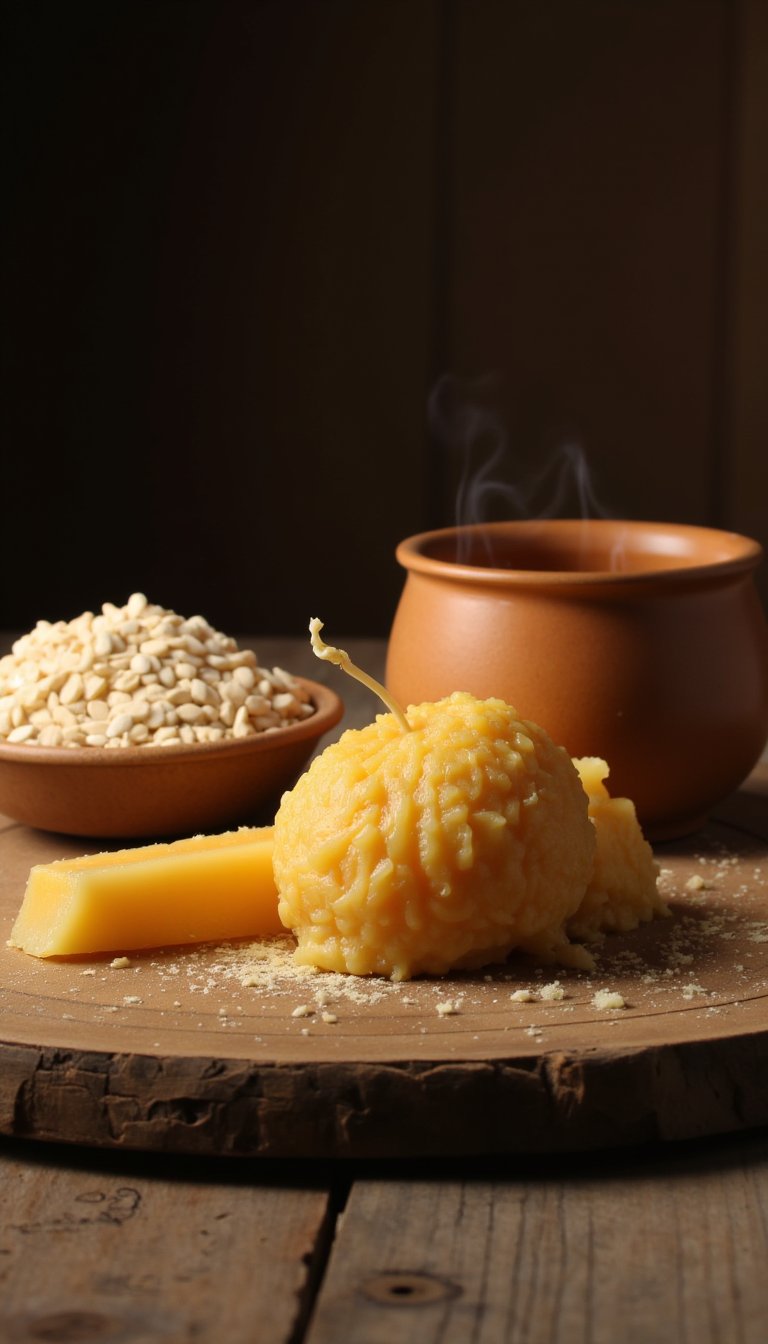
Before electric lights, people relied on the gentle, flickering glow of tallow candles. Making them is a lesson in resourcefulness. You simply render beef or mutton fat (suet), filter it, and repeatedly dip a cotton wick into the warm tallow, building up layers. The result? A softly-scented, historically authentic candle that burns with a warm, primitive light. It’s a craft that turns a common byproduct into a beautiful, functional piece of history for your hearth or table.
2. Rag Rug Weaving

Nothing says “country home” like a sturdy, colorful rag rug. This is the ultimate upcycling craft. You take old sheets, clothing, or fabric scraps, tear them into strips, and weave them on a simple loom—or even a homemade frame. The process is wonderfully meditative. You’ll create a durable, washable floor covering that’s literally woven with memories, and you’ll keep pounds of fabric out of the landfill. Talk about a win-win.
3. Corn Husk Dolls

These delicate, faceless dolls are a beautiful piece of American folk art with Native American origins. After the harvest, the inner husks from dried corn become the material. You dampen them to make them pliable, then twist and tie them to form simple human shapes. Their charm lies in their simplicity and the natural, earthy texture of the husks. They make for poignant, primitive decorations that honor the seasons and the land.
4. Rustic Broom Making
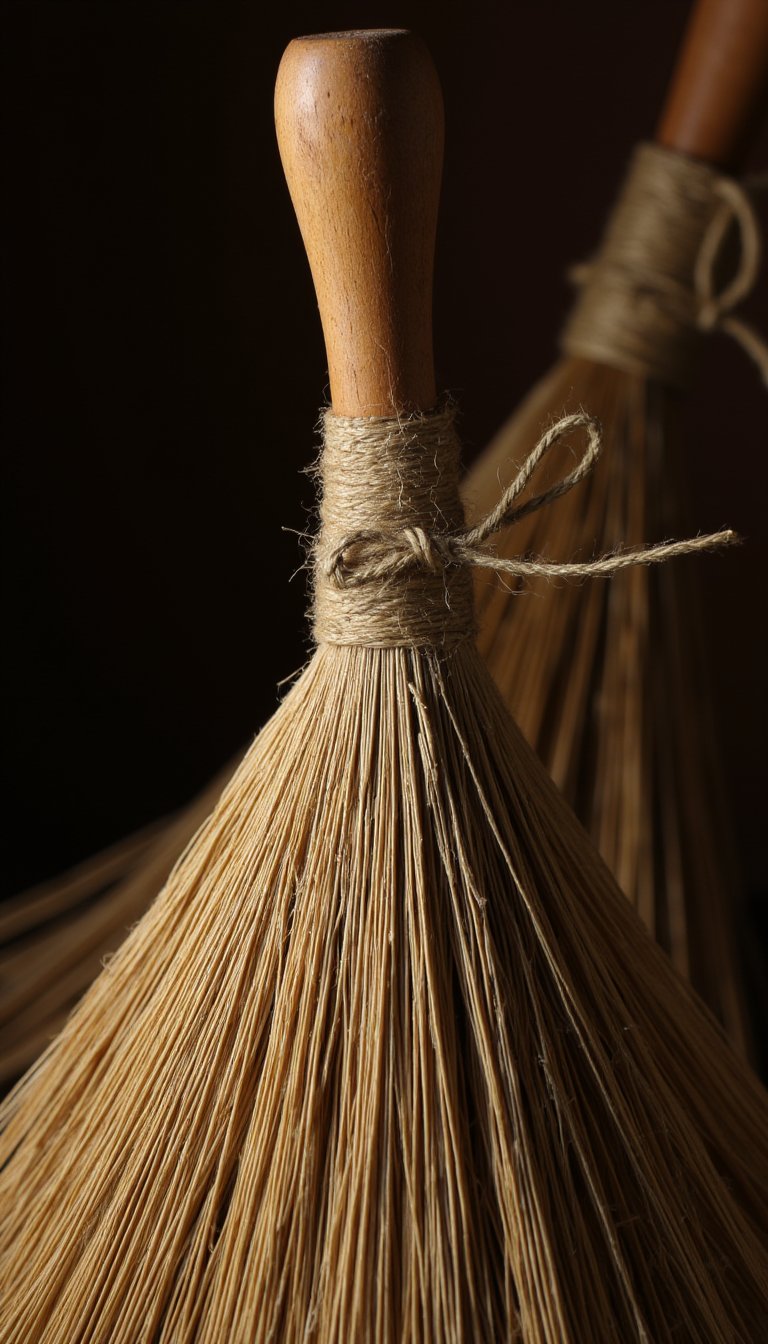
Forget the plastic broom from the big-box store. Crafting a traditional hearth broom or whisk broom connects you to a centuries-old trade. You use natural broomcorn (a type of sorghum) and bind the bristles tightly to a carved wooden handle with strong twine. The rhythmic tying and shaping is incredibly satisfying. The finished product isn’t just a cleaning tool; it’s a functional sculpture that works better than you might think!
5. Pressed Flower & Leaf Art

This is one of the most accessible primitive country crafts. You gather blooms, ferns, and interesting leaves from your walks, press them flat in a heavy book for a few weeks, and then arrange them under glass or in a simple frame. It’s a way to capture and preserve a specific moment in nature’s calendar. The results are delicate, botanical snapshots that bring a whisper of the meadow right onto your walls.
6. Hand-Coiled Clay Pottery

While wheel-throwing requires a studio, the ancient coiling method is wonderfully primitive and doable at home. You roll clay into long “snakes,” then coil and smooth them upon each other to build a pot, bowl, or vase. The process is slow and tactile, often leaving visible, beautiful imperfections in the final piece. Fire it in a kiln or even a pit fire for an authentically rustic finish.
7. Wool Felting (Dry or Wet)

Felting is pure fiber magic. For dry felting, you repeatedly poke loose wool roving with a special barbed needle until the fibers mat together into a solid shape—think adorable animals or ornaments. Wet felting involves rubbing wool with soapy water until it shrinks and bonds into fabric. Both methods are incredibly forgiving and produce wonderfully tactile, warm items that feel alive with texture.
8. Whittling & Wood Carving

All you need is a sharp knife, a piece of soft wood (like basswood or pine), and a bit of patience. Start with simple shapes: a butter spreader, a small animal, or a decorative hook. The act of slowly carving away slivers of wood to reveal a form inside is almost meditative. It’s a craft that teaches respect for your tools and the material, resulting in unique, hand-hewn objects for your home.
9. Natural Dyeing with Plants
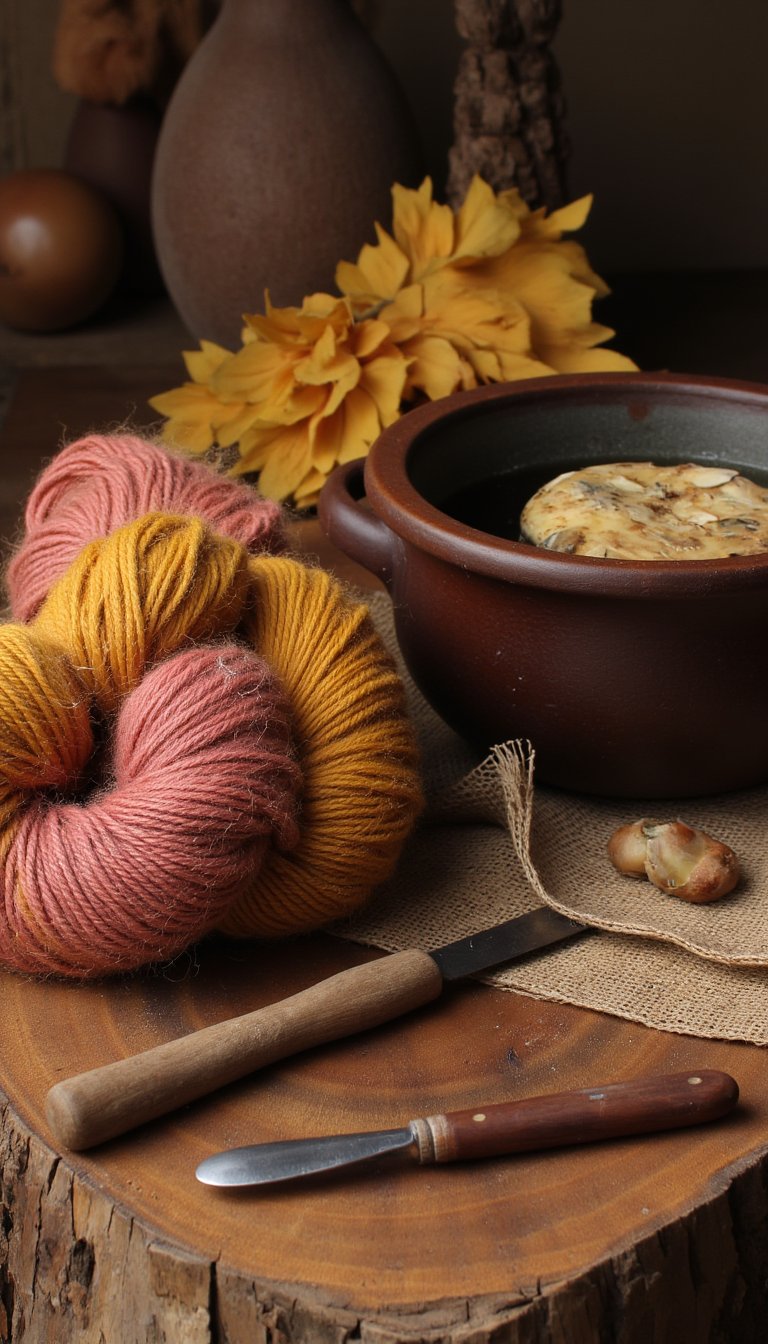
Unlock the hidden colors in your backyard. Onion skins give rich golds and oranges, avocado pits create a soft blush pink, and black walnuts produce deep browns. You simmer the plant material to extract the color, then submerge your pre-treated natural fiber (like wool, cotton, or linen). The results are subtle, earthy hues that no chemical dye can replicate. Every batch is a unique experiment.
10. Log Birdhouses & Feeders

Move over, perfectly painted birdhouses. The primitive version involves hollowing out a section of log with a drill and gouge, adding a simple entrance hole, and fixing on a roof. You can use bark, cedar shakes, or even a piece of tin. It’s rugged, blends perfectly into a garden, and provides a natural, cozy shelter for your feathered friends. It looks like it grew there itself.
11. Penny Rugs

Don’t let the name fool you—these aren’t rugs you walk on. Penny rugs are decorative wool felt mats, where small, coin-shaped circles of felt are layered and stitched onto a background. Historically, they used scraps from old wool clothing. The repetitive stitching creates stunning geometric or floral patterns. They’re a fantastic, portable hand-sewing project that yields a gorgeous, textured heirloom.
12. Beeswax Food Wraps

A modern twist on a primitive mindset: sustainable food storage. You grate beeswax and pine resin onto cotton fabric, then melt it in the oven so it soaks in. Once cooled, the wrap becomes pliable with the warmth of your hands, molding over a bowl or food item, and seals itself. It’s washable, reusable, and smells divine. This craft perfectly marries old-world materials with a contemporary zero-waste goal.
13. Twig & Branch Furniture

This is rustic furniture at its most authentic. You forage for sturdy, straight branches and flexible green saplings (like willow or hazel). Using simple lashing techniques with jute or leather cord, you can create anything from a simple picture frame to a stunning twig chair or side table. The structure celebrates the natural bends and forks of the wood, making every piece a one-of-a-kind functional art installation.
14. Homemade Ink & Quill Writing
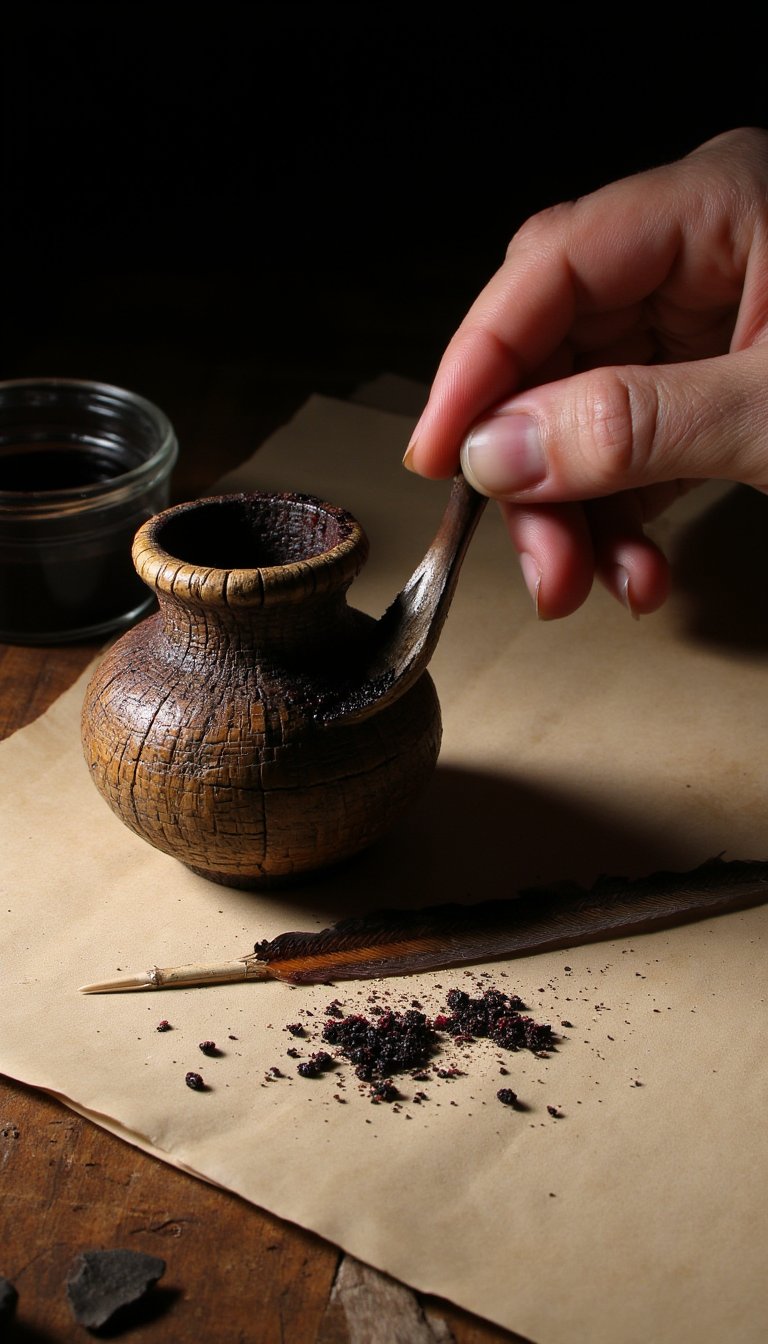
Go full medieval scribe. You can make a durable black ink from oak galls (a growth on oak trees) and iron nails, or a simple berry ink from blackberries or elderberries. Then, prepare a feather quill from a large bird feather. The act of writing becomes deliberate and artistic. It’s a profound way to connect with the history of communication and create beautiful, old-world letters or journal entries.
15. Apple Head Dolls
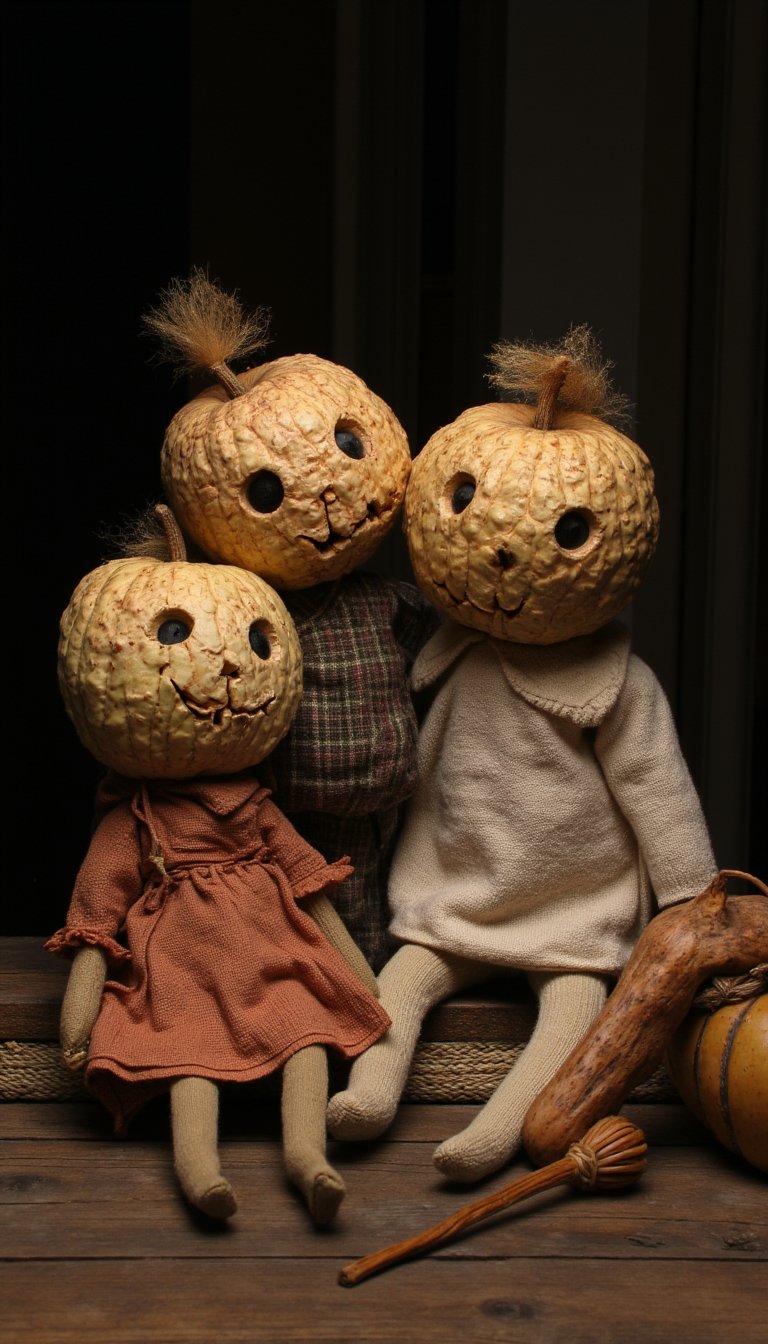
Equal parts charming and slightly spooky (in the best way!), these folk art dolls are a true autumn craft. You carve a face into a fresh, peeled apple, then let it slowly dry and shrivel over weeks. The apple naturally forms a wizened, expressive “old” face. You then add a simple cloth body, yarn hair, and tiny clothing. Each doll’s character is completely unique, shaped by the whims of the drying process.
16. Hand-Forged Hooks & Hardware

If you have access to a basic forge, anvil, and hammer, blacksmithing simple items is the pinnacle of primitive craft. Start with S-hooks, pot hangers, or simple door latches. Heating steel until it’s malleable and shaping it with hammer blows is powerful, elemental work. The forged pieces you create are heirloom-quality hardware that adds undeniable authenticity to any rustic space.
17. Gourd Birdhouses & Art
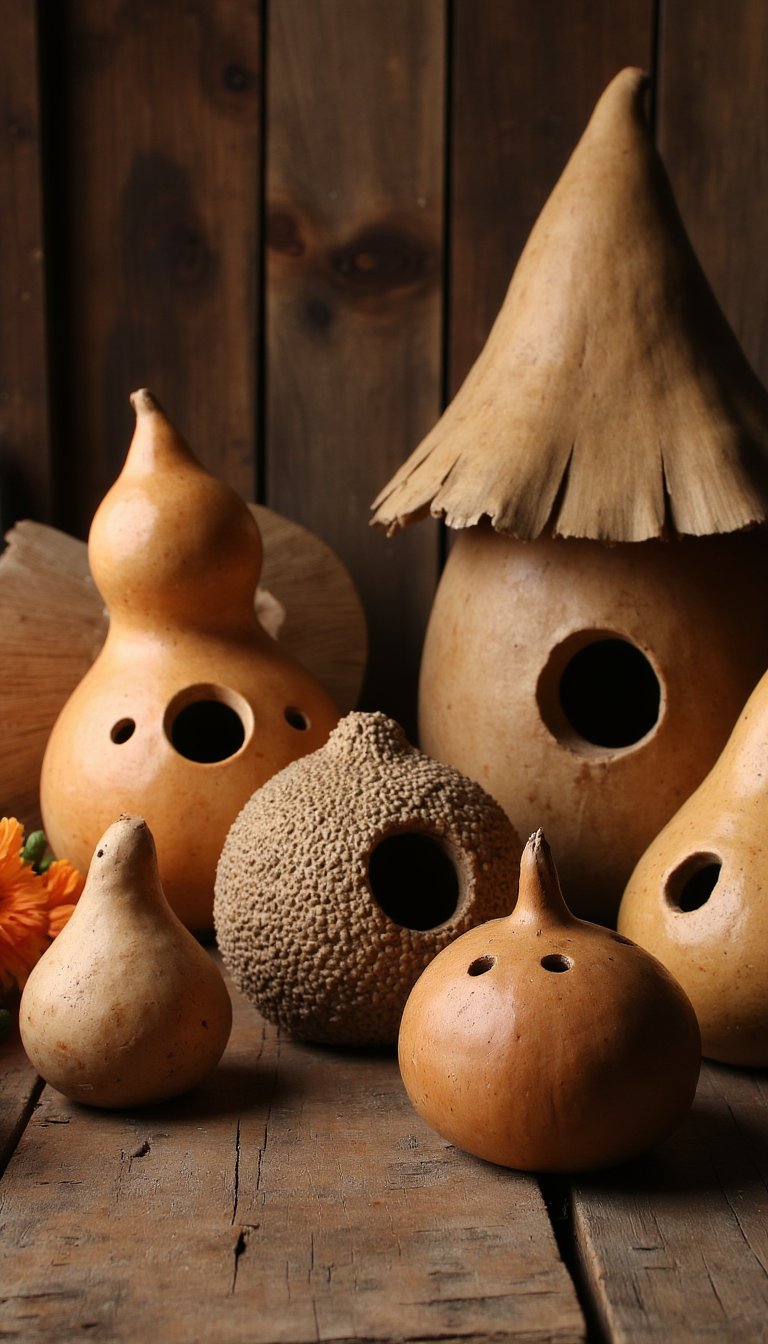
Hard-shell gourds, dried for almost a year, are nature’s perfect crafting vessel. You clean out the seeds, cut an entrance hole, and maybe add some decorative carving or wood-burning. A coat of protective sealant, and you have a perfectly aerodynamic, weather-resistant birdhouse, dipper, or decorative bowl. Their organic, lumpy shapes are inherently primitive and beautiful.
18. Stamped Leather Crafting

Using basic vegetable-tanned leather and metal stamping tools, you can create beautiful, durable goods. You dampen the leather, place a steel stamp on it, and strike it with a mallet to leave an impression. Build patterns to make key fobs, journal covers, or simple pouches. The craft connects to saddlery and old-world trades, and the smell of the leather alone is worth the effort.
19. Pine Needle Basketry

This is a patient, rewarding craft. You gather long-leaf pine needles (or similar), soak them to make them flexible, and coil them, stitching the coils together with raffia or sinew. As you work, the basket grows from the center outwards. The finished basket is surprisingly sturdy and has a wonderful, resinous scent. It’s a beautiful way to turn a forest floor offering into a functional container.
So, there you have it—19 primitive country crafts that are more than just projects; they’re invitations. Invitations to slow down, to listen to the rustle of leaves or the crackle of a fire, and to feel the satisfaction of creating something real from the raw materials around us. You don’t need a fancy studio or expensive tools for most of these. You just need a willingness to get your hands a little dirty and your mind a little quiet.
The true beauty of these crafts isn’t necessarily in the finished product (though they are lovely). It’s in the process itself—the rhythm of the stitch, the smell of the wood, the transformation of the ordinary into something special. They remind us that we are makers, storytellers, and deeply connected to the natural world. So, which one will you try first? Your hands are waiting to remember what they can do. 😊