
Staring at a recycling bin full of empty bottles, cardboard scraps, and used paper rolls? Stop seeing trash and start seeing potential. I’ve been there—surrounded by “junk” after a school event, wondering how to teach sustainability without the preachy lecture. The secret? Get crafting. This list isn’t just about keeping stuff out of landfills; it’s about unlocking creativity, stretching those tiny school budgets, and giving kids the unbeatable pride of making something cool from nothing. Ready to turn your classroom into an upcycling hub?
1. Plastic Bottle Vertical Garden
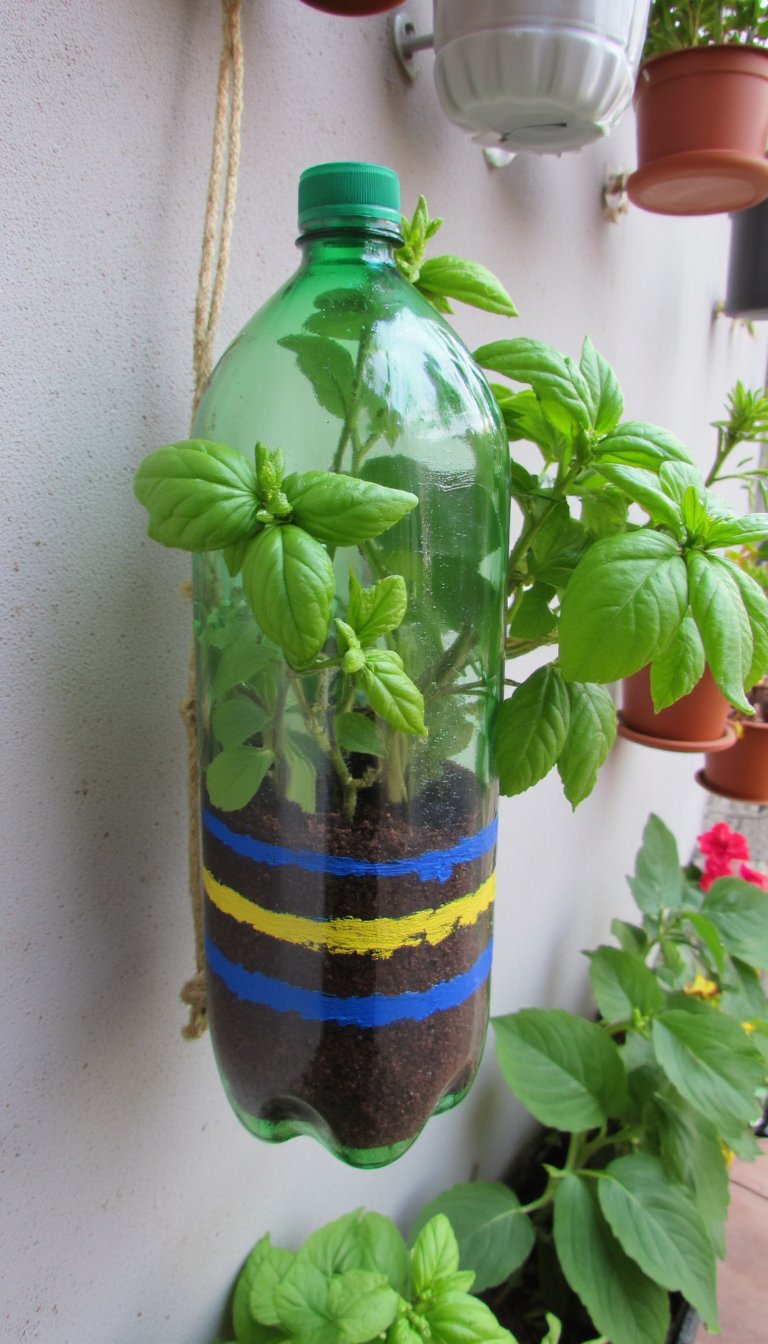
Give empty soda bottles a serious glow-up by cutting them in half and transforming them into hanging planters. This project is a hands-on lesson in botany and recycling. Decorate the outside with paint or colorful yarn, add soil and herbs like basil or mint, and watch your classroom wall become a living, breathing piece of art. Plus, who doesn’t love a snackable project?
2. Cardboard Geometric Sculptures
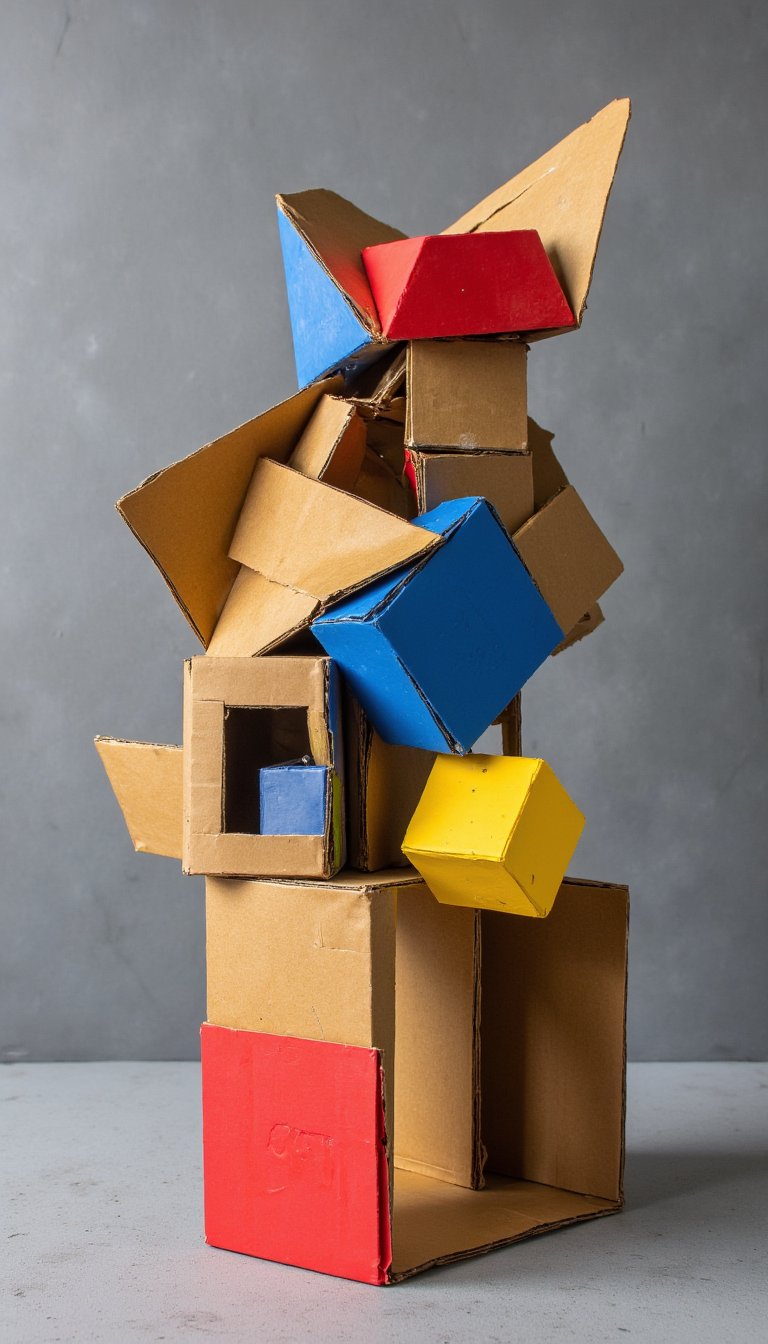
All those Amazon boxes? Perfect. Cut cardboard into various shapes—triangles, squares, hexagons—and let students engineer their own 3D sculptures. Use glue or slots to connect the pieces. It’s a stealthy way to teach geometry, engineering, and spatial reasoning. The best part? The only limit is their imagination (and maybe how much tape you have).
3. Newspaper Basket Weaving
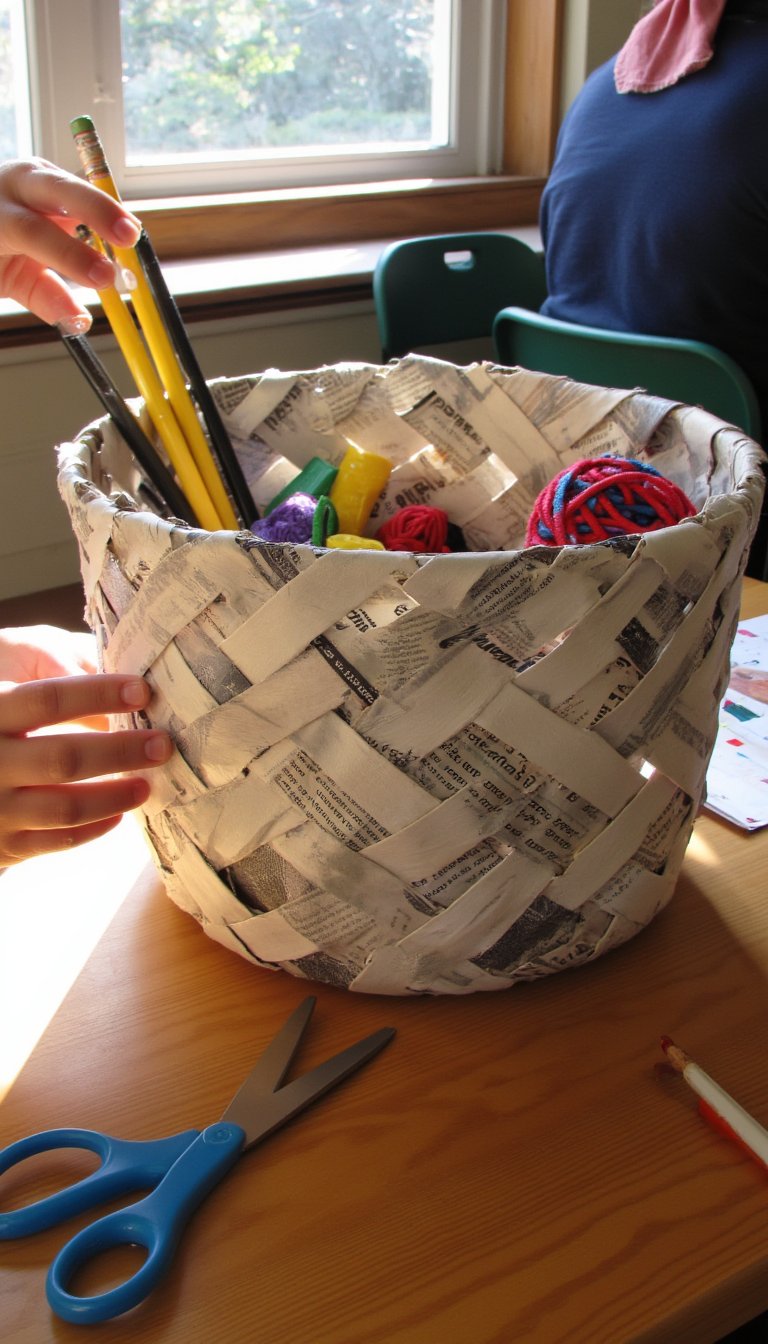
Roll old newspapers into tight “sticks,” then weave them just like traditional basketry. It’s mess-free, surprisingly durable, and teaches patience and pattern recognition. These baskets are perfect for holding desk supplies or finished craft projects. You’re literally building functional art from yesterday’s news. Talk about a current events tie-in!
4. Tin Can Desk Organizers
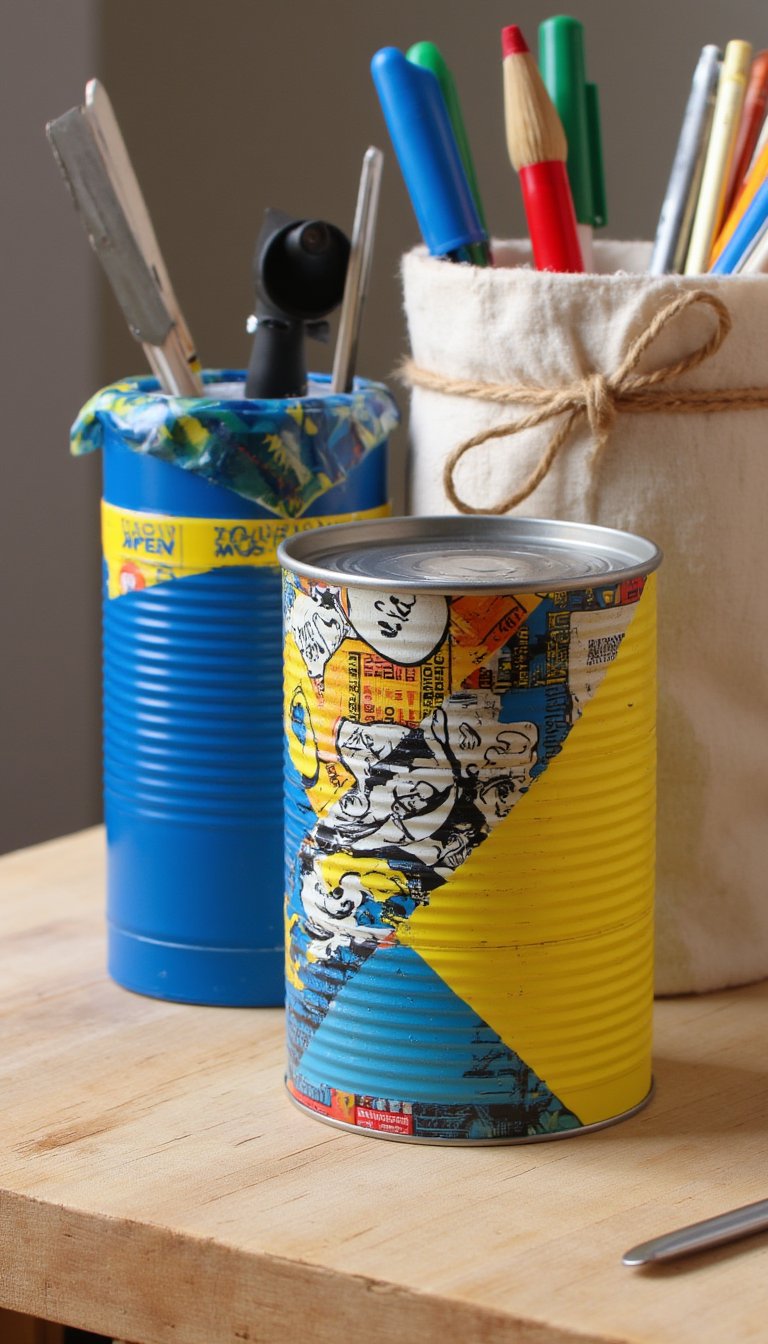
Wash out those soup cans, sand any rough edges, and let the decorating begin. Wrap them in fabric, decoupage with comic book pages, or cover them in layers of vibrant duct tape. Suddenly, pencils, rulers, and paintbrushes have a chic new home. This idea tackles organization and metal waste in one fun, practical swoop.
5. Egg Carton Critters
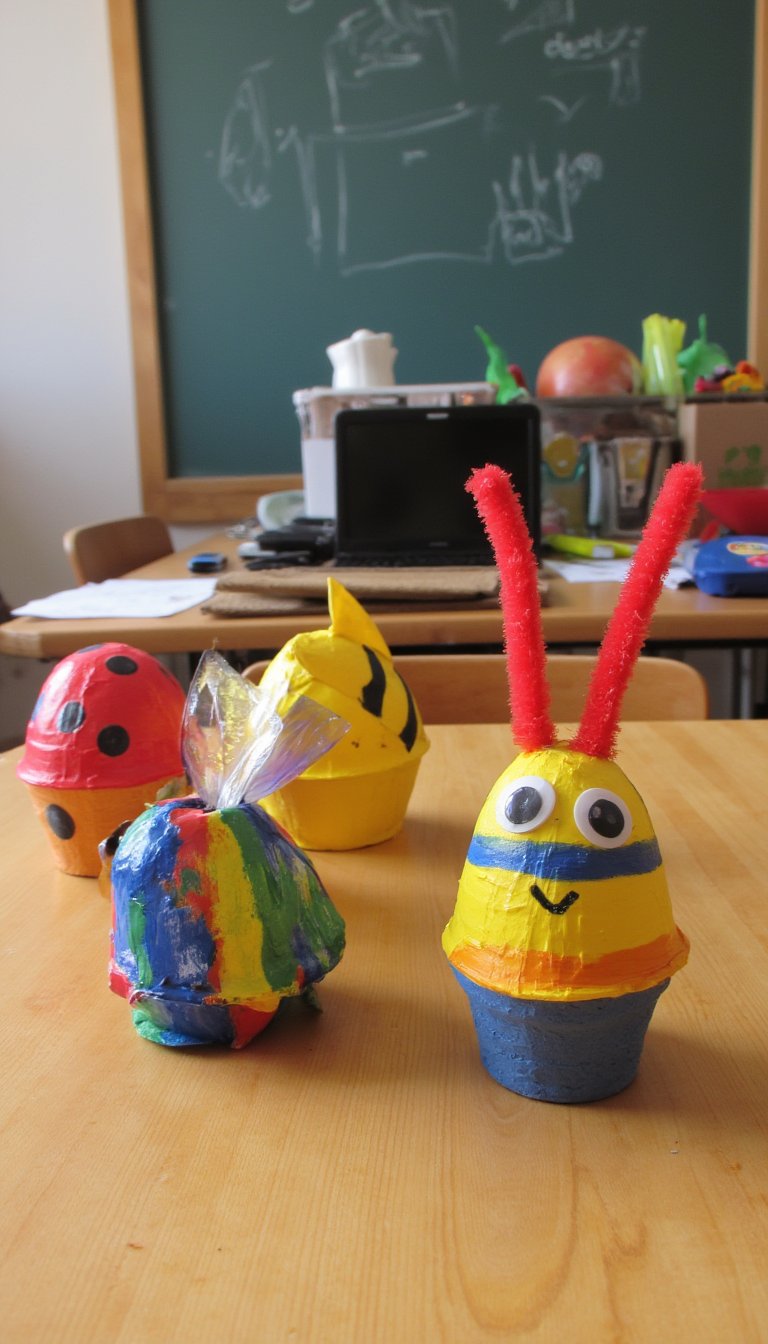
Those foam or cardboard egg cartons are basically a zoo waiting to happen. Cut out the individual cups, add pipe cleaners for antennae, googly eyes, and a dash of paint to create caterpillars, bugs, or even a school of fish. It’s a fantastic, low-cost way to explore biology and textures with younger students. So cute, you’ll forget they were once breakfast leftovers.
6. CD Spinner Sun Catchers
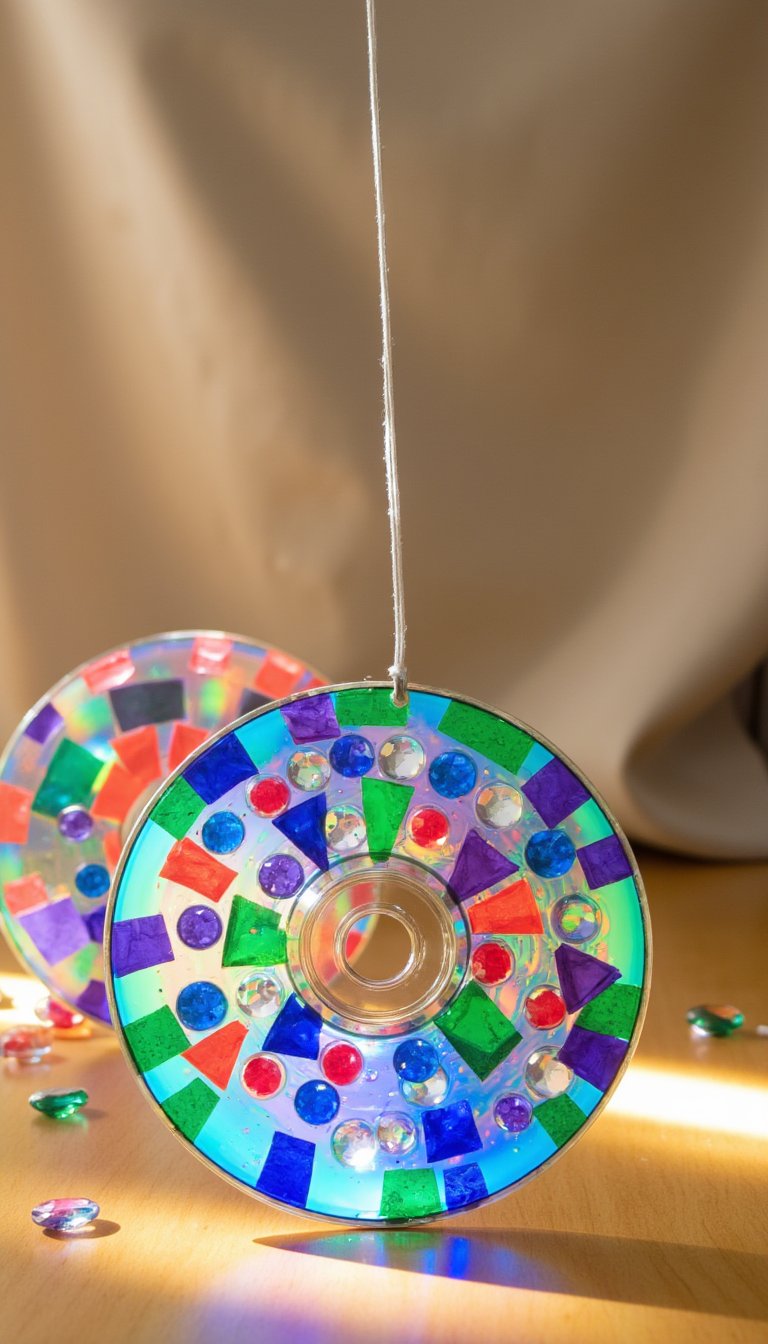
Got a stack of obsolete CDs or DVDs? Their reflective surface is perfect for catching light. Glue on bits of colored tissue paper or glass gems, punch a hole at the top, and hang them near a window. As they spin, they’ll throw rainbow patterns all over the room, creating a dazzling lesson in light refraction. Tech waste never looked so good.
7. Bottle Cap Mosaic Masterpieces
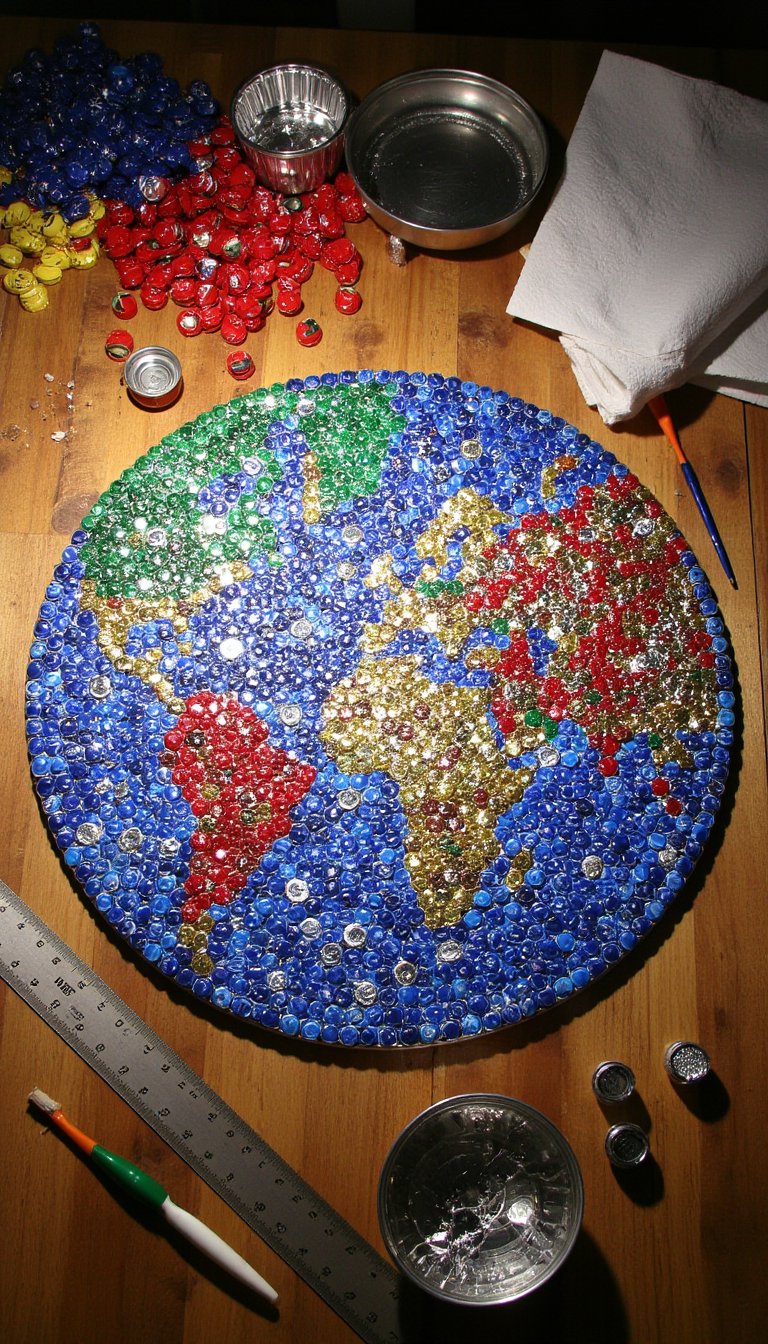
Start collecting bottle caps—plastic and metal. Then, glue them onto a wooden board or heavy cardboard to form a mosaic mural. Think school logos, world maps, or abstract patterns. This large-scale project promotes teamwork and shows how small, discarded items can create big impact. The tactile, click-clack sound of sorting caps is weirdly satisfying, too.
8. TP Roll Binoculars for Explorers
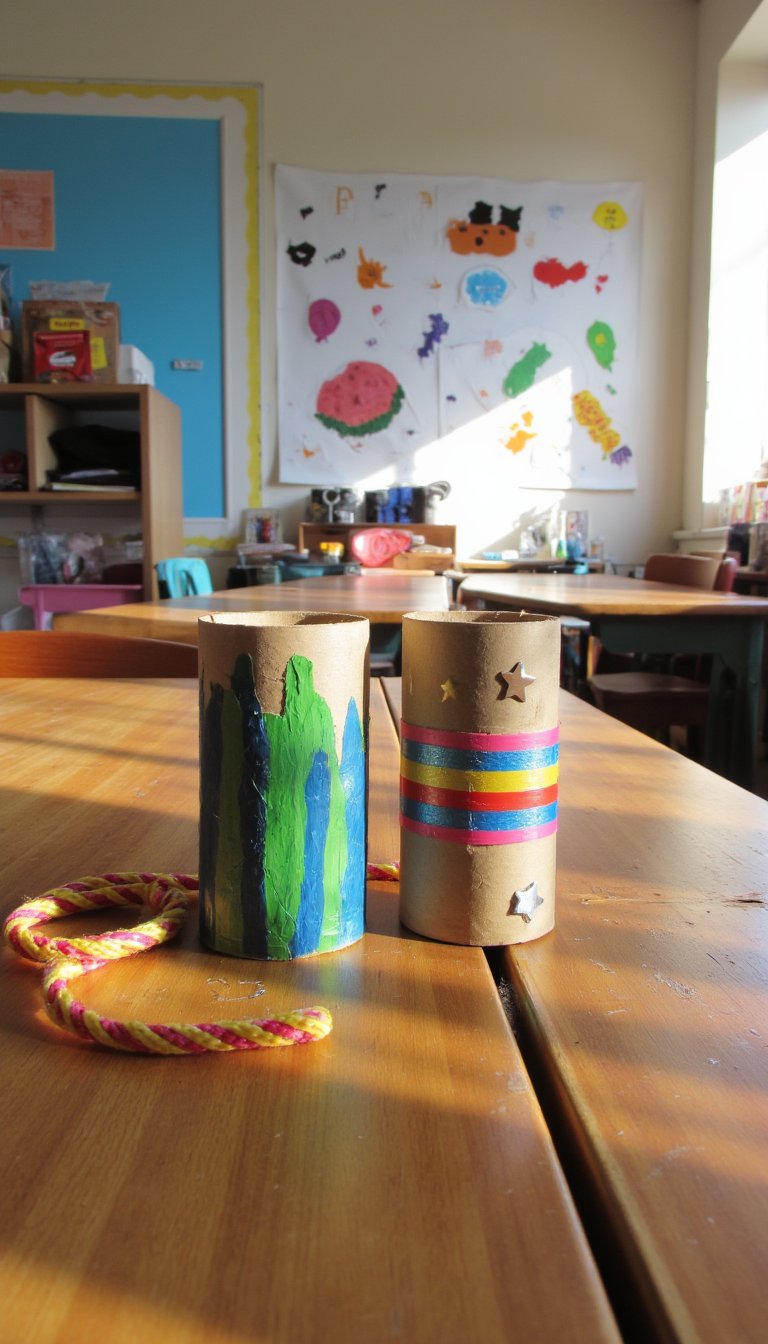
Take two toilet paper rolls, tape them together side-by-side, and let students personalize them with paint, stickers, or washi tape. Attach a string strap, and boom—instant binoculars for nature walks or classroom “safaris.” It encourages observation and imaginative play, proving that adventure doesn’t require a fancy toy store.
9. Magazine Collage Self-Portraits
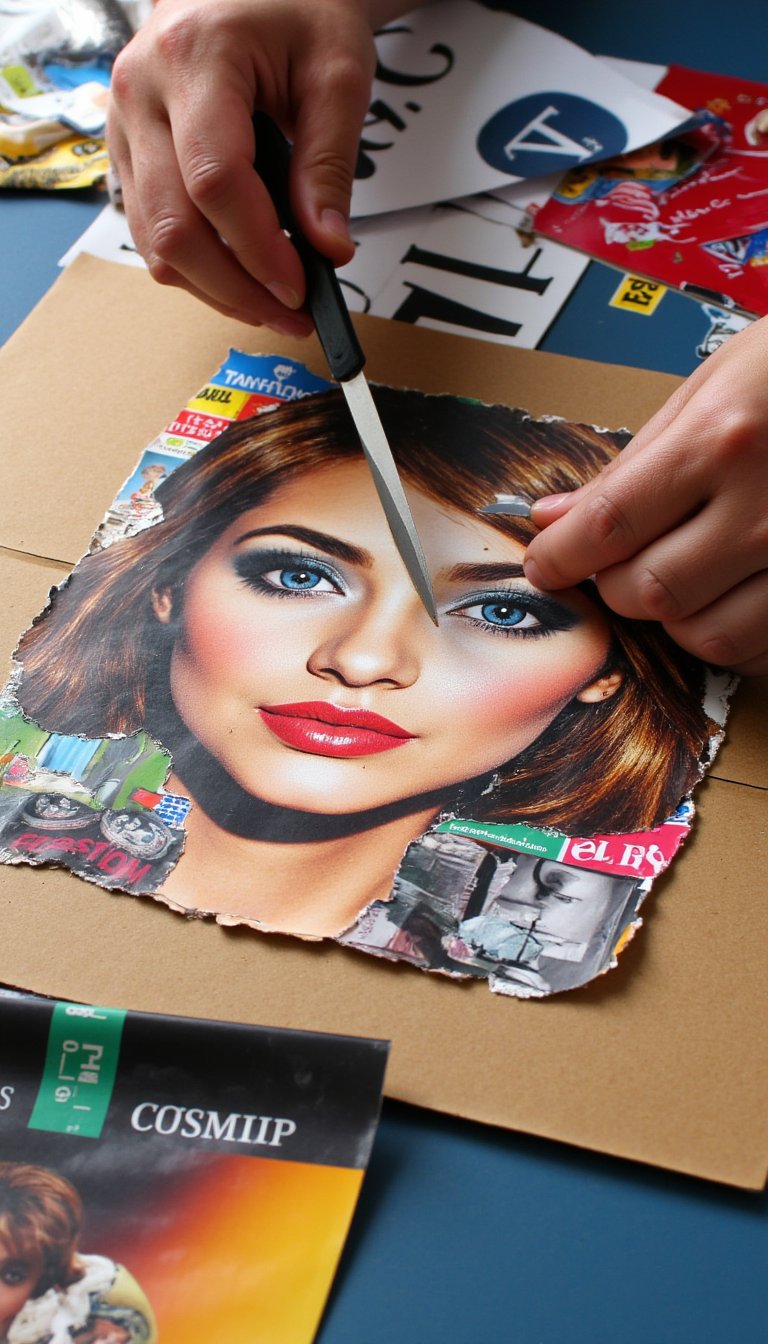
Instead of tossing old magazines, cut them up! Students can find skin tones, hair colors, and clothing textures from the pages to collage a portrait of themselves or a historical figure. This activity sharpens fine motor skills and color theory while sparking conversations about identity and media. It’s like Picasso meets National Geographic.
10. Mismatched Sock Puppets
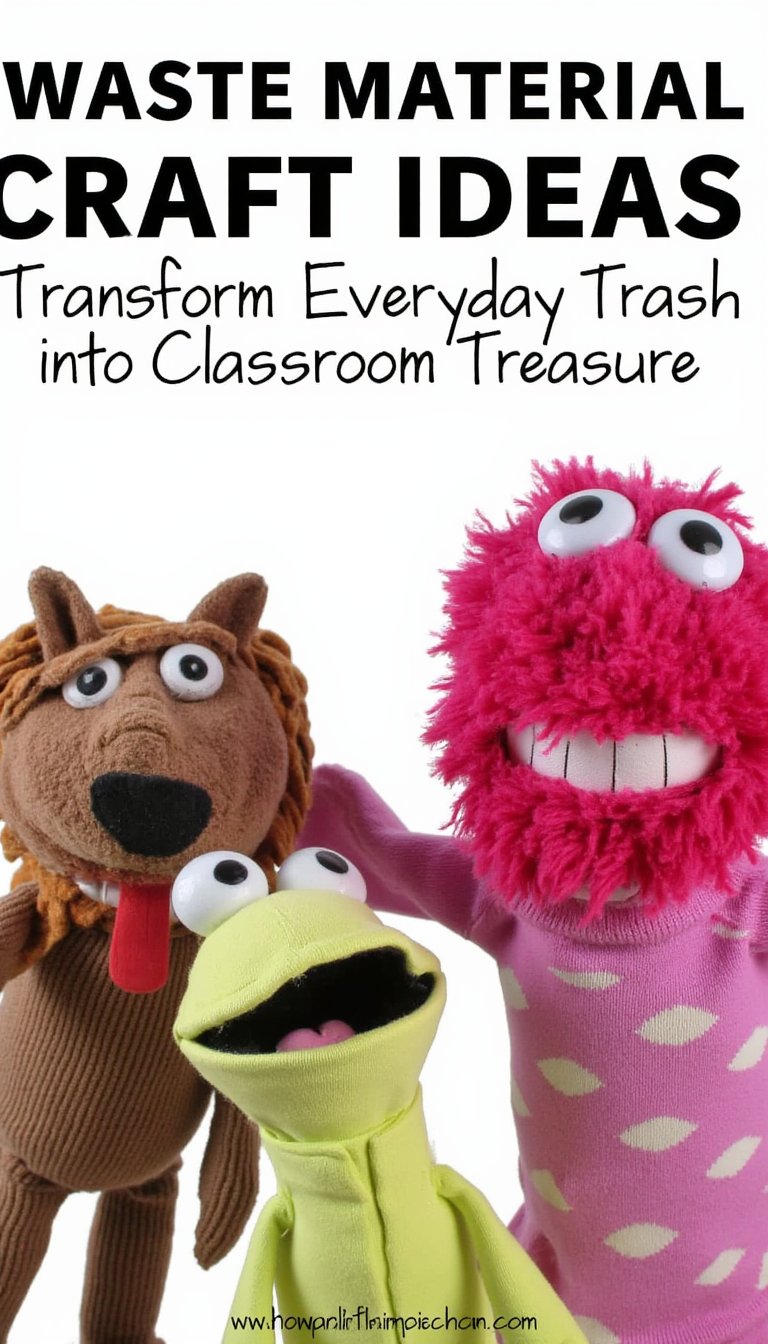
The loneliest socks in the lost-and-found have a new calling. Stuff the toe with scrap fabric or old rice, add button eyes, yarn hair, and felt mouths. Suddenly, you have a cast of characters for storytelling, role-playing, or practicing social skills. It’s a hilarious way to give textiles a second act. Cue the puppet show!
11. Cereal Box Book Covers
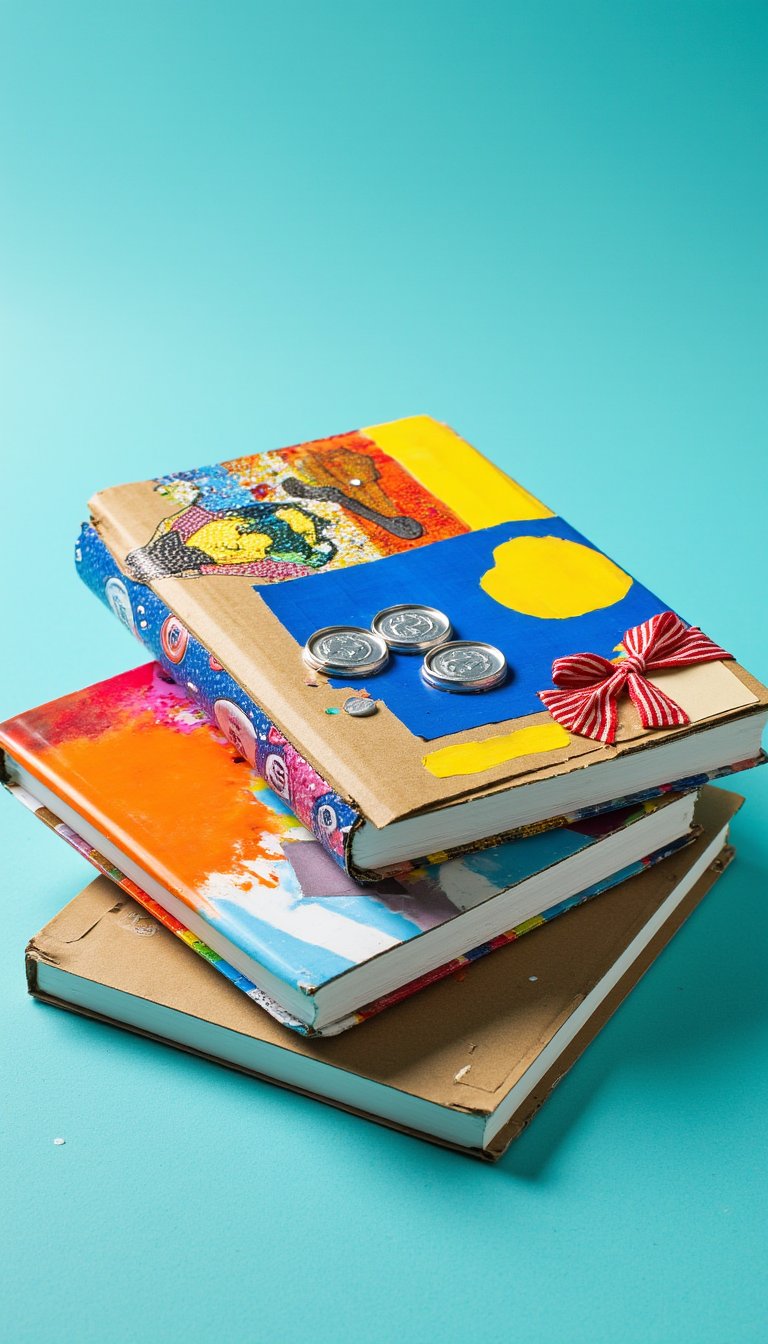
Why buy book covers when you can make them? Cut open cereal boxes, measure them to fit over textbooks or notebooks, and let students decorate the outside. It’s a practical lesson in measurement and protection, with a side of personal expression. Their math book never looked so cool (or crunchy).
12. Plastic Spoon Flower Bouquets
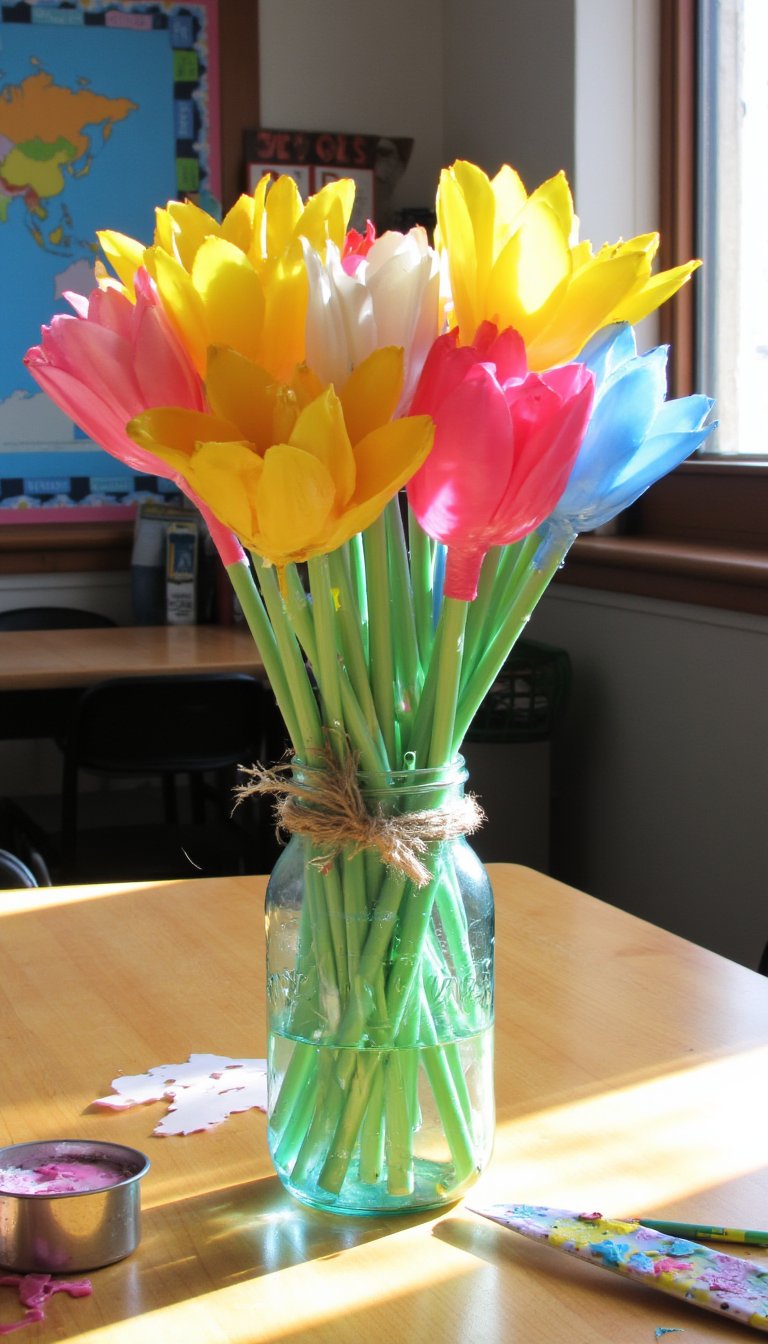
Heat the bowl of clean plastic spoons slightly over a candle (adult supervision required!) to curl the edges into petals. Paint them, cluster them together with green straws or sticks as stems, and place them in a recycled jar vase. This project explores botany and polymer science while creating a permanent, no-water-necessary garden.
13. Old T-Shirt tote Bags
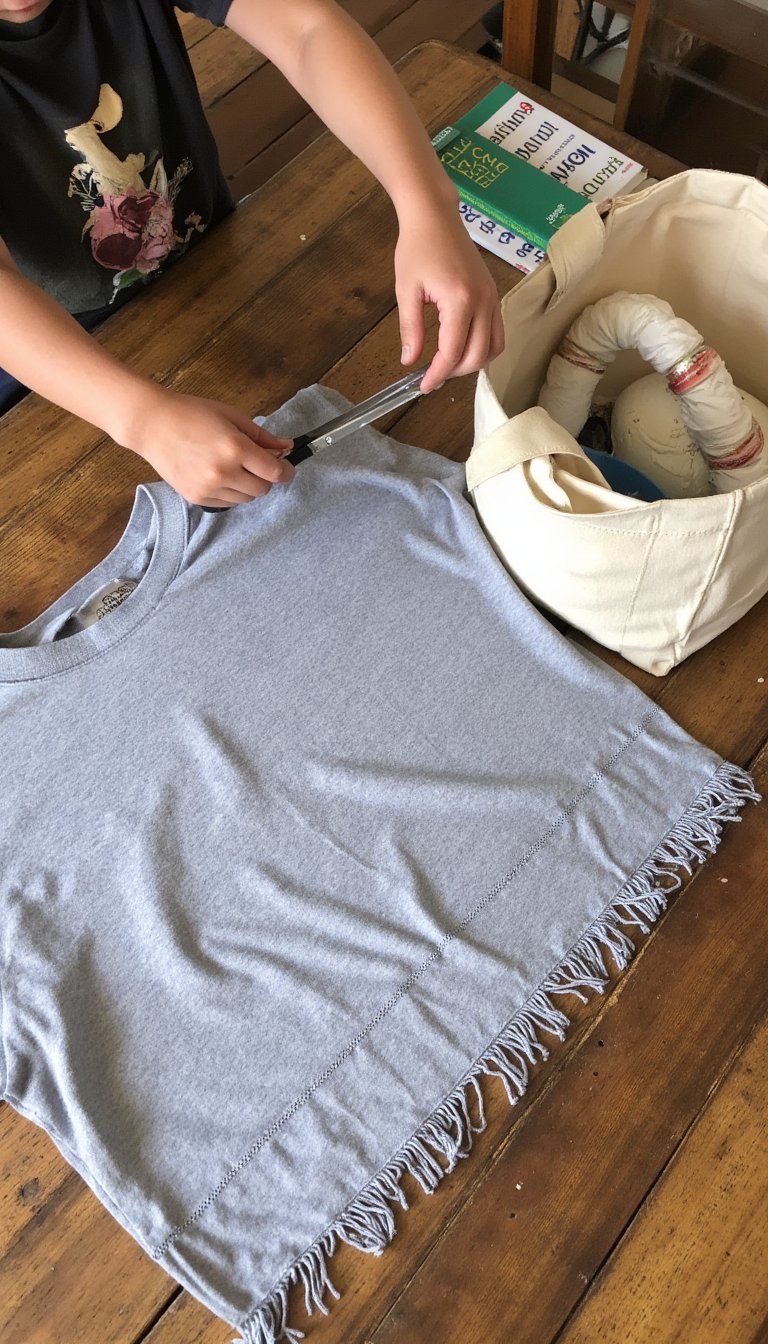
No sewing required! Lay an old cotton t-shirt flat, cut off the sleeves, cut a deeper neckline, then fringe and tie the bottom hem. You’ve just created a sturdy, reusable bag for library books or sports gear. It’s a powerful visual for fast fashion discussions and makes students proud carriers of their own handiwork.
14. Wine Cork Stamp Art
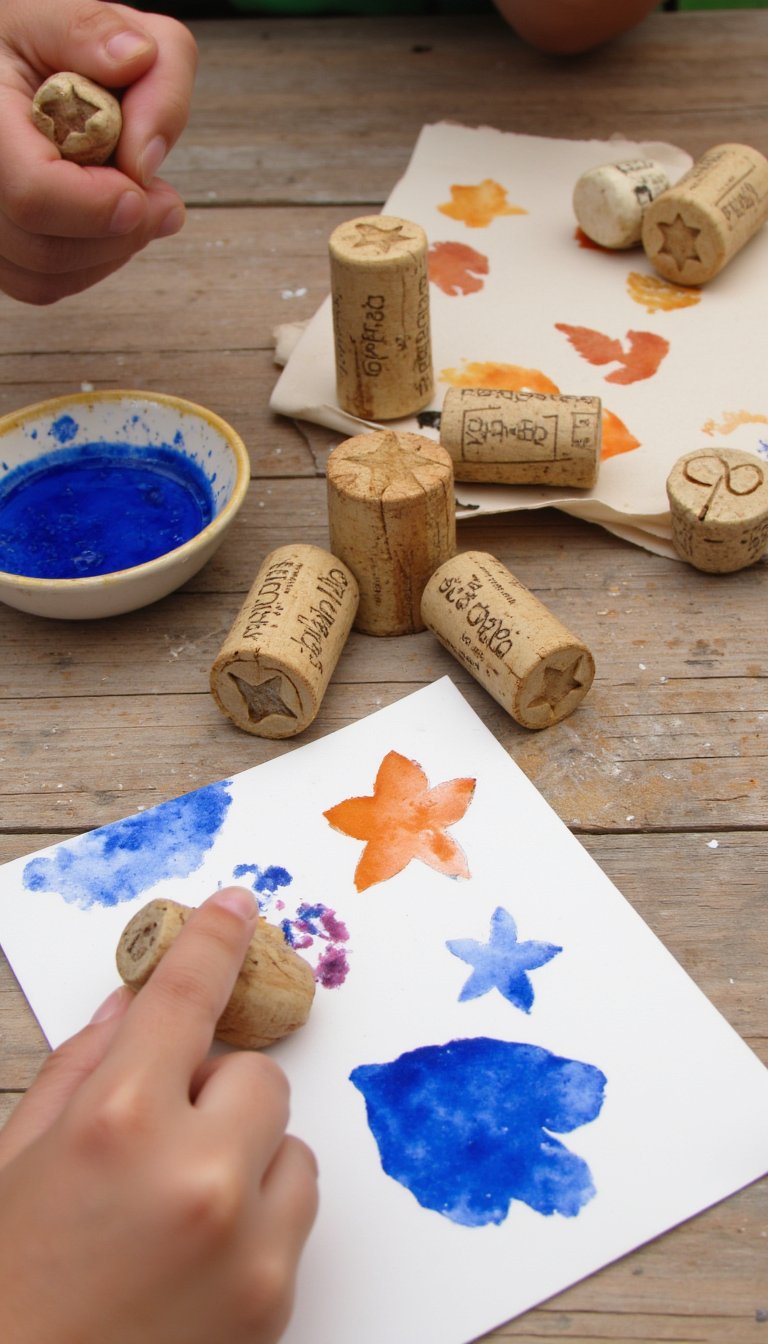
Ask parents to save wine corks (the real ones, not plastic). Carve simple shapes into one end—like stars, hearts, or leaves—dip in washable paint, and stamp away on paper or fabric. It’s an excellent introduction to printmaking patterns and repetition. The organic, textured prints are far more interesting than store-bought stamps.
15. Plastic Bag Parachutes
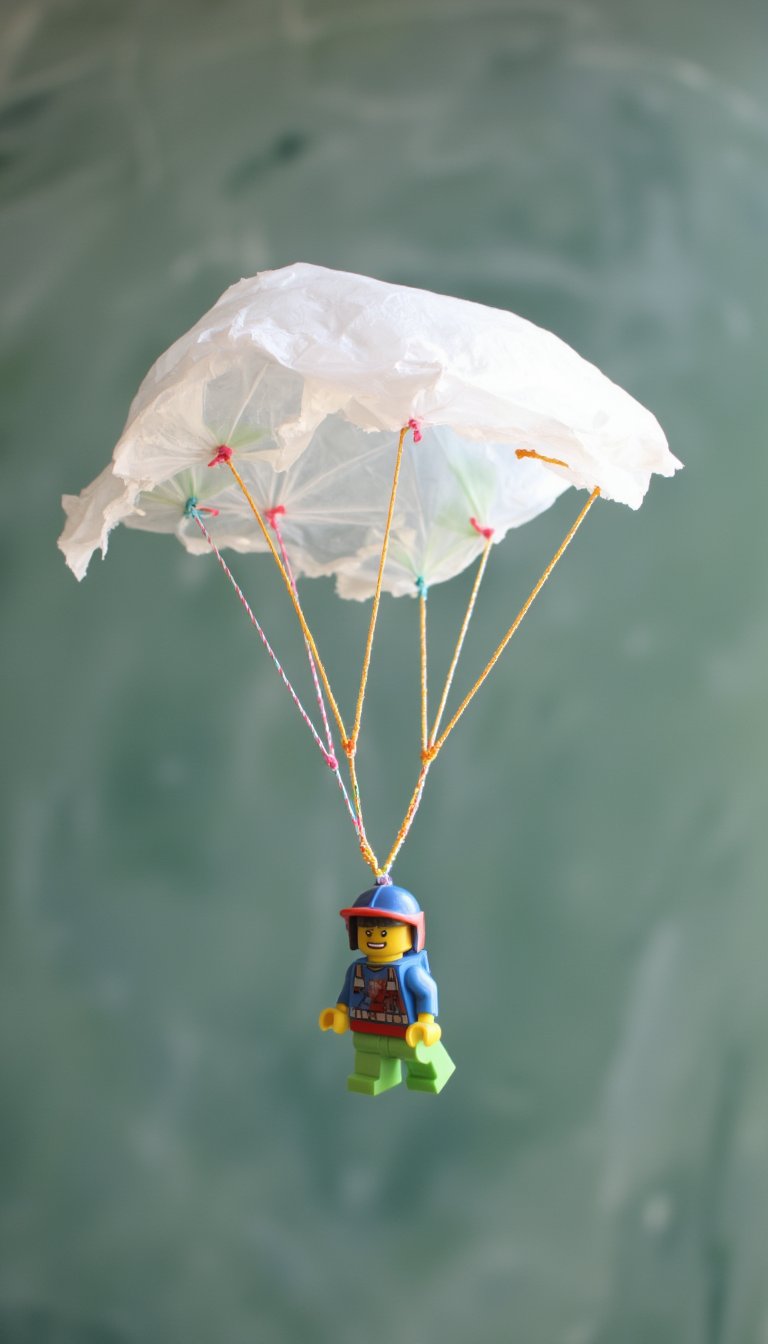
Cut a plastic grocery bag into a square, attach strings to the corners, and tie them to a small weight like a washer or a Lego figure. Toss it up and watch it float down. This is a brilliant, active way to demonstrate air resistance and gravity. Who knew physics could be so lightweight and fun?
16. Cardboard Tube Rocket Ships
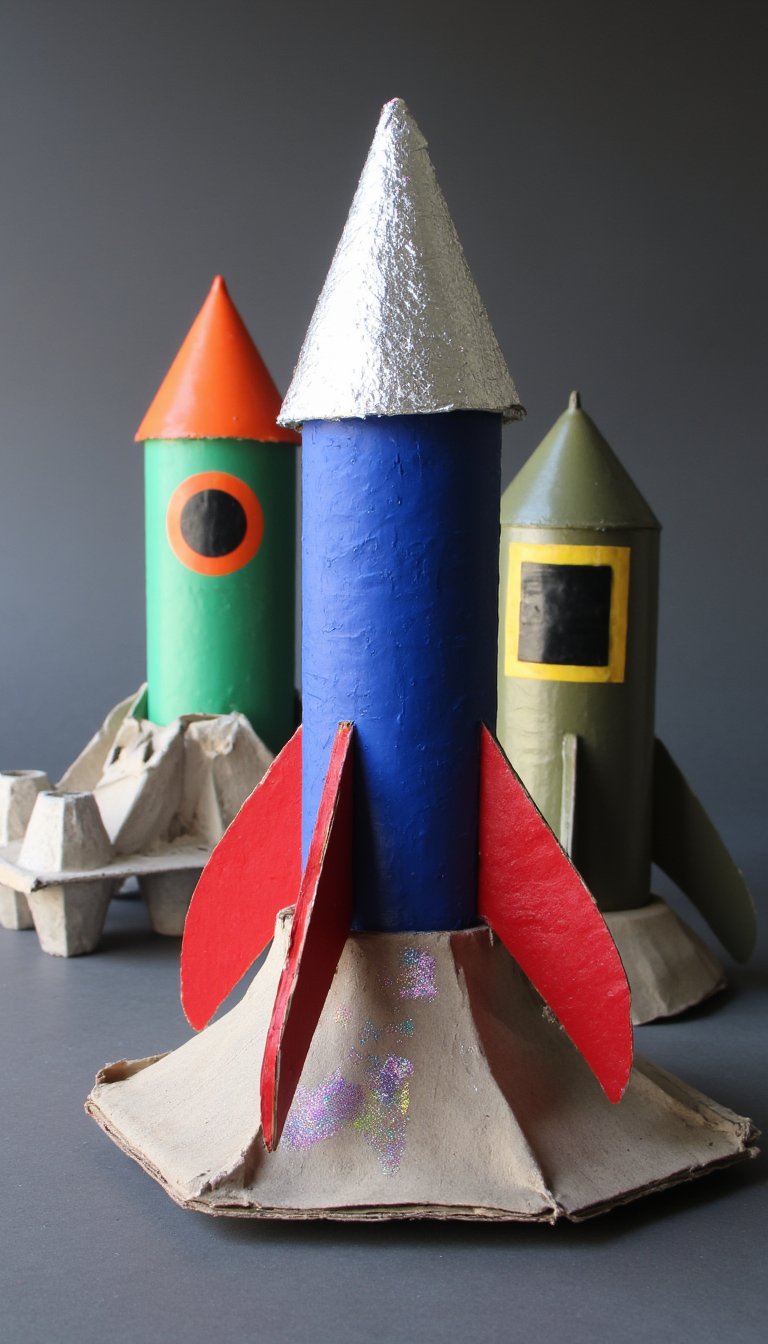
Paper towel rolls are the ultimate spacecraft body. Add a cone tip from construction paper, foil wings, and draw on windows with markers. For a launch pad, use an egg carton. This project fuels STEM imagination and spatial design, propelling kids into a universe of creative play without leaving the classroom.
17. Broken Crayon Melting Art
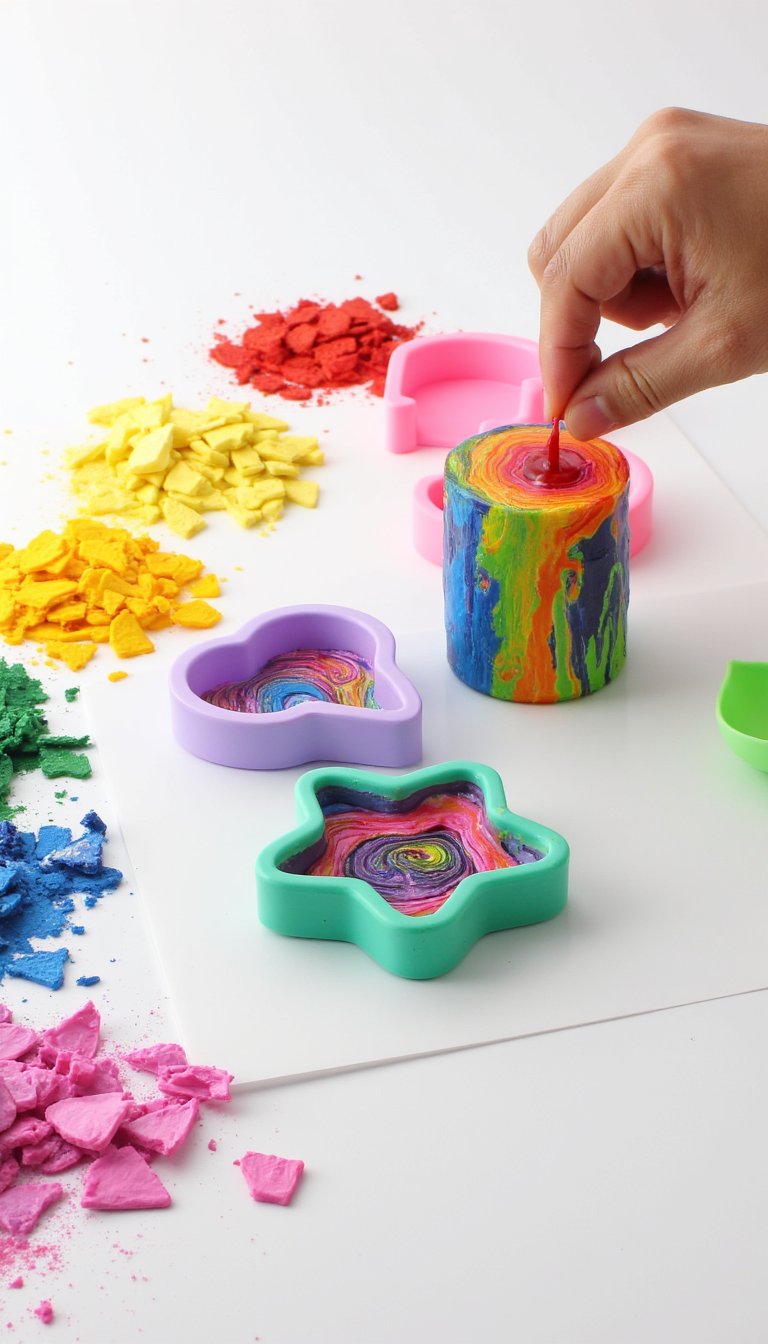
Peel all those broken crayon stubs, sort them by color, and place them in silicone molds or muffin tins. Bake at a low temperature until melted, then cool. You get awesome, multi-colored mega crayons. It’s a lesson in states of matter and color mixing, with a rainbow-colored payoff that eliminates waste perfectly.
18. Milk Jug Bird Feeders
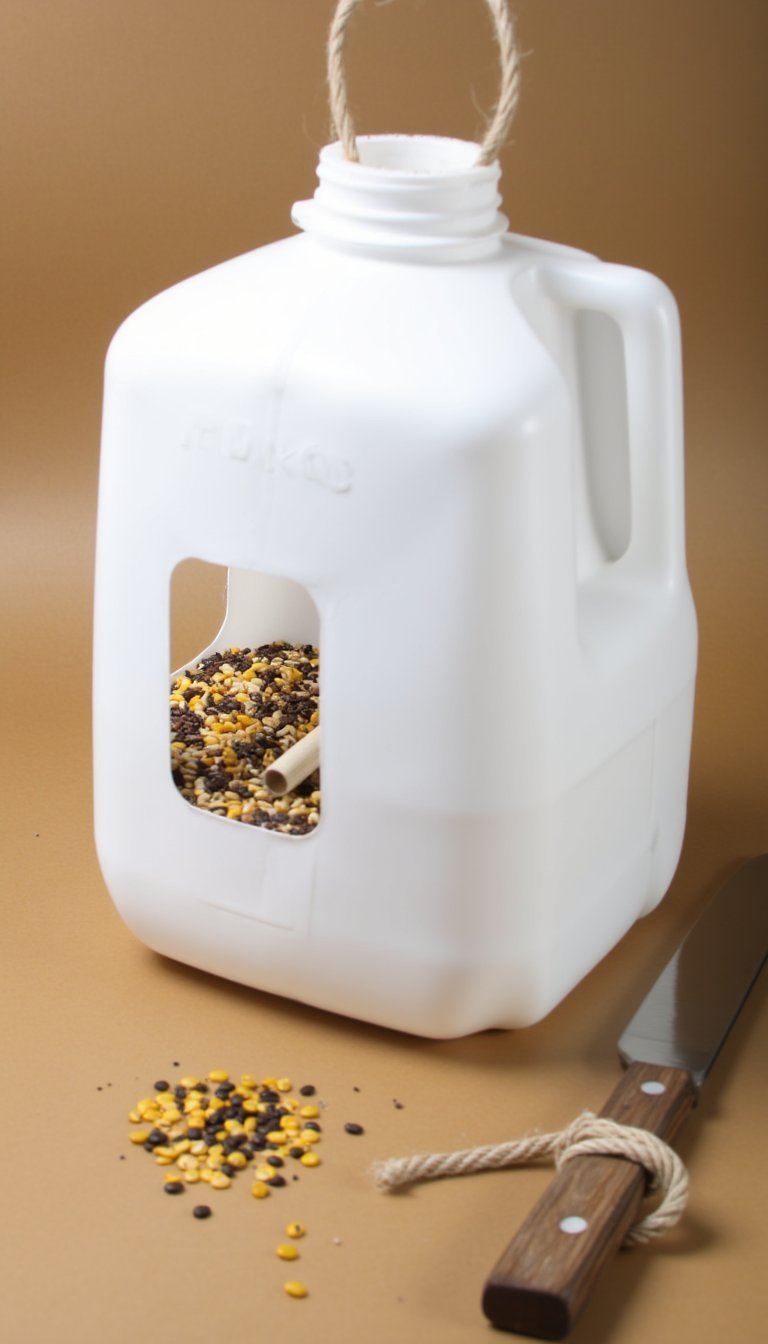
Rinse a gallon milk jug, cut out large windows on two sides, poke a hole below for a perch stick, and fill the bottom with birdseed. Hang it from a tree and observe your feathered visitors. This craft combines wildlife biology and plastic repurposing, making students responsible little ecologists. Pro tip: it also keeps squirrels entertained.
19. Puzzle Piece Picture Frames
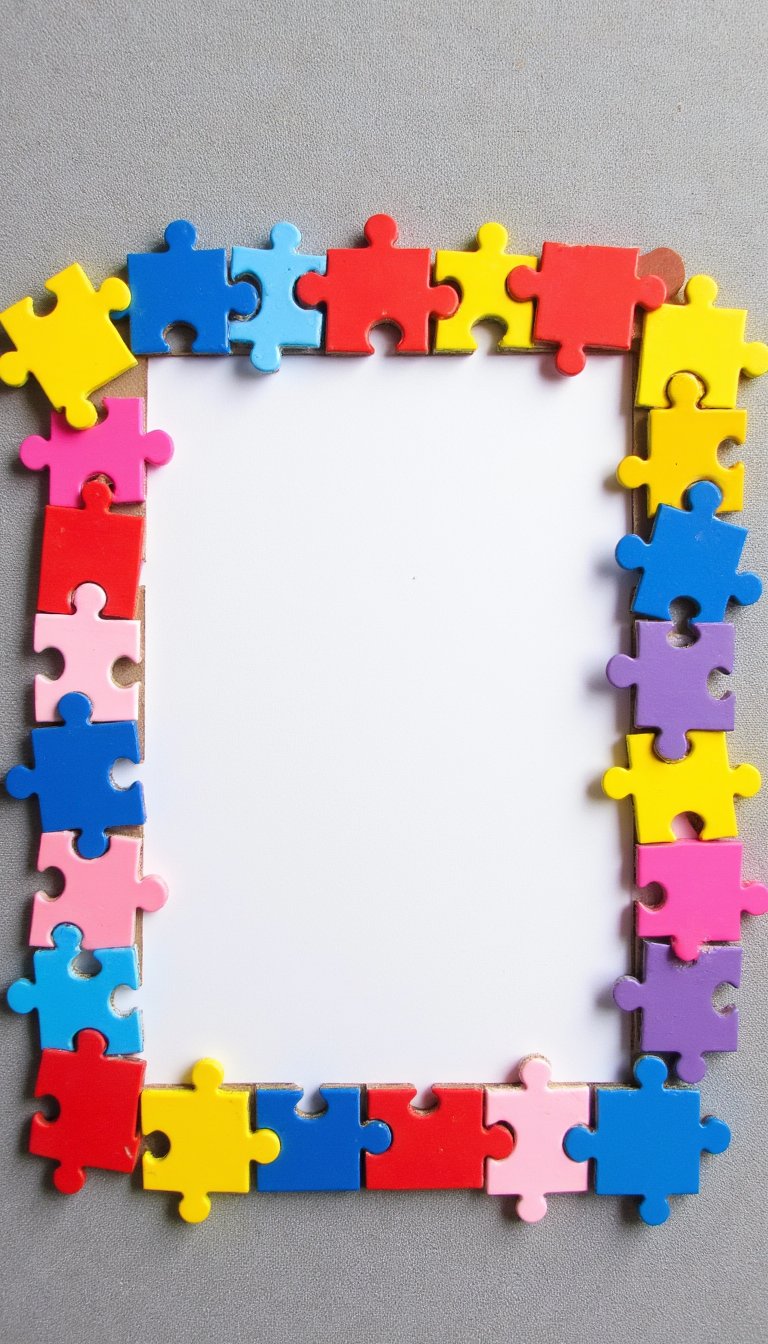
Glue mismatched puzzle pieces around the border of a plain cardboard or wood frame. Paint them in cohesive colors or leave them eclectic. It’s a whimsical way to celebrate incomplete sets and gives students a custom holder for their favorite art or photo. Every piece finally finds its place.
20. Glass Jar Lanterns
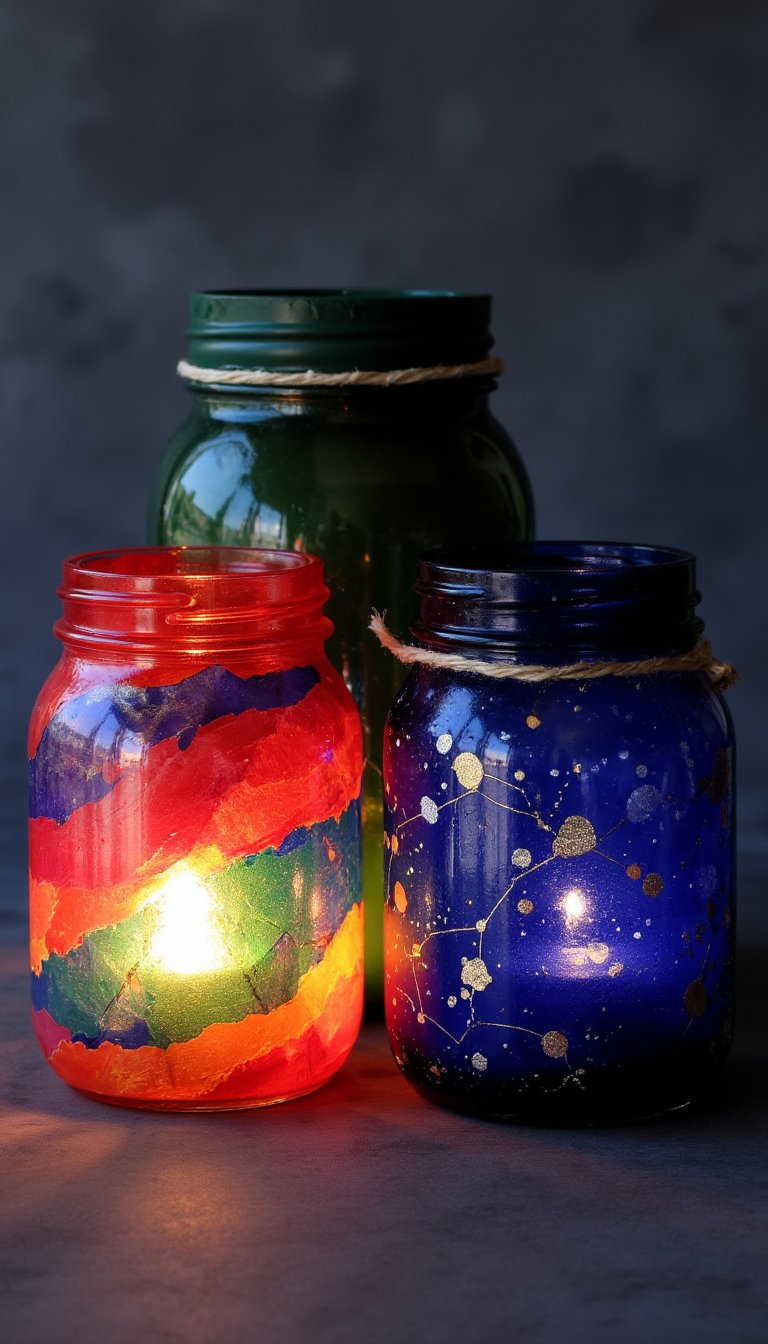
Clean out pasta sauce or jam jars. Decorate the outside with tissue paper and mod podge for a stained-glass effect, or paint constellations for a night sky theme. Place a battery-operated tea light inside for a safe, magical glow during quiet reading time. It transforms simple glass into atmospheric art.
21. Cardboard Castle Fort
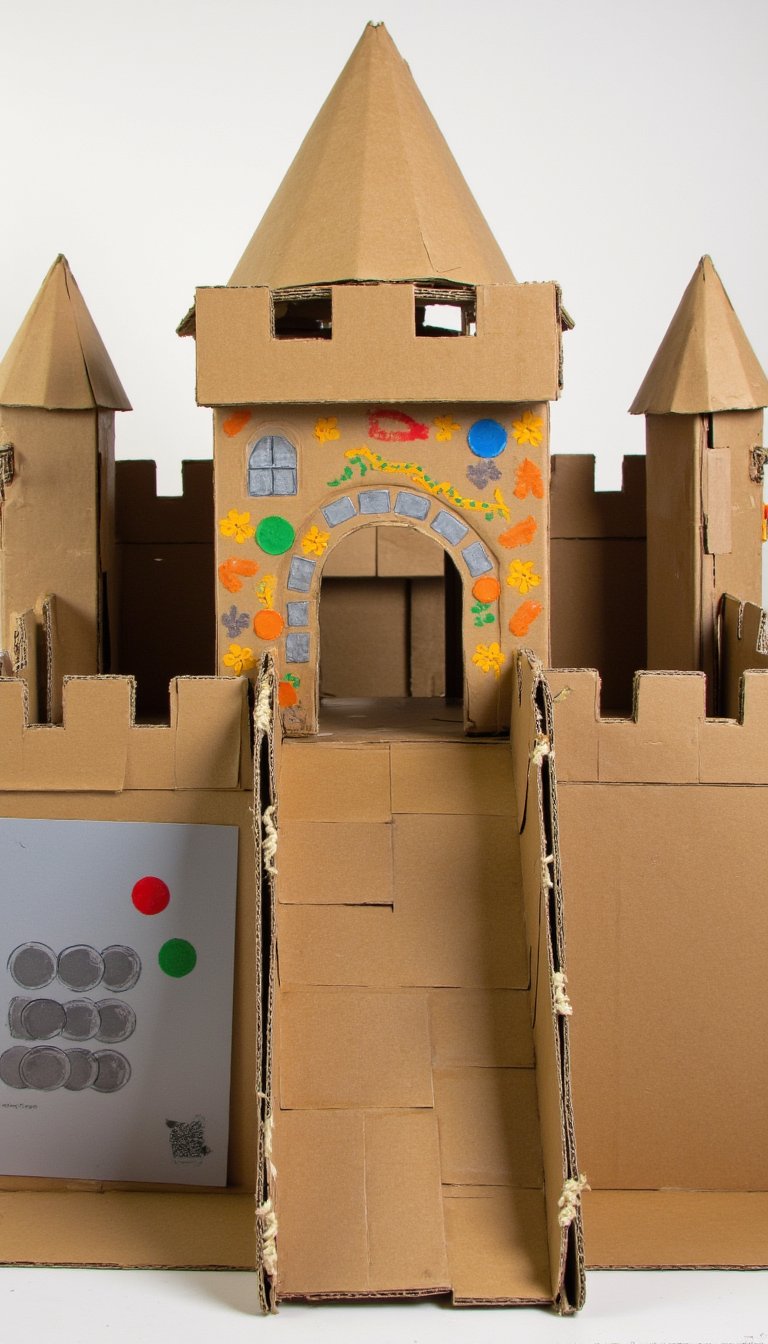
This is a mega project for the whole class. Use large appliance boxes to build a castle, complete with drawbridges (flaps), turrets, and painted-on brickwork. It encourages collaborative planning, design, and dramatic play. The resulting fortress will be the envy of the school and stand until recycling day—a true testament to teamwork.
22. Plastic Bottle Wind Chimes
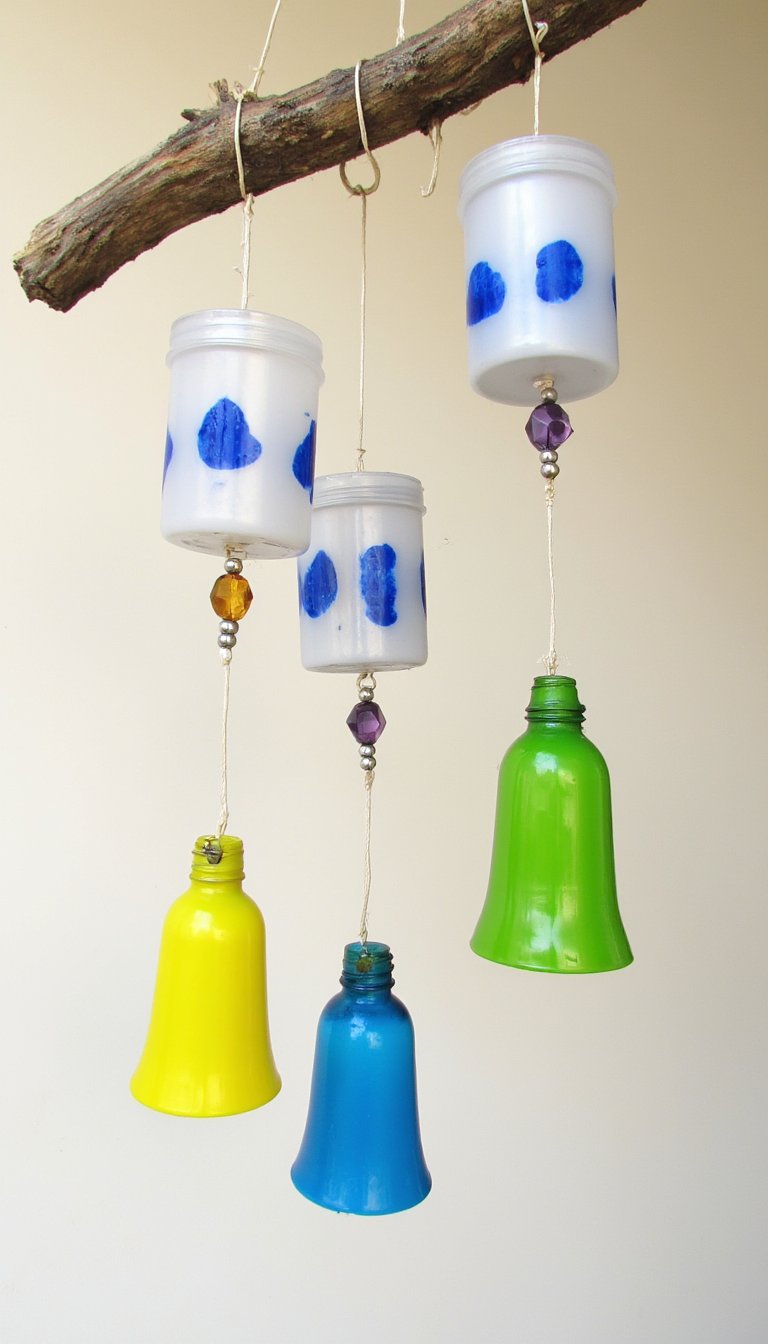
Cut the bottoms off plastic bottles into bell shapes, paint them, and poke holes to string them with fishing line onto a stick or old hoop. Add beads from broken jewelry for extra charm. Hang it outside and listen to the gentle, recycled melody with every breeze. It’s a sensory lesson in sound and wind energy.
23. Egg Carton Treasure Box
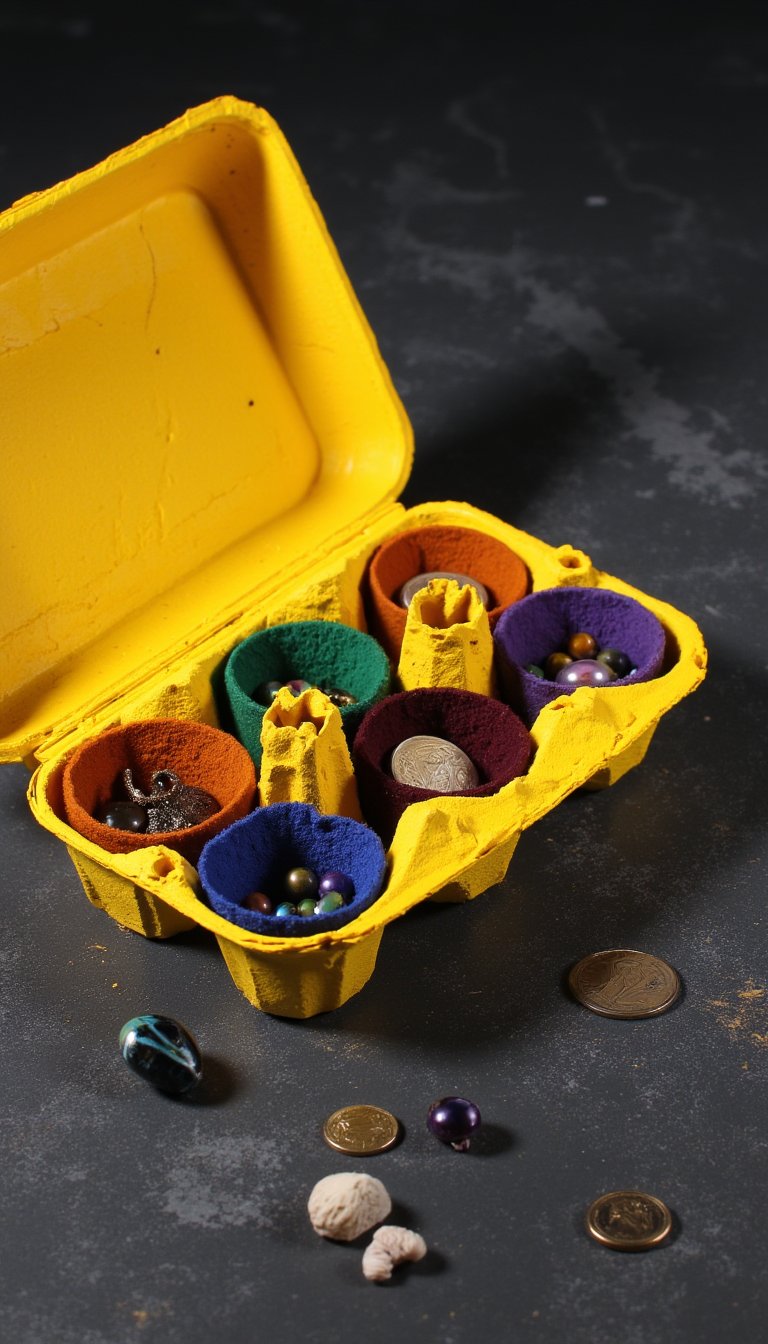
Take a full cardboard egg carton, paint the outside, and line the individual egg cups with felt or fabric. Suddenly, you have a perfect organizer for small treasures: gemstones, coins, beads, or seeds. It teaches sorting, categorizing, and valuing small objects. Every compartment holds a little story.
24. Newspaper Pirate Hats
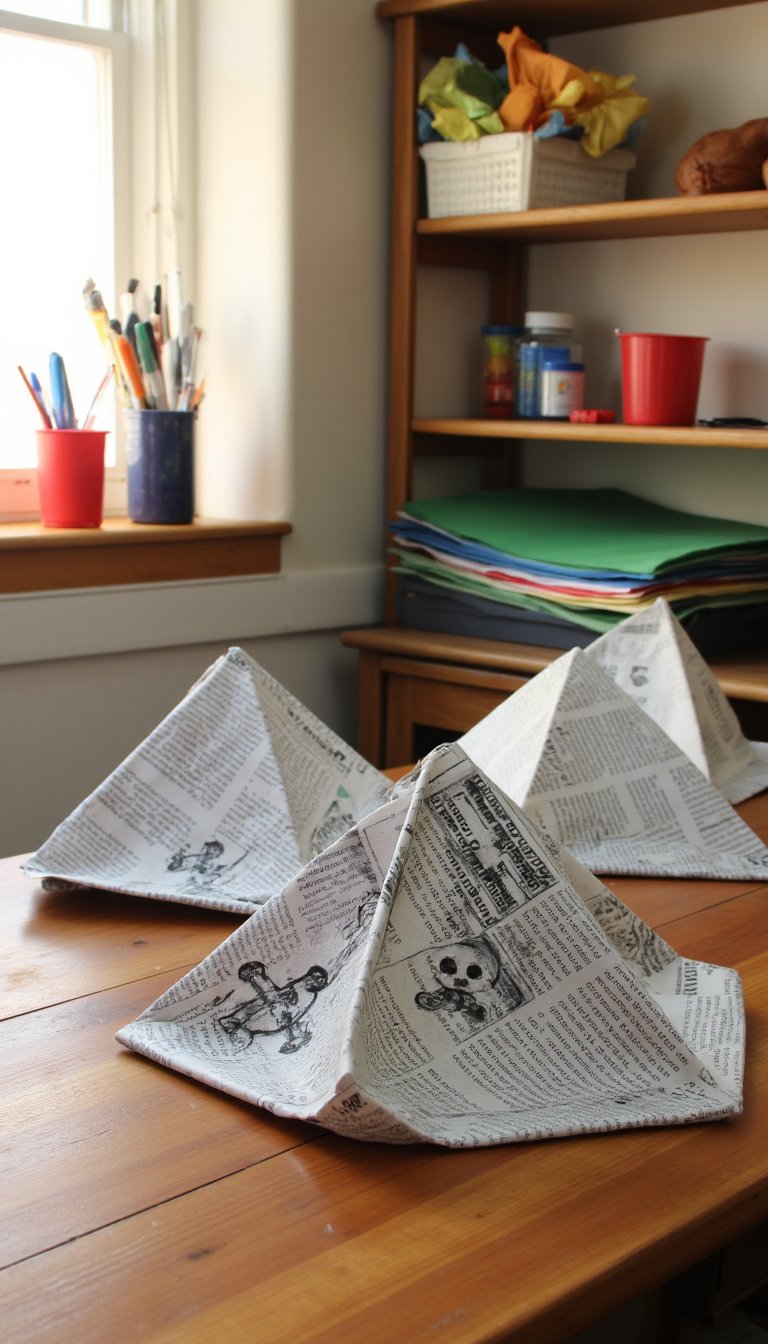
Fold a full sheet of newspaper into a classic pirate hat—it’s a timeless origami-like skill. Decorate with skull-and-crossbones drawn in marker. This quick craft is perfect for impromptu role-play or history lessons. It’s amazing how a few folds can turn current events into a swashbuckling adventure.
25. Tin Can Windmills
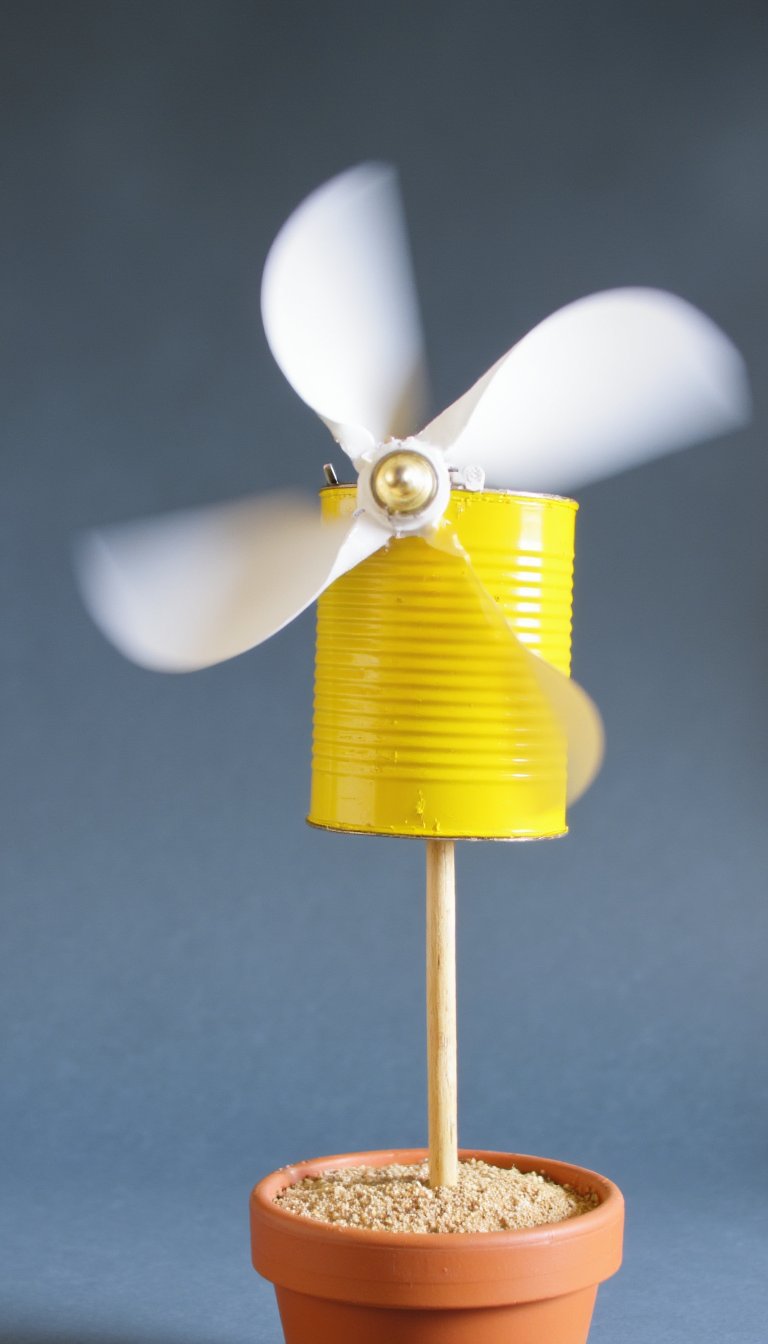
Flatten and paint a tin can, then attach plastic or lightweight cardboard blades to a central pin so they spin. Mount it on a stick in a pot of sand. While it won’t generate power, it’s a fantastic model to discuss renewable energy and simple mechanics. Plus, watching it whirl is oddly hypnotic.
26. CD Coasters
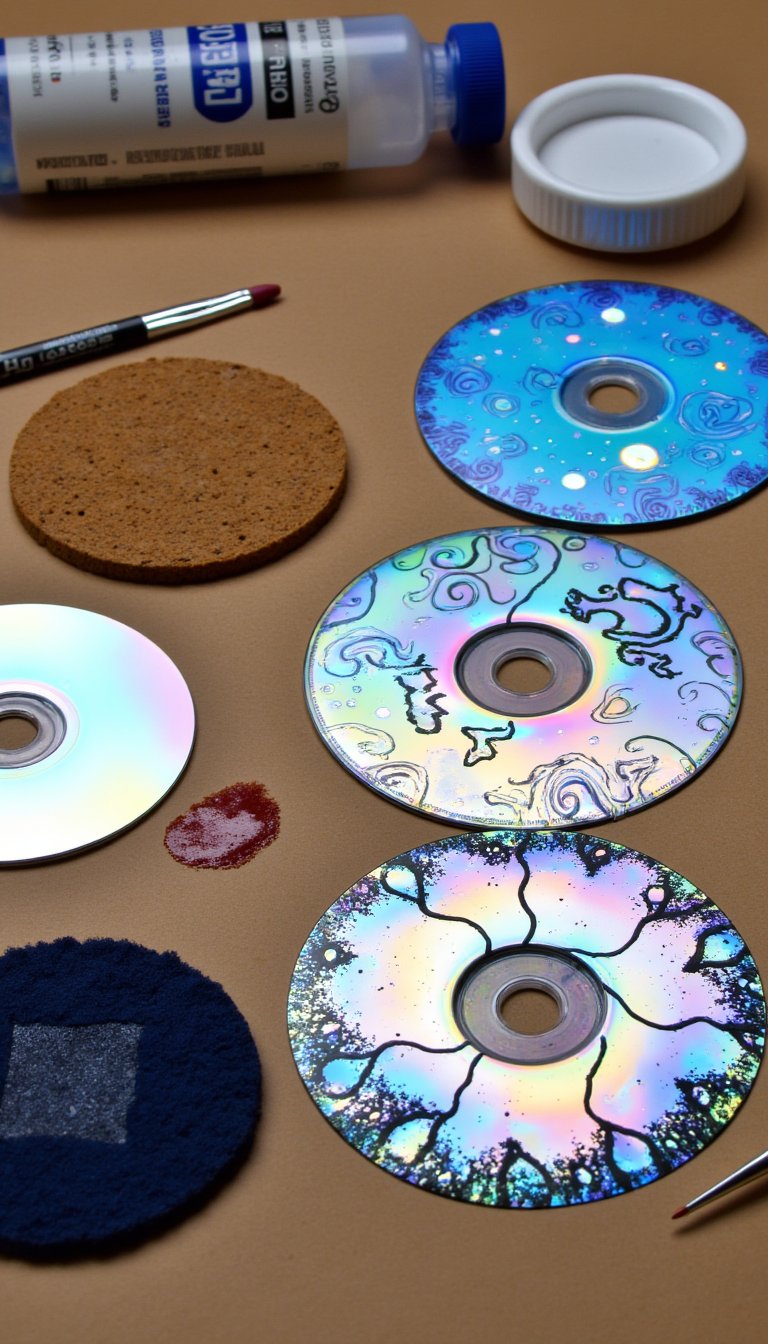
Glue felt or cork to the back of old CDs to protect surfaces. Decorate the shiny front with permanent markers or acrylic paint. You get a set of slick, personalized coasters that spark conversation. It’s a functional art project that asks, “Remember when these held music?” Hello, nostalgia lesson.
27. Bottle Cap Magnets
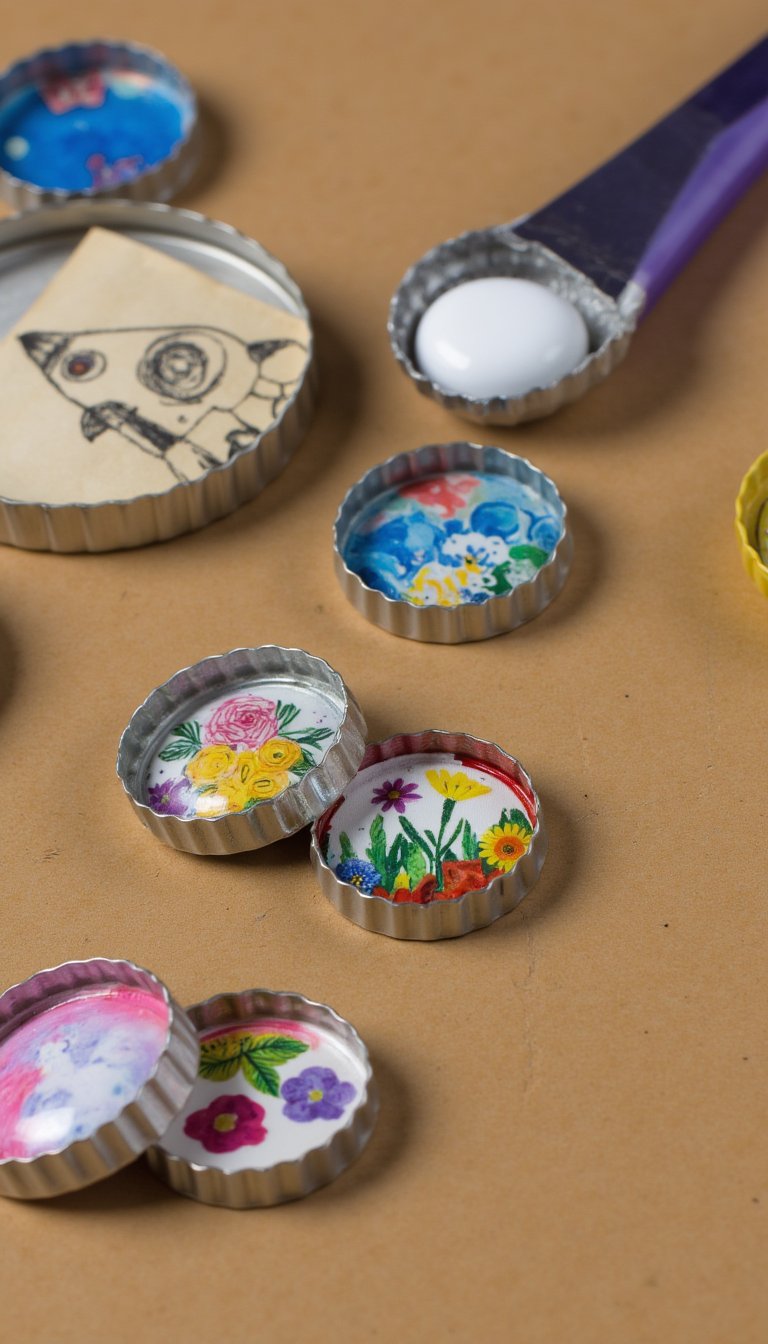
Glue a small magnet to the inside of a clean bottle cap. Fill the cap with a tiny drawing, a photo cutout, or even a layer of colorful resin. These make adorable, customizable fridge magnets for locker doors or at home. It’s a mini-canvas that proves good things come in small, discarded packages.
28. Cardboard Marble Run
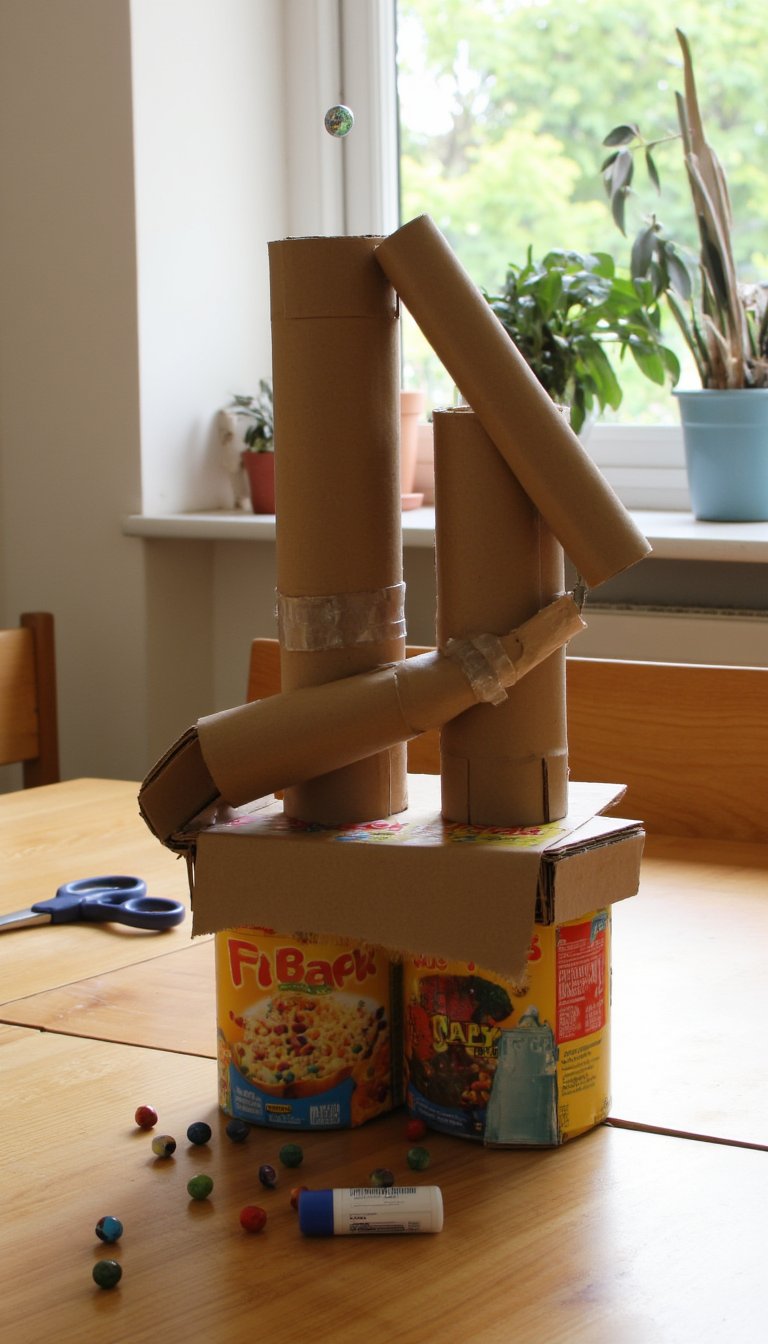
Use cardboard tubes, cereal boxes, and egg cartons to design a vertical path for a marble. Tape sections together at different angles and test the run. This is hands-on physics and engineering at its best—trial, error, and the glorious moment when the marble zips from top to bottom without getting stuck.
29. Plastic Cup String Telephones
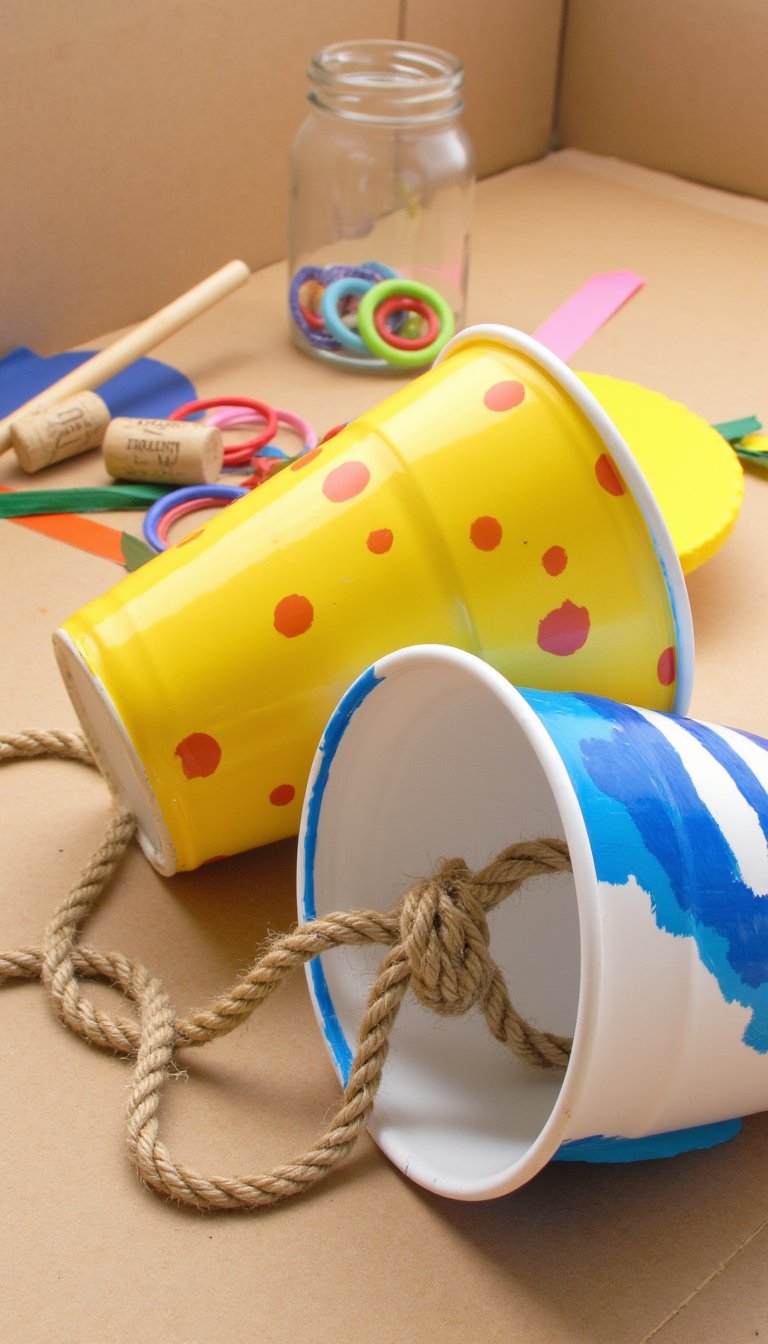
Poke a hole in the bottom of two plastic cups, thread a long string through, and tie knots inside. Pull the string taut and whisper. This classic experiment never fails to delight, demonstrating sound waves and vibration in the most tangible way. It’s communication science using the cups from last week’s party. How meta is that?
So, there you have it—29 ways to look at your school’s waste stream not as an ending, but as the very beginning of something amazing. Each of these projects packs a double punch: they save resources and teach invaluable skills, from fine motor control to environmental stewardship. The real magic happens when kids realize their own power to transform “useless” into “useful.” It’s a mindset that sticks long after the glue dries. Now, go raid that recycling bin and get making. Your next classroom masterpiece is waiting, hidden in plain sight. 😉