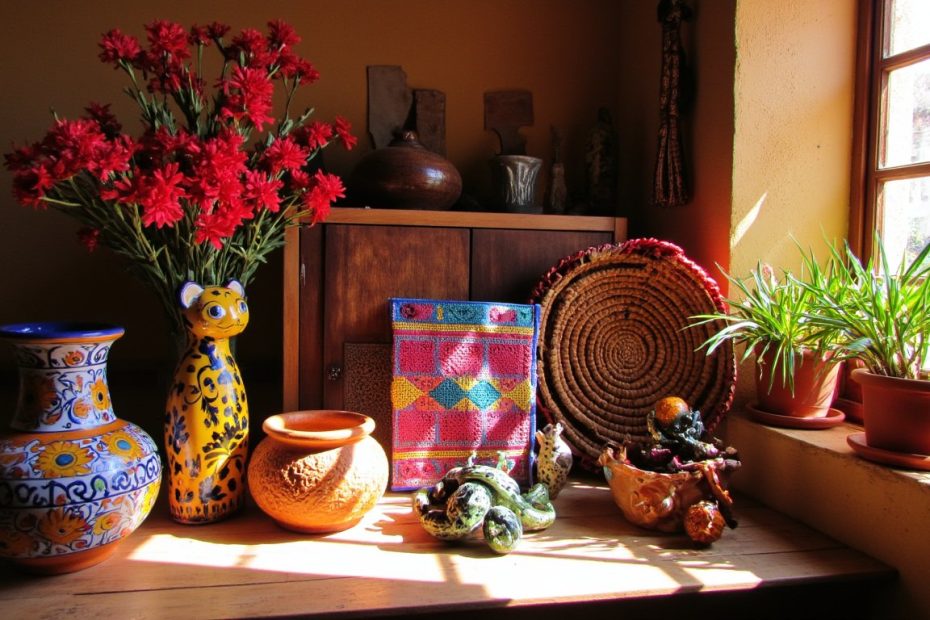
Have you ever stumbled upon a piece of Mexican folk art and felt an instant connection? I did, years ago, in a tiny shop in Oaxaca. The explosion of colors, the stories woven into every thread and carved into every piece of wood—it’s more than decoration; it’s a heartbeat. Mexican crafts aren’t just objects; they’re tangible pieces of history, tradition, and sheer artistic passion. From the humming markets of Mexico City to the quiet workshops in ancestral villages, let’s explore 19 Mexican crafts that deserve a spot in your home and heart.
1. Talavera Pottery: The Blue and White Ambassador

When you think of Mexican ceramics, Talavera probably springs to mind. This iconic pottery, hailing from Puebla, screams elegance with its intricate cobalt blue and white patterns. But here’s the kicker: authentic Talavera isn’t just pretty—it’s protected by law! Only pieces made in Puebla with specific clays and techniques can bear the name. Each piece tells a story of Moorish, Spanish, and Indigenous fusion, making that vase or tile you love a slice of centuries-old art history.
2. Alebrijes: Fantastical Creatures from a Dream

Imagine a fever dream turning into a national treasure. That’s the origin story of alebrijes, the brightly painted Oaxacan wood carvings of mythical creatures. Pedro Linares dreamed them up in the 1930s, and today, families in towns like Arrazola and San Martín Tilcajete spend weeks carving and painting each one. The level of detail is insane—every swirl and dot has meaning. They’re more than sculptures; they’re guardians of imagination.
3. Huichol Bead Art: Where Patience Meets Psychedelia

If you think beading is a calm hobby, you haven’t seen Huichol art. The Wixáritari (Huichol) people press thousands of tiny glass beads into beeswax to create mind-bendingly vibrant designs. These pieces often depict spiritual visions, gods, and symbols like the peyote plant. The process is meditative and meticulous. I once watched an artist for an hour and he’d covered maybe a square inch. It’s a stunning reminder that slow art is powerful art.
4. Papel Picado: The Delicate Art of Celebration

No Mexican fiesta is complete without the fluttering beauty of papel picado, or perforated paper. Artists stack dozens of tissue paper sheets and use chisels and hammers to punch intricate patterns—skulls, flowers, words. It’s temporary art, meant to dance in the wind and eventually fade. This craft teaches us to find joy in the moment. Seriously, try hanging some for your next party; it instantly upgrades the vibe.
5. Taxco Silver Jewelry: Shining Legacy of a Mountain Town

Thanks to a wandering American named William Spratling in the 1930s, Taxco became the silver capital of Mexico. Today, its cobblestone streets are lined with workshops producing exquisite jewelry. We’re talking about intricate filigree, bold geometric designs, and that unmistakable high-luster silver. Every piece feels both modern and ancient. It’s wearable heritage, and honestly, it puts mass-produced accessories to shame.
6. Sarapes and Rebozos: Woven Warmth and Identity

Mexican textiles tell stories in thread. The sarape (that iconic striped blanket) and the rebozo (a versatile shawl) are masters of function and beauty. Woven on traditional looms, their patterns often signify the region or community of the weaver. I’ve used a rebozo as a scarf, baby carrier, and even a picnic blanket. They’re the Swiss Army knife of fabrics, infused with generations of skill.
7. Mata Ortiz Pottery: A Modern Renaissance Story

This one is a phoenix story. In the 1970s, a man named Juan Quezada revived ancient Casas Grandes pottery techniques in the dusty village of Mata Ortiz. Now, the town produces some of the world’s most sought-after ceramics. The pots are hand-coiled, painted with natural pigments, and polished with a stone. The designs? Hypnotic geometric patterns that feel both primal and sophisticated. It’s proof that tradition can spark a revolution.
8. Day of the Dead Crafts: Celebrating Life with Sugar and Style

Forget the spooky stuff; Día de los Muertos is about joyful remembrance. The crafts here are iconic.
Sugar Skulls (Calaveras)
are edible art, decorated with colorful icing.
Ofrendas
(altars) are elaborate assemblages of marigolds, photos, and favorite foods. Then there’s the papel picado and skeleton figurines. These crafts aren’t morbid; they’re a vibrant, loving nod to those who came before us. It’s a philosophy you can hold in your hands.
9. León Leather Goods: Saddles, Boots, and Everything In Between

León, in Guanajuato state, has been the heart of Mexico’s leather industry for centuries. Think buttery-soft jackets, intricate tooled belts, and cowboy boots that last a lifetime. The tannery smell might hit you first, but the craftsmanship will stay with you. These artisans treat leather like a canvas, stamping, carving, and dyeing it into functional art. A good pair of huaraches from here molds to your feet like a second skin. 😊
10. Mexican Tin Art (Hojalata): The Humble Metal’s Makeover

Before cheap imports, Mexicans mastered the art of upcycling with hojalata. Using recycled tin cans, artisans cut, shape, and punch designs to create mirrors, frames, lanterns, and ornaments. They often paint them in festive colors. It’s folk art at its most resourceful and whimsical. That twinkling tin star hanging in a courtyard? It’s probably older than you are and still catching the light perfectly.
11. Tenango Embroidery: A Garden Stitched in Thread

Step into a field of eternal spring with Tenango embroidery from Hidalgo. The Otomí women create these pieces, covering fabric with dense, colorful depictions of animals, plants, and mythical scenes. No two are exactly alike, and every stitch is done by hand. It’s like a vibrant, textile diary of their environment. I have a pillow cover that sparks joy daily—it’s literally a burst of happiness on my couch.
12. Lacquerware from Olinalá: Scented Treasure Boxes

Open a chest from Olinalá, Guerrero, and you’re hit with the distinct, pleasant smell of linaloe wood. Artisans layer this wood with intricate lacquer designs using a centuries-old technique called rayado, where they scratch through layers of color. The result? Jewelry boxes, trays, and gourds that are sheer luxury. The aroma alone transports you to a Mexican forest. It’s a multisensory craft experience.
13. Mexican Blown Glass: Guadalajara’s Fiery Art

Head to Tlaquepaque or Tonalá near Guadalajara to see glassblowing magic. Using techniques brought from Spain, artisans gather molten glass from furnaces and shape it into everything from classic tumblers to wild, swirling centerpieces. The colors are vibrant, often mimicking the Mexican landscape. Watching them work is a dance with heat and gravity. You gain a whole new appreciation for that margarita glass.
14. Traditional Mexican Masks: Faces of Festival and Faith

From the Danza de los Viejitos to Jaguar dances, Mexican masks are central to ceremonial life. Carved from wood or made from leather, they represent animals, devils, ancestors, and more. Each region has its own style. They’re not meant for a quiet display case; they’re meant to be worn, to tell a story, and to connect the wearer with another realm. They have a powerful, almost alive presence.
15. Tonalá Pottery: The Burnished Beauty

While Talavera gets the fame, Tonalá pottery from Jalisco has a subtler, earthier charm. Known for its bruñido (burnished) finish, artisans polish the unfired clay with a pyrite stone to a smooth, shiny surface. Then they paint delicate, monochromatic designs often inspired by local flora. The effect is elegantly rustic. It’s the pottery you want for your daily morning coffee, feeling both grounded and special.
16. Mexican Folk Paintings: Stories on Amate Paper

Vibrant scenes of village life, fantastical animals, and historical events come alive on amate paper, made from the bark of fig trees. This pre-Hispanic craft was revived in Guerrero, where Nahua artists paint with dazzling acrylic colors. The style is naïve but bursting with narrative energy. Each painting is a snapshot of a story, a joke, or a belief. They’re like graphic novels from a parallel, more colorful universe.
17. Wooden Toys from Michoacán: Whimsy on Wheels
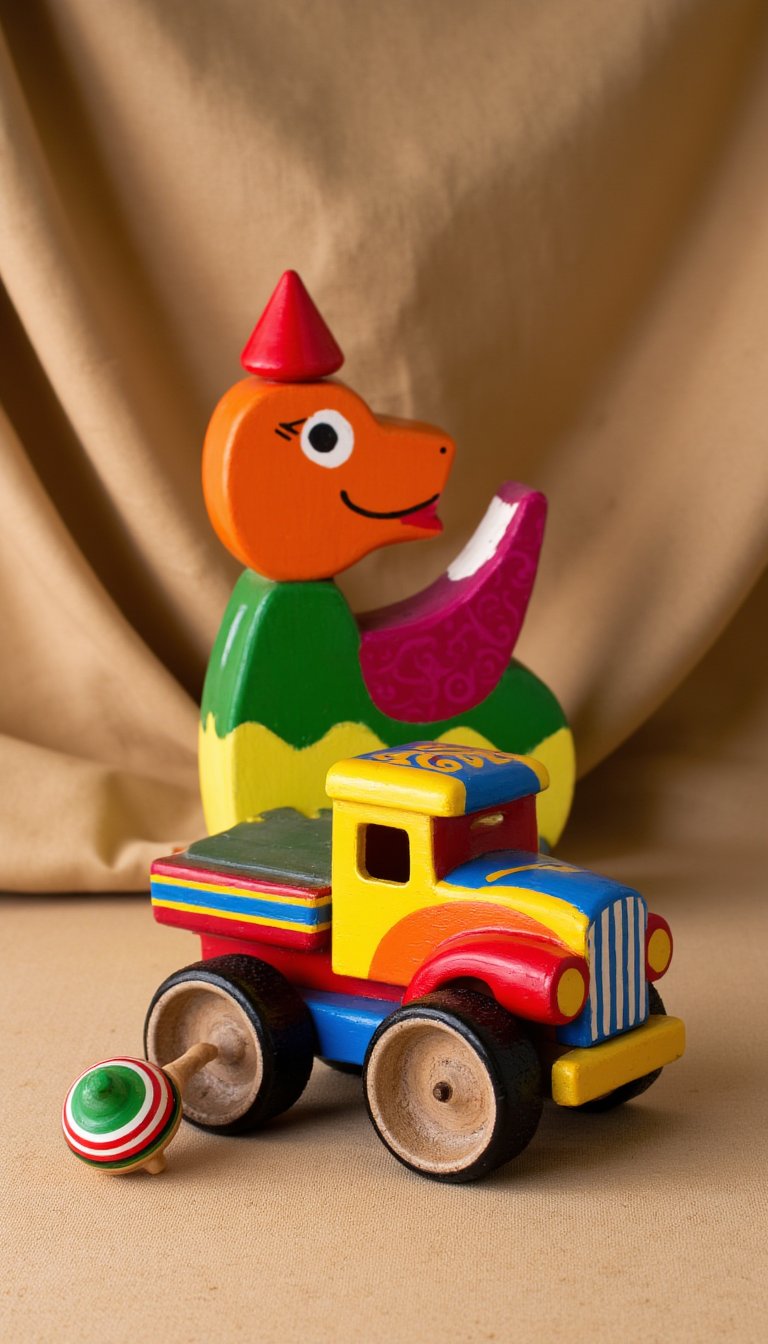
Who says toys can’t be art? In Michoacán, artisans carve and paint delightful wooden toys—trucks, animals, tops, and miniature scenes. They’re simple, sturdy, and fueled by pure imagination. Made from local pine, they’re often left with the natural wood grain showing, with painted accents. They represent a childhood less cluttered with plastic, reminding us that play is a fundamental form of creativity.
18. Basketry from Chiapas: Woven with Precision

Using reeds, palms, and willow stems, artisans in Chiapas create baskets of incredible durability and geometric precision. The patterns are often symbolic, passed down through generations. These aren’t your flimsy picnic baskets; they’re built to last, used for everything from market storage to home decor. The weaving is so tight it can hold water. It’s a testament to the beauty of pure, functional design.
19. Ceramic Trees of Life: A Symbol of Creation

We end with a monumental craft: the Árbol de la Vida. Originating in Metepec, these elaborate ceramic sculptures depict the Biblical tree, often covered with figures of Adam, Eve, animals, and flowers. But modern versions tell other stories, from history to social commentary. They’s built piece by piece, a family affair of molding, firing, and painting. It’s a craft that embodies the very act of creation and storytelling, a fitting finale to our list.
So, there you have it—19 Mexican crafts that are way more than souvenirs. They’re conversations starters, history lessons, and bursts of pure joy. Each piece carries the fingerprint of its maker and the soul of a culture that refuses to separate art from everyday life. Whether you’re decorating your home or simply admiring from afar, these crafts invite you to see the world in more vibrant, story-rich ways. Why not let a little of that Mexican color and alegría weave its way into your world? Start by seeking out an authentic piece, and you’ll be supporting centuries of tradition with every purchase. Now, go get inspired!